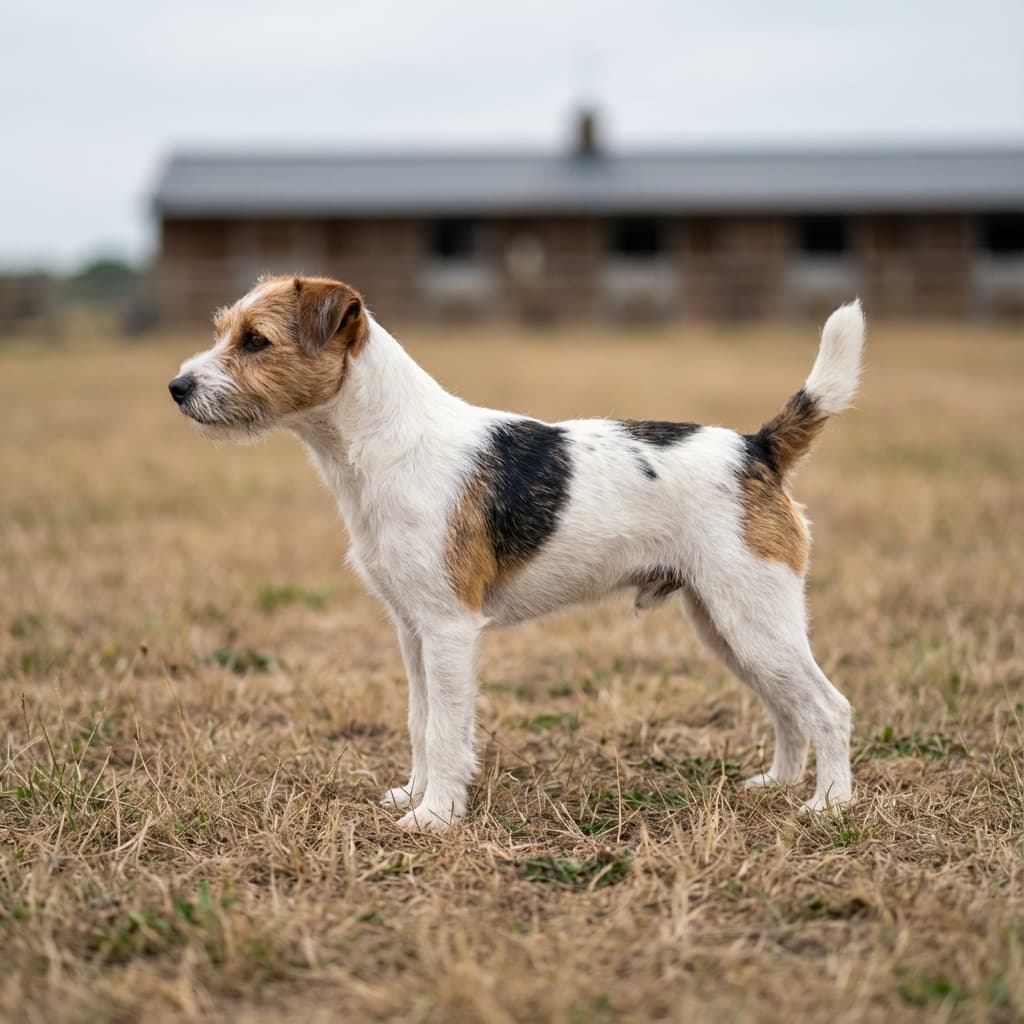
Parson Russell Terrier
FCI Group
3• FCI 339
Size
Small
Origin Country
GB
Height
33-36 cm
Weight
5-8 kg
Lifespan
13-15 years
Temperament
Overview
The Parson Russell Terrier is a unique breed of dog that captivates with its extraordinary energy, determination, and temperament. This small but lively dog originated in Great Britain in the early 19th century, thanks to the passion of Reverend John Russell, an avid hunter. Russell dreamed of creating the perfect hunting companion that would be agile and brave enough to chase foxes into their own burrows. Through careful selection and breeding, a breed with excellent hunting abilities was developed, which has retained its characteristic temperament to this day.
Although the history of the Parson Russell Terrier is inextricably linked to hunting, today this breed has gained immense popularity as a family and companion dog. Its courage, self-confidence, and unwavering loyalty make it an indispensable friend that brings a lot of joy and positive energy into the home. The Parson Russell Terrier loves to be the center of attention, and its cheerful and lively temperament makes it an ideal companion for both adults and older children. However, it is important to remember that its unrestrained energy and liveliness require a significant commitment from the owner – this dog needs regular exercise, mental stimulation, and consistent training.
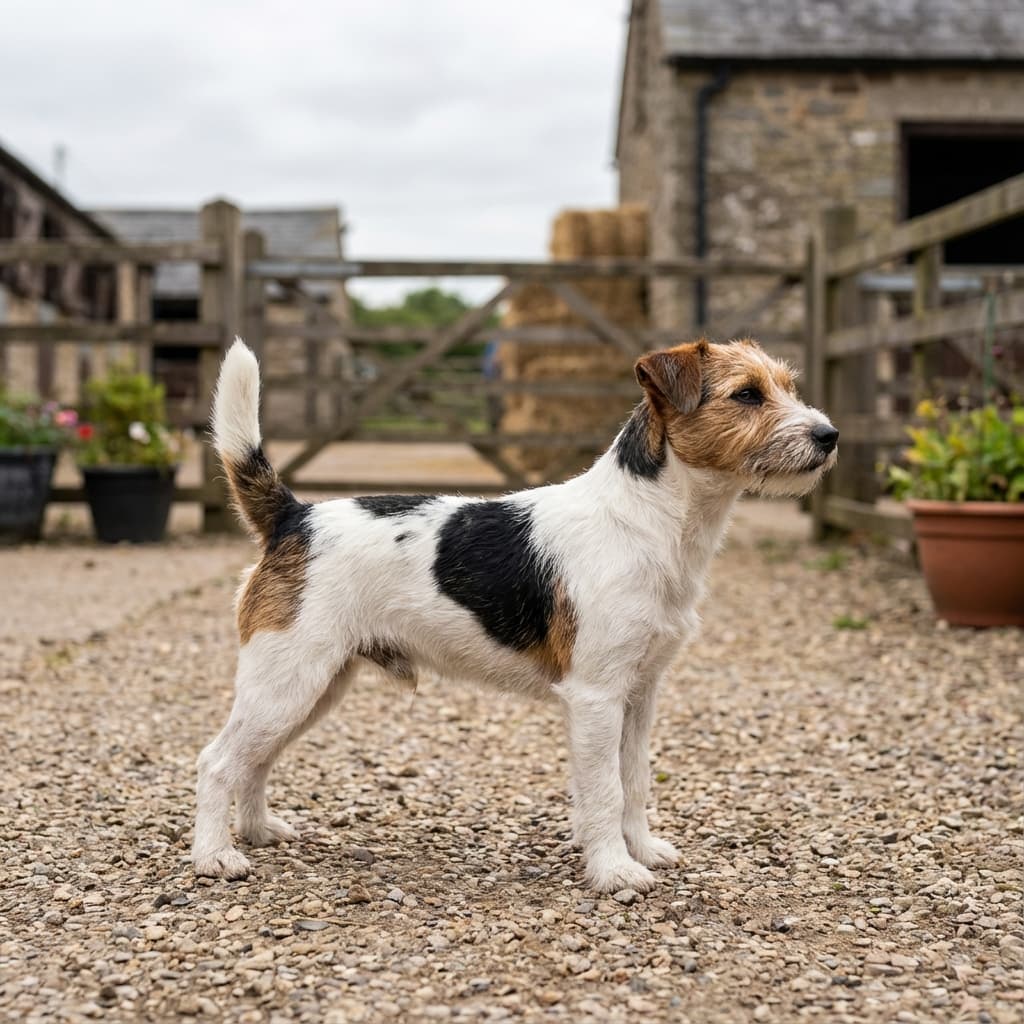
The Parson Russell Terrier is an excellent choice for active owners who are willing to dedicate time to shared adventures, training, and play. Its short, dense coat comes in various color combinations, most commonly white with black, reddish-brown, lemon, or fawn patches. Due to its compact size – standing between 33 to 36 cm at the shoulder and weighing between 5 to 8 kg – this dog relatively easily adapts to different living conditions, although it definitely feels best in a home with access to a garden, where it can fully expend its energy.
The Parson Russell Terrier typically enjoys a long life, ranging from 13 to 15 years, and with proper care, it is characterized by good health. Like any breed, it can be prone to certain hereditary conditions, which is worth knowing before deciding to purchase a puppy. This breed is a true symbol of unending joy of life, bringing a wealth of positive emotions and unforgettable moments into the home. In the further part of our guide, we will discuss in detail the issues of health, grooming, physical activity, training, nutrition, history, appearance, and behavior of the Parson Russell Terrier, to help future owners fully understand the needs of this fascinating breed.
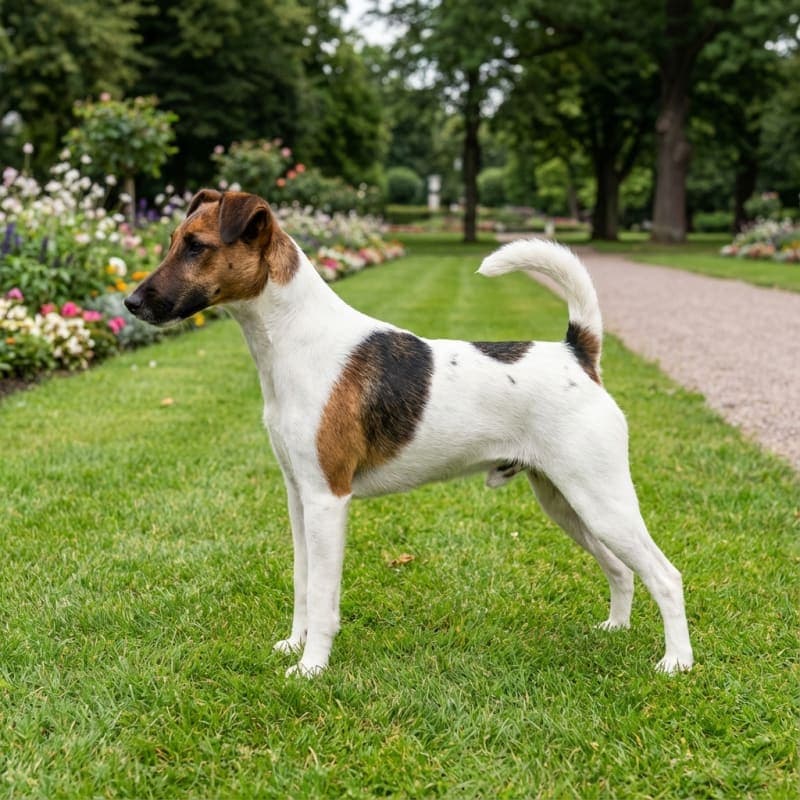
The Parson Russell Terrier is a dog with a harmonious and compact build, which perfectly reflects its original purpose – working in the field during hunts. According to the FCI standard, the height at the withers should be from 33 to 36 cm, with the ideal height being 35 cm for males and 33 cm for females. The weight typically ranges between 5 and 8 kg, with maintaining proportions being crucial – the dog should be sleek, athletic, and agile.
A characteristic feature of the breed is its wedge-shaped head of moderate width, with a flat skull and a distinct, but not overly pronounced stop. The eyes are almond-shaped, dark, and full of intelligent expression, giving the dog a vigilant and sharp appearance. The V-shaped ears are relatively small, hanging forward and lying close to the cheeks. The jaws are strong with an excellent, even, and complete scissor bite.
The neck is muscular and well-defined, smoothly transitioning into a medium-deep chest, which should be narrow enough for the dog to freely explore burrows. The back is straight, and the loins are strong and slightly arched. The limbs are straight, with a strong bone structure, ending in compact, round paws with well-arched toes. The tail, which was traditionally docked, is now carried at its natural length, raised in motion, and may be lowered at rest.
The coat of the Parson Russell Terrier comes in two varieties: smooth or rough. In both cases, it is dense, hard, and close-fitting to the body, providing excellent protection against weather conditions. Acceptable colors are white, white with patches of fawn, lemon, black, or reddish-brown. Patches may appear on the head and base of the tail.
The movement of the Parson Russell Terrier is free, spacious, and energetic, with strong propulsion from the hind limbs. The dog moves straight, without twisting its elbows or hock joints. The overall appearance of the breed exudes strength, endurance, and tenacity – it is a dog made for work, which, despite its small size, displays impressive physical agility.
The Parson Russell Terrier is a dog with a distinctive temperament and an incredibly lively disposition. This breed is characterized by courage, confidence, and tenacity – traits that have been developed over years of selective breeding aimed at hunting, where the dog had to make decisions independently and face prey much larger than itself. The modern Parson Russell Terrier has fully retained these character traits, making it a brave, energetic, and enthusiastic companion.
Dogs of this breed are extremely social and friendly towards people. They love to be the center of attention and actively participate in family life. They are open, joyful, and full of energy, which makes them excellent companions for play and shared activities. Despite their small size, Parson Russell Terriers have a strong personality and are not afraid of challenges – they often do not realize their own size and can confidently confront much larger dogs.
A strong hunting instinct is a trait that should be considered when raising a Parson Russell Terrier. These dogs have a natural tendency to chase small animals, so early socialization and consistent training are absolutely crucial. It is advisable to gradually acclimate the puppy to the presence of cats, rodents, and other pets, keeping in mind that the hunting instinct can be very strong. During walks, it is important to stay alert, as the dog may react to rabbits, squirrels, or birds.
Intelligence is another distinguishing feature of this breed – Parson Russell Terriers learn very quickly and eagerly, although their independent nature can sometimes pose a training challenge. They can get bored with monotonous exercises, so training should be varied, creative, and full of positive reinforcements. These dogs have excellent memory and can remember both positive and negative experiences.
Parson Russell Terriers are quite noisy – barking is their natural way of communication, which served to inform hunters about finding prey. They may bark to get attention, express joy, or warn of the presence of strangers. It is advisable to introduce barking control training from a young age.
Due to their high exercise needs and mental stimulation, this breed is best suited for active owners who can provide the right amount of movement and challenges. The Parson Russell Terrier is not suitable for older individuals or those leading a sedentary lifestyle – lack of adequate activity can lead to behavioral problems such as destructive behaviors, excessive barking, or escapes.
The Parson Russell Terrier is a breed that generally enjoys good health and longevity. The average lifespan is between 13 to 15 years, although with proper care, many dogs live to be 16-17 years old. The breed is characterized by a strong constitution and resilience, which is the result of years of selective breeding focused on endurance and physical fitness.
However, like any breed, the Parson Russell Terrier can be prone to certain hereditary conditions that prospective owners should be aware of:
- Primary Lens Luxation (PLL) – a genetic condition in which the lens of the eye dislocates. If left untreated, it can lead to glaucoma and loss of vision. Responsible breeders perform genetic testing to exclude carriers of the gene responsible for PLL.
- Hereditary Cataract – clouding of the lens that can occur at various ages and lead to gradual vision loss.
- Luxating Patella – dislocation of the kneecap, which can cause limping and pain. In mild cases, it does not require treatment, but in more severe cases, surgical intervention is necessary.
- Congenital Deafness – occurs sporadically, particularly in dogs with a high proportion of white in their coat.
- Legg-Calvé-Perthes Disease – aseptic necrosis of the femoral head, occurring in young dogs, requiring surgical treatment.
To ensure the best possible health for the dog, it is crucial:
- Choosing a responsible breeder who conducts genetic testing and can provide health test results for the parents.
- Regular veterinary visits – annual check-ups, vaccinations, and parasite prevention are recommended.
- Proper diet – balanced nutrition tailored to the dog's age, activity level, and health status.
- Weight management – although Parson Russell Terriers rarely tend to gain weight due to their high activity level, being overweight can lead to joint problems and other health issues.
- Regular physical activity – keeping the dog in good physical condition supports joint health, cardiovascular system, and overall vitality.
With proper care, regular check-ups, and a healthy lifestyle, the Parson Russell Terrier can enjoy a long, healthy, and active life alongside its family.
The grooming of the Parson Russell Terrier is relatively simple and not very time-consuming, making this breed attractive for those looking for a dog with low grooming requirements. However, regular grooming is crucial for keeping the dog in good condition and health.
Brushing the coat should be done at least once a week, and during shedding season even 2-3 times a week. Parson Russell Terriers come in two coat varieties – smooth and rough – and each requires a slightly different approach:
- Smooth coat – regular brushing with a natural bristle brush or rubber glove is sufficient to remove dead hair and maintain a shiny appearance.
- Rough coat – requires periodic trimming (plucking dead hair) to maintain the proper coat structure. Trimming can be done independently after appropriate training or entrusted to a professional groomer. It is recommended to perform this procedure 2-3 times a year.
Bathing should only be done when necessary, when the dog is dirty or starts to smell unpleasant. Too frequent baths can disrupt the natural protective layer of the skin. It is advisable to use gentle shampoos specifically designed for dogs.
Ear care is important to prevent infections. Ears should be regularly checked for redness, odor, or excessive wax buildup. Cleaning should be done every 1-2 weeks using special ear cleaning products for dogs.
Dental care is a key element of grooming. Regular tooth brushing (ideally daily or at least 3-4 times a week) prevents the buildup of tartar and periodontal disease. Special dental treats can also be given to the dog.
Nail trimming should be done regularly, usually every 3-4 weeks, if the nails do not wear down naturally during walks. Overly long nails can cause discomfort and walking problems.
Regular veterinary check-ups and visits to the groomer are also recommended to ensure the dog looks healthy and well-groomed and to detect any potential health issues at an early stage.
The Parson Russell Terrier is a breed with very high exercise needs, requiring daily, intense physical activity. These dogs are characterized by nearly unlimited energy and endurance, which is a natural inheritance of their hunting background. To ensure the dog's physical and mental health, the owner must dedicate a significant amount of time to shared activities.
A minimum of one hour of intense exercise daily is an absolute necessity, although most Parson Russell Terriers will happily be active for much longer. Ideal forms of activity include:
- Long walks and running – preferably in varied terrain where the dog can explore, sniff, and utilize its natural instincts.
- Fetch games – balls, frisbees, or toys are excellent ways to release energy.
- Dog sports – agility, flyball, rally obedience, or nosework are ideal disciplines for this breed that engage both body and mind.
- Swimming – many Parson Russell Terriers love water, and swimming is a great form of exercise.
- Scent work and tracking – games that utilize scent, such as searching for hidden treats or toys, provide excellent mental stimulation.
Mental stimulation is just as important as physical activity. Parson Russell Terriers are intelligent dogs that need intellectual challenges to avoid boredom. Interactive toys, dog puzzles, or learning new tricks are excellent ways to engage the dog's mind.
Due to their strong hunting instinct, Parson Russell Terriers may have a tendency to escape in pursuit of game. Therefore, during walks in areas where rabbits, squirrels, or birds may appear, it is advisable to keep the dog on a leash or in a safe, fenced area. It is also worth working on a solid recall, although even the best-trained dogs of this breed may be tempted to chase game.
Lack of adequate exercise can lead to a range of behavioral problems, such as:
- Destructive behaviors (chewing furniture, destroying things)
- Excessive barking
- Digging holes in the garden
- Hyperactivity and difficulty calming down
- Attempts to escape
The Parson Russell Terrier is a perfect companion for active individuals who enjoy hiking, running, biking, or other outdoor activities. This is a dog for people who view physical activity as an integral part of their lives and are eager to share it with their four-legged friend.
Training a Parson Russell Terrier can be a challenge even for experienced owners, but it is also an incredibly rewarding experience. Dogs of this breed are intelligent, learn quickly, and have excellent memory, but their strong will, independence, and tendency to boredom require a thoughtful and consistent approach to training.
Key training principles for the Parson Russell Terrier:
- Positive reinforcement – this breed responds best to reward-based methods (treats, praise, play). Punishments and harsh methods can provoke resistance and damage the bond with the dog.
- Short, intense sessions – Parson Russell Terriers quickly get bored with monotonous exercises. Training sessions should last 10-15 minutes and be as engaging as possible.
- Variety – introduce new exercises, change training locations, use different rewards. This breed loves challenges and novelty.
- Consistency – rules must be clear and applied by all family members. The Parson Russell Terrier will quickly detect inconsistencies and exploit them.
- Patience – despite their intelligence, these dogs can be stubborn and prefer to act on their own terms. Do not get discouraged.
Early socialization is absolutely crucial for this breed. Puppies should be gradually exposed to various situations, people, animals, and environments to grow into confident and well-adjusted dogs. Special attention should be paid to:
- Contact with other dogs of different sizes and temperaments
- Interactions with children and adults
- Getting used to various sounds (cars, street noise, thunder)
- Exposure to different surfaces and environments
Basic commands that are particularly important for this breed:
- Stay – crucial for safety, especially in situations where the dog may take off in pursuit.
- Come/Return – a solid recall can save a dog's life. Work on it regularly and in various conditions.
- Leave it – important to prevent the dog from picking up dangerous objects or food.
- Quiet – controlling barking is key for this rather noisy breed.
Barking control should be introduced from a young age. Parson Russell Terriers naturally bark a lot, but they can be taught when barking is acceptable and when to be quiet. Never yell at a barking dog – to them, it's just joining in the barking.
Managing the hunting instinct is a particular challenge. While it is impossible to completely eliminate this instinct, you can teach the dog control and response to commands even in the presence of potential prey. This requires time, patience, and consistency.
Dog sports are an excellent way to channel the energy and intelligence of a Parson Russell Terrier. Agility, flyball, rally obedience, or nosework not only provide physical activity but also mental stimulation, while strengthening the bond between the dog and the owner.
Remember that the Parson Russell Terrier is not a breed for novice owners. It requires experience, consistency, and a lot of time dedicated to training and activity. However, for those who are ready to meet the challenge, this breed offers unparalleled loyalty, intelligence, and joy in life.
Proper nutrition for the Parson Russell Terrier is crucial for maintaining its health, vitality, and longevity. Due to its high energy and activity level, this breed has specific nutritional needs that must be thoroughly understood and met.
Basic nutrition guidelines:
- High-quality food – choose premium or super-premium foods that contain a high percentage of high-quality animal protein (meat, fish) as the main ingredient. Avoid foods containing grain fillers, artificial colors, and preservatives.
- Age and activity adjustment – puppies, adult dogs, and seniors have different nutritional needs. Active working or sporting dogs may require food with higher energy value.
- Proper macronutrient proportions – the Parson Russell Terrier needs a balanced diet containing: - Protein (25-30%) – to maintain muscle mass - Fats (15-20%) – as a source of energy - Carbohydrates – in moderate amounts, from wholesome sources - Fiber – for healthy digestion
- Vitamins and minerals – complete food should contain all essential micronutrients that support skin, coat, bone, and immune system health.
Feeding frequency:
- Puppies (2-6 months) – 3-4 meals per day
- Young dogs (6-12 months) – 2-3 meals per day
- Adult dogs (over 12 months) – 2 meals per day
Dividing the daily portion into two meals is recommended as it helps maintain stable energy levels and reduces the risk of digestive problems.
Portion size should be adjusted according to:
- The dog's weight and size
- Level of physical activity
- Age and health status
- Type of food (dry, wet, mixed)
Food manufacturers usually provide recommended portions on the packaging, but these should be treated as a starting point, and the dog's condition should be monitored, adjusting the amount of food as needed.
Treats and rewards are an important part of training, but it should be noted that they should not exceed 10% of the daily caloric intake. Excessive treats can lead to overweight and dietary imbalance. It is advisable to choose healthy options, such as:
- Dried meat (single source of protein)
- Vegetable pieces (carrots, broccoli)
- Small pieces of cheese (in moderation)
Fresh water must be available at all times. Parson Russell Terriers, especially active ones, need regular hydration. Water should be changed at least once a day.
Harmful products for dogs – absolutely prohibited:
- Chocolate and cocoa
- Onions and garlic
- Grapes and raisins
- Avocado
- Xylitol (sweetener)
- Alcohol and caffeine
- Cooked bones (can splinter and cause blockages)
Weight control is important, although Parson Russell Terriers rarely tend to gain weight due to their high activity. Nevertheless, the dog's weight and body condition should be monitored regularly. Overweight can lead to joint problems, cardiovascular issues, and shorten lifespan.
Special nutritional needs:
- Dogs with food allergies – may require elimination diets or hypoallergenic foods
- Senior dogs – may need lower-calorie foods enriched with joint-supporting ingredients
- Dogs with health problems – should receive specialized veterinary diets
With proper nutrition tailored to the individual needs of the dog, the Parson Russell Terrier can enjoy a long, healthy, and energetic life.
Characteristic Traits
Pros
- A great companion for active people
- Intelligent and quick to learn
- Friendly and sociable
- Brave and confident
- Long-lived and generally healthy
- Excellent for dog sports
- Low grooming requirements.
Cons
- Requires a lot of movement and stimulation
- May be too energetic for small children
- Strong hunting instinct
- Tendency to bark
- Can be stubborn in training
- Not suitable for novice owners
- Needs consistent upbringing.
Behavioral Ratings
Breed History
The history of the Parson Russell Terrier is a fascinating tale of passion for hunting, selection, and the development of a breed that has become one of the most popular terriers in the world. The origins of this breed date back to the early 19th century in England, and its creator was the Reverend John Russell, known as Parson Jack Russell.
John Russell was born in 1795 and had a passion for hunting from a young age, particularly for foxes. As a theology student at Oxford University in 1819, he encountered a milkman who had a small white female dog with rough fur and patches on her head. This dog, named Trump, captivated Russell with her appearance and hunting potential – she perfectly matched his vision of the ideal hunting terrier for fox hunting.
Trump became the foundation of Russell's breeding. The Reverend sought dogs with specific traits:
- Small enough to penetrate the brush of a burrow
- Brave enough to confront a fox
- Of extraordinary stamina and energy
- With white or predominantly white fur (to distinguish them from the fox during hunting)
- With an excellent sense of smell and hunting instinct
For the next 60 years, Reverend Russell conducted careful breeding, crossing Trump and her descendants with other terriers, including Fox Terriers. His goal was not to create a show dog, but a superb worker – a dog that would be an invaluable companion during mounted fox hunts. Russell was known for his canine knowledge and became a recognized authority in the field of terrier breeding.
After Russell's death in 1883, his line of dogs was continued by other breeders. For many years, there was controversy regarding the name and standard of the breed – these dogs were referred to by various names, including Jack Russell Terrier, which led to confusion as this name encompassed dogs of different types.
In the 1990s, efforts were made to standardize the breed and officially recognize it. In 1990, the Kennel Club in the UK officially recognized the breed under the name Parson Jack Russell Terrier, and in 1999, the name was shortened to Parson Russell Terrier. The International Canine Federation (FCI) also recognized this breed, classifying it in Group 3 (Terriers), Section 1 (Large and Medium Terriers).
Currently, there are two distinct breeds:
- Parson Russell Terrier – taller, with a more square build, recognized by the FCI and most canine organizations
- Jack Russell Terrier – shorter, with a more rectangular build, also recognized by the FCI as a separate breed
The Parson Russell Terrier has retained its original hunting traits – courage, determination, energy, and intelligence. Although less frequently used for hunting today, it remains a popular sporting dog (agility, flyball) and companion for active families. Its history as a hunting dog still deeply influences its temperament, behavior, and needs, making it one of the most energetic and charismatic terriers.
This breed has become popular worldwide, winning the hearts of dog lovers not only in the UK but also in the United States, Australia, and continental Europe. The Parson Russell Terrier is a living monument to the passion of Reverend John Russell and his vision of the ideal hunting terrier.