Karelian Bear Dog
FCI Group
5• FCI 48
Size
Medium
Origin Country
FI
Height
52-57 cm
Weight
17-28 kg
Lifespan
11-13 years
Temperament
Overview
The Karelian Bear Dog, also known as Karjalankarhukoira, is a fascinating breed originating from Finland that has been an indispensable companion for hunters for centuries. This medium-sized hunting dog is distinguished by its exceptional courage and determination in hunting large game, including moose and bears. Its independent character and strong spirit make it an ideal companion for experienced hunters who can appreciate its unique skills.
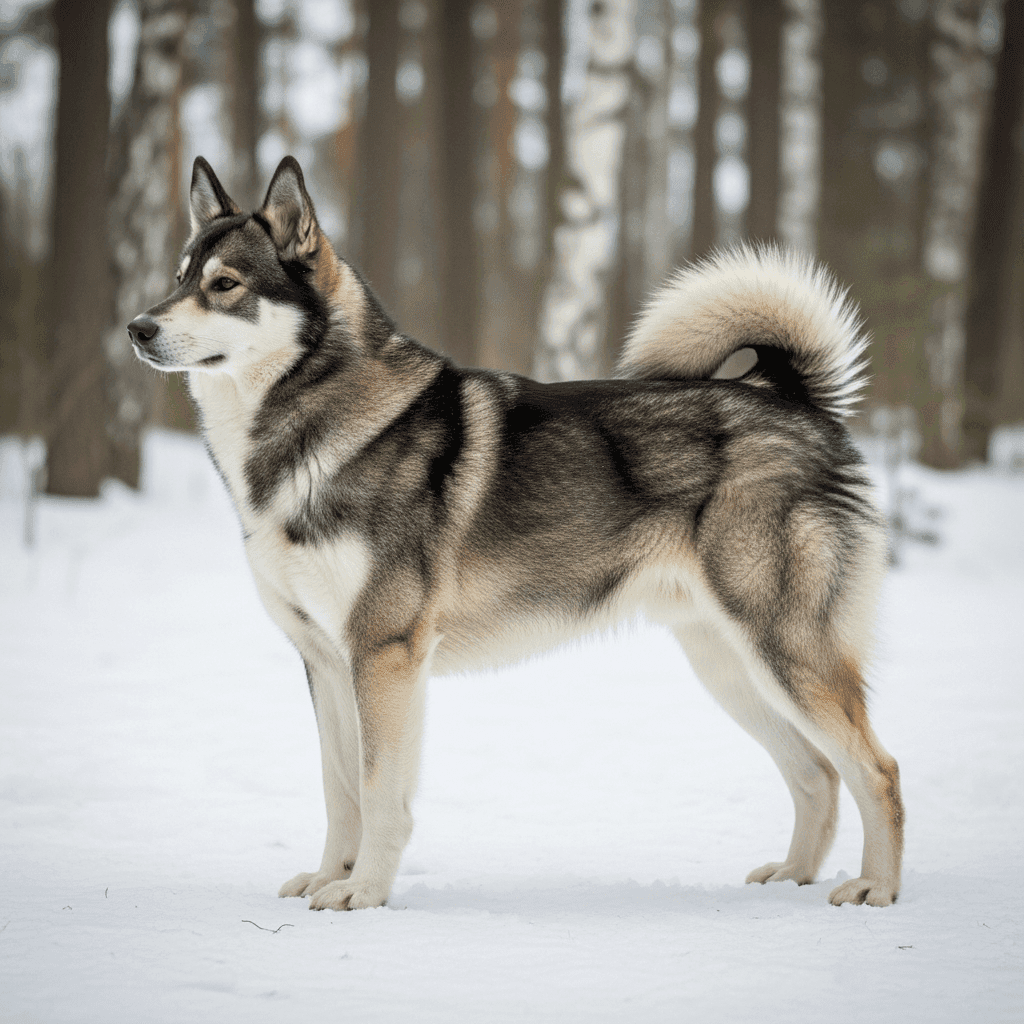
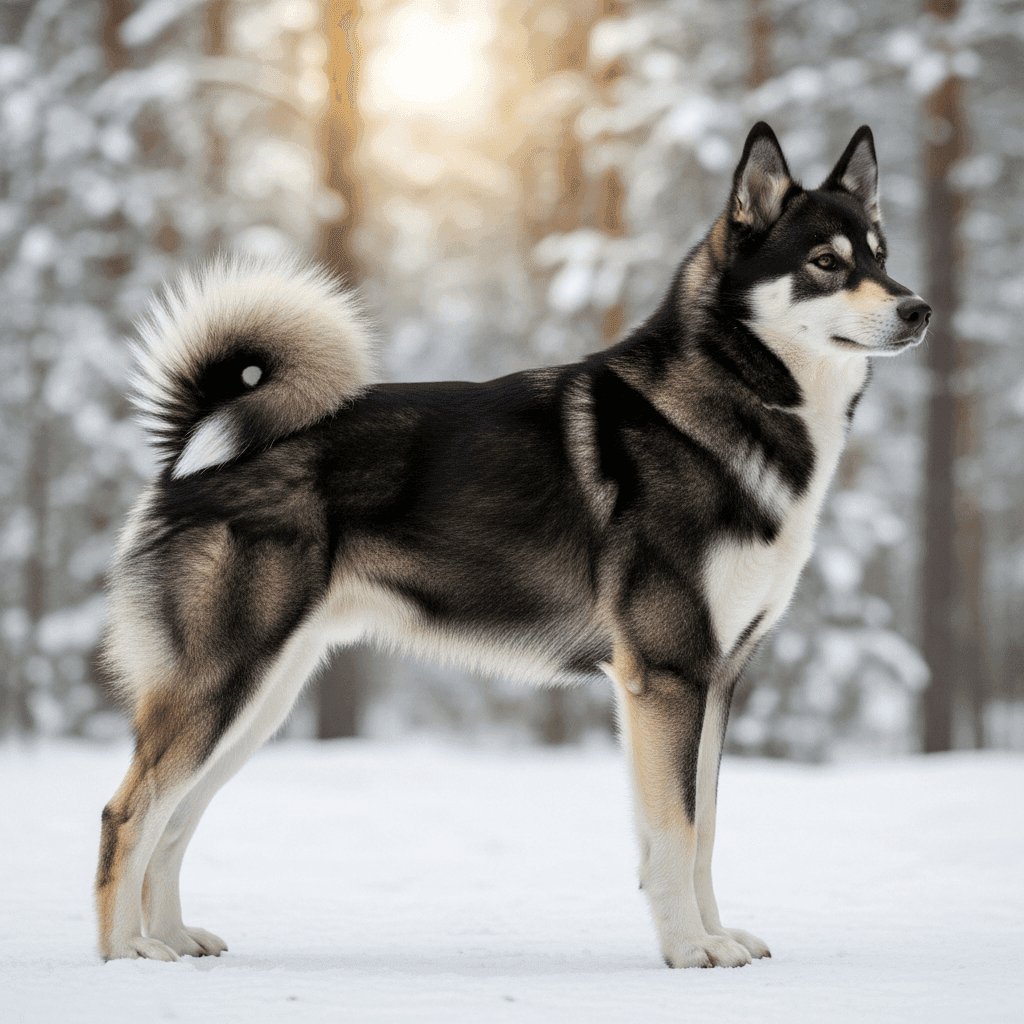
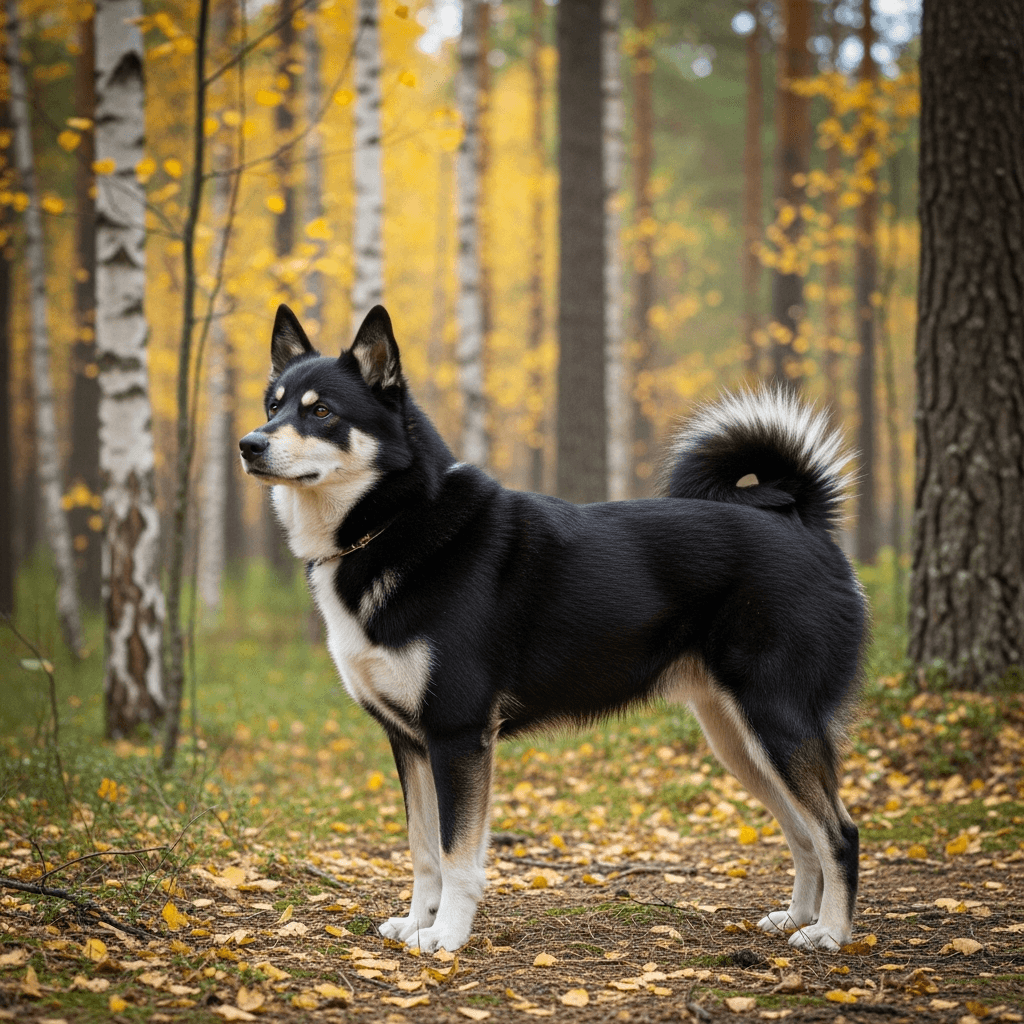
The breed is characterized by a sturdy, strong build and dense, double coat that perfectly protects the dog from the harsh climatic conditions typical of northern regions. A typical representative of the breed reaches a height at the withers of 57 cm for males and 52 cm for females, with a weight ranging from 25 to 28 kg for males and 17 to 20 kg for females. Their distinctive black coat with white markings not only gives them a recognizable appearance but also facilitates identification in the field during hunts.
The history of the breed dates back to the Viking era, who valued these dogs for their extraordinary hunting skills and boundless courage. Modern dogs continue these noble traditions, being a national treasure of Finland and enjoying growing popularity among hunters worldwide. Due to their specific character traits, the Karelian Bear Dog requires proper handling and a deep understanding of its nature.
Its natural self-confidence and hunting instinct mean that not every owner can properly guide its development and upbringing. However, with the right, consistent approach, it can become a loyal and devoted companion that excels both as a working dog and a family member. It requires strong but fair leadership to fully realize its capabilities and potential. In the following sections of our guide, you will find detailed information regarding health, grooming, activity, training, diet, and the history of this exceptional breed.
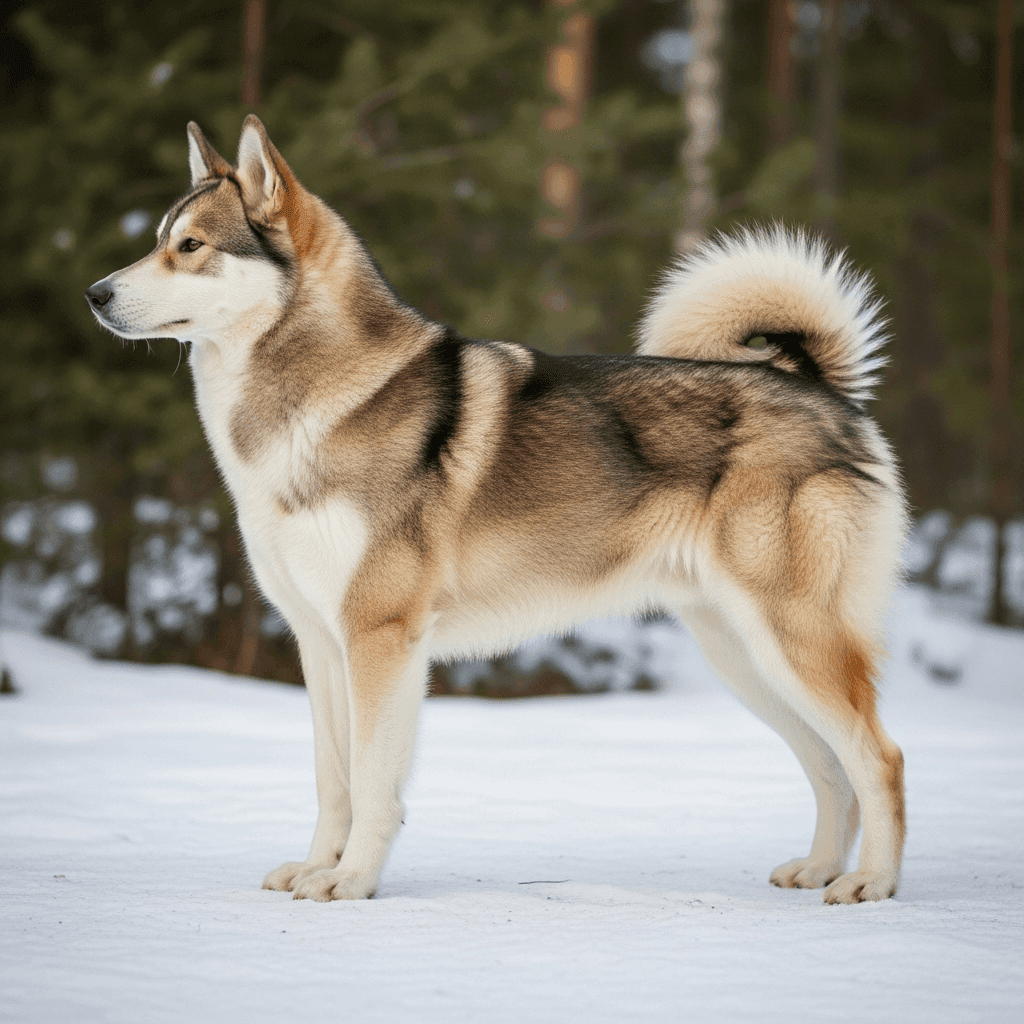
The Karelian Bear Dog is a medium-sized dog with a strong, robust build, which perfectly reflects its working function. The height at the withers ranges from 52 to 57 cm (with a tolerance of ±3 cm), with males being noticeably larger than females. The weight oscillates between 17 and 28 kg, depending on the sex. The body proportions are harmonious – the length of the body is only slightly greater than the height at the withers, giving the dog a compact and balanced appearance.
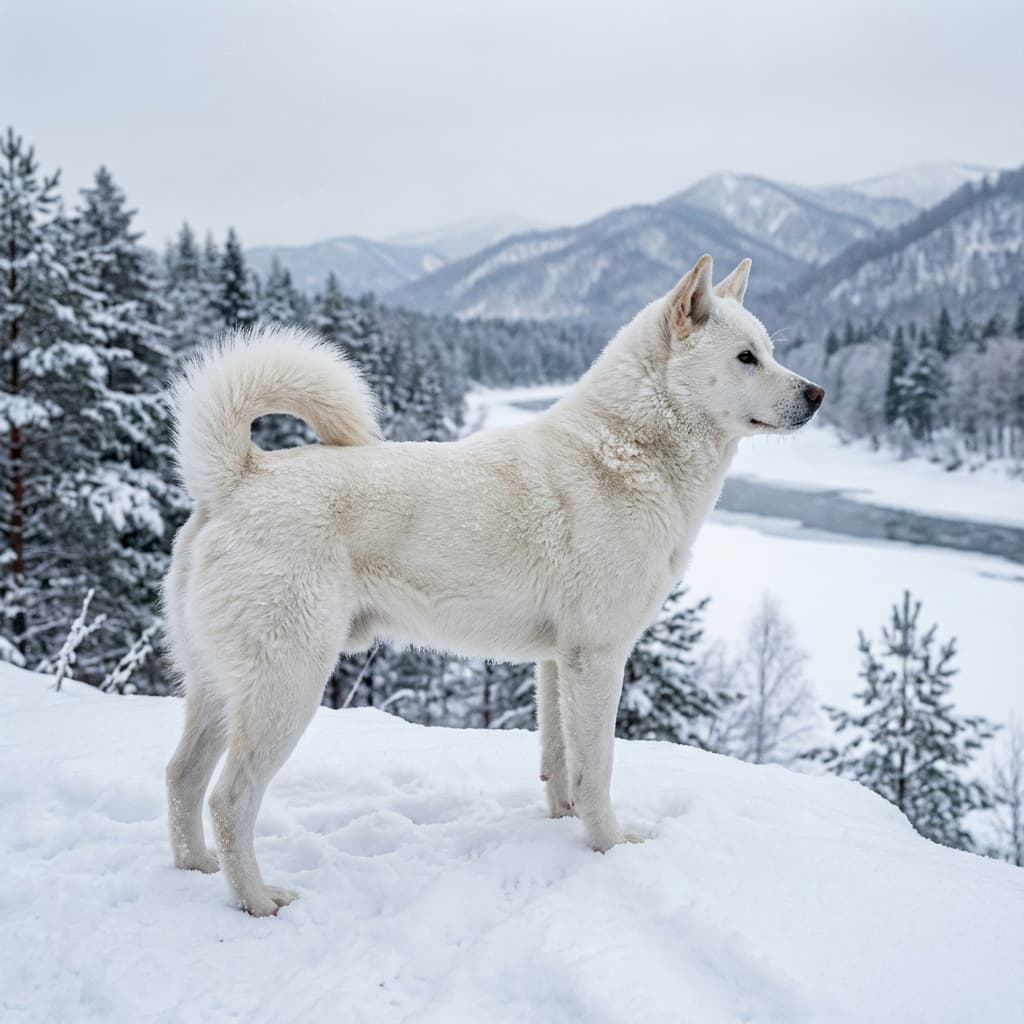
The breed has a thick, double coat that is perfectly adapted to harsh weather conditions in northern regions. The outer coat is hard and straight, while the undercoat is soft and dense, providing excellent insulation against cold and moisture. Thanks to this coat structure, dogs can work effortlessly in temperatures well below freezing.
The coloration of the Karelian Bear Dog is primarily intense black with distinctive white markings. White patches are most often found on the head (often in the form of a "spot" on the forehead), neck, chest, belly, and limbs. These contrasting markings give the dogs a unique, recognizable appearance.
The head has a triangular shape characteristic of spitz-type dogs. The skull is broad, with a slightly convex profile. The eyes are of medium size, in various shades of brown, with a watchful and intelligent expression that reveals their sharpness and readiness for action. The ears are erect, set high, of medium size, with slightly rounded tips, which further emphasizes their alertness.
The tail is of medium length, set high and curled over the back in a characteristic northern dog manner, forming an elegant ring. This is not only an aesthetic element but also functional – the raised tail helps maintain balance during quick turns in the terrain. The Karelian Bear Dog impresses not only with its strength and endurance but also with its harmonious body structure and attractive, distinctive appearance.
The Karelian Bear Dog is a breed with a strong, independent character and a distinct hunting instinct that is deeply rooted in its genetics. It is known for its exceptional courage and determination, making it an excellent companion for experienced owners who can provide proper guidance. These dogs are emotionally balanced but can be reserved and distrustful of strangers, which is a natural trait of guard dogs.
In interactions with other dogs, the Karelian Bear Dog may exhibit dominant behaviors and a tendency towards aggression, especially towards same-sex dogs. This is a trait that requires proper management, early socialization, and constant supervision during encounters with other animals. Their strong hunting instinct means they may perceive smaller animals as potential prey, so it is not recommended to keep them in households with other small pets.
The Karelian Bear Dog is extremely loyal to its owner and family, forming a strong bond based on mutual respect and trust. However, their independence and self-sufficiency can make them challenging to train for novice owners who lack experience with strong-willed breeds. These dogs need an owner who will be a consistent leader but will also treat them fairly.
These dogs have a strongly developed territorial instinct and are exceptionally alert, making them excellent guard dogs. Interestingly, unlike many other breeds, the Karelian Bear Dog only makes sounds when it wants to draw its owner's attention to something important, which makes them relatively quiet in everyday life.
Despite their independence, the Karelian Bear Dog needs close contact with people and appropriate, active guidance. Their temperament means they are not suited for apartment living – they feel much better in homes with large, open spaces where they can run freely, explore their surroundings, and expend energy. For owners who can meet their high physical and mental needs, the Karelian Bear Dog can be a wonderful, devoted life companion that brings a unique atmosphere to the home.
The Karelian Bear Dog is a breed known for its exceptional endurance and generally good health. The average lifespan of these dogs ranges from 11 to 13 years, which is typical for medium-sized dogs. Thanks to a careful breeding program and selection, this breed is resistant to many common diseases that affect other dog breeds.
Like any breed, the Karelian Bear Dog has its own specific health issues that owners should pay special attention to. One of the most common conditions is hip dysplasia, which can affect the dog's mobility in later years. Regular orthopedic examinations and maintaining a proper body weight can significantly reduce the risk of this condition.
Another area requiring attention is eye problems, such as glaucoma or cataracts, which can develop with age. Regular eye exams conducted by a veterinary ophthalmologist will help in early detection of potential issues. Additionally, dental problems can occur, so it is extremely important to maintain oral hygiene through regular tooth brushing (at least 2-3 times a week) and providing appropriate dental treats that help mechanically remove plaque.
Although the Karelian Bear Dog tolerates low temperatures well due to its thick, insulating coat, they may have difficulties on hot days. During such periods, it is essential to provide them with access to shade, fresh water, and opportunities to cool down, such as a dog pool or cooling mats.
The nutritional needs of this breed are standard, but it is particularly important to avoid obesity, which can lead to further health problems, including joint strain and heart diseases. Regular check-ups with the veterinarian (at least once a year), up-to-date vaccinations, and parasite prevention are crucial for maintaining the health and longevity of these active and strong dogs. It is also worth considering pet insurance to help cover the costs of potential treatments or long-term care.
The care of the Karelian Bear Dog is relatively simple and not very time-consuming, but it requires consistency and regularity. Dogs of this breed have a thick, double coat that is naturally resistant to dirt and moisture, which significantly facilitates daily care.
The biggest challenge is intense shedding, which occurs especially in spring and autumn, when the dogs change their undercoat. During these periods, daily brushing with a stiff-bristled brush or an undercoat comb (known as a furminator) is recommended to effectively remove dead hair and minimize the amount of fur in the home. At other times, brushing 2-3 times a week is sufficient.
Baths should not be too frequent – usually 2-3 times a year or as needed when the dog gets very dirty. Too frequent washing can destroy the natural protective oils covering the coat and skin. Only shampoos designed for dogs should be used, preferably those dedicated to breeds with thick coats.
In addition to the coat, it is important to regularly care for the ears, which should be checked at least once a week. The Karelian Bear Dog's ears are erect, which facilitates ventilation, but they can still accumulate dirt. Gentle cleaning with dog wet wipes or a special solution will help prevent bacterial and fungal infections.
Nails should be trimmed every 3-4 weeks to avoid excessive growth, which can cause discomfort while walking and lead to orthopedic problems. If you hear the characteristic clicking of nails on the floor while walking, it’s a sign that it’s time to trim them. Use a high-quality nail clipper and be careful not to cut the blood vessel running inside the nail.
For teeth, it is advisable to introduce a routine of brushing at least 2-3 times a week using a toothbrush and toothpaste designed for dogs. Additionally, dental treats and special chewing toys will help mechanically remove plaque and maintain healthy teeth and gums. Caring for the Karelian Bear Dog is therefore not too complicated, but it requires consistency, attention to detail, and the right grooming tools.
The Karelian Bear Dog is a highly energetic breed that requires a significant amount of exercise and physical activity every day. Due to its roots as a hunting dog specialized in hunting large game, they need a minimum of 2-3 hours of intense exercise daily to maintain proper physical and mental condition as well as emotional balance.
This dog excels in various forms of activity, such as long walks (at least 10-15 km daily), running in wooded areas, mountain hiking, or scent work activities (nosework, tracking). Because of their independence and strong hunting instinct, the Karelian Bear Dog feels best in open spaces where it can explore, investigate tracks, and use its excellent sense of smell.
IMPORTANT: Due to their strong hunting instinct, walks should be conducted on a leash in areas where other animals may be present. In safe, enclosed places, the dog can be allowed to run freely, which is extremely important for its mental health. Special dog parks or rented training areas are excellent solutions.
Owners should be prepared to provide their dog with various forms of activity and mental stimulation to avoid behavioral issues such as destructive behavior, excessive barking, or attempts to escape. It is worth investing in professional training equipment: fetch toys, scent toys, frisbees, or balls that stimulate the dog's mind and allow for active, controlled play.
Canine sports are also an excellent form of activity, such as:
- Tracking – following scent trails
- Canicross – running with a dog in harness
- Bikejoring – biking with a dog pulling
- Mantrailing – searching for people by scent trail
- Object search – scent games
Due to their natural aggression towards other animals, special caution should be taken during walks with other dogs. Regular, intense exercise and mental stimulation will help keep the Karelian Bear Dog in excellent physical and mental health, as well as provide a sense of fulfillment and satisfaction in life.
Training a Karelian Bear Dog can be a real challenge due to their strong will, independent nature, and high level of intelligence. This dog is very clever and learns quickly, but can also get bored just as fast, especially if the training methods are monotonous, repetitive, or not aligned with its natural instincts.
A key element of effective training is variety in exercises and the introduction of fun elements and mental challenges. Owners must be consistent in their expectations, but at the same time, they should demonstrate patience, creativity, and a deep understanding of their dog's needs and nature. NEVER use methods based on punishment or violence, as this can destroy the bond with the dog and trigger undesirable defensive behaviors.
The best results come from positive reinforcement methods, based on rewarding with high-value treats (meat, cheese, training snacks), enthusiastic praise, and play. Training should be short (10-15 minutes), intense, and as interesting as possible to maintain the dog's full attention. It is recommended to have several training sessions a day instead of one long session that may bore the dog.
It is particularly worthwhile to introduce elements of scent work, which is a natural way to stimulate the mental faculties of this breed. Exercises such as:
- Searching for hidden objects or treats
- Tracking scent trails
- Identifying different scents
- Games like "find it" in various locations
are an excellent way to utilize the natural talents of the Karelian Bear Dog.
Due to their strong hunting and territorial instincts, Karelian Bear Dogs can be difficult to train around other animals. Therefore, socialization from a puppy age (ideally from 8-16 weeks of life) is absolutely essential. The dog should be systematically and controlled exposed to various situations, people, sounds, and other animals to learn appropriate reactions.
IMPORTANT: Owners should be fully aware that this breed is not suitable for novice dog owners or individuals without experience in training strong-willed breeds. The Karelian Bear Dog requires an owner who will be a strong but fair leader, capable of establishing clear rules and consistently enforcing them. However, in the right hands, it can become a well-trained and obedient working dog that fully utilizes its immense potential.
Feeding a Karelian Bear Dog is a key element of its health, physical condition, and overall well-being. Due to their extremely active lifestyle and high energy requirements, these dogs need high-quality food that provides them with the right amount of protein, healthy fats, and complex carbohydrates.
It is recommended to provide food rich in high-quality animal protein (meat, poultry, fish), which is the essential building block of muscles and a source of energy for active dogs. The protein content in the food should be at least 25-30% for adult dogs and 28-32% for puppies and dogs in intense work. The food should also contain necessary vitamins, minerals, and omega-3 and omega-6 fatty acids, which support skin, coat, joint, and immune system health.
Feeding should be strictly tailored to the dog's activity level. For a Karelian Bear Dog, which is very active and works in the field, it may be necessary to increase the daily food portion by 20-30%, especially during periods of intense exercise or in colder months when the body uses more energy to maintain body temperature. Conversely, during periods of lower activity, portions should be appropriately reduced to avoid overweight.
Feeding schedule for adult dogs should include 2 meals a day (morning and evening), which helps maintain stable energy levels and prevents digestive problems. Puppies require more frequent feeding – 3-4 times a day, depending on their age. IMPORTANT: Food should not be given immediately before or after intense physical exertion to minimize the risk of gastric torsion, which is a serious health threat.
Owners should absolutely avoid feeding their dog table scraps, as this can lead to digestive issues, nutritional deficiencies, obesity, and encourage begging. Some human foods are toxic to dogs, such as chocolate, onions, garlic, grapes, or xylitol.
It is also extremely important to ensure the dog has constant access to fresh, clean drinking water, especially on hot days and after intense exercise, to ensure proper hydration. When working in the field, it is advisable to bring a portable bowl and water for the dog.
Types of feeding to consider:
- Dry food (kibble) – convenient, long shelf life, helps clean teeth
- Wet food – more palatable, higher water content
- BARF diet (raw meat and bones) – requires knowledge but can be very beneficial
- Homemade food – cooked under the supervision of a veterinary dietitian
Regular weight checks (at least once a month) and veterinary visits will help monitor the dog's health and adjust the diet to its individual needs, age, activity level, and any health issues. It is also worth considering a consultation with a veterinary dietitian, who can help develop an optimal feeding plan for the specific dog.
Characteristic Traits
Pros
- Exceptionally brave and determined during hunts
- sturdy build and excellent resistance to harsh climatic conditions
- an incredibly loyal companion for experienced owners
- distinctive and recognizable appearance
- relatively quiet behavior compared to other breeds
- excellent hunting and guarding instincts
- durable and healthy
- with few genetic problems.
Cons
- Requires a very experienced owner with knowledge of working breeds
- Natural aggression and dominance towards other animals
- Very high physical activity needs (minimum 2-3 hours a day)
- Independent nature may complicate training
- Not suitable for apartment living
- requires ample space
- Strong hunting instinct can be problematic in an urban environment
- Requires early and intensive socialization.
Behavioral Ratings
Breed History
The history of the Karelian bear dog dates back to deep antiquity and is closely linked to the culture and traditions of the peoples inhabiting the northern regions of Europe. It is believed that the ancestor of this breed is the Komi dog (also known as the Zyrians' dog), which was used by Finno-Ugric tribes living in the northern areas of present-day Russia and Finland for hunting various game.
These dogs were particularly valued for their extraordinary courage and determination during hunts for large, dangerous game, including moose, wolves, and bears. During the Viking Age (8th-11th century AD), these dogs were so highly regarded that Scandinavian warriors took them along on expeditions, using them to protect camps and hunt in new territories.
The official breeding of the breed began relatively late – only in 1936, when Finnish cynologists decided to preserve and standardize this unique breed, which was threatened with extinction. The main breeding goal was to create a strong, resilient dog that could effectively corner and chase large game, particularly bears, which at that time posed a serious threat to settlers and their livestock.
The primary breeding stock came from three main regions: the Ladoga Karelia, the Olonets Region, and Russian Karelia, where these dogs were commonly used by local hunters. The breed name – Karjalankarhukoira – comes from the Finnish language, where "karjalan" means "Karelian," and "karhukoira" literally translates to "bear dog."
The first official breed standard was developed in 1945, and the first dogs were registered in the Finnish breeding book in 1946. From that moment, the breed began to gain popularity, not only in Finland but also in other Nordic countries such as Sweden and Norway. The Karelian bear dog was officially recognized by the FCI (Fédération Cynologique Internationale) as a Finnish breed, assigned to group 5 (spitz and primitive types), section 2 (Nordic hunting dogs).
Today, the Karelian bear dog is regarded as a national treasure of Finland and is widely used by hunters, foresters, and conservation services to control wild animal populations, particularly bears and moose. In North America, dogs of this breed are used by park services to deter bears from urbanized areas, helping to prevent conflicts between humans and wildlife.
The Karelian bear dog is known for its excellent hunting skills, exceptional sense of smell, and strong hunting instinct, making it an ideal companion for experienced hunters. Their history is inextricably linked to the culture, traditions, and way of life of the Nordic region, which makes this breed exceptionally valued and respected in its country of origin and around the world.