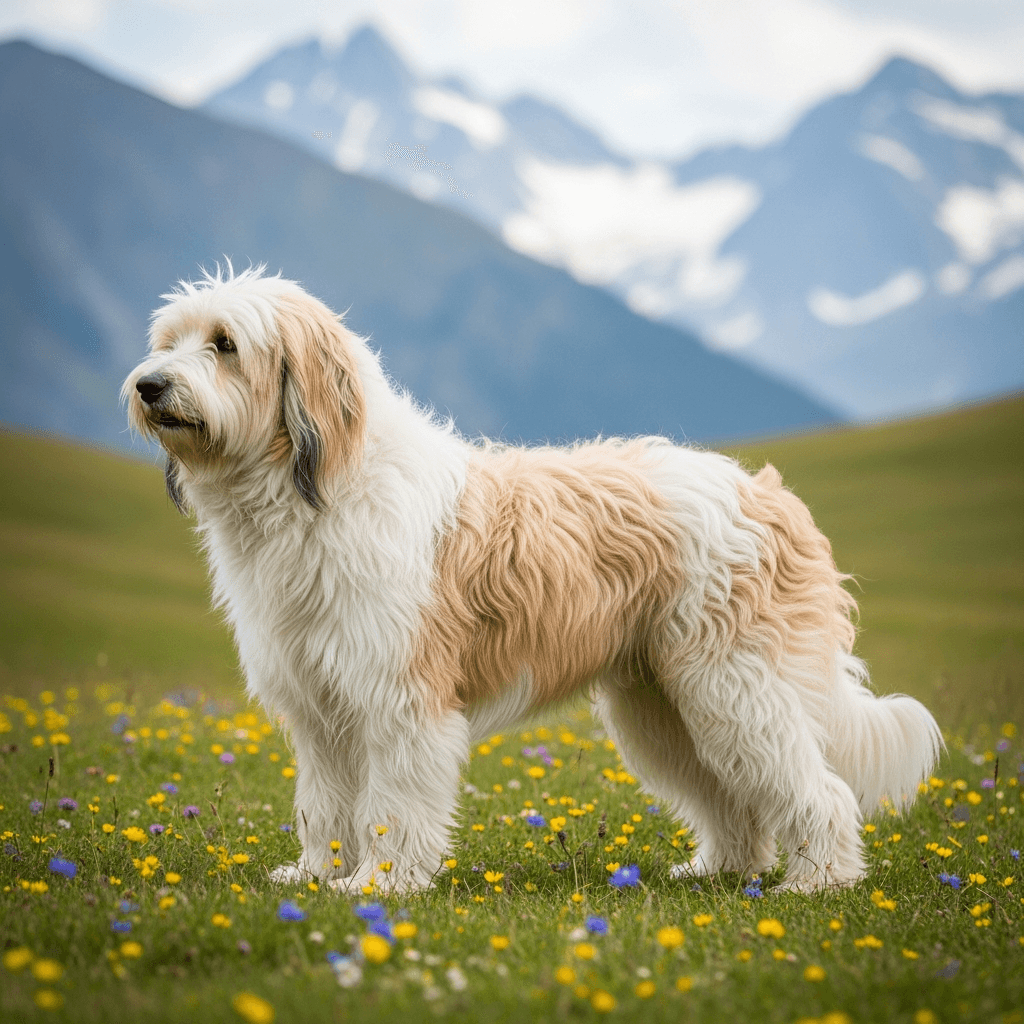
Long-haired Pyrenean Shepherd
FCI Group
1• FCI 141
Size
Small
Origin Country
FR
Height
40-48 cm
Weight
8-10 kg
Lifespan
13-15 years
Temperament
Overview
The long-haired Pyrenean Shepherd, also known as Chien de Berger des Pyrénées à Poil Long, is a unique dog breed that has amazed with its versatility and extraordinary character traits for centuries. It originates from the picturesque regions of the French Pyrenees, where its skills as a herding dog have been refined over the years. Although its small size may be misleading – standing only 40-48 cm at the shoulder – maximum energy contained in minimum size perfectly describes this breed.
Thanks to its intelligence and extraordinary energy, the long-haired Pyrenean Shepherd has become an indispensable helper for shepherds, performing tasks with precision and commitment that surpass many larger breeds. Its long, dense coat is not just an ornament – it is a functional element that protects against the variable weather conditions of the mountainous Pyrenean pastures. Regardless of rain, wind, or scorching sun, this dog is always ready for action, making it an incredibly resilient worker.
What distinguishes this breed the most is its deep loyalty to its owner combined with an independent nature. The Pyrenean Shepherd is a vigilant and brave dog, making it an excellent guardian. In interactions with strangers, it may show reserve, which only emphasizes its protective nature – a key trait for a herding dog. However, it is important to remember that proper socialization from puppyhood is essential for it to fully develop as a balanced and confident companion.
For those leading an active lifestyle, the long-haired Pyrenean Shepherd is an ideal partner for shared adventures. Its need for exercise is significant, and mental stimulation is necessary to maintain its mental balance. Long walks, outdoor play, canine sports, and tasks that engage the mind are keys to its happiness. This breed typically lives 13-15 years, ensuring a long-lasting friendship with this exceptional dog. Deciding to welcome a long-haired Pyrenean Shepherd into your family is an investment in a loyal, energetic companion who will bring dynamism, joy, and unforgettable moments to everyday life.
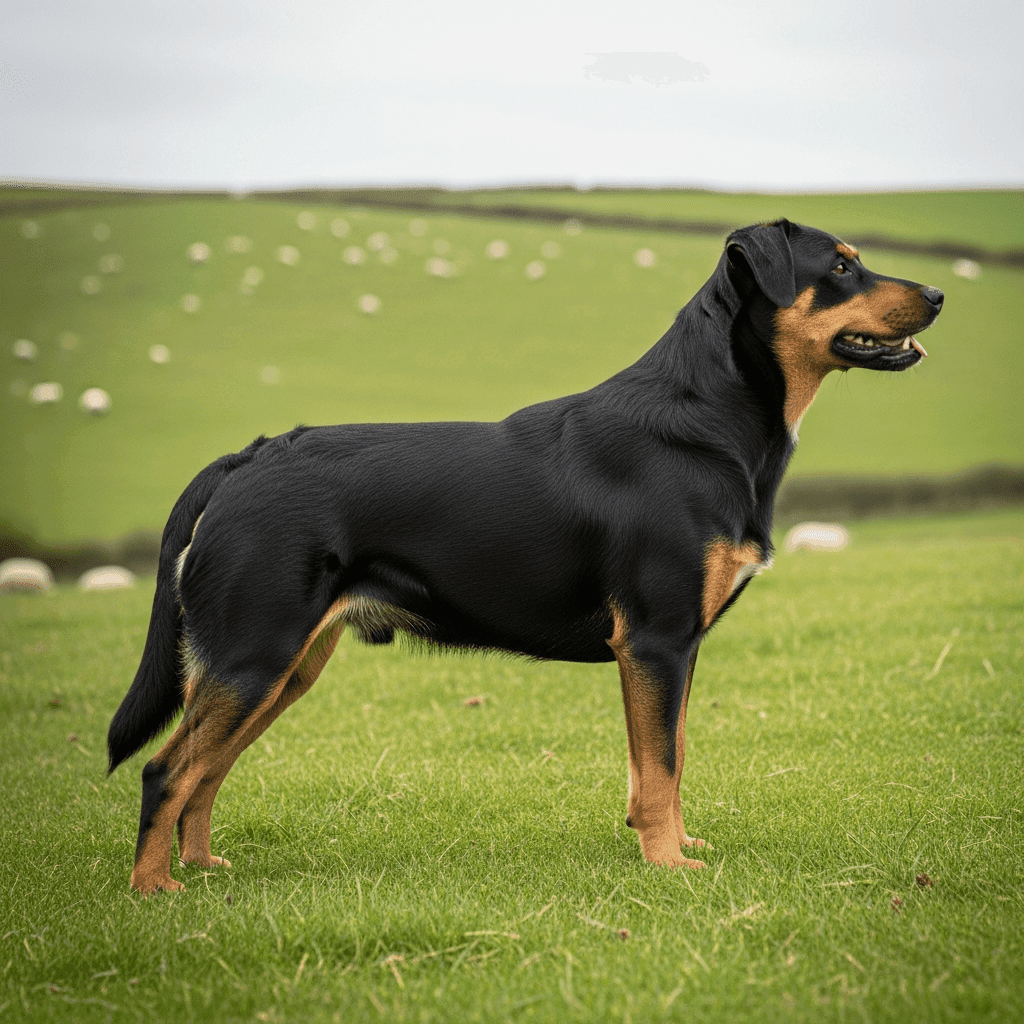
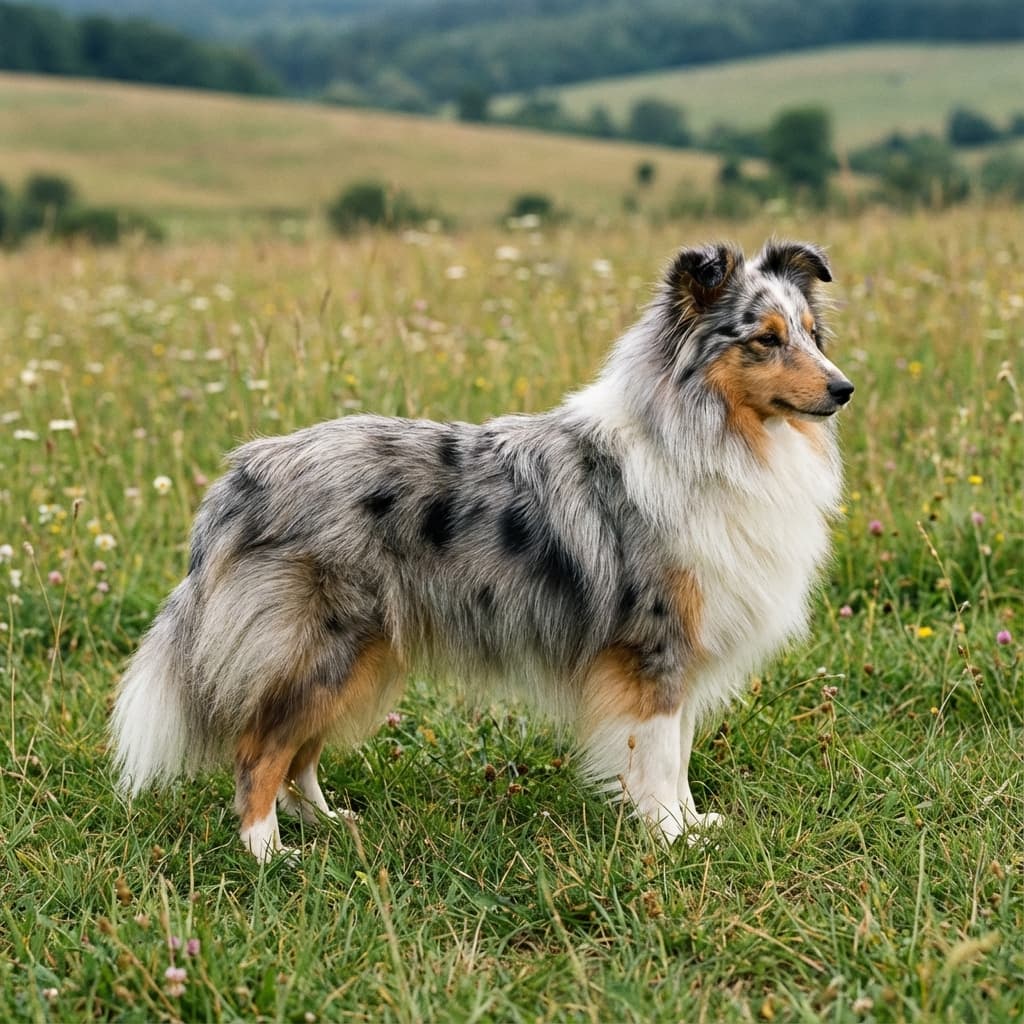
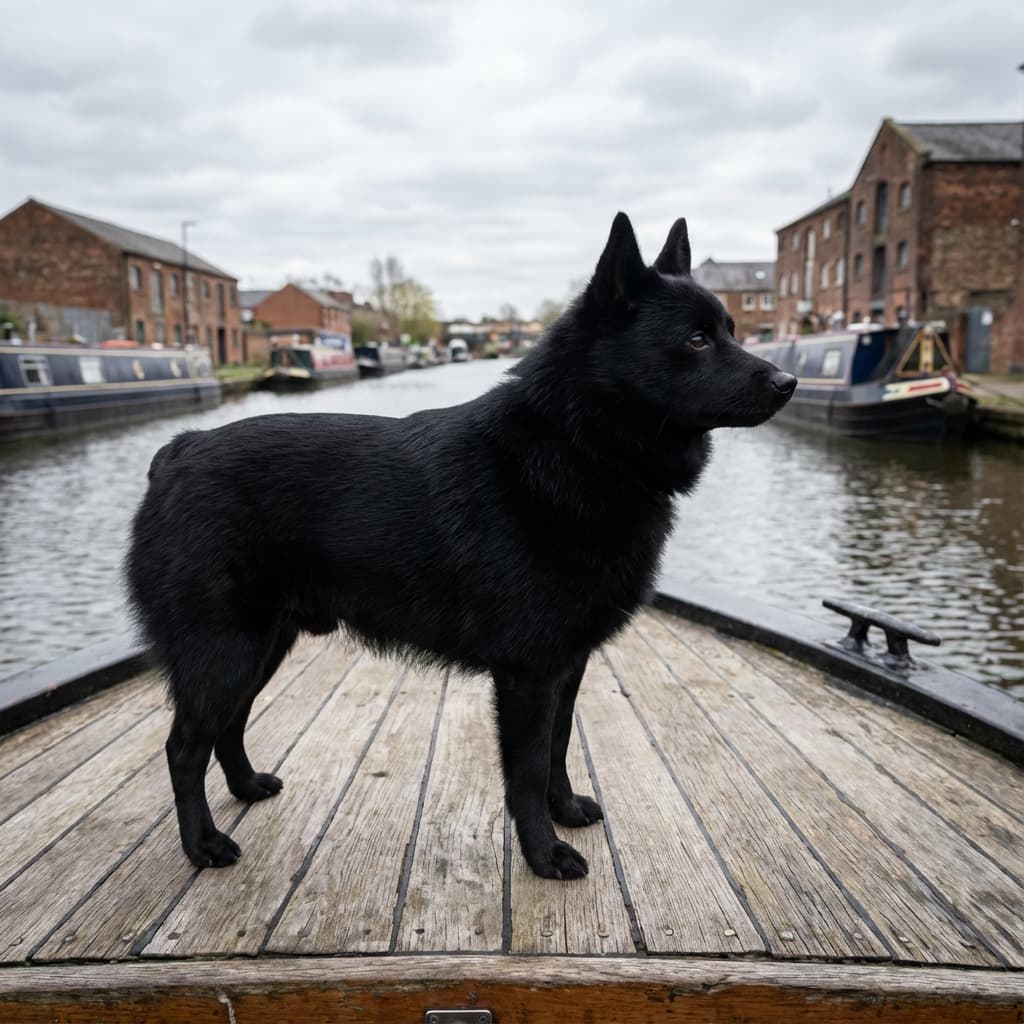
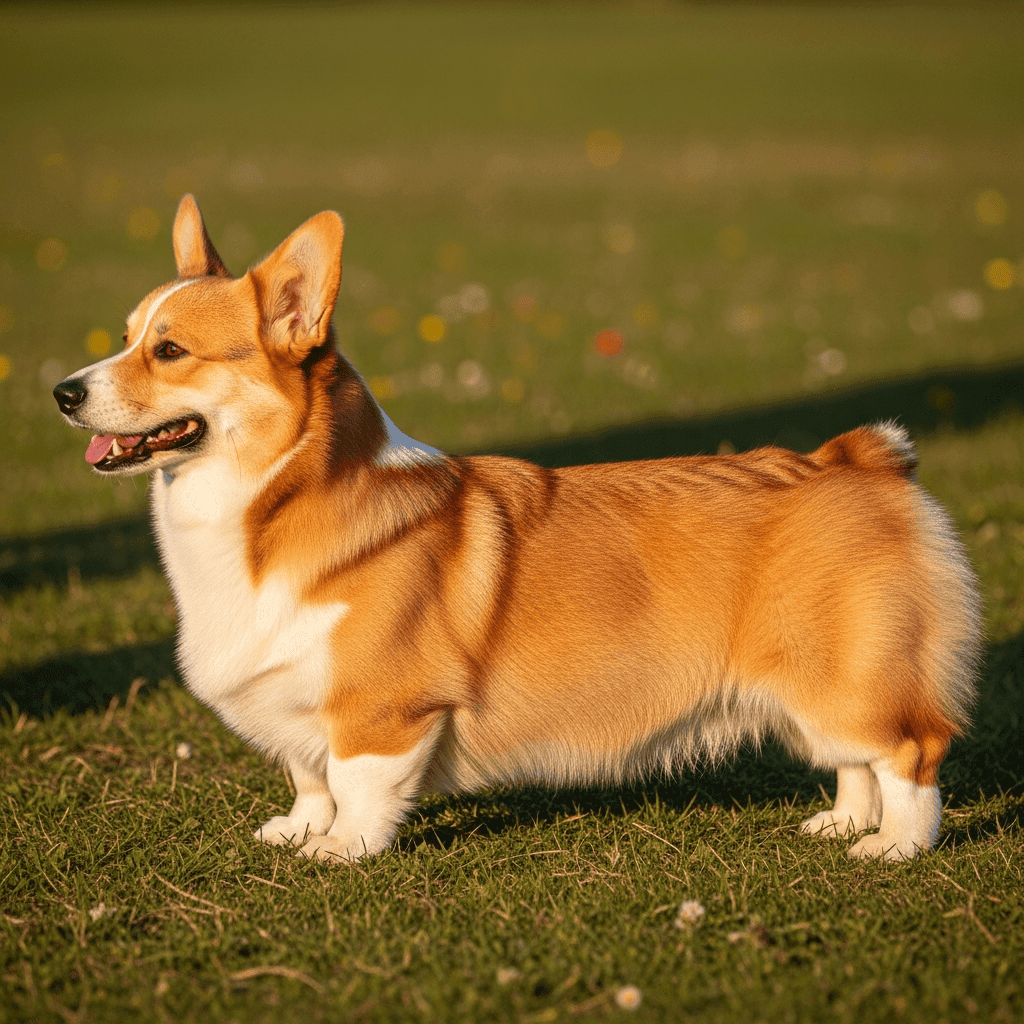
The long-haired Pyrenean Shepherd is a dog with a distinctive appearance that perfectly reflects its origins as a herding dog from mountainous regions. Its build is agile, proportional, and full of harmony, making it exceptionally mobile and efficient in the field.
Dimensions and proportions: The height at the withers usually ranges from 40 to 48 cm, with a weight of about 8-10 kg. Despite its small size, this dog presents itself as compact and strongly built. An important characteristic is the ratio of body length to height – the dog is slightly longer than it is tall, which gives it stability during work.
Head and expression: The head has a characteristic triangular shape with a medium-sized skull, almost flat, with a slight rounding on the sides. The ratio of muzzle length to skull is about 2:3, which gives it a harmonious appearance. The eyes are expressive, almond-shaped, dark brown, full of intelligence and alertness. The characteristic alert expression is one of the most recognizable features of the breed. The ears are short, triangular, and very mobile, set high on the top of the skull, emphasizing the dog's constant state of readiness.
Body structure: The torso is strong and well-muscled. The neck is distinct, strong, with a well-defined withers. The back is straight, with short and muscular loins. The chest is moderately developed, reaching to the elbows. The front limbs are straight and strong, while the hind limbs are well-muscled with clear angles. This structure provides the dog with exceptional agility and endurance during work.
Coat and coloration: The coat of the long-haired Pyrenean Shepherd is long, dense, and resistant to adverse weather conditions, allowing it to work in rain, wind, and sun. The hair is medium or long, smooth or slightly wavy, forming a rich mane around the neck. The coloration can be diverse – from gray-silver, through fawn, to black. Some individuals may have white markings on the chest, limbs, or head.
Tail: The tail is well-furred, set low, relatively short, often ending in a hook shape. It can be naturally or artificially docked, which is permissible in the breed standard.
The long-haired Pyrenean Shepherd is a dog with a complex and fascinating temperament, combining energy, intelligence, and deep loyalty. The FCI standard describes this breed as demonstrating maximum nervous energy in a minimum size – and this statement perfectly captures the essence of its character.
Basic traits: This breed is known for its courage, alertness, and independence. Pyrenean Shepherds have a natural tendency to be wary of strangers, which is a desirable trait in a herding and guarding dog. However, this requires careful socialization from a young age to ensure that the dog is not overly fearful or aggressive but maintains a healthy reserve towards unfamiliar people.
In the family: Among its family, the long-haired Pyrenean Shepherd is a remarkably devoted and affectionate companion. Its attachment to the owner is deep and lasting. It is very sensitive to its caregiver's emotions, responding to tone of voice and intonation, which makes building a bond with this dog extremely rewarding. It thrives in families where it can actively participate in daily life.
Intelligence and stubbornness: The Pyrenean Shepherd is a highly intelligent breed that quickly learns new commands and situations. However, this intelligence comes with independence and sometimes stubbornness – this dog can make decisions on its own, which was essential during herding work. Training requires consistency but also an understanding of its independent nature.
Activity level: This is a breed with a very high energy level that needs both physical and mental stimulation. Without the appropriate amount of exercise and tasks to perform, it may exhibit behavioral problems such as excessive barking, destructiveness, or hyperactivity. Regular, intense exercise and mentally engaging activities are absolutely essential.
Barking and alertness: The long-haired Pyrenean Shepherd has a natural tendency to bark alarmingly – it informs about everything happening in its surroundings. This trait, valuable in a guarding dog, requires proper direction during training to prevent it from becoming a nuisance.
Socialization: The key to a balanced temperament is early and intensive socialization. The dog should be exposed to various people, animals, environments, and situations from a young age. This will help develop its confidence and appropriate responses to external stimuli.
The long-haired Pyrenean Shepherd is a breed known for its good health and longevity. The average lifespan ranges from 13 to 15 years, making it one of the more resilient breeds of herding dogs. However, like any breed, it has its specific health predispositions that the owner should be aware of.
General resilience: This breed is relatively resistant to many ailments. Its history as a working dog in harsh mountain conditions has led to natural selection favoring endurance and health. Proper nutrition and regular physical activity are crucial for maintaining this natural condition.
Skin problems: Due to their dense, long fur, Pyrenean Shepherds can be prone to dermatological issues, such as demodicosis (a parasitic disease caused by mites) or hot spots (acute focal dermatitis). The long coat can also promote the accumulation of dirt, moisture, and external parasites, so regular grooming and skin condition checks are essential.
Weight control: The long-haired Pyrenean Shepherd tends to gain weight if not provided with adequate exercise and a properly balanced diet. Overweight can lead to joint and circulatory problems, so regular body condition monitoring is advisable.
Hip dysplasia: Although not the most common issue in this breed, it is worth paying attention to joint health, especially in very active dogs. Proper nutrition during the growth period and avoiding excessive strain in young dogs can minimize the risk.
Weather resistance: The breed shows great resistance to cold due to its thick, long fur, allowing it to survive in harsh weather conditions. However, during hot periods, caution should be exercised – these dogs can be sensitive to overheating. Intense exercise should be limited on hot days, and access to shade and fresh water should be ensured.
Prevention: Regular veterinary visits, up-to-date vaccinations, deworming, and protection against external parasites are fundamental to maintaining health. Annual check-ups, especially in older dogs, allow for early detection of potential health issues.
Recommendations for breeders: Choosing a puppy from a responsible breeder who conducts health tests on the parents and cares for the genetics of the line significantly increases the chances of a long, healthy life for the dog.
Grooming a long-haired Pyrenean Shepherd, while it may seem demanding, is not complicated with the right regularity. The key is consistency and systematic care for the breed's characteristic long fur.
Brushing: The fur of the Pyrenean Shepherd is dense, long, and weather-resistant, with a natural tendency to self-clean. However, regular brushing is essential to keep the coat in excellent condition and to prevent matting and tangles. It is recommended to brush at least once a week during normal periods, while during shedding seasons – spring and autumn – daily brushing becomes necessary.
Grooming tools: Using the right tools significantly eases the task. The following are recommended:
- A brush with stiff, natural bristles – for daily brushing
- A comb with long teeth – for detangling
- An undershedding rake – a special tool for removing undercoat during shedding
- A slicker brush – for gently removing dead hair
Bathing: The long-haired Pyrenean Shepherd does not require frequent baths – its natural coat has self-cleaning properties. Bathing should be done only when truly necessary, when the dog is heavily soiled or smells. Bathing too frequently can destroy the natural protective layer of the coat. During baths, mild shampoos designed for long-haired dogs should be used.
Ear care: Regularly, at least once a week, the dog's ears should be checked to ensure there are no parasites, excess dirt, or signs of inflammation. The ears should be clean, pink, and free of unpleasant odors. If necessary, they can be gently cleaned with a cotton ball moistened with a special ear care solution.
Oral hygiene: Taking care of the teeth is important, as oral health affects the overall health of the dog. It is recommended to brush the teeth regularly (ideally 2-3 times a week) with a special toothbrush and toothpaste for dogs. Dental chews can also be used to help mechanically remove tartar.
Nail trimming: Nails should be checked regularly and trimmed if necessary. If the dog actively runs on hard surfaces, the nails may wear down naturally. Otherwise, they should be trimmed every 3-4 weeks, being careful not to damage the blood vessel.
Skin check: While brushing, it is worth checking the condition of the skin – for any tangles, irritations, parasites, or other concerning changes. Early detection of problems allows for quick intervention.
Special notes: After walks in the field, the coat should be checked for ticks, grass seeds, or other debris that may have gotten tangled. The areas between the toes also require inspection, as mud and debris can accumulate there.
The long-haired Pyrenean Shepherd is a dog breed that requires a large amount of exercise and physical activity. As a herding dog, it was created for intensive work in difficult mountainous conditions, which means its energy and need for movement are extremely high.
Daily needs: The minimum amount of activity is 60-90 minutes a day, but for most long-haired Pyrenean Shepherds, this is still not enough. Ideal are long, varied walks with the opportunity to run freely (in a safe, fenced area). Ordinary walks around the neighborhood will not satisfy the needs of this breed – the dog requires intense movement that engages both body and mind.
Canine sports: The long-haired Pyrenean Shepherd is a great candidate for canine sports that not only provide physical activity but also mental stimulation:
- Agility – an excellent way to utilize natural agility and intelligence
- Obedience – helps develop obedience and concentration
- Treibball – an activity reminiscent of herding work, natural for this breed
- Flyball – a dynamic game that engages speed and coordination
- Nosework – scent work perfectly stimulates the mind
Diversity of activities: Owners should provide their dog with varied forms of activity to prevent boredom and behavioral problems. Without the appropriate amount of exercise, the long-haired Pyrenean Shepherd can become destructive, hyperactive, and develop undesirable behaviors such as excessive barking or compulsive running around the yard.
Mental stimulation: Just as important as physical activity is mental work. This dog needs tasks to perform, problems to solve. These can include:
- Scent motivation games (searching for treats, scent trails)
- Puzzles and interactive toys
- Learning new commands and tricks
- Obedience training with problem-solving elements
Age adjustment: It is important to adjust the intensity and type of activity to the age, health, and condition of the dog. Puppies should not be overloaded with long, intense exercises that could damage their developing joints. Young dogs up to one year old should have shorter but more frequent activity sessions. Older dogs may require gentler forms of movement but still need regular activity.
Field trips: It is worth taking the shepherd on field trips, where it can explore diverse environments – forests, meadows, mountains. This is extremely stimulating for a dog of herding descent, which loves open spaces and natural stimuli.
Weather conditions: The breed tolerates cold, rain, and wind well due to its thick coat. However, during hot periods, it is necessary to adjust activity – avoid the hottest hours of the day, provide access to shade and water, and shorten intense exercises to avoid overheating the dog.
Benefits of regular exercise: Regular, intense exercise not only helps keep the dog in excellent physical condition but also:
- Positively affects mental health
- Reduces behavioral problems
- Strengthens the bond between the dog and the owner
- Ensures a healthy weight and good musculoskeletal condition
- Extends the dog's lifespan
Training a long-haired Pyrenean Shepherd can be a challenge, but with the right approach, it brings immense satisfaction and builds a deep bond between the dog and the owner. This breed combines intelligence with independence, which requires a specific training approach.
Intelligence and stubbornness: The Pyrenean Shepherd is a remarkably intelligent breed that quickly understands commands and situations. However, this intelligence comes with independent thinking – a trait that was essential during independent herding work. This dog can make its own decisions and does not always follow commands without question. This requires the owner to be consistent, but also to understand this natural character trait.
Early socialization: Socialization is absolutely crucial for this breed. It should begin as early as possible, starting from the 8th week of life. The puppy should:
- Meet different people – adults, children, individuals in various outfits
- Encounter other animals – dogs, cats, farm animals
- Experience various environments – city, forest, stores, parks
- Get used to different sounds – traffic, trains, farm noises
- Familiarize with various surfaces – grass, asphalt, bridges, stairs
Training methods: Owners should use consistent but gentle positive reinforcement methods. The long-haired Pyrenean Shepherd responds excellently to:
- Treat rewards – used as motivation during learning
- Verbal praise – the dog is very sensitive to the owner's tone of voice
- Play as a reward – a favorite toy can be an excellent reinforcement
- Short, frequent sessions – better than long, exhausting training
Basic commands: It is worth teaching the dog standard obedience commands:
- Sit, Lie down, Stay
- Come – especially important due to the independent nature
- Leave it, No
- Walking on a loose leash
Regularity of training: This dog needs regular training sessions to maintain the acquired knowledge and skills. Too long a break in training can result in forgetting commands or developing undesirable habits. Ideally, training should be incorporated into the daily routine – short 10-15 minute sessions 2-3 times a day.
Mental stimulation: Just as important as teaching commands is providing mental tasks. This breed loves:
- Learning new tricks (shake, spin, play dead)
- Scent games and tracking
- Puzzles and interactive toys
- Problem-solving tasks (opening doors, finding hidden objects)
Training challenges: The main difficulties are:
- Independence – the dog may ignore commands if it does not see the point in following them
- Easy distractions – high energy can make concentration difficult
- Tendency to bark – requires direction and control
- Reservation towards strangers – requires intensive socialization
Professional help: Owners, especially those with less experience, can benefit from group classes for puppies or consultations with a behaviorist. Professional classes provide not only learning but also socialization with other dogs.
Building bonds: The right approach to training will ensure that the shepherd becomes not only obedient but also satisfied with cooperating with the owner. Training based on trust and positive experiences will contribute to building a strong, lasting bond between the dog and the human – the foundation of a happy life together.
The diet of the long-haired Pyrenean shepherd is crucial for its health, condition, and longevity. Due to its high physical activity and intense metabolism, this dog requires carefully balanced nutrition that provides all the essential nutrients.
Caloric requirements: The long-haired Pyrenean shepherd, being a dog with a high energy level, needs an appropriate amount of calories. The exact requirement depends on:
- Age (puppies and young dogs have higher needs)
- Activity level (working or sporting dogs require more)
- Body condition (overweight dogs require calorie reduction)
- Health status and individual metabolism
High-quality food: Owners should choose premium or super premium foods that provide:
- High protein content (minimum 25-30%) from high-quality sources – meat, fish
- Healthy fats (15-20%) that provide energy and support skin and coat health
- Moderate amount of carbohydrates from whole grain sources
- Vitamins and minerals that support proper body function
- Omega-3 and omega-6 fatty acids for healthy skin and a shiny coat
Type of food: Options include:
- Dry food – convenient, economical, helps mechanically clean teeth
- Wet food – tasty, hydrating, easier to digest
- BARF diet (raw meat and bones) – natural but requires knowledge of balancing
- Homemade diet – cooked meat with vegetables, requires consultation with a veterinarian
Weight control: The long-haired Pyrenean shepherd tends to gain weight if not sufficiently active or if it receives too many calories. Overweight is dangerous – it leads to joint problems, cardiovascular issues, and shortens lifespan. Owners should:
- Regularly monitor weight and body condition
- Adjust portions to the current activity level
- Limit treats to a maximum of 10% of daily caloric intake
- Avoid feeding table scraps
Feeding frequency: It is recommended to feed twice a day – in the morning and evening. Dividing the daily portion into two meals:
- Prevents the feeling of overeating
- Reduces the risk of gastric torsion (though rare in this breed)
- Maintains stable energy levels throughout the day
- Helps with regular bowel movements
Hydration: Fresh water should be always available, especially after intense activity. Proper hydration is crucial for:
- Regulating body temperature
- Proper kidney function
- Digestion
- Overall health and condition
Dietary supplements: In some cases, supplements may be recommended:
- Fish oil (omega-3) – for healthy skin and coat
- Glucosamine and chondroitin – for joint health, especially in older dogs
- Probiotics – for digestive health
- Vitamins – only if the food does not provide them in sufficient amounts
Puppy nutrition: Pyrenean shepherd puppies require special puppy food for small or medium breeds that supports proper development. They should be fed 3-4 times a day until 6 months of age, after which they can transition to 2 meals per day.
Senior nutrition: Older dogs (over 8-10 years) may require senior food with lower calories but higher content of ingredients supporting joint health and cognitive functions.
Special notes: During hot weather, it is advisable to avoid feeding before intense exercise to reduce the risk of stomach problems. It is best to feed the dog at least an hour before or after activity.
Prohibited products: Never give your dog:
- Chocolate, coffee, tea (toxic)
- Grapes and raisins (damage kidneys)
- Onions and garlic (destroy red blood cells)
- Avocado, macadamia nuts
- Chicken and fish bones (can cause choking)
Characteristic Traits
Pros
- High intelligence and ability to learn quickly
- Excellent companion for active families
- Longevity and good health condition
- Great guard dog and alert
- Versatility – suitable for many canine sports
- Deep loyalty to the family.
Cons
- Requires careful upbringing due to its independent nature
- Distrust of strangers necessitates intensive socialization
- Needs a large amount of exercise and mental stimulation
- Can be stubborn in training
- Tendency to excessive barking without proper direction
- Not suitable for people leading a sedentary lifestyle.
Behavioral Ratings
Breed History
The long-haired Pyrenean shepherd has a long and fascinating history, dating back centuries when it was an invaluable assistant to shepherds in the harsh mountainous terrain of the French Pyrenees. This breed, also known as Chien de Berger des Pyrénées à Poil Long, developed in geographical isolation, which shaped its unique characteristics and distinctive appearance.
Origin and development: The history of the breed is somewhat unclear and shrouded in legend, but it is widely believed that Pyrenean shepherds are descendants of Asian herding dogs that arrived in Europe with migrating tribes. Over the centuries, this breed evolved in the harsh conditions of the Pyrenees, where it had to cope with the severe climate, difficult terrain, and demanding herding work.
Local diversity: Over the years, in the isolated valleys of the Pyrenees, various local types of Pyrenean shepherds developed, differing in size, coat length, and type. This explains why the breed standard allows for some diversity in appearance. However, despite these differences, the character and temperament have remained unchanged – courage, intelligence, independence, and devotion have always been key traits of this breed.
Working function: Pyrenean shepherds were used by shepherds to herd and guard sheep flocks on mountain pastures. Their small size, agility, and intelligence made them ideal for this work. They could make decisions independently, work long hours in difficult conditions, and remain vigilant against potential threats to the flock.
Official recognition: Despite their long history as working dogs, the long-haired Pyrenean shepherd was virtually unknown in the official canine world until the early 20th century. The breed originated from poor, rural environments and did not attract the attention of urban breeders or canine enthusiasts.
First standard: The first official breed standard was developed between 1921 and 1925 by Bernard Sénac-Lagrange, a pioneer in promoting and preserving this breed. His work was a milestone in recognizing the Pyrenean shepherd as a distinct, valuable breed.
Development of the standard: The standard was then modified under the leadership of subsequent breed club presidents:
- Charles Duconte (1954-1986) – continued the work on standardizing the type
- Guy Mansencal (1986-2000) – developed the breed and its popularity
- Alain Pécoult (since 2000) – in close collaboration with Raymond Triquet since 2001, introduced modern standards
Military role: During World War I, Pyrenean shepherds were used by the French army as liaison and search dogs. Their intelligence, agility, courage, and ability to make decisions independently proved invaluable in wartime conditions. This service highlighted the versatility of the breed and helped its recognition beyond pastoral areas.
Modernity: Today, the long-haired Pyrenean shepherd is a valued breed in many countries, although it remains relatively rare outside France. Its unique appearance – long, dense fur, distinctive facial expression, agile build – and temperament make it a desirable companion for both families leading active lifestyles and individuals involved in canine sports.
Heritage preservation: Despite its growing popularity as a family dog, many long-haired Pyrenean shepherds still work as herding dogs in the French Pyrenees, continuing the tradition of their ancestors. Breeders strive to preserve not only the characteristic appearance but above all the working traits – intelligence, independence, energy, and herding instinct – that make this breed unique.
International recognition: The breed is officially recognized by the FCI (Fédération Cynologique Internationale) in Group 1, Section 1 (herding dogs), confirming its status as an authentic, historical working dog. The FCI standard emphasizes that despite the diversity in appearance, the behavior and character of this breed have never changed – they remain true to their herding heritage.