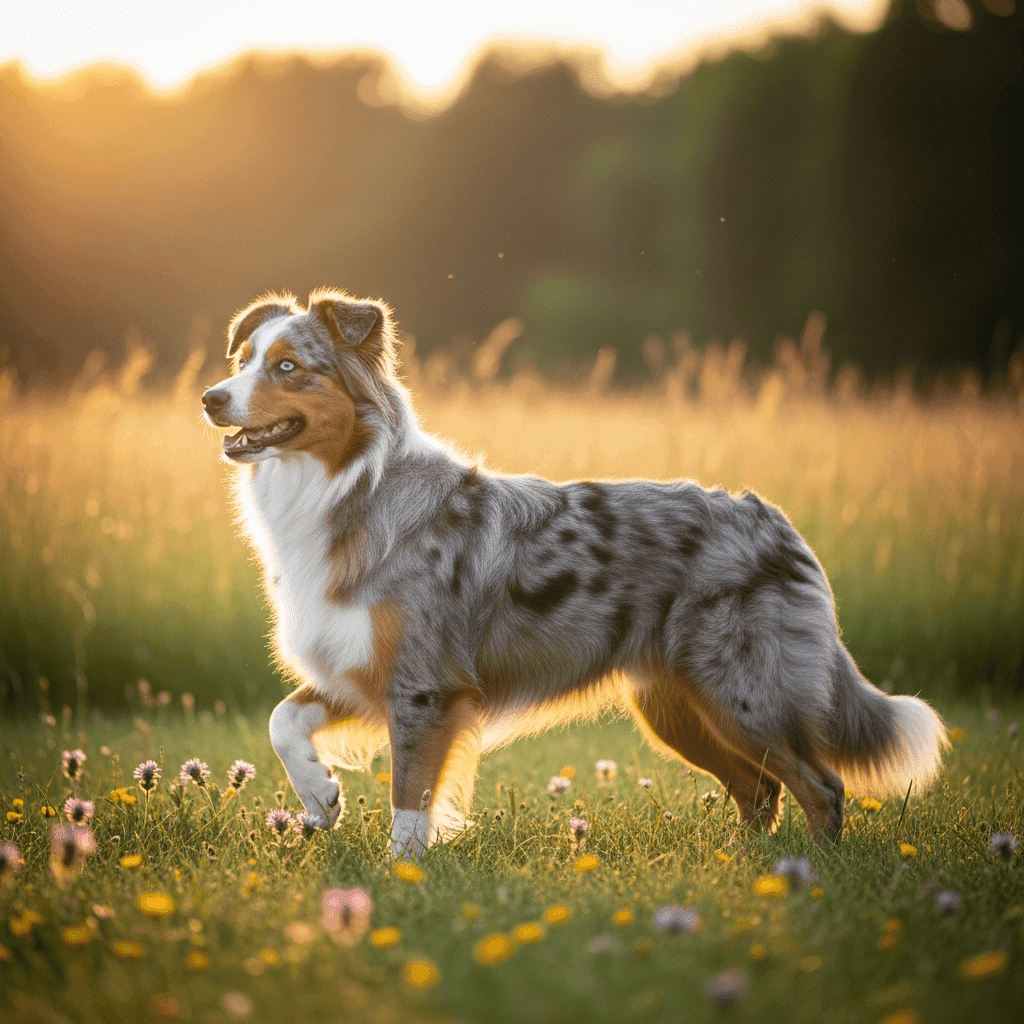
American Miniature Shepherd
FCI Group
1• FCI 367
Size
Medium
Origin Country
XX
Height
33-46 cm
Weight
13-23 kg
Lifespan
12-15 years
Temperament
Overview
American Miniature Shepherd is a breed that has quickly captured the hearts of dog lovers around the world. It was developed in California in the late 1960s as a smaller version of the Australian Shepherd. From the beginning, breeders focused on maintaining small size while ensuring high intelligence, an active character, and versatility of this extraordinary breed.
Despite its compact size, the American Miniature Shepherd is a true working dog with the heart of a lion. It excels at working with smaller livestock, such as sheep or goats, but its determination also allows it to handle much larger animals. This versatility has quickly earned the breed recognition not only among farmers but also among equestrians who appreciate their intelligence, loyalty, and practical size – ideal for both work and as a travel companion to equestrian events.
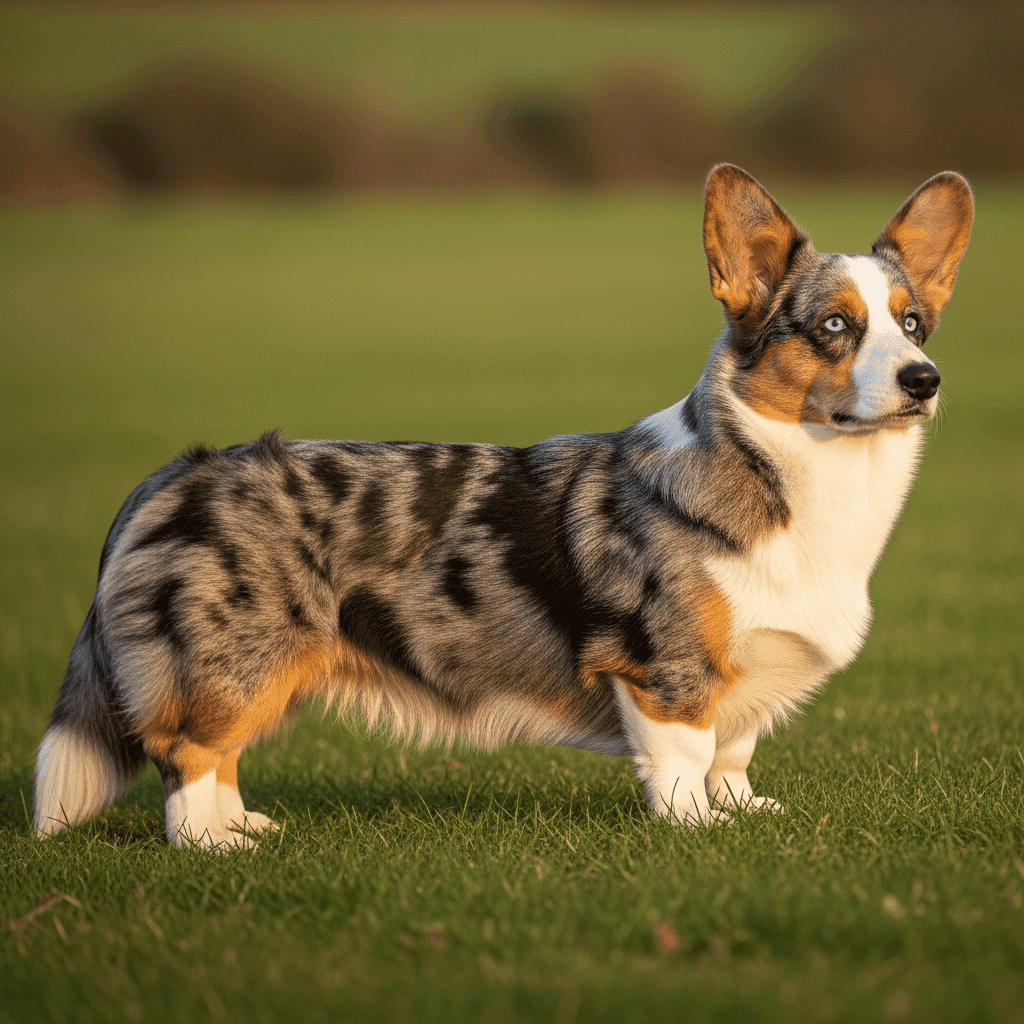
The characteristic medium-length double coat provides protection against various weather conditions, and the variety of colors – from black, through blue merle, to brown (red) and red merle – makes each individual unique. The proportional body structure and harmonious, fluid movements highlight the athletic nature of this breed.
Although American Miniature Shepherds are energetic and active, they love close contact with their family and enjoy spending time with people. They are friendly but somewhat reserved towards strangers, making them vigilant guardians. To avoid boredom and behavioral issues, they require regular stimulation both physically and mentally – making them ideal for active families who can provide them with the right amount of exercise, play, and intellectual challenges.
In the following sections of our guide, you will find detailed information about the appearance, character, health, grooming, training, nutrition, and fascinating history of this unique breed.
The American Miniature Shepherd is a small yet harmoniously built herding dog, standing between 33 to 46 cm at the withers. Its silhouette is proportional, with the body length slightly exceeding the height measured at the withers. The breed is characterized by a strong but not massive build – the dog gives the impression of being strong, agile, and athletic.
The head is of moderate size, with a flat or slightly rounded skull. The eyes are almond-shaped and set obliquely, giving the dog a distinctive alert and intelligent expression. They can be in various colors – brown, blue, amber, or combinations thereof, as well as with heterochromia (different colored irises). The ears are triangular, moderately large, and set high on the head, which further emphasizes the breed's alertness.
The coat is of medium length, double-layered, providing excellent protection against weather conditions. The undercoat is soft, while the outer coat is smooth or slightly wavy. The coat colors include four basic patterns:
- Black (solid black)
- Blue merle (blue merle)
- Red/brown (red)
- Red merle (red merle)
All varieties may occur with white or tan markings.
The tail can be naturally short or docked, and its position in motion is dynamic. American Miniature Shepherds move with remarkable lightness and harmony – their gait is fluid, efficient, and full of grace, highlighting their sporty character. Their attractive appearance and charming expression make these dogs eye-catching and popular choices not only as hardworking helpers but also as companion dogs.
The American Miniature Shepherd is a dog with a unique temperament that combines intelligence, energy, and openness to new challenges. A strong herding instinct makes it excel both as a working dog and as a companion dog – always ready for action and work.
Loyalty and devotion to family are among the most characteristic traits of this breed. American Miniature Shepherds have a deep need for closeness with people and love to be part of family life. Although they are reserved towards strangers, they are not fearful – their alertness and attention make them excellent guard dogs that will always signal the presence of outsiders.
Thanks to their high intelligence and willingness to cooperate, American Miniature Shepherds are extremely easy to train. They quickly learn new commands, tasks, and sequences, which makes them excel in canine sports such as agility, obedience, or frisbee. Their natural instinct to work means they eagerly take on various challenges.
This breed is also very social – they get along well with other dogs and household pets, especially when properly socialized from a puppy. However, it is important to remember that due to their strong herding instinct, they may try to herd or direct children and other animals – this is a natural behavior that requires control and proper training.
Regular mental and physical stimulation is absolutely crucial for the well-being of the American Miniature Shepherd. A lack of appropriate activities can lead to boredom, frustration, and behavioral problems such as excessive barking or destruction of objects. Therefore, it is essential to provide them with daily challenges – from long walks and playtime to learning tricks and scent exercises.
The American Miniature Shepherd is generally a healthy and resilient breed; however, like any breed, it may be prone to certain genetic and acquired health issues. Awareness of potential health problems allows owners to take appropriate preventive measures and detect diseases early.
The most common health issues occurring in American Miniature Shepherds include:
- Hip Dysplasia (HD) – an orthopedic condition involving improper development of the hip joint, which can lead to pain and mobility problems
- Ophthalmic issues – including cataracts, progressive retinal atrophy (PRA), Collie eye anomaly (CEA), and retinal dysplasia
- Drug Sensitivity (MDR1) – a genetic mutation causing hypersensitivity to certain veterinary medications; genetic testing is recommended
- Epilepsy – seizures may occur in some individuals
- Skin problems – allergic dermatitis or hypersensitivity to environmental stimuli
Health prevention includes regular veterinary visits, annual check-ups, and appropriate vaccinations. It is also advisable to conduct genetic testing with the breeder before purchasing a puppy to minimize the risk of hereditary conditions.
This breed has a tendency to obesity, so it is crucial to provide adequate physical activity and avoid overfeeding. Regular weight checks and adjusting the diet to the dog's activity level will help maintain a healthy condition throughout its life.
With proper care, a healthy diet, and regular exercise, American Miniature Shepherds can enjoy a long and happy life. The average lifespan is between 12 to 15 years, making them wonderful companions for many years.
The American Miniature Shepherd has a medium-length, double coat that requires regular grooming to keep it in excellent condition. The undercoat is dense and soft, while the outer coat is smooth or slightly wavy, providing protection against various weather conditions.
Brushing should be done at least 2-3 times a week to remove dead hair, prevent matting, and maintain a healthy appearance of the coat. During heavy shedding periods – in spring and autumn – daily brushing may be necessary to minimize the amount of hair falling in the house. It is advisable to use brushes with metal teeth and undercoat combs.
Bathing should only be done as needed – usually a few times a year or when the dog is visibly dirty. Over-bathing can strip the natural oils from the skin, leading to irritation and dryness. American Miniature Shepherds are generally clean and tend to take care of their hygiene themselves.
Additional grooming includes:
- Ears – should be checked and cleaned regularly to prevent infections, especially in dogs that are active outdoors
- Eyes – checking the eyes for redness, discharge, or irritation
- Nails – trimming every 3-4 weeks or when you can hear a characteristic clicking on the floor while walking
- Teeth – regular tooth brushing (2-3 times a week) will help prevent tartar buildup and gum disease
Regular grooming not only improves the dog's appearance but also allows for the early detection of potential skin problems, parasites, or other abnormalities. This way, the American Miniature Shepherd will feel comfortable and look great.
The American Miniature Shepherd is an energetic and active breed that requires regular doses of exercise and stimulation to maintain physical and mental health. Without proper activity, these dogs can quickly become bored and develop behavioral problems such as destroying objects, excessive barking, or disobedience.
The minimum daily activity requirement should be at least 60-90 minutes, but many American Miniature Shepherds will happily spend even more time playing and exercising. Activities should be varied and include:
- Walks – daily vigorous walks, preferably in diverse locations (forest, park, meadows)
- Running – an excellent way to burn off excess energy; an ideal companion for runners
- Fetching – playing with balls, frisbees, or other toys develops coordination and strength
- Swimming – many representatives of the breed love water, and it's a great low-impact exercise
- Hiking – for dogs in good health, it's a fantastic adventure
Mental stimulation is just as important as physical activity. American Miniature Shepherds are intelligent dogs that love intellectual challenges:
- Learning new tricks and commands
- Scent games (hiding treats, scent trails)
- Puzzles and interactive toys
- Obedience and agility exercises
Canine sports are an ideal form of activity for this breed:
- Agility – an obstacle course that perfectly utilizes agility and speed
- Frisbee/Disc Dog – spectacular jumps and acrobatics
- Obedience – precise execution of commands
- Herding – a natural activity for dogs with herding instincts
- Rally Obedience – a combination of obedience and fun
Regular activity not only keeps the dog in excellent physical condition but also between the dog and the owner, providing shared experiences and joy from interaction.
The American Miniature Shepherd is a breed characterized by high intelligence and an innate willingness to work, making it relatively easy to train. These dogs quickly learn new commands and enthusiastically take on various tasks, making training a pleasure for both the dog and the owner.
Training methods:
American Miniature Shepherds respond best to positive reinforcement – rewards in the form of treats, toys, and praise motivate them to cooperate and learn quickly. Physical punishment and harsh methods are completely inadvisable – they can harm the relationship with the dog and trigger undesirable behaviors such as fear or aggression.
Early socialization and training:
Starting training and socialization as early as possible – preferably in the 8-12 week of life – is crucial for proper behavioral development. Early socialization includes:
- Introducing the puppy to various people, dogs, and animals
- Exposure to a variety of sounds, smells, and environments
- Teaching basic commands: Sit, Lie down, Stay, Come, No
- Acclimatizing to different situations (vet visits, car rides, crowds of people)
Mental stimulation during training:
Due to their high intelligence, American Miniature Shepherds need both physical and intellectual challenges. It is worth incorporating into training:
- Learning advanced tricks and command sequences
- Games involving hiding objects (scent training)
- Obedience training in various distracting environments
- Problem-solving exercises (e.g., dog puzzles)
Consistency and patience:
The key to success in training is consistency – all family members should use the same rules and commands. Patience and regular training sessions (short but frequent – 10-15 minutes several times a day) yield the best results.
Canine sports:
The American Miniature Shepherd excels in various sports disciplines such as agility, obedience, frisbee, or herding trials. Participation in such activities not only develops the dog's skills but also provides satisfaction and joy from work.
With a natural talent for learning and a positive attitude, the American Miniature Shepherd is a wonderful companion for those who value intelligence, activity, and a willingness to cooperate in their canine friend.
The diet of a Miniature American Shepherd should be well-balanced and tailored to the dog's age, activity level, and individual health needs. Dogs of this breed are energetic and active, which is why they require an appropriate amount of calories, protein, and nutrients to maintain a healthy condition and muscle mass.
Basic nutrition guidelines:
- High-quality food – choose premium foods that contain high-quality animal protein (chicken, beef, fish), healthy fats, vitamins, and minerals
- Age-appropriate – puppies require puppy food, adult dogs need adult food, and seniors should have senior food
- Consideration of activity level – very active or working dogs may need food with higher protein and calorie content
Weight control – CRITICAL for health:
Miniature American Shepherds have a tendency to obesity, especially when they do not get enough exercise. Obesity leads to a range of health problems, including joint dysplasia, heart disease, and diabetes. Therefore:
- Avoid overfeeding – stick to the recommended portions on the food packaging
- Limit treats – they should not make up more than 10% of the daily caloric intake
- Monitor weight regularly – adjust the amount of food as needed
- Provide regular physical exercise
Type of food:
- Dry food – often recommended because it helps maintain healthy teeth and gums through mechanical cleaning while chewing
- Wet food – can be used as a supplement or main meal, especially for dogs with dental issues
- BARF diet (raw) – some owners choose to feed raw ingredients, but this requires knowledge and consultation with a veterinarian
Water:
Providing constant access to fresh, clean water is absolutely crucial. Active dogs need proper hydration, especially on warm days or after intense exercise.
Introducing new foods:
Any changes in diet should occur gradually, over a period of 7-10 days, to avoid gastrointestinal issues such as diarrhea or vomiting. Gradually increase the proportion of new food while decreasing the amount of the current food.
Special dietary needs:
For dogs with food allergies, skin issues, or other conditions, it is advisable to consult a veterinarian to select a specialized diet. Regular veterinary check-ups will help monitor health status and appropriately adjust nutrition.
Characteristic Traits
Pros
- High intelligence and ease of training
- Versatility and herding abilities
- Loyalty and strong family bond
- Compact size perfect for travel
- Excellent dogs for canine sports.
Cons
- Requires a lot of exercise and mental stimulation
- May be reserved towards strangers
- Needs regular grooming
- Intense shedding in spring and autumn
- Strong herding instinct requires supervision.
Behavioral Ratings
Breed History
The history of the Miniature American Shepherd began in California in the late 1960s when breeders sought to create a smaller version of the popular Australian Shepherd. The main goal of the breeding was to combine small size with high intelligence, an active character, and natural herding abilities – all traits that made the Australian Shepherd such a valued working dog.
Breeders began selectively crossing the smallest individuals of the Australian Shepherd, focusing on preserving all the desired breed traits while simultaneously reducing size. Through careful selection and a thoughtful breeding program, a new breed was stabilized over a few decades, retaining all the advantages of its larger cousin while offering a practical, compact size.
Official breed recognition:
- 1980 – The breed was first registered with the National Stock Dog Registry (NSDR) under the name Miniature Australian Shepherd
- 1990s – The dogs gained immense popularity across the United States and began to be shown at various rare breed dog shows
- 1990 – The establishment of the first breed club – MASCUSA (Miniature American Shepherd Club of the USA), which was officially registered in 1993
- May 2011 – The breed was entered into the AKC Foundation Stock Service under the new name Miniature American Shepherd to distinguish it from the Australian Shepherd
- 2015 – Full recognition by the American Kennel Club (AKC) and assignment to the herding group
Practical applications:
Since its inception, Miniature American Shepherds have been used for herding smaller livestock, such as sheep and goats. Their small size proved to be a huge advantage – the dogs were small enough to easily serve as household pets while still retaining enough strength and determination to handle much larger animals.
They became particularly popular among horseback riders, who appreciated their intelligence, loyalty, and practical size – ideal traits for a companion dog at equestrian events and long journeys. They could travel comfortably in trailers or vehicles while also serving as vigilant guardians and loyal companions.
Modern times:
Today, Miniature American Shepherds are known and valued worldwide – not only in the United States but also in Europe, Asia, and Australia. The breed gained FCI (Fédération Cynologique Internationale) status in 2019 under the patronage of Hungary, which opened doors to international shows and greater global recognition.
Currently, Miniature American Shepherds are eagerly chosen both as working dogs (herding trials, therapy dogs, search and rescue dogs) and as companion dogs for active families. Their versatility, intelligence, and charming character continue to make the breed increasingly popular and well-regarded among dog lovers worldwide.