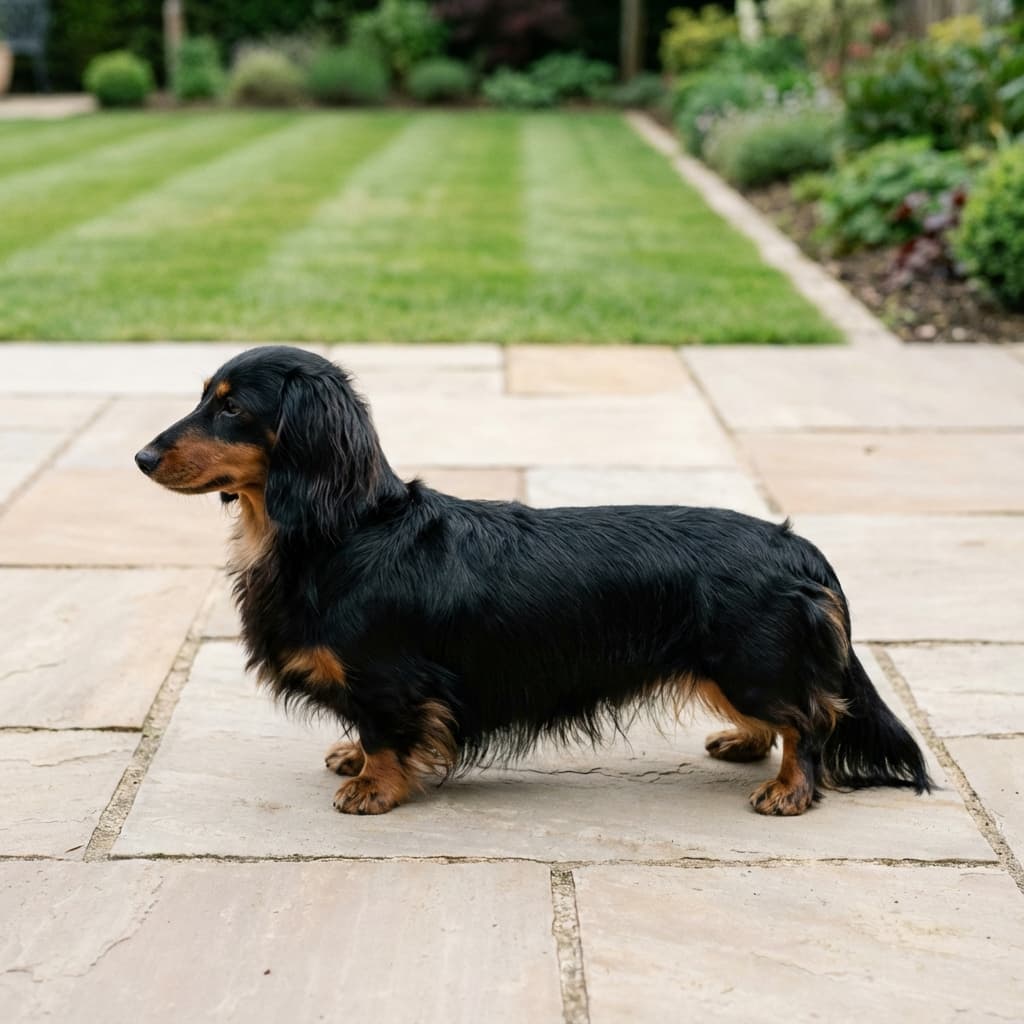
Miniature long-haired dachshund
FCI Group
4• FCI 148B
Size
Small
Origin Country
DE
Height
13-18 cm
Weight
3-6 kg
Lifespan
12-16 years
Temperament
Overview
The long-haired miniature dachshund, also known as Dackel or Teckel, is a breed of extraordinary beauty with a rich history dating back to the Middle Ages. These German hunting dogs have been used for centuries to hunt both ground and underground game. Their distinctive build – short legs, long body, and strong limbs – allows them to easily penetrate narrow burrows, making them indispensable companions for hunters.
Over the centuries, breeders have distinguished three size varieties of dachshunds: standard, miniature, and rabbit, as well as three coat types: short-haired, long-haired, and wire-haired. The long-haired miniature dachshund stands out with its elegant, shiny coat with a soft undercoat, giving it a unique, aristocratic appearance.
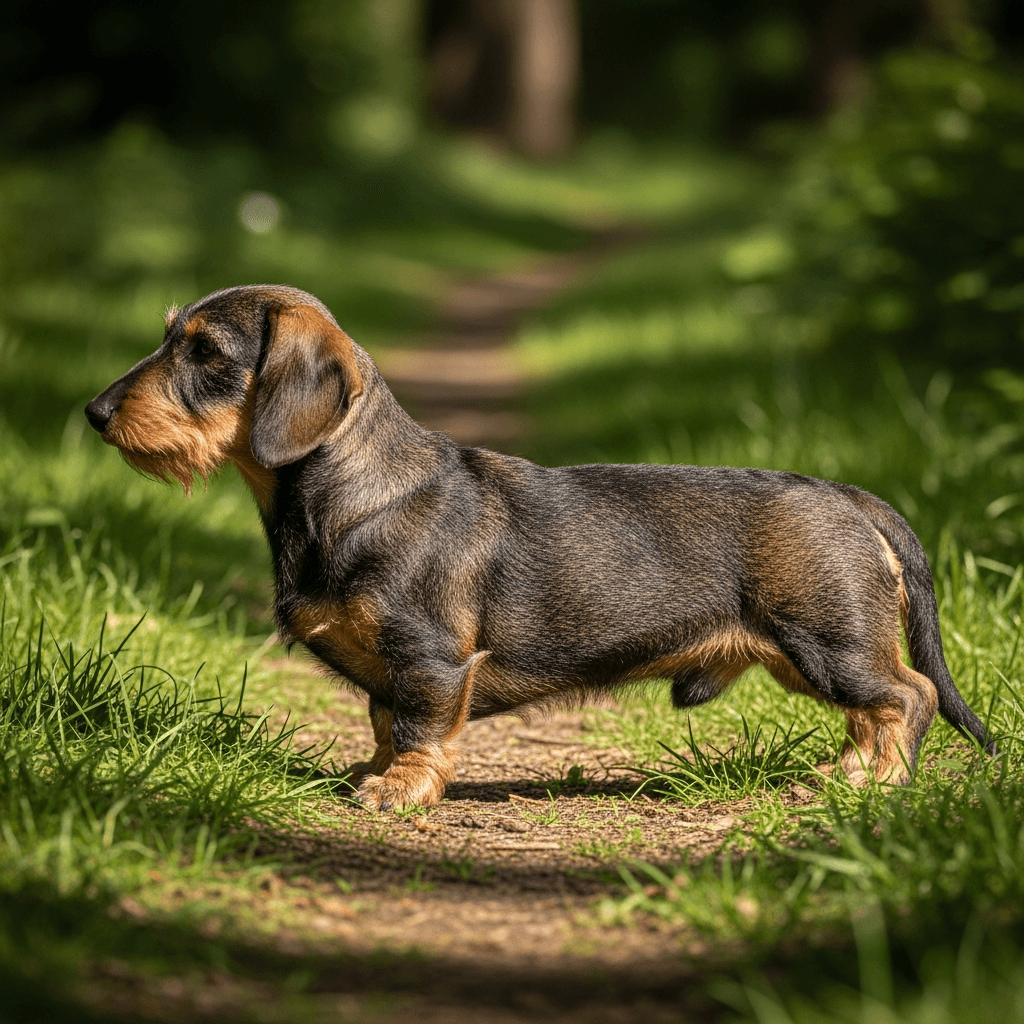
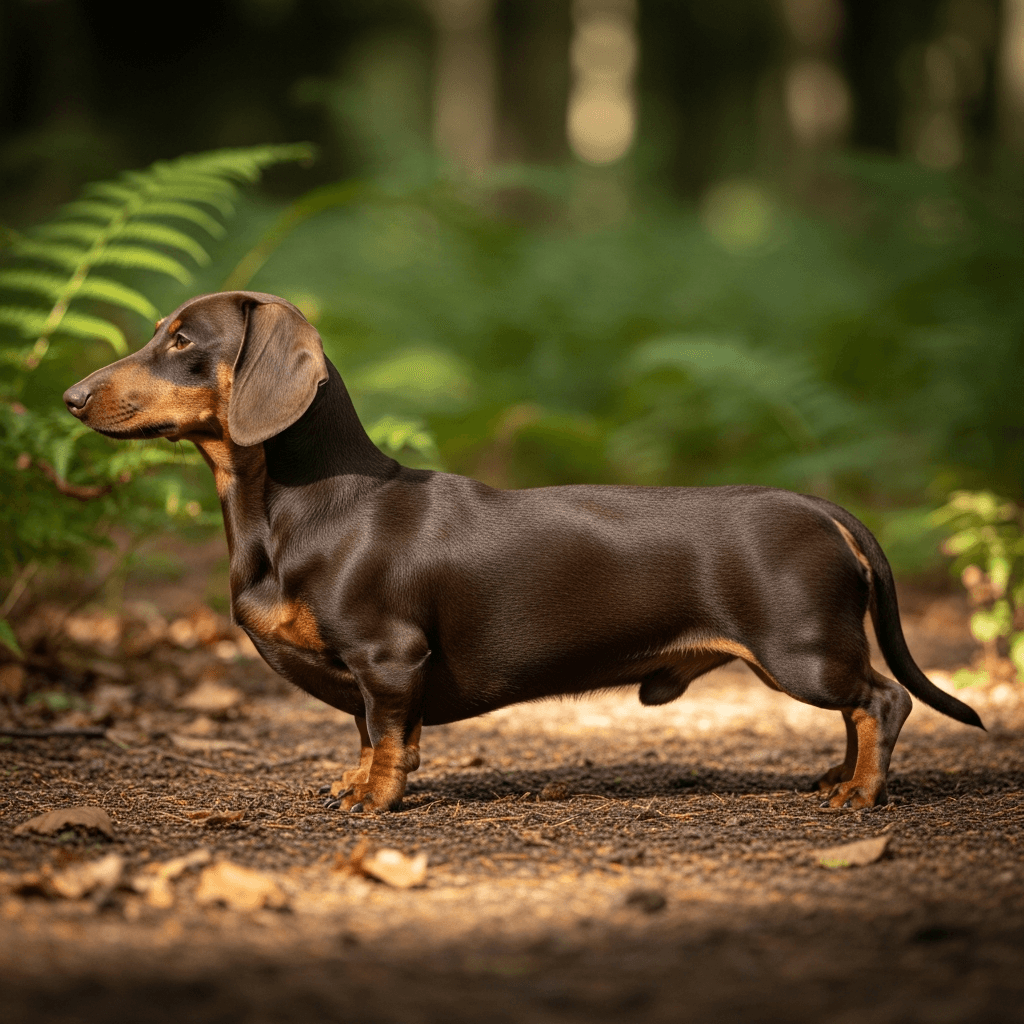
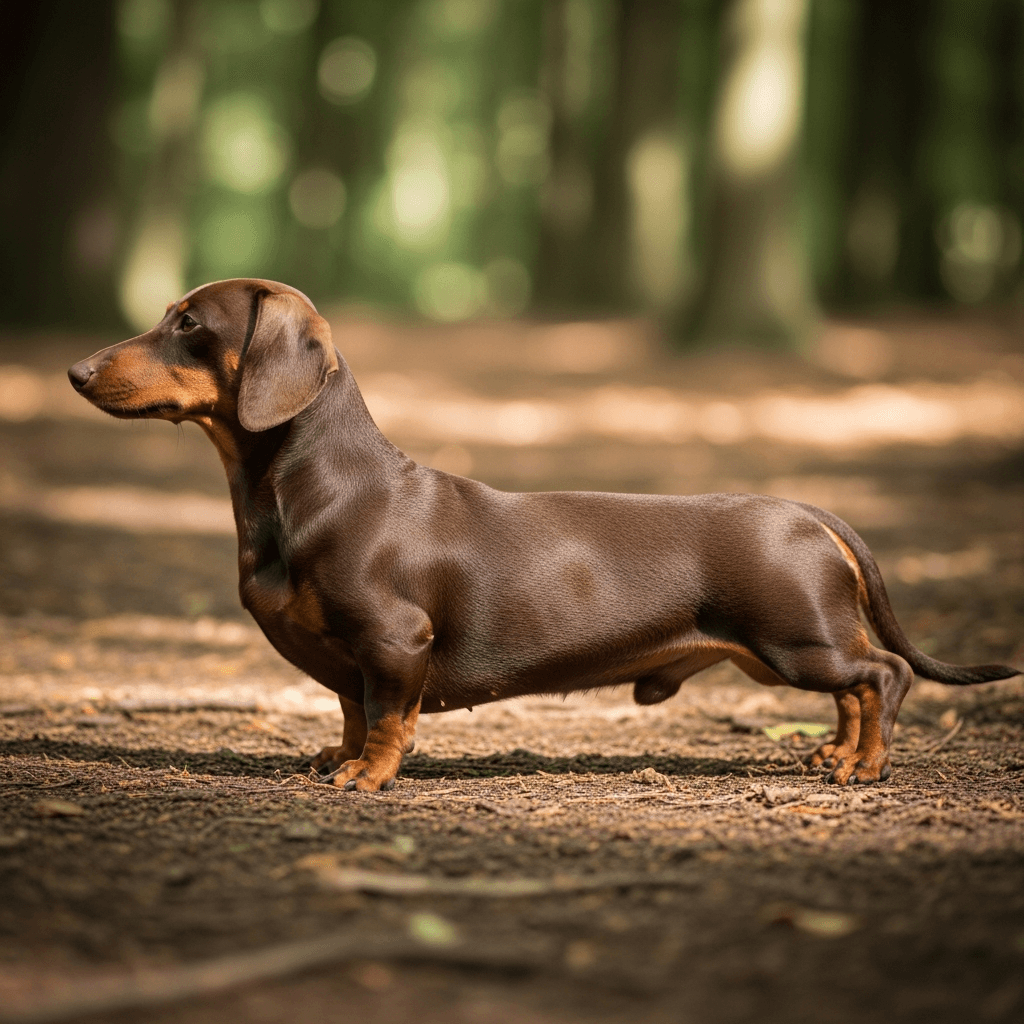
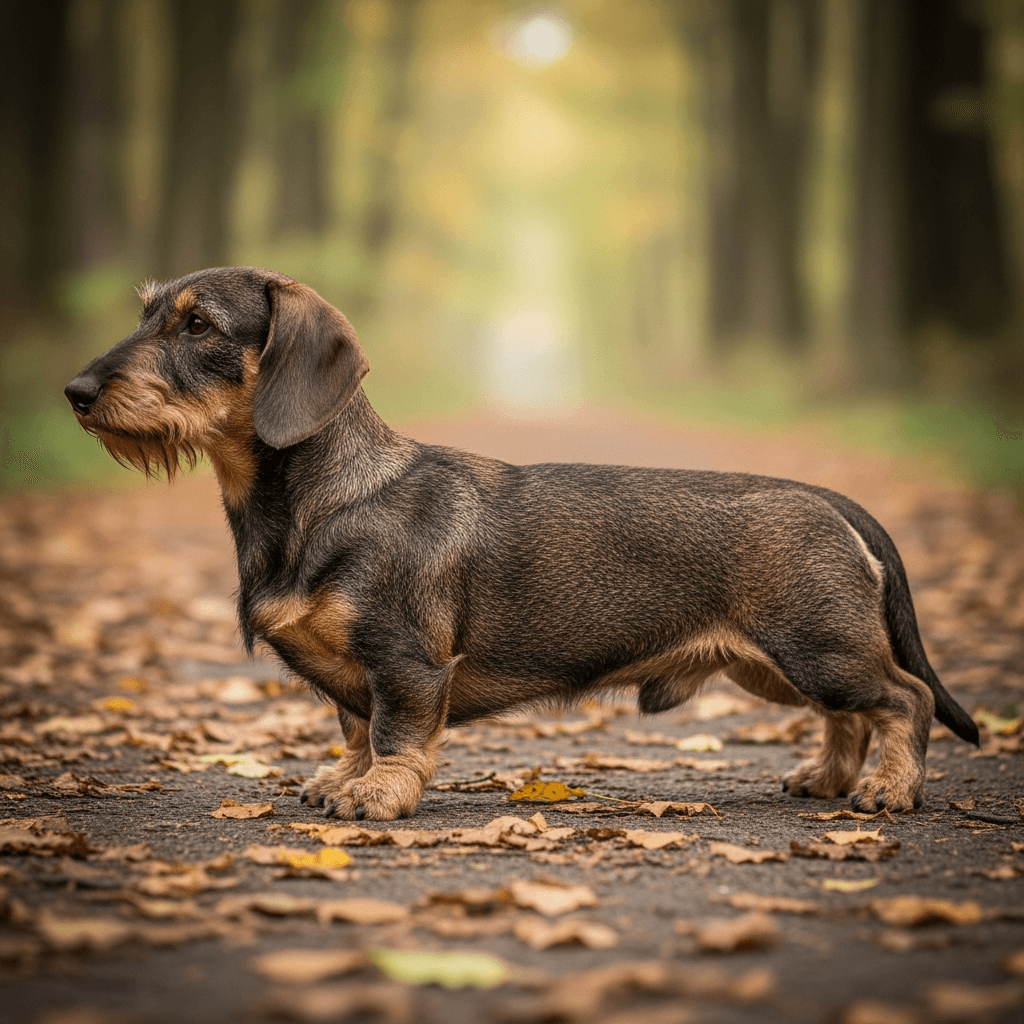
Its silhouette is unique – an elongated body on short legs, a distinctly shaped body, and a characteristic head with expressive eyes and pronounced eyebrows make it hard to confuse with any other breed. The coat color can take various forms: from solid colors like red, through complex combinations with tan, to striking marbled patterns.
In terms of character, the long-haired miniature dachshund is a brave, curious, and energetic companion. Despite its small size, it has a strong personality – it is very loyal to its owner, intelligent, and eager to learn. This confidence can sometimes manifest as dominance in interactions with other dogs, so providing adequate mental and physical stimulation is crucial.
Long-haired miniature dachshunds thrive in families with children; they are sociable and friendly towards household members. Thanks to their endurance and energy, they make great partners for long walks and outdoor activities. Their loyalty, courage, and intelligence make them ideal companions for those seeking an active and devoted four-legged friend.
The long-haired miniature dachshund is a dog with a characteristic elongated silhouette, accompanied by short legs and a long body. Its height at the withers ranges from 30 to 35 cm, and its weight falls between 3 to 6 kg. Despite its small size, it has a strong, well-muscled body structure that provides agility and nimbleness.
The head is elongated with a gently flattened skull and a well-defined stop. The eyes are medium-sized, almond-shaped, with a sharp, intelligent expression, giving it a friendly appearance. The ears are long, rounded at the tips, and carried down, which adds to its charm. The bite is scissor-like, and the lips fit well against the jaw.
The coat of the long-haired miniature dachshund is its greatest adornment – longer, rectangular, with a soft undercoat, giving it an elegant look. The longest hairs are found on the ears, neck, and tail, where they create a striking, fluffy flag. This makes the dog look aristocratic and eye-catching.
The coloration is diverse and can take various forms:
- Solid (e.g., red, golden)
- Two-colored (with tan markings)
- Marbled (with beautiful, irregular patterns)
- Brindle (with characteristic stripes)
It is important that the colors are pure and deep, and that the pigment is well-developed. The long-haired miniature dachshund is a dog that certainly attracts attention with both its appearance and charisma.
The long-haired miniature dachshund is characterized by a friendly and sociable temperament. These dogs are naturally very loyal to their guardians, and their innate curiosity about the world makes them active and full of energy at any age. Dachshunds are known for their perseverance and determination, making them excellent companions both in everyday life and during outdoor activities.
By nature, dachshunds are neither cowardly nor aggressive; however, they can exhibit strong hunting instincts, especially towards small animals – after all, that is their original purpose. Therefore, early socialization of the dachshund with other dogs, animals, and people is crucial to prevent potential behavioral problems in the future.
Proper training based on positive reinforcement will help raise a well-adjusted dog that can navigate various social situations. The long-haired miniature dachshund is a very intelligent dog, quickly learning new commands and tricks, which brings joy to both the dog and the owner.
Their friendly disposition makes them excellent companions for families with children. Dachshunds love spending time with people and are very sensitive to their emotions, making them ideal companions for those seeking a dog close to their heart. However, it is important to remember that despite their small size, dachshunds have a strong personality and can be self-assured, sometimes even dominant – traits that should be directed through consistent upbringing.
The long-haired miniature dachshund, like many purebred dogs, can be prone to certain health issues. The most common condition that dachshunds suffer from is spinal diseases. Due to their characteristic long body structure, dachshunds are particularly susceptible to disc disease (intervertebral disc disease), which can lead to severe back pain, difficulty in movement, and in extreme cases, even paralysis.
Therefore, owners should pay special attention to:
- Maintaining a healthy weight – every extra kilogram increases the strain on the spine
- Avoiding jumps from heights – jumping from furniture or stairs can damage the spine
- Controlled exercises – avoiding overly intense, sudden movements
- Using steps – for getting onto the couch or bed
Other common health issues include eye diseases (cataracts, retinopathy, progressive retinal atrophy) and ear infections, which can occur due to their long, drooping ear flaps. Regular veterinary visits are crucial for the early detection and treatment of potential conditions.
A proper diet, regular but controlled physical activity, and maintaining an appropriate weight are essential for the long-term health of the dachshund. Overweight dogs are significantly more prone to joint and spinal problems, so owners should closely monitor their pet's condition and adjust their diet to meet their actual energy needs.
Grooming a long-haired miniature dachshund requires regular attention to keep its beautiful coat in excellent condition. The long, shiny hair is prone to tangles and matting, so regular brushing is necessary – at least once a week, and during heavy shedding periods even more frequently.
Recommended grooming tools:
- A brush with long bristles or a slicker wire brush
- A metal comb for detangling difficult areas
- Scissors for trimming excessively long hair between the paw pads
Regular brushing not only prevents matting but also removes dead hair and stimulates the skin, which promotes healthy hair growth.
Baths should be given only as needed, usually every 6-8 weeks or when the dog is visibly dirty. Over-bathing can strip the skin and coat of natural protective oils, leading to dryness and irritation. It is advisable to use gentle, high-quality shampoos specifically designed for long-haired dogs.
After bathing, the dog should be thoroughly dried, especially around the ears, to prevent infections. A hairdryer on a low setting can be used, keeping in mind to handle the dog gently.
Regular checking and cleaning of ears, eyes, and teeth is also crucial for the overall health of the long-haired miniature dachshund. Ears should be checked weekly and cleaned with special products, teeth should be brushed 2-3 times a week, and nails should be trimmed as needed when they become too long.
The long-haired miniature dachshund has moderate physical activity needs. Although they are small in size, their energy and natural curiosity about the world mean they require regular walks and playtime to maintain good physical and mental condition.
Recommended amount of exercise:
- Daily walks – 30-60 minutes a day (can be divided into 2-3 walks)
- Playtime in the garden or park – an additional 15-30 minutes
- Mental stimulation – scent games, searching for treats
- Interactive games – fetching, dog puzzles
Dachshunds love to explore their surroundings – sniffing trails and investigating new places is a true pleasure for them. It is worth giving them the opportunity to run freely and sniff in a safe, enclosed area where they can satisfy their natural hunting instincts.
Despite their natural energy and desire to play, it is important to remember the limitations due to their body structure. Their long spine and short legs mean that:
- ❌ Avoid jumping from heights (furniture, stairs)
- ❌ Limit intense running on hard surfaces
- ❌ Do not allow sudden turns and spins
- ✅ Prefer walks on soft surfaces (grass, dirt)
- ✅ Use controlled exercises without excessive strain on the spine
Owners should adjust the level of activity to the individual needs of their dog – every dachshund is different. Younger dogs will have more energy, while older ones may prefer calmer walks. The key is to find a balance between providing the right amount of exercise and protecting the delicate spine from injuries.
The long-haired miniature dachshund is a smart dog that eagerly learns new commands and tricks. Their natural curiosity and willingness to cooperate make training a pleasant experience for both the dog and the owner. However, it is important to remember that dachshunds can be stubborn and independent, which stems from their hunting heritage – after all, they had to make decisions on their own in burrows, far from the hunter.
Key principles of effective training:
- Positive reinforcement – treats, praise, toys as rewards for correctly executing commands
- Consistency – clear rules and adherence to them by all household members
- Patience – dachshunds may test boundaries, do not give up
- Short sessions – 10-15 minute training sessions several times a day instead of long, exhausting sessions
- Variety – diversify exercises to avoid boredom
Basic commands to teach: Sit, Stay, Come, Lie down, No, Wait. These commands not only make daily life easier but also build a bond between the dog and the owner.
Early socialization of the dachshund with other dogs, animals, and people is crucial for its proper development. It should start in puppyhood and include:
- Meetings with different people (adults, children, seniors)
- Contact with other dogs in controlled conditions
- Acclimatization to various sounds and situations
- Visits to different places (park, forest, city)
Regular obedience training and the introduction of stimulating activities, such as scent games, agility tailored to the dachshund's build, or searching for hidden objects, can significantly impact the development of skills and the happiness of the dog. Dachshunds love mental challenges – utilize their natural tracking instinct by creating games that involve searching for treats or toys.
The diet of a long-haired miniature dachshund should be carefully balanced to provide all the essential nutrients while avoiding obesity, which poses a serious threat to its delicate spine. Due to this breed's natural tendency towards obesity, it is crucial to control portions and follow the recommendations of the food manufacturer or veterinarian.
Feeding recommendations:
- High-quality food – rich in animal protein (minimum 25-30%)
- Appropriate proportions – protein, fats (10-15%), carbohydrates, fiber
- Vitamins and minerals – for healthy bones, joints, and coat
- Glucosamine and chondroitin – support joint and spine health
- Omega-3 and omega-6 fatty acids – for a beautiful, shiny coat
Protein sources: poultry (chicken, turkey), fish (salmon, tuna), beef, lamb. It is good to introduce variety to ensure the dog receives a full range of amino acids and nutrients.
Dietary supplements: vegetables (carrots, broccoli, pumpkin) and fruits (apples, blueberries) provide vitamins, minerals, and antioxidants. They can be given as healthy snacks or added to the food.
Foods PROHIBITED for dogs:
- ❌ Onion and garlic – toxic, destroy red blood cells
- ❌ Chocolate – contains theobromine, dangerous for dogs
- ❌ Grapes and raisins – can cause kidney failure
- ❌ Avocado – contains persin, harmful to dogs
- ❌ Xylitol (sweetener) – causes a rapid drop in blood sugar
- ❌ Alcohol, coffee, tea – toxic to the nervous system
Feeding frequency:
- Puppies (2-6 months) – 3-4 meals a day
- Young dogs (6-12 months) – 2-3 meals a day
- Adult dogs (over 12 months) – 2 meals a day
Regular weight monitoring of the dog and adjusting the diet to its level of physical activity will help keep it in excellent condition. Ideally, you should be able to feel the dog's ribs under a layer of muscle, but they should not be visible – this is a sign of proper weight. Overweight dachshunds should switch to a weight-loss diet under the supervision of a veterinarian to avoid health problems.
Characteristic Traits
Pros
- Loyal and devoted companion
- Friendly and sociable with family
- Intelligent and eager to learn
- Great for playing with children
- Charming appearance and elegant coat
- Good for apartments and small homes.
Cons
- Can be stubborn and independent
- Requires regular mental stimulation
- May be dominant towards other dogs
- Prone to spine problems
- Tendency to gain weight without diet control.
Behavioral Ratings
Breed History
The history of the long-haired miniature dachshund dates back to the Middle Ages, when this breed was used as a hunting dog for hunting animals that live underground – mainly badgers (in German Dachs, hence the name Dachshund), as well as rabbits, foxes, and other burrowing predators. Dachshunds were intensively bred by hunters in Germany, where their unique features – short stature, long body, strong legs, and fearlessness – made them ideal for working in tight, underground tunnels.
The first mentions of dogs resembling dachshunds date back to the 15th century, but systematic breeding of the breed began in the 17th and 18th centuries. Over time, dachshunds became extremely popular not only in Germany but throughout Europe, gaining recognition from both hunters and the aristocracy. Their effectiveness in hunting and charismatic appearance quickly earned them the status of companion dogs.
As breeding developed, dachshunds began to be classified according to three criteria:
- Size – standard (up to 9 kg), miniature (4-5 kg), rabbit (up to 3.5 kg)
- Coat type – short-haired, long-haired, wire-haired
- Coloration – solid, two-colored, brindle, spotted
The long-haired miniature dachshund was officially recognized as a separate variety in the 20th century. Since then, it has become one of the most valued companion dog breeds worldwide, especially in Europe and the United States.
In 1888, the Deutsche Teckelklub e.V. was established, one of the oldest breed clubs in the world, which upheld breeding standards and promoted dachshunds as a purebred breed. This club continues to play a key role in maintaining high-quality breeding and popularizing dachshunds on the international stage.
Today, the long-haired miniature dachshund enjoys immense popularity as a family dog and companion. Although its roots are in hunting, modern dachshunds are primarily loving, loyal household pets that are just as eager to embark on active adventures as they are to relax in their owners' laps. Their versatility, intelligence, and charming appearance make them one of the most popular dog breeds in the world.