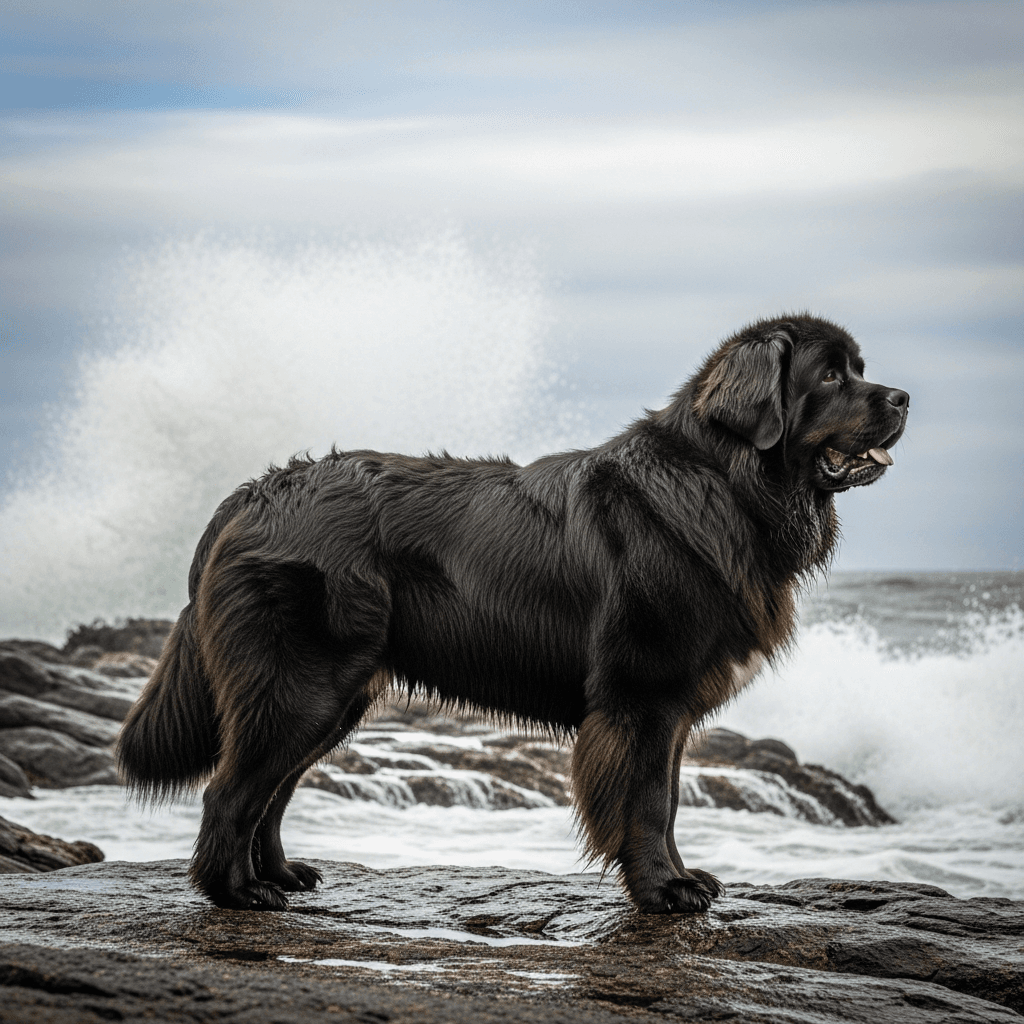
Newfoundland
FCI Group
2• FCI 50
Size
Large
Origin Country
CA
Height
66-71 cm
Weight
54-68 kg
Lifespan
10-12 years
Temperament
Overview
The Newfoundland is a breed of dog that has attracted attention for centuries with its impressive size and extremely gentle temperament. These majestic dogs, also known as Newfies, originate from the Canadian province of Newfoundland and have fascinated people for centuries with their unique nature. Their history dates back to the Viking era – around the 11th century, they brought large black bear-like dogs to the island, which, by interbreeding with local breeds, gave rise to the modern Newfoundlands.
From the very beginning of the island's colonization in 1610, Newfoundlands already possessed their characteristic morphology and natural behaviors. Their exceptional swimming abilities and powerful body structure allowed them to survive the harsh Arctic climate and the dangers of the sea. Working alongside fishermen, these dogs saved drowning people, pulled nets from icy waters, and transported heavy loads – earning the nickname Saint Bernards of the seas.
Newfoundlands are characterized by their extraordinary loyalty and intelligence, making them ideal companions for both children and adults. Their calm, balanced temperament fits perfectly into family life. These dogs quickly form deep emotional bonds with family members due to their friendly and protective nature. They love to play and engage in activities together, making them wonderful companions for children. However, it is important to remember that young Newfoundlands can be energetic, so it is crucial to provide them with adequate exercise and mental stimulation from a puppy age.
The most distinctive feature of Newfoundlands is their natural love for water and innate rescue instinct. These dogs are willing to risk their own lives to save a drowning person – this extraordinary trait makes them some of the best rescue dogs in the world. Their waterproof double coat and webbed toes make them excellent swimmers. Although they tolerate cold well, they are sensitive to high temperatures and require regular grooming, especially during heavy shedding periods.
Newfoundlands are wonderful family dogs that can bring immense joy, love, and a sense of security to their owners' lives. If you are ready to dedicate time to regular exercise, grooming, and training based on positive methods, you will gain a devoted friend for many years. In the following chapters of this comprehensive guide, you will learn everything about health, grooming, exercise needs, training, nutrition, the fascinating history, appearance, and behavior of this extraordinary breed. Discover why Newfoundlands are so beloved by families around the world!
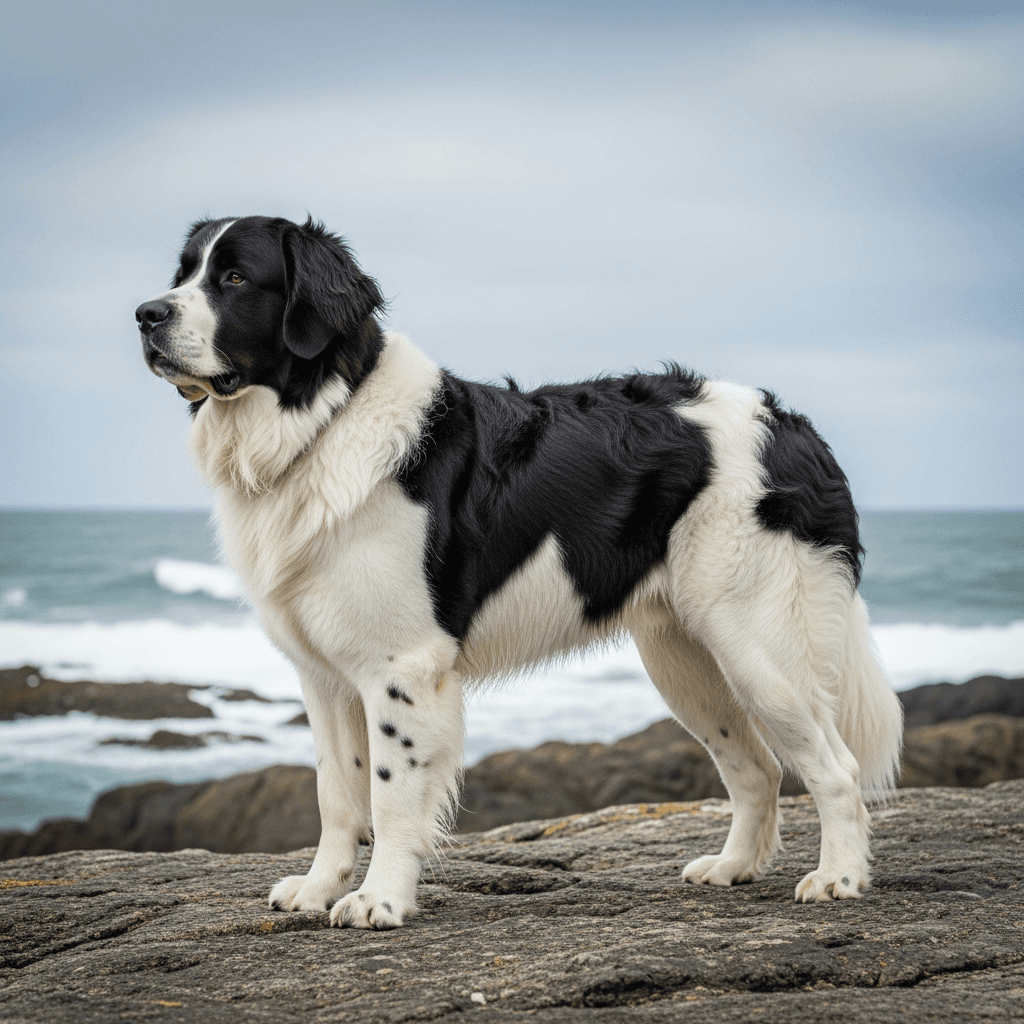
Newfoundlands are dogs with a impressive, massive body structure, characterized by a strong, well-muscled, and harmoniously coordinated torso. The length of their body from the shoulder to the ischial bone is greater than their height at the withers, giving them a compact and powerful silhouette.
Dimensions and proportions: Adult males reach a height at the withers of 71 cm, while females are slightly smaller and more delicate – their height is about 66 cm. Their weight ranges from 54 to 68 kg, with males typically being heavier. The distance from the withers to the bottom of the chest is slightly greater than the distance from the chest to the ground, indicating a deep chest.
Coat and coloration: The Newfoundlands' coat is medium-length, dense, and water-resistant – this unique feature allows them to swim effectively in the icy waters of the North Atlantic. The undercoat is soft and thick, while the outer coat is coarse and straight. They come in three officially recognized colorations:
- Black – the most classic and recognizable coloration
- Brown – ranging from chocolate to light brown shades
- Black and white (Landseer) – white with black patches on the head and back
Head and expression: The head is massive and noble, with a broad skull and a clearly defined stop. The eyes are relatively small, deeply set, dark brown or in a color harmonizing with the coat – their expression is extremely gentle and intelligent. The ears are small, triangular in shape, well-fitting to the head, and finished with rounded tips.
Characteristic tail: The Newfoundlander’s tail is strong, wide at the base, and drooping – it serves as an excellent rudder while swimming. When the dog is in motion or excited, the tail is slightly raised, but never curled over the back.
The overall appearance of the Newfoundland exudes strength, majesty, and dignity – it is one of the most recognizable and respected working dog breeds in the world.
Newfoundlands are dogs with a remarkably friendly and balanced temperament, characterized by extraordinary gentleness, patience, and deep attachment to their family. Their temperament has been shaped over centuries of working alongside humans in the harshest Arctic conditions.
Family character: Newfoundlands are extremely sociable and open to new acquaintances – both with people and other animals. They do not show aggression towards strangers, although their impressive size alone deters potential intruders. Their strong protective instinct makes them excellent dogs for families with children. Newfoundlands love spending time with the youngest family members, demonstrating endless patience and gentleness despite their powerful build.
Intelligence and willingness to cooperate: These dogs are extremely intelligent and easy to train, making them great companions even for those who are getting a dog for the first time. Due to their sensitive nature, they respond best to training based on positive reinforcement and a gentle approach. Harsh training methods can discourage a Newfoundland and disrupt its trust in the owner.
Behavior at home: In a home environment, Newfoundlands are calm, quiet, and do not tend to be destructive. They rarely bark without reason, and when they do, their deep voice serves as a warning. They are not hyperactive dogs – they prefer to quietly lie down in the company of their family rather than engage in noisy activities.
Bond with family: Their loyalty to the owner is legendary – Newfoundlands do not handle prolonged solitude well and always wish to be close to their loved ones. The strong emotional bond makes this dog a true family member, ready to give its life for its people.
Adaptability: Newfoundlands can adapt perfectly to various life situations. They can live even in an apartment, provided they have regular access to fresh air, walks, and – most importantly – access to water. Their temperament makes them ideal companions for both children and seniors, and their natural love for swimming makes them particularly happy in the presence of lakes, rivers, or the sea.
Newfoundlands are a breed of dogs with a relatively long lifespan for giant breeds – they typically live from 8 to 10 years, although with proper care they can reach up to 12 years. Although they are generally healthy and resilient, like any large breed, they can be prone to specific health issues.
Most common health problems:
- Hip and elbow dysplasia – common in large breeds, it can lead to pain, limping, and limited mobility. Responsible breeders perform X-rays of the parents before breeding.
- Dilated cardiomyopathy – a heart condition characteristic of large breeds that can lead to heart failure.
- Aortic stenosis – a congenital heart defect that can manifest as weakness, fainting, and sudden death.
- Gastric torsion – a life-threatening condition that deep-chested dogs are predisposed to. It requires immediate veterinary intervention.
- Obesity – due to their large body mass and calm temperament, Newfoundlands can easily gain weight if not properly exercised and monitored in their diet.
- Cataracts and progressive retinal atrophy – eye conditions that can lead to vision loss in older age.
Temperature sensitivity: Their thick, double coat provides excellent insulation against Arctic cold, but makes them significantly less tolerant to heat. On hot days, special care should be taken to ensure their comfort – providing access to shade, fresh water, and cool rooms. Overheating can lead to heatstroke, which is life-threatening.
Prevention: Newfoundland owners should:
- Regularly check their health with a veterinarian – at least once every six months
- Conduct cardiac examinations, especially for dogs over 5 years old
- Monitor the dog's weight and physical condition
- Provide a balanced diet tailored to age and activity level
- Avoid intense exercise immediately after meals – to prevent gastric torsion
- Maintain ear hygiene – especially for dogs that swim often
Proper veterinary care, a balanced diet, and regular moderate physical activity will help keep a Newfoundland in excellent condition for many happy years.
Grooming a Newfoundland requires a regular and systematic approach due to its dense, double, waterproof coat. Although it may seem time-consuming, proper grooming is crucial for the health of the skin and the overall well-being of the dog.
Brushing the coat: Newfoundlands require brushing at least 3-4 times a week, and during heavy shedding periods – daily. Shedding occurs twice a year, in spring and autumn, when the dog loses a significant amount of undercoat. Regular brushing:
- Removes dead hair and prevents it from accumulating in the home
- Prevents the formation of mats and tangles in the coat
- Stimulates blood circulation in the skin
- Distributes natural oils along the length of the hair
- Allows for early detection of skin changes, ticks, or other issues
Grooming tools: Owners should equip themselves with professional tools:
- Brush with long metal teeth – for detangling the dense undercoat
- Metal comb – for detecting and detangling mats
- Furminator or rake – a tool for removing undercoat during shedding periods
- Bristle brush – for final smoothing of the coat
Bathing: Newfoundlands do not require frequent baths – 4-6 times a year is sufficient or as needed when the dog is very dirty. Important: Do not overuse shampoos, as they can strip the natural oils in the coat that provide its waterproof quality. After bathing in natural water bodies, rinsing with clean water is enough.
Drying: After bathing or swimming, thoroughly drying the dog is crucial, especially around the ears, groin, and skin folds. Moisture trapped in the dense coat can lead to fungal infections, skin irritation, and unpleasant odors. A low-temperature hairdryer can be used, or the dog can be allowed to dry naturally in a warm, well-ventilated area.
Ear care: The ears of a Newfoundland require regular checking and cleaning – especially for dogs that swim frequently. Their close-fitting structure allows moisture to easily accumulate, creating ideal conditions for bacteria and fungi. The inner part of the ear should be gently wiped with a clean, dry cloth or special veterinary wipes.
Nail care: Nails should be trimmed regularly every 4-6 weeks if they do not wear down naturally during walks. Overgrown nails can cause discomfort, alter the way the dog walks, and lead to joint problems.
Oral hygiene: Regular tooth brushing (preferably 2-3 times a week) prevents tartar buildup, gum disease, and bad breath.
Proper grooming not only affects the beautiful appearance of a Newfoundland but, most importantly, its health, comfort, and quality of life. It is worth dedicating time to this – the reward of a healthy, beautiful, and happy dog is priceless.
Newfoundlands are a breed of dogs that do not require extremely intense physical exertion, but need regular, moderate activities tailored to their body structure and temperament. Despite their powerful appearance, they are relatively calm dogs that prefer long, leisurely walks over intense runs.
Daily walks: Newfoundlands require at least 1-2 hours of exercise per day, divided into several walks. Regular activity is crucial for:
- Maintaining a healthy weight and muscle condition
- Preventing obesity and joint problems
- Mental stimulation and preventing boredom
- Socialization with other dogs and people
- Strengthening the bond with the owner
Swimming – the ideal activity: The natural love of Newfoundlands for water makes swimming an excellent form of exercise for them. This activity:
- Does not strain the joints and spine – ideal for large dogs
- Engages all muscle groups
- Provides immense joy and satisfaction
- Allows them to utilize the breed's natural abilities
- Helps cool the body on warmer days
Owners should ensure their Newfoundlands have regular access to safe bodies of water – lakes, rivers, or special dog pools. Even in winter, when the water temperature is low, a Newfoundland will happily swim thanks to its waterproof coat.
Other forms of activity: Newfoundlands enjoy various forms of play and work:
- Fetching – a great way to combine fun with obedience training
- Pulling – a natural activity for this breed; they can pull sleds, carts, or special training equipment
- Water rescue training – utilizing the breed's natural instincts
- Hiking – long walks in the woods or mountains (avoiding extreme heat)
Important restrictions and rules:
- Puppies and young dogs – should not be overworked with too intense training, especially until they are 18-24 months old, when their joints and bones are still developing
- Heat – avoid intense exertion on hot days; walks during cooler times of the day, access to shade and water
- After meals – avoid physical activity immediately after feeding – this prevents gastric torsion
- Gradual increase – gradually increase the intensity and duration of activity, observing the dog's reactions
A proper combination of regular walks, swimming, and other forms of activity will help keep a Newfoundland in excellent physical and mental condition throughout its life.
Training a Newfoundland can be a true pleasure, as these dogs are naturally intelligent, eager to cooperate, and deeply motivated to please their owner. Their innate rescue instinct and centuries of history working alongside humans make learning new skills relatively easy for them.
Positive training methods: Due to the sensitive and gentle nature of Newfoundlands, it is crucial to use training based on positive reinforcement rather than punishment or coercion. These dogs respond best to:
- Praise and verbal encouragement – a warm, cheerful tone of voice
- Treats – as rewards for good behavior
- Play – as a form of motivation and reinforcement
- Gentleness and patience – harsh methods can discourage the dog and disrupt its trust
Early socialization and training: It is recommended to start training as early as puppyhood – ideally between 8 and 16 weeks of age. Early training helps with:
- Developing proper behaviors and habits
- Preventing behavioral problems
- Building confidence and trust
- Socializing with various people, dogs, and animals
- Acclimating to different sounds, smells, and situations
Basic commands: Owners should focus on teaching basic obedience commands:
- Sit – a basic control command
- Lie down – calming and control
- Stay – teaching patience and self-control
- Come – the most important safety command
- Leave it – preventing the ingestion of dangerous objects
- Heel – walking on a loose leash without pulling
Advanced training: Newfoundlands, due to their intelligence and willingness to work, can learn advanced skills:
- Water rescue – utilizing the breed's natural instincts; specialized training available in rescue clubs
- Therapy – their gentle temperament predisposes them to work as therapy dogs
- Sport obedience – participating in obedience competitions
- Drafting – draft work training with sleds or carts
Principles of effective training:
- Short sessions – 10-15 minutes several times a day instead of long, exhausting sessions
- Consistency – all family members should use the same commands and rules
- Positive ending – always end training on a success and with praise
- Fun – training should be enjoyable and engaging for the dog
- Regularity – daily short sessions are more effective than occasional long trainings
Challenges in training: Despite the ease of training, Newfoundlands may sometimes exhibit:
- Stubbornness – independent thinking stemming from the breed's history as working dogs
- Sensitivity – overly harsh commands can discourage them
- Maturity – young dogs may be distracted and energetic
As the dog matures, continuing training is crucial to ensure that the Newfoundland remains a well-behaved, obedient, and happy companion. Regularly reinforcing commands and learning new skills keeps the dog mentally fit and strengthens the bond with the owner.
The nutrition of a Newfoundland is crucial for its health, condition, and long life. Due to their large body mass, specific structure, and health predispositions, the diet must be carefully balanced and tailored to individual needs.
Nutritional needs: Newfoundlands, as giant breed dogs, require high-quality food with the appropriate ratio of nutrients:
- Protein – 22-26% for adult dogs, 24-28% for puppies; high-quality sources: chicken, beef, fish, lamb
- Fats – 12-16% for adults, 14-18% for puppies; omega-3 and omega-6 fatty acids support skin and coat health
- Carbohydrates – sources of energy; prefer complex carbohydrates: brown rice, oats, sweet potatoes
- Vitamins and minerals – particularly important: calcium and phosphorus for bone and joint health (Ca:P ratio of about 1.2:1)
- Glucosamine and chondroitin – support joint health, particularly important in large breeds
Adjusting diet by age:
- Puppies (2-18 months) – food for giant breed puppies; controlled growth prevents developmental skeletal issues; lower calcium and phosphorus content than food for smaller breeds
- Adult dogs (18 months - 6 years) – food for large/giant breed adults; weight control; ingredients that support joints
- Seniors (over 6-7 years) – reduced-calorie food; increased content of joint and heart-supporting ingredients; easily digestible protein
Preventing obesity: Newfoundlands have a tendency to gain weight, especially with insufficient activity. Obesity leads to:
- Increased strain on joints and spine
- Heart and circulatory problems
- Shortened lifespan
- Reduced quality of life and activity
Feeding recommendations:
- Regular meals – 2-3 times a day for adult dogs, 3-4 times for puppies; set feeding times
- Portion control – adjusted to weight, age, and activity level; follow the manufacturer's feeding guidelines
- Limiting treats – treats should not exceed 10% of daily caloric intake
- Avoiding table scraps – can lead to an unbalanced diet and obesity
- Free feeding – use slow-feed bowls or puzzle feeders; prevents air swallowing and gastric torsion
Preventing gastric torsion: Newfoundlands are predisposed to gastric torsion – a life-threatening condition. To minimize the risk:
- Feed 2-3 smaller meals instead of one large one
- Avoid intense exercise 1-2 hours before and after meals
- Use slow-feed bowls
- Avoid feeding immediately after stressful situations
- Do not allow excessive water drinking immediately after meals
Water: Constant access to fresh, clean water is absolutely crucial, especially:
- After physical activity and swimming
- On hot days – to prevent overheating
- When feeding dry food
- In older dogs – to prevent kidney problems
Coat health: Good nutrition directly affects the quality of the thick, water-resistant coat of a Newfoundland:
- Omega-3 and omega-6 fatty acids – healthy, shiny coat
- Biotin and zinc – prevent hair loss
- High-quality protein – strong, flexible hair
A well-balanced diet tailored to the individual needs of a Newfoundland is an investment in its long, healthy, and happy life. Consulting with a veterinarian will help determine the optimal nutrition for a specific dog.
Characteristic Traits
Pros
- Gentle and patient temperament
- Excellent swimming abilities and rescue instinct
- Friendly nature towards children and other animals
- Extraordinary loyalty to the family
- Intelligence and ease of training.
Cons
- Requires a lot of space due to its size
- Sensitivity to high temperatures and heat
- Requires regular and time-consuming coat care
- Intense shedding twice a year
- Susceptibility to joint dysplasia and cardiovascular problems
- Shorter lifespan than smaller breeds.
Behavioral Ratings
Breed History
Newfoundlands have a rich and fascinating history that dates back at least several centuries and is closely tied to the harsh climate and dangerous waters of the Canadian province of Newfoundland.
Ancient roots: The breed's origin is not entirely clear, but it is most likely that Newfoundlands descend from the native dogs of the tribes inhabiting the island of Newfoundland and large black bear-like dogs brought to the island by the Vikings around the year 1100. The crossing of these dogs with local breeds gave rise to the early ancestors of modern Newfoundlands.
The era of colonization (since 1610): When formal colonization of the island by Europeans began in 1610, Newfoundlands already possessed their characteristic morphology and unique behavioral traits. The influx of European fishermen brought new dog breeds – mastiffs, herding dogs, retrievers – which further shaped and strengthened the breed through crossbreeding. Nevertheless, the essential traits remained unchanged: powerful build, water-resistant coat, and natural abilities to work in water.
Fishermen and rescue dogs: For centuries, Newfoundlands were invaluable partners for fishermen along the coasts of Newfoundland. Their tasks included:
- Hauling fishing nets from icy waters
- Rescuing drowning individuals – both people and objects falling overboard
- Transporting heavy loads on land – pulling sleds and carts
- Accompanying in dangerous conditions – loyalty and courage in extreme situations
Their innate swimming abilities, webbed toes, and water-resistant double coat made them excel in the icy waters of the North Atlantic. The legendary rescue instinct has saved countless lives – earning Newfoundlands the nickname Saint Bernards of the sea.
Conquest of Europe (18th-19th century): In the 18th century, the breed reached Europe, where it quickly gained immense popularity, especially in England. The British, enchanted by their gentle temperament, intelligence, and heroic rescue acts, began purposeful breeding. Newfoundlands became favorites of the aristocracy and wealthy families. There are known cases of Newfoundlands saving lives in the Thames and other European rivers.
Newfoundlands in culture: This breed has appeared in literature and art. The famous English poet Lord Byron wrote in the epitaph of his beloved Newfoundland: He had all the virtues of man without any of his vices. This dog became a symbol of loyalty, bravery, and selfless love.
Official recognition: In 1886, the breed was officially recognized by the British Kennel Club, and subsequently by other canine organizations worldwide. The International Cynological Federation (FCI) classified the Newfoundland in Group 2, Section 2.2 – mountain-type molossers.
Newfoundlands today: Today, Newfoundlands are still used in professional water rescue in many European countries. Their rescue instinct has remained unchanged over the centuries. At the same time, they have become wonderful family dogs – their gentleness, patience with children, and deep bond with the family make them ideal life companions.
The history of Newfoundlands is a tale of a breed that has served people in the most challenging conditions for centuries, saving lives and building the legend of the most devoted and heroic dogs in the world.