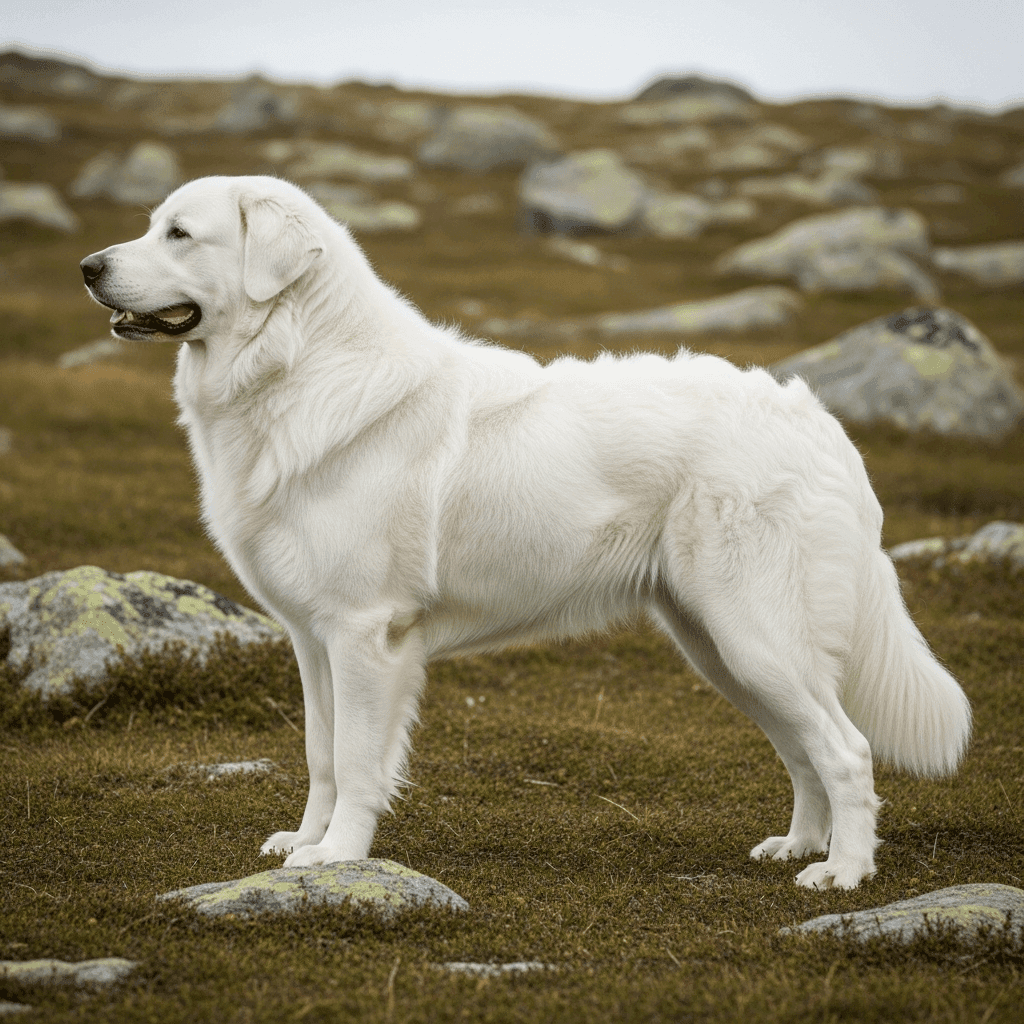
Polish Tatra Shepherd Dog
FCI Group
1• FCI 252
Size
Large
Origin Country
PL
Height
60-70 cm
Weight
30-45 kg
Lifespan
10-14 years
Temperament
Overview
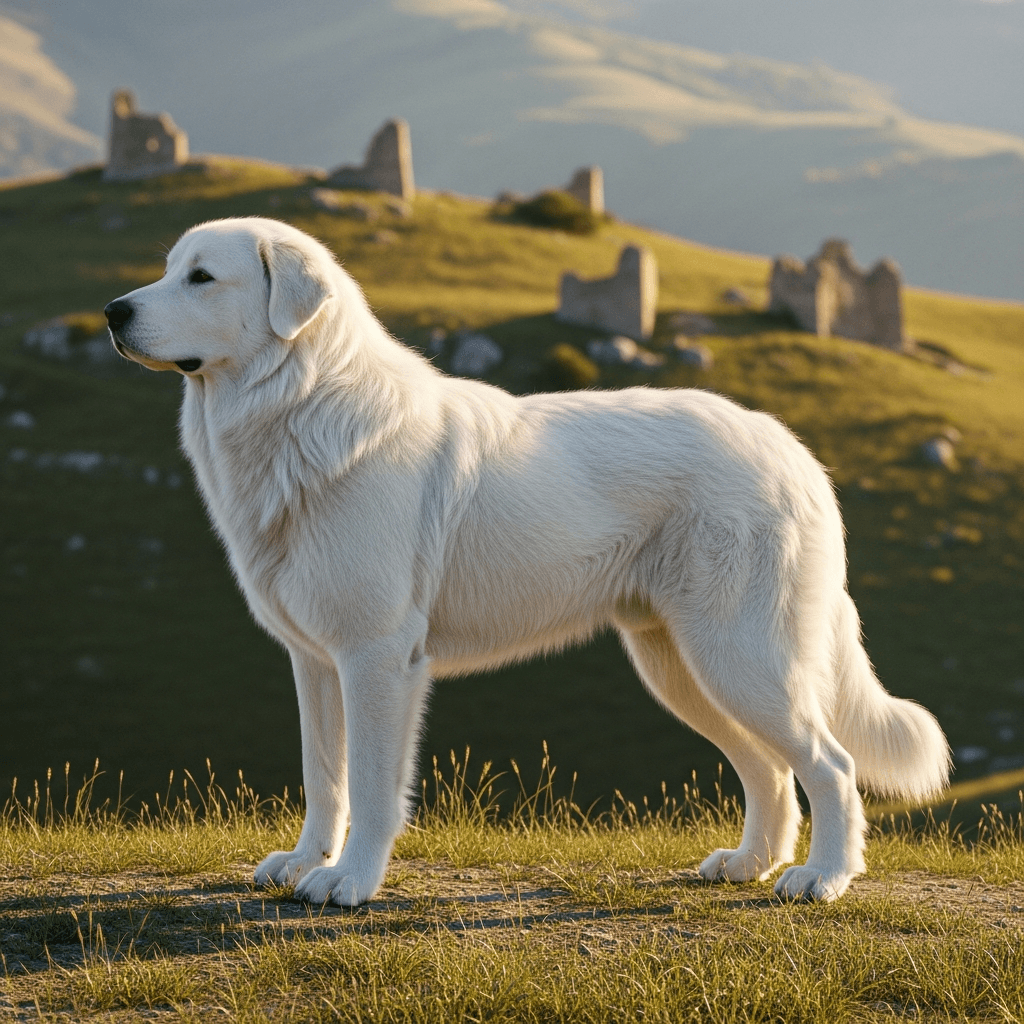
The Polish Tatra Shepherd Dog, also known as the Tatra Shepherd, is a unique herding breed with deep historical roots dating back to the 15th century. This proud and independent breed has been guarding sheep herds in the harsh mountain conditions of the Tatras and Podhale for centuries. It is characterized not only by its impressive white coat and majestic stature but, above all, by exceptional intelligence, courage, and boundless dedication to its charges.
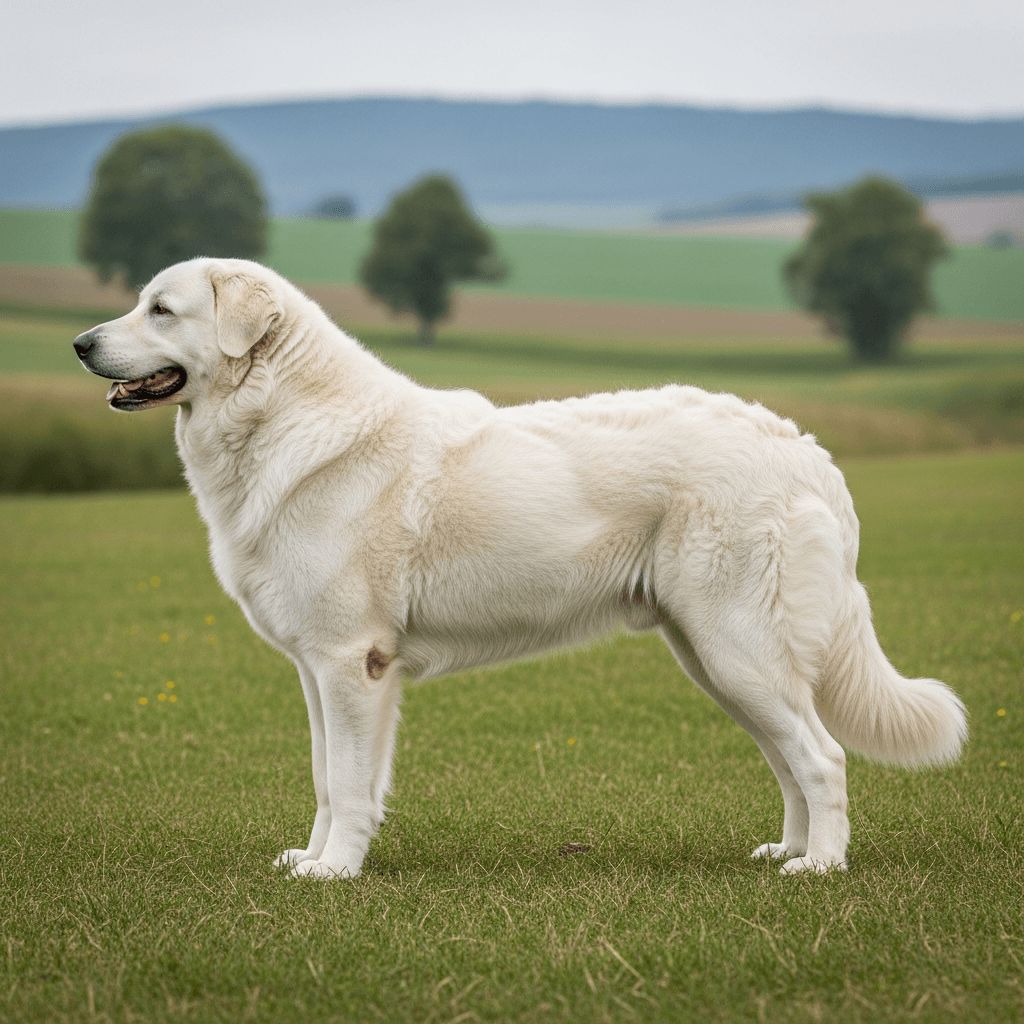
These powerful, medium-sized dogs, standing between 60 to 70 cm tall and weighing between 30 to 45 kg, are distinguished by a strong, compact body structure and remarkable physical endurance. Their characteristic long, white coat with a dense undercoat not only provides excellent protection against the harsh mountain climate but also allowed shepherds to easily distinguish them from predators such as wolves or bears in difficult terrain conditions.
The Polish Tatra Shepherd Dog is a breed with a calm, balanced temperament combined with a strong protective instinct. They are extremely loyal, gentle, and patient towards their family, especially in contact with children. At the same time, their independent and confident nature enables them to make decisions on their own in situations requiring protection. They maintain reserve and vigilance towards strangers, making them excellent guardians of property.
This breed requires an owner who understands the specifics of herding dogs and can provide them with suitable living conditions. Tatra Shepherds thrive best in spacious environments with access to a garden, where they can fulfill their natural instincts of patrolling and guarding territory. Despite their considerable size and strength, they are surprisingly gentle and mild in daily interactions with family, and their calm confidence and dignity attract attention wherever they appear.
The Polish Tatra Sheepdog presents itself as a powerful, harmoniously built dog with a characteristic, majestic silhouette. Males reach a height at the withers of 65 to 70 cm, while females are slightly smaller – from 60 to 65 cm. The weight of adult individuals ranges from 30 to 45 kg, with males typically being heavier and more massive. The body format is slightly rectangular, with a ratio of body length to height at the withers of about 110:100.
The head is proportional to the silhouette, with a slightly convex skull and a clearly marked frontal groove running from the base of the nose to the occiput. The muzzle is strong, of medium length, gradually narrowing towards the front, but not pointed. The nose is black, well-developed, with wide nostrils. The eyes are medium-sized, set slightly obliquely, dark brown in color, emanating intelligence and alertness, while also expressing calmness and confidence. The ears are of medium length, triangular, relatively thick, abundantly coated with hair, and lying close to the head, set at the level of the eye line or slightly above.
The neck is strong, muscular, of medium length, without a dewlap. The torso is solid and well-muscled, with a straight, strong back line. The chest is deep, reaching to the level of the elbows, with well-arched ribs. The tail is set at medium height, carried low at rest, reaching to the hock or slightly below. In motion or excitement, it rises above the back line, forming an elegant arc.
The coat is one of the most characteristic features of the breed. It is long, dense, straight or slightly wavy, with a rich, soft undercoat providing excellent thermal insulation. On the head, muzzle, and front of the limbs, the hair is shorter, while on the neck it forms an impressive mane, particularly noticeable in males. The coat color is uniformly white, giving the dogs a particularly noble and majestic appearance. The limbs are strong, straight, well-muscled, with large, oval paws with compact toes and hard, dark pads.
The Polish Tatra Sheepdog is characterized by a remarkably balanced temperament that combines calmness, confidence, and a strong protective instinct. This breed, developed over centuries of work as a guardian of herds, exhibits independence in thinking and action, meaning it can assess situations and make decisions regarding the protection of its family or territory on its own. This is not a dog that blindly follows commands – its intelligence and breed experience allow it to act with reason and caution.
In relationships with family, Tatra Sheepdogs are extremely loyal, devoted, and gentle. They show particular patience and nurturing behavior in interactions with children, whom they treat as members of their pack in need of protection. Despite their considerable size and strength, they can be surprisingly gentle in everyday interactions. Their calm, dignified demeanor and confidence mean they rarely display nervousness or hyperactivity.
When it comes to strangers, the Polish Tatra Sheepdog maintains natural reserve and vigilance, but without signs of unwarranted aggression. Their method of protection is based more on an impressive stance, deep warning barks, and physical blocking of access to the protected area than on direct confrontation. They are excellent guardians who can distinguish between real threats and the mere presence of strangers.
This breed requires early and consistent socialization to learn appropriate behavior in various social situations. With other pets, especially those raised together from puppyhood, they can form strong bonds and coexist harmoniously. Their herding roots mean a natural tendency to patrol their territory and maintain order within their pack.
It is worth emphasizing that the Polish Tatra Sheepdog is not a breed for novice owners. It requires an experienced handler who understands the psychology of herding dogs, can provide consistent yet positive guidance, and respects their independent nature. With the right approach, they are wonderful companions that combine strength, intelligence, loyalty, and dignity.
The Polish Tatra Shepherd Dog is a breed characterized by generally good health and significant resilience developed over centuries of natural selection in harsh mountain conditions. The average lifespan of representatives of this breed ranges from 10 to 14 years, with many individuals reaching the age of 12-13 in good physical and mental condition.
As with most medium and large breeds, hip dysplasia (HD) is one of the main potential health issues. It is a developmental defect involving the improper formation of the hip joint socket and the head of the femur, which can lead to pain, stiffness, and limited mobility. Responsible breeders conduct X-ray examinations of their breeding dogs and select pairs in a way that minimizes the risk of this defect in offspring.
Less commonly, cases of elbow dysplasia (ED) are also reported, which, like HD, can affect the dog's comfort in movement. Some lines may also be predisposed to orthopedic problems related to rapid growth during the puppy stage, so it is very important to control the diet of young dogs and avoid excessive strain on developing joints through intense exercise.
Due to their thick, long coat with a dense undercoat, Tatra Shepherds require regular grooming not only for aesthetic reasons but also for health reasons. Neglected coats can lead to matting, which hinders air circulation near the skin and can cause irritations, skin infections, or hot spots (acute moist dermatitis).
Owners should also monitor their dogs' weight, as obesity poses a serious health problem that can burden the musculoskeletal system, heart, and other internal organs. This breed has a moderate metabolism and can easily gain weight with an inappropriate diet or lack of exercise.
Key to maintaining the health of the Polish Tatra Shepherd Dog are: regular veterinary check-ups (at least once a year), up-to-date vaccinations, deworming, and prevention against external parasites, a balanced diet tailored to age and activity level, appropriate exercise, and systematic coat care. With proper care, Tatra Shepherds enjoy life as healthy, strong, and active representatives of their breed.
Grooming a Polish Tatra Shepherd requires consistency and a dedicated amount of time, especially due to its characteristic long and dense coat with a thick undercoat. Regular care of the fur is not just a matter of aesthetics but primarily the health and comfort of the dog.
Brushing the coat should occur at least 2-3 times a week during non-shedding periods, using a brush with long stiff bristles or a comb with long teeth that can reach the undercoat. During periods of intense shedding – in spring and autumn – daily brushing is necessary to remove dead hair and prevent matting. Special attention should be paid to areas prone to tangling: behind the ears, under the armpits, around the neck (where a mane forms), and on the hind limbs.
Bathing a Polish Tatra Shepherd should be done relatively infrequently – usually 2-3 times a year or when visibly dirty. Too frequent baths can strip the natural protective oils from the skin and coat, leading to dry skin and a decline in coat quality. Before bathing, the dog should always be thoroughly brushed to remove any tangles. Use a shampoo designed for long-haired or white-coated dogs, and then rinse thoroughly and dry the dog.
Eye and ear care should be part of the regular routine. The eyes should be checked daily and gently cleaned of discharge with a damp cotton ball if necessary. The ears, which are heavily furred and lie close to the head, require special attention – the interior should be regularly checked, excess hair in the ear canal should be removed, and they should be gently cleaned with special dog products.
Paw care includes regular nail trimming (usually once a month, although active dogs on hard surfaces may wear them down naturally), checking the paw pads for injuries, and trimming excess hair growing between the toes, which can trap dirt and snow. In winter, it's advisable to regularly check the paws after walks and remove ice clumps or road salt residues.
Oral hygiene is often a neglected aspect of grooming. Regular tooth brushing (ideally 2-3 times a week) with a special toothbrush and toothpaste for dogs helps prevent tartar buildup, gum disease, and bad breath. Additionally, dental chews can be used.
It's worth remembering that grooming is also a great opportunity to build a bond with the dog and regularly check its overall health – skin condition, presence of parasites, any lumps, or changes that may require veterinary consultation.
The Polish Tatra Shepherd Dog, despite its considerable size and strong build, has moderate exercise needs compared to many other working breeds. Their natural behavior as herding dogs is based more on calmly patrolling territory and prolonged vigilance rather than on intense, fast physical activity.
The optimal amount of exercise for an adult, healthy Polish Tatra Shepherd Dog is about 1.5-2 hours per day, divided into several walks. Long, calm hikes in the field work best, allowing the dog to naturally explore the surroundings, patrol, and utilize its senses. This breed particularly enjoys walking in mountainous terrain, which harks back to its herding roots, although it also adapts well to walks in parks or forests.
It is advisable to avoid excessively intense exertion, especially in young dogs (up to 18-24 months of age), as their skeletal and joint systems are still developing and may be prone to injury. Activities like fetching or running alongside a bicycle can be gradually introduced and done in moderation. Tatra Shepherd Dogs are not typical sport or agility dogs – their strength lies more in endurance and the ability to sustain moderate-intensity effort over a long period.
Access to a spacious garden is very beneficial for this breed, as it allows them to fulfill their natural instinct to patrol territory. These dogs enjoy having the opportunity to move freely and observe their area, which provides them with physical and mental activity. The fencing must be sturdy and high enough (at least 150-180 cm), as Tatra Shepherds can be surprisingly agile when they deem it necessary.
Physical activity for the Polish Tatra Shepherd Dog should also include mental stimulation. This breed is intelligent and needs mental challenges – these can be simple obedience exercises, scent games, hidden treats, or tasks that require problem-solving. Boredom and lack of activity can lead to undesirable behaviors.
Weather conditions are not a major issue – thanks to their dense coat and undercoat, Tatra Shepherds tolerate cold and snow very well, and even prefer it. In summer, however, it is essential to avoid intense exertion during the hottest hours of the day and to provide access to shade and fresh water. With an appropriate amount of exercise tailored to individual needs, the Polish Tatra Shepherd Dog remains healthy, happy, and balanced.
Training a Polish Tatra Shepherd requires understanding the specifics of herding dogs and an appropriate approach based on respect, consistency, and positive reinforcement. This breed is characterized by independent thinking and a strong personality, which means it is not a typical dog that is blindly obedient and ready to follow commands without question. Tatra Shepherds have been bred for centuries to make independent decisions in situations requiring flock protection, so their nature is to assess situations and act according to their own judgment.
The key to success is early socialization starting as early as the puppy stage, preferably between 8 and 16 weeks of age. A young dog should be systematically and positively introduced to a variety of: people (of different ages and appearances), animals (other dogs, cats, possibly farm animals), places (city, park, forest, pet stores), sounds (traffic, loud noises, commotion), and situations (visits to the vet, car travel, meetings with guests). Proper socialization helps shape a confident, balanced dog that can distinguish normal situations from real threats.
Training methods must be based on positive reinforcement – rewarding desired behaviors with treats, verbal praise, or play. Physical punishment, yelling, or coercion are completely ineffective and can lead to loss of trust, stubbornness, or withdrawal. A Polish Tatra Shepherd quickly loses motivation to cooperate when treated in an authoritarian or unfair manner. Instead, it needs clear, consistent rules and a leader who earns respect through confidence and fair play.
Basic obedience commands – Sit, Stay, Come, Stay, No – should be taught gradually, with patience and in short but regular training sessions (5-15 minutes). This breed learns relatively quickly but may exhibit selective obedience, especially when a command seems illogical or contradicts its assessment of the situation. Therefore, the owner's consistency is absolutely crucial – rules must be clear and followed by all family members.
Due to its strong protective instinct, it is very important to teach the dog appropriate behavior towards guests, delivery people, neighbors, or people walking near the property. The dog must understand when its alertness is desired and when the situation does not require intervention. This requires patient training and clear signals from the owner.
The Polish Tatra Shepherd is not a breed for novice dog trainers. It requires a experienced, confident owner who understands the psychology of working dogs, respects their independence, but at the same time can provide clear, consistent guidance. With the right approach, Tatra Shepherds are intelligent, trustworthy partners who combine independence with loyalty and a willingness to cooperate.
Proper nutrition for the Polish Tatra Shepherd has key importance for its health, condition, and lifespan. This breed is characterized by a moderate metabolism and may tend to gain weight with an inappropriate diet or lack of sufficient physical activity.
The basis of the diet should be high-quality complete food for medium to large breed dogs, rich in high-quality animal protein (poultry, beef, fish, lamb), which is essential for maintaining strong musculature and proper body function. The food should also contain appropriate proportions of fats (for energy and healthy skin and coat), complex carbohydrates (as a source of energy), fiber (for proper digestive system function), and essential vitamins and minerals.
Particularly important is proper nutrition for puppies and young dogs (up to 18-24 months). During this period, bones, joints, and muscles are developing, so it is necessary to use food specially formulated for puppies or young large breed dogs, which contains controlled levels of calcium and phosphorus to prevent too rapid growth that can lead to orthopedic problems. We avoid supplementing with additional calcium without consulting a veterinarian.
Adult dogs should be fed twice a day at regular times – in the morning and evening. Dividing the daily portion into two meals helps prevent gastric torsion (a potentially fatal condition in large breed dogs) and maintains a stable energy level throughout the day. The portion size should be adjusted to the dog's age, weight, level of physical activity, and individual metabolism – the guidelines on the food packaging are a starting point but may require adjustment.
Owners can choose between dry food (kibble), wet food (cans), or a homemade/BARF diet. Dry food is convenient, economical, and helps mechanically clean teeth. Wet food is more palatable and contains more moisture. A homemade diet or BARF (biologically appropriate raw food) requires in-depth nutritional knowledge to ensure all necessary ingredients are provided and to avoid deficiencies. Regardless of the choice, it is important to avoid foods containing artificial colors, preservatives, or low-quality fillers.
Treats should make up a maximum of 10% of the daily caloric intake and should be used mainly as rewards during training. It is important to avoid feeding dogs from the table, chocolate, onions, garlic, grapes, raisins, and other products toxic to dogs.
Fresh water must be available for the dog at all times. Water should be regularly changed and the bowl cleaned to maintain hygiene. It is particularly important to monitor hydration during the summer and after intense exercise.
It is necessary to regularly monitor the dog's weight and body condition. In a healthy Polish Tatra Shepherd, the ribs should be palpable (but not visible) under a layer of soft tissue, with a clearly defined waist and a slight abdominal tuck visible from the side. Overweight puts strain on the joints, heart, and shortens lifespan, so in case of weight gain, portions should be reduced or the food switched to a light variant, and physical activity increased. If there are any doubts regarding nutrition, it is advisable to consult a veterinarian or veterinary dietitian.
Characteristic Traits
Pros
- Strong protective instinct and loyalty
- intelligence and independence in action
- gentleness in interactions with family and children
- excellent resilience to climatic conditions
- majestic appearance and impressive stature.
Cons
- Requires an experienced owner
- Intense shedding
- Independent nature requires consistent training
- Needs space and appropriate territory.
Behavioral Ratings
Breed History
The Polish Tatra Shepherd Dog, also known as the Tatra Shepherd, belongs to the group of ancient breeds of Molosser-type herding dogs, whose history dates back to prehistoric times. The ancestors of these dogs likely migrated to Europe along with wandering pastoral tribes from Central Asia and Tibet, from where large guard dogs for sheep and goat herds originated.
In the Polish Carpathians, particularly in the Podhale and Tatra regions, these dogs found ideal conditions to fulfill their role. Since at least the 15th century, when pastoral tribes began to arrive in Podhale, leading a grazing economy, the white, long-haired dogs became an indispensable part of the life of the highlanders. Their main task was not to drive the herds (as in the case of Belgian shepherds or border collies), but to protect sheep from predators – wolves, bears, lynxes – and to keep the herd from scattering in the difficult, mountainous terrain.
The characteristic white coat was not accidental – it allowed shepherds to easily distinguish their dog from a predator even in difficult visibility conditions, fog, or twilight. Moreover, the white color was associated with purity and goodness, which was significant in the folk culture of Podhale. The long, dense fur with a thick undercoat protected the dogs from the harsh mountain climate, both from the cold in winter and the sun in summer.
For centuries, the breed developed naturally, subjected to ruthless natural selection – only the strongest, bravest, most resilient, and effective individuals in protecting the herd survived and reproduced. The highlanders valued not only the courage and strength of the dogs but also their independence, intelligence, and ability to make decisions on their own. The dog had to be able to assess threats and respond appropriately, often without direct contact with the shepherd.
Planned breeding of the breed only began in the 20th century. The first mention of the Polish Tatra Shepherd Dog in foreign literature appeared in 1938 in the German publication Die bodenstandigen Hutehundeshlage by W. Wiland, who referred to these dogs as mountain dogs. After World War I, two Polish organizations – the Polish Association of Breeders of Purebred Dogs and the Society of Utility Dog Breeders – undertook the first attempts at systematic breeding, documenting pedigrees and establishing a breed standard.
A breakthrough moment was the official recognition of the breed by the Polish Kennel Club in 1963, followed by the International Canine Federation (FCI) in 1967 under standard number 252, in group 1 (herding dogs and cattle dogs), section 1 (herding dogs). Since then, the breed standard has been developed and gradually refined, ensuring the preservation of the original character and structure traits that made these dogs so effective in their traditional work.
Today, the Polish Tatra Shepherd Dog serves various roles – it is still used as a herding dog in the mountainous regions of Poland, but also as a guard dog, companion, and show dog. The breed has gained recognition beyond Poland's borders, particularly in Central European countries. Despite the expansion of roles, responsible breeders continue to care for the preservation of the original breed traits: independence, courage, intelligence, loyalty, and the characteristic, majestic appearance. The Polish Tatra Shepherd Dog remains a living symbol of Polish cultural heritage and the pastoral traditions of the Tatra Mountains and Podhale.