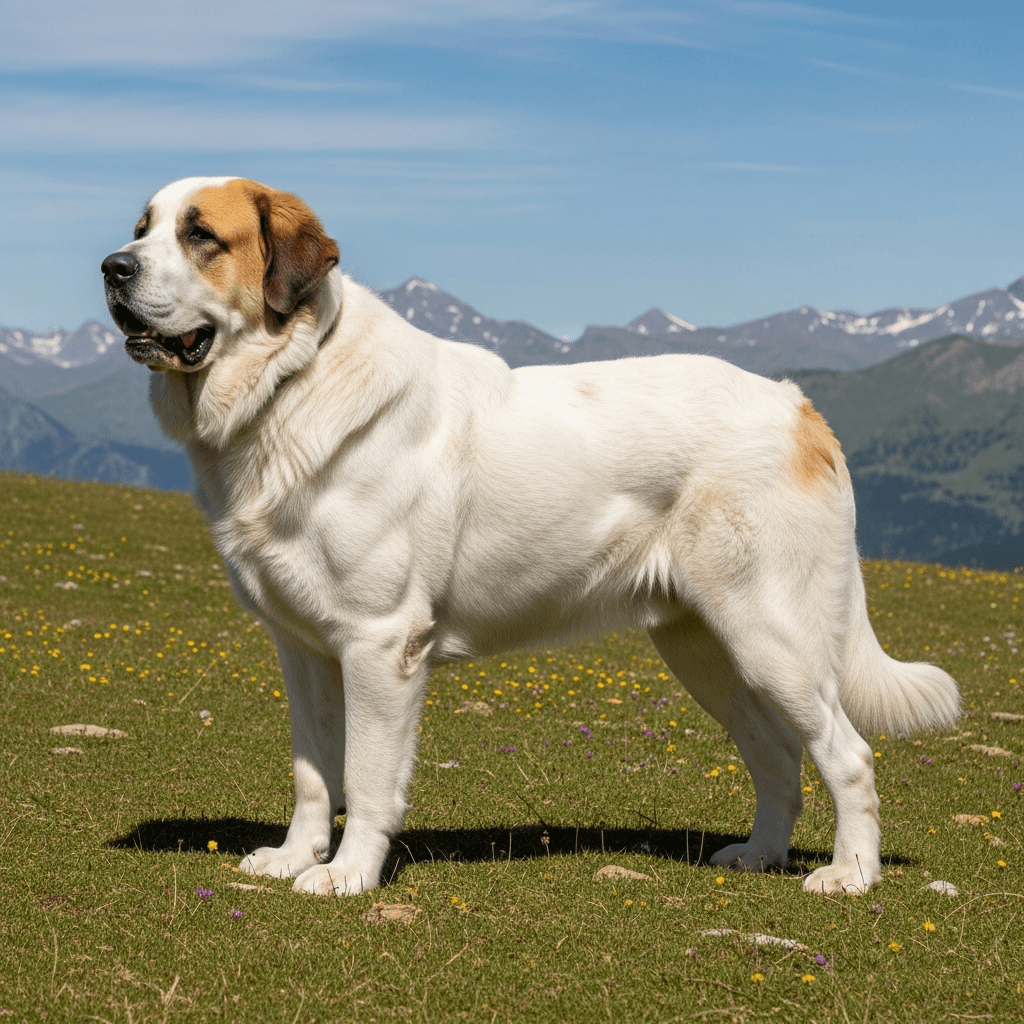
Pyrenean Mastiff
FCI Group
2• FCI 92
Size
Large
Origin Country
ES
Height
72-81 cm
Weight
50-100 kg
Lifespan
12-14 years
Temperament
Overview
The Pyrenean Mastiff, also known as Mastín del Pirineo, fascinates with its majestic stature and rich historical heritage. Originating from the Spanish Pyrenees, this huge and powerful dog has won the hearts of many due to its extraordinary strength, courage, and exceptional loyalty to its family.
In the past, it played an extremely important role as a guardian of sheep herds, protecting livestock from predators such as wolves and brown bears. Its impressive silhouette, massive build, and innate protective instinct make it a reliable guardian and a devoted life companion.
The Pyrenean Mastiff stands out with a friendly, gentle, and balanced temperament, full of dignity and nobility. Thanks to these traits, it is a wonderful family dog, especially recommended for families with children. Despite its impressive size, it surprises with agility and quick reflexes that one would not expect from a dog of such majestic build.
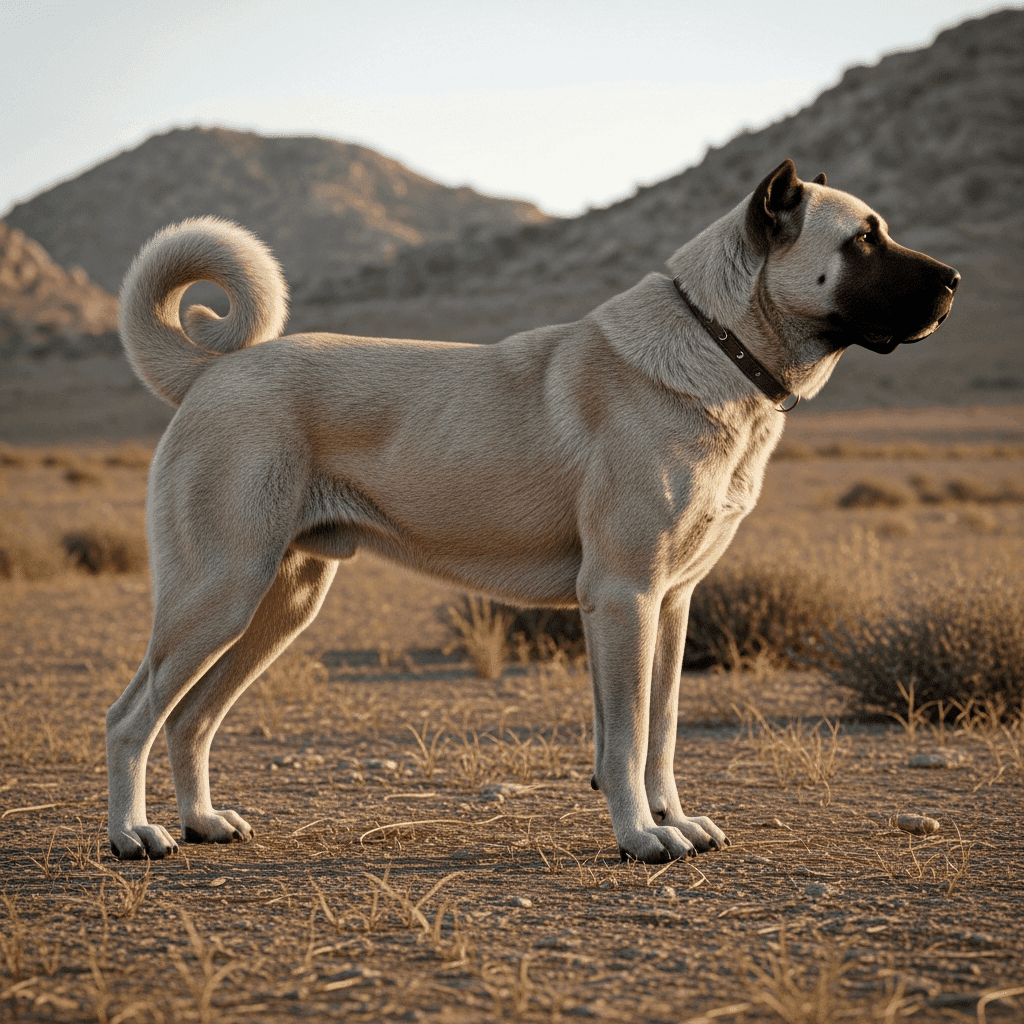
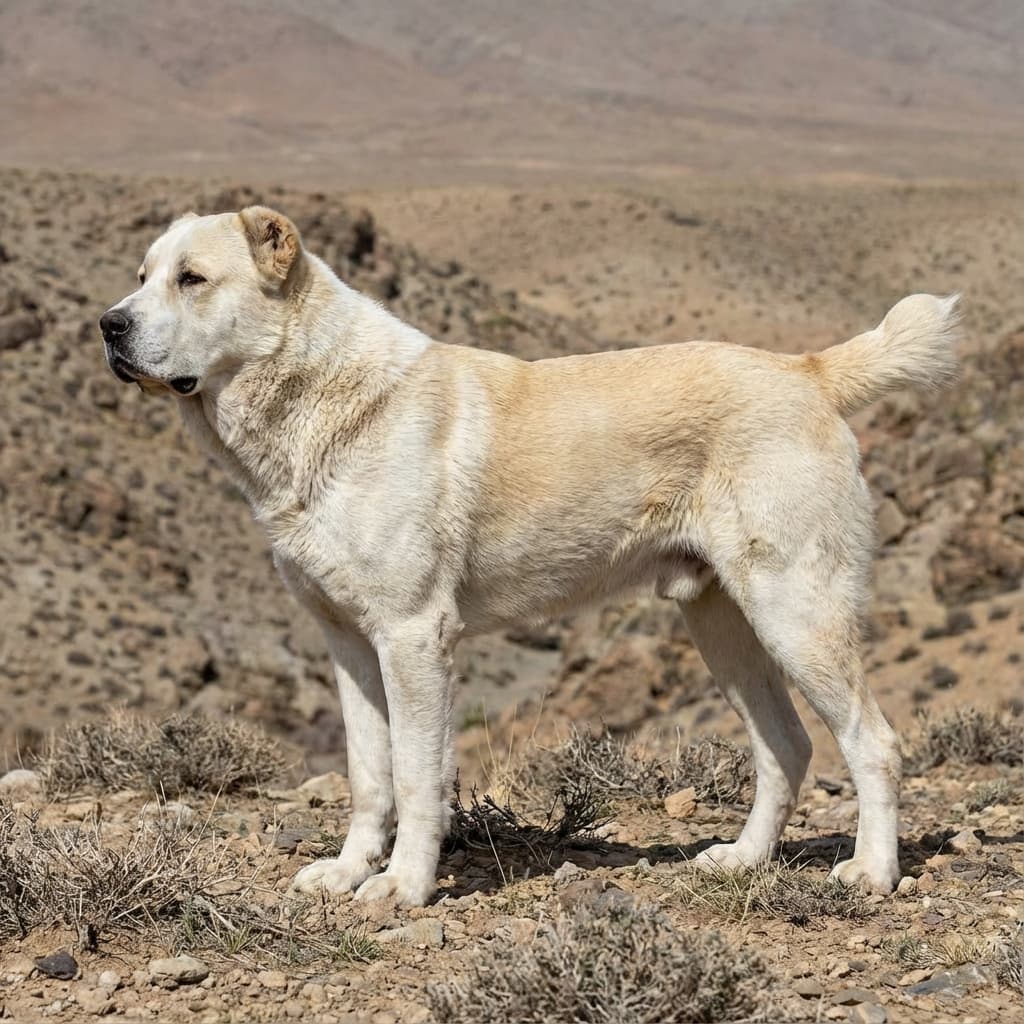
The fascinating coat of the Pyrenean Mastiff is dense and of medium length, most often white with distinctive dark markings on the face and back, giving it a unique and recognizable appearance. Although their lifespan typically ranges from 12 to 14 years, they generally enjoy very good health. However, like many large dog breeds, they can be prone to certain conditions characteristic of giant breeds.
Known for their excellent guarding and defensive abilities, Pyrenean Mastiffs can sense potential threats and respond to them swiftly, making them an ideal choice for those seeking not only a companion but also a reliable defender of the home. Their huge hearts beat primarily for family members, and their boundless devotion makes them favorites in many homes around the world.
With each moment spent with these extraordinary dogs, one discovers their unique character traits and behaviors that make them exceptional life companions. The following sections of this guide will provide you with detailed information about the health, grooming, exercise needs, training, nutrition, history, appearance, and behavior of the Pyrenean Mastiff. We invite you to continue reading to gain a fuller understanding of these remarkable animals and learn how to best coexist with them and provide them with dignified conditions.
The Pyrenean Mastiff is a dog of truly impressive size and massive, muscular build. Adult individuals can reach a height at the withers of 77 cm to 81 cm for males and 72 cm to 75 cm for females. Its build is harmonious and extremely strong, with well-developed muscles that testify to its strength and endurance.
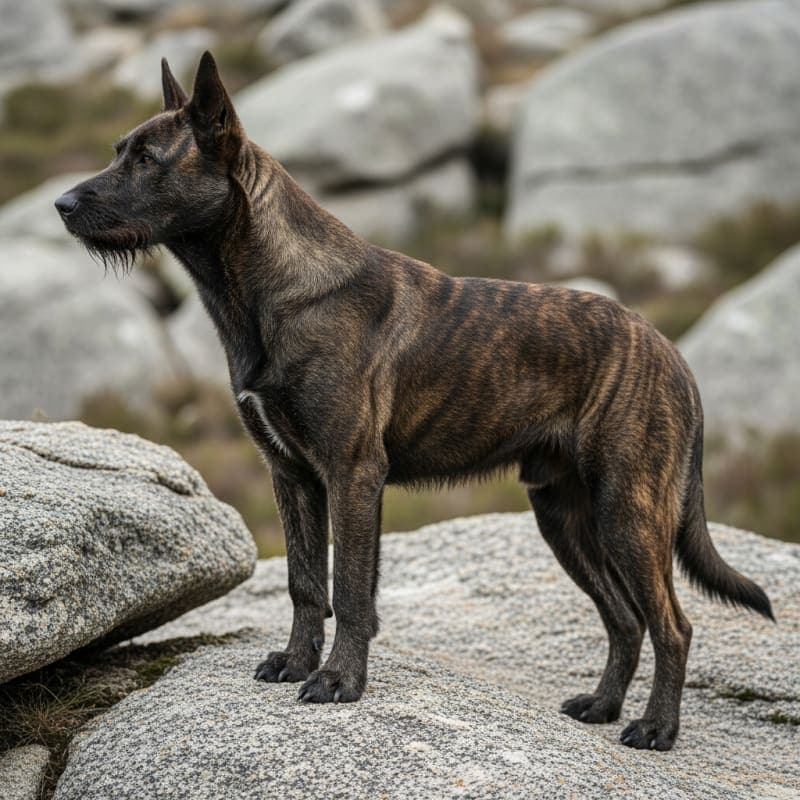
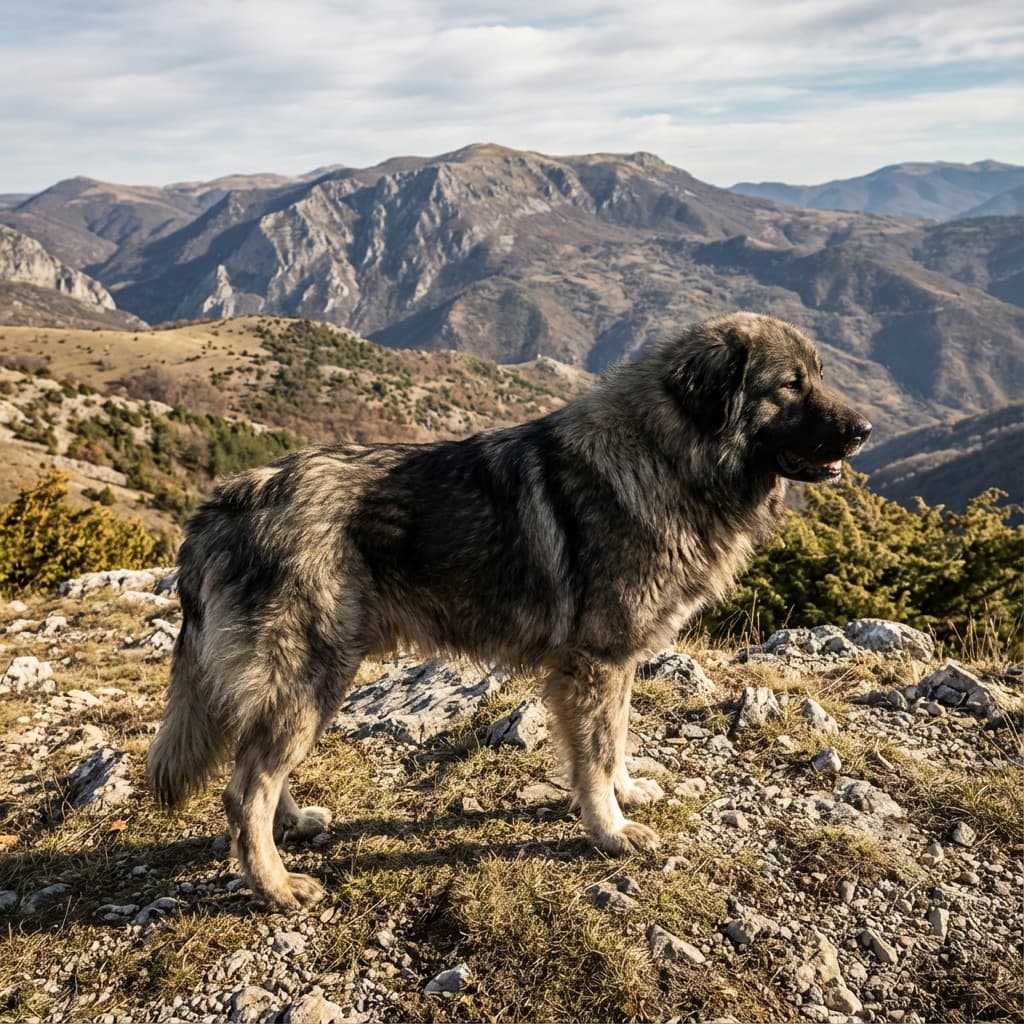
The coat of the Pyrenean Mastiff is dense and of medium length, measuring from 6 to 9 cm on the back, with the longest hair found around the neck, belly, and tail. The coloration is usually white with distinct dark markings, particularly visible around the face, eyes, ears, and on the back, creating a characteristic and recognizable pattern.
The head of the mastiff is large and massive, with a well-defined, broad skull and a strong muzzle of proportional length. The eyes are small and almond-shaped, usually in hazel or dark brown color, giving it a vigilant, intelligent, and dignified expression. The ears are medium-sized, triangular, and hanging, set fairly high on the head.
The tail is thick at the base, tapering towards the end and reaching the level of the hock. When at rest, it is carried down, while in motion, it rises slightly upwards, forming a harmonious arc. Overall, it gives the impression of a powerful, strong, and majestic dog that does not appear clumsy or sluggish.
The chest is deep and wide, providing adequate capacity for the lungs and heart. The back is straight and strong, and the loins are well-muscled. The limbs are straight, parallel, with a strong bone structure and well-developed joints, allowing for free and energetic movement.
The Pyrenean Mastiff is a dog with a truly exceptional, balanced, and dignified temperament. It is friendly towards people, gentle, calm, and extremely intelligent. In relation to strangers, it may show some reserve and vigilance, making it an excellent guard and protection dog. Pyrenean Mastiffs are immensely loyal to their owners and can form strong, deep emotional bonds with the entire family, including children.
With their immense physical strength and body mass, it is essential to provide them with proper socialization from the youngest months of life, so they learn appropriate behaviors towards other dogs, animals, and people. A well-socialized Pyrenean Mastiff is calm, confident, and emotionally balanced.
Although they are large dogs with impressive sizes, Pyrenean Mastiffs are known for being gentle, affectionate, and full of love towards their family. Their deep, resonant, and powerful voice makes them excellent alarm dogs that can effectively warn of potential threats and deter intruders.
However, it is worth remembering that their independent character and strong will can sometimes pose certain challenges during training, so it is important to approach this with appropriate patience, consistency, and positive reinforcement. Pyrenean Mastiffs are intelligent and eager to cooperate, as long as their owner is an authority figure for them.
When interacting with children, the Pyrenean Mastiff is usually very gentle and caring, but due to its size, interactions with small children should always be supervised to avoid accidental knockdowns or injuries during play.
The Pyrenean Mastiff is generally a healthy breed with relatively high resistance, but like many large and giant dog breeds, they can be prone to certain specific conditions. Among the most common health issues that may occur in this breed are hip and elbow dysplasia, which can lead to chronic pain, stiffness, and significant mobility limitations.
Additionally, due to their large body mass and deep chest, the risk of cardiovascular problems and gastrointestinal issues is increased. Pyrenean Mastiffs are also prone to dangerous stomach bloating (gastric torsion), which is a serious life-threatening condition requiring immediate veterinary intervention.
Owners of these dogs should regularly monitor their weight and avoid overeating to minimize the risk of obesity, which can lead to additional health complications such as diabetes, joint diseases, or breathing problems.
Regular veterinary visits and appropriate preventive care, including timely vaccinations, deworming, and health checks, are extremely important for maintaining the health of the Pyrenean Mastiff. With proper veterinary care, a balanced diet, and moderate physical activity, these dogs can enjoy a long and healthy life, with an average lifespan of 12 to 14 years.
It is also worth paying attention to the condition of the skin and coat, as allergic skin reactions and fungal infections may occur. Regular checks of the eyes, ears, and teeth will help prevent common ailments and ensure the dog’s comfort in life.
The care of the Pyrenean Mastiff is relatively simple and not very time-consuming, despite its dense, medium-length coat. It requires regular brushing, preferably two to three times a week, to remove dead hair, prevent tangling, and minimize shedding, which can be particularly intense in spring and autumn during the seasonal coat change.
Pyrenean Mastiffs tend to shed moderately throughout the year, so regular grooming is crucial to reduce the amount of hair in the home and maintain a healthy appearance of the coat. It is recommended to use brushes with metal bristles or undercoat rake combs, which effectively remove the undercoat.
It is also important to pay special attention to the care of ears, eyes, teeth, and nails. Ears should be regularly checked and gently cleaned with a damp gauze to prevent the accumulation of dust, bacteria, and infections, especially in dogs with floppy ears.
Eyes should be monitored for redness, discharge, or tearing, and nails should be trimmed every few weeks to avoid walking issues, slipping, and joint pain. If you hear the sound of nails clicking on the floor, it is a sign that they need to be trimmed.
Bathing the Pyrenean Mastiff should be done as needed, usually every few months, or more frequently if the dog gets dirty. Gentle shampoos designed for dogs should be used to avoid damaging the skin's natural protective layer. Overall, the Pyrenean Mastiff does not require a lot of specialized grooming treatments, but regular care is key to its health, comfort, and aesthetic appearance.
The Pyrenean Mastiff is not a breed that requires huge amounts of intense exercise, but it does need enough space to move freely and regular walks. These dogs are naturally quite calm, balanced, and not overly active, but at a young age, especially as puppies and young individuals, they can be very energetic and require regular physical activity.
Adult Pyrenean Mastiffs are usually content with a moderate amount of exercise, and about 30 to 60 minutes of walks a day should be more than enough to provide them with the right amount of movement, maintain a healthy weight, and ensure good mental well-being.
It is important to avoid intense exercise in excessively high temperatures, as their dense, double coat makes them susceptible to overheating and heatstroke. In summer, walks should be taken early in the morning or late in the evening when it is cooler. In winter, however, Pyrenean Mastiffs can cope well with cold weather conditions thanks to their thick coat.
Besides regular walks, Pyrenean Mastiffs enjoy playing outside in the garden or during trips to the mountains, but they are not as energetic and demanding as some herding or hunting breeds. Their physical activity should be tailored to their age, condition, and health status.
It is worth remembering that these dogs are quite large and strong, so they can easily accidentally knock over smaller children during play, which is why their interactions with children and other pets should always be supervised. Regular physical activity also helps prevent obesity, which is one of the main health threats for this breed.
Training a Pyrenean Mastiff can be quite a challenge, especially for those who do not have prior experience in training large and independent dog breeds. Due to their independent nature, strong will, and intelligence, they require a consistent, patient, and positive approach to training.
Early socialization and training are absolutely crucial to help them become well-behaved, balanced, and obedient adult dogs. Pyrenean Mastiffs are intelligent and learn quickly, but they can also be stubborn and sometimes independent in decision-making.
Therefore, it is important to use positive reinforcement methods, such as treats, verbal praise, and play as a form of motivation for good behavior. Training should be regular, with short (10-15 minutes), but frequent sessions to maintain their interest and attention.
Given their significant physical strength and body mass, it is essential for owners to be confident, consistent, and able to effectively manage the training process while being an authority for the dog. Training should also include basic obedience skills, as well as teaching fundamental commands such as Sit, Lie down, Stay, Come, No, and Leave it.
Pyrenean Mastiffs can also be trained for protection and guarding if their owners plan to utilize them in that role, but this requires specialized training conducted by experienced protection dog trainers.
Harsh training methods, yelling, or physical punishment should be avoided, as they can lead to behavioral problems, loss of trust, and reluctance to cooperate. The Pyrenean Mastiff responds best to patience, consistency, and positive reinforcement.
The nutrition of the Pyrenean Mastiff is crucial for its health, physical condition, and longevity. Due to its large body mass and tendency to gain weight, dogs of this breed tend to gain weight quickly, which can lead to serious health problems, including hip dysplasia, obesity, diabetes, and other metabolic disorders.
Therefore, it is important for owners to be aware of the quantity and quality of food they provide to their dogs. It is recommended to use high-quality dry or wet food specifically designed for large and giant breeds, which provides the appropriate amount of protein, healthy fats, vitamins, minerals, and nutrients necessary for the proper functioning of the body.
Dogs of this breed need regular meals – usually twice a day for adult individuals – to avoid the risk of dangerous gastric bloat (torsion), which can be life-threatening. Puppies and young dogs require more frequent meals, typically three to four times a day, to support their rapid growth and development.
It is also worth avoiding giving table scraps and treats high in fats, salt, sugar, or artificial additives, as they can lead to digestive problems, food allergies, and overweight. Fresh water should always be available to maintain proper hydration.
Monitoring body weight, physical condition, and regular veterinary visits will help ensure that the Pyrenean Mastiff remains in good shape and enjoys a healthy, active life. It is advisable to consult with a veterinarian or animal nutritionist regarding the optimal diet tailored to the dog's age, activity level, and health status.
Characteristic Traits
Pros
- Devoted and loyal family companion
- Great guardian of the home and defender
- Friendly and gentle with children
- Agile despite large size
- Intelligent and easy to train
- Calm and balanced temperament.
Cons
- High spatial and housing requirements
- May be prone to conditions common in large breeds
- Requires consistent and patient training
- Intense shedding in spring and autumn
- Risk of gastric bloat
- Requires regular physical activity.
Behavioral Ratings
Breed History
The Pyrenean Mastiff has a long, fascinating, and rich history, dating back to ancient times when it was used for protecting sheep and cattle in the harsh, mountainous regions of the Pyrenees in northeastern Spain. This breed was primarily developed in the regions of Aragon and Castile, where it served as a reliable guardian for sheep, protecting them from predators such as wolves, brown bears, and lynxes.
Over the centuries, Pyrenean Mastiffs have gained a reputation as reliable, brave, and loyal guard dogs, and their impressive stature, massive build, physical strength, and protective instinct made them ideal for this challenging and responsible task. Breeders valued them not only for their defensive abilities but also for their gentle temperament towards owners and livestock.
Unfortunately, during the Spanish Civil War from 1936 to 1939, their numbers significantly decreased, as many people could not afford to keep these large dogs during difficult economic times. Additionally, the modernization of agriculture and the decline of traditional shepherding reduced the need for flock protection, further impacting the population decline of this breed.
Fortunately, in the 1970s, a group of enthusiasts and dedicated breeders began to work intensively on reviving the breed, conducting careful selection, crossbreeding, and pedigree registration. Their efforts led to the official recognition of the breed by the International Canine Federation (FCI) in 1982, which was a tremendous success for the breed's enthusiasts.
Today, the Pyrenean Mastiff is a valued breed, known not only in Spain but also in many other countries around the world, including the United States, France, Germany, and Poland, where it wins the hearts of dog lovers with its gentle temperament, devotion, defensive abilities, and unique character. It is a symbol of the cultural heritage of the Pyrenees and a living testament to the pastoral traditions of this region.