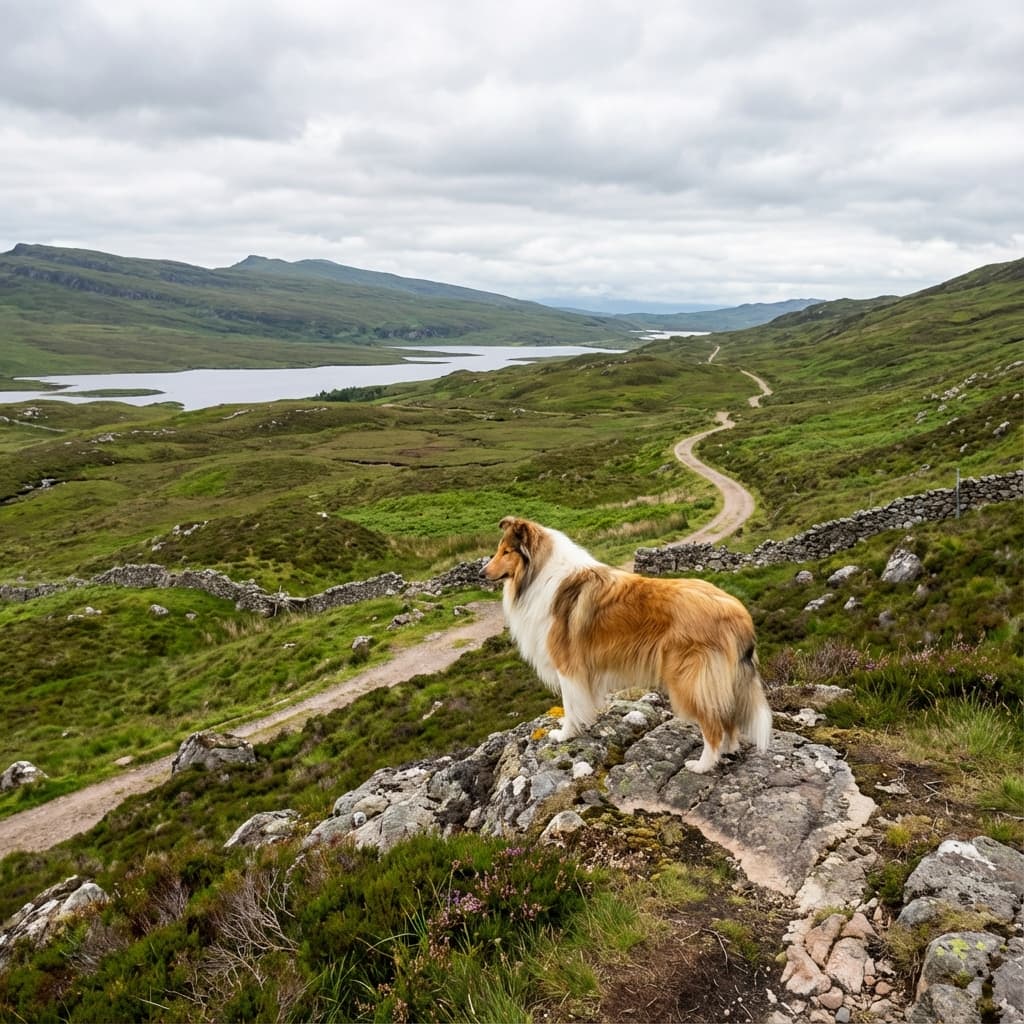
Scottish Long-Haired Shepherd
FCI Group
1• FCI 156
Size
Medium
Origin Country
GB
Height
51-61 cm
Weight
20-30 kg
Lifespan
11-15 years
Temperament
Overview
The Scottish Longhaired Shepherd, also known as the Rough Collie, is an exceptional dog breed that has been captivating animal lovers around the world for generations. Famous for its loyalty, intelligence, and extraordinary grace, this dog has a fascinating history dating back to Roman times. It was then that soldiers of the Roman Empire brought herding dogs to Scotland, which were subsequently crossbred with local breeds. As a result of this centuries-long selection, Scottish shepherds evolved into the longhaired collie we know today.
The breed standard was developed in the 19th century, and the Rough Collie quickly gained popularity due to its exceptional intelligence, undeniable beauty, and gentle temperament. In popular culture, this breed has been immortalized by the legendary Lassie, who has consistently captured the hearts of viewers worldwide since the 1950s, becoming a symbol of canine loyalty and courage.
The Scottish Longhaired Shepherd is a medium-sized dog with long, dense fur that requires regular and systematic grooming. Its friendly temperament and high intelligence make it extremely easy to train. It excels as a companion dog and fits perfectly into families with children, showing angelic patience and protectiveness towards them.
As a breed with herding roots, Scottish Longhaired Shepherds have retained a strong instinct to herd and organize, which can influence their interactions with other animals and household members. They enjoy being the center of family attention and need plenty of interaction with people and regular intellectual stimulation. These dogs are exceptionally emotionally sensitive, capable of sensing their owners' moods and adjusting their behavior accordingly.
Their thick undercoat provides excellent protection against cold and moisture; however, in summer, shepherds may struggle with proper body temperature regulation. Therefore, proper grooming, access to shade and fresh water, and regular but moderate physical activity are crucial to keep them in excellent health and mental condition. In the following chapters of this comprehensive guide, you will learn much more about health, detailed grooming, effective training, proper nutrition, rich history, distinctive appearance, and fascinating behavior of this wonderful breed.
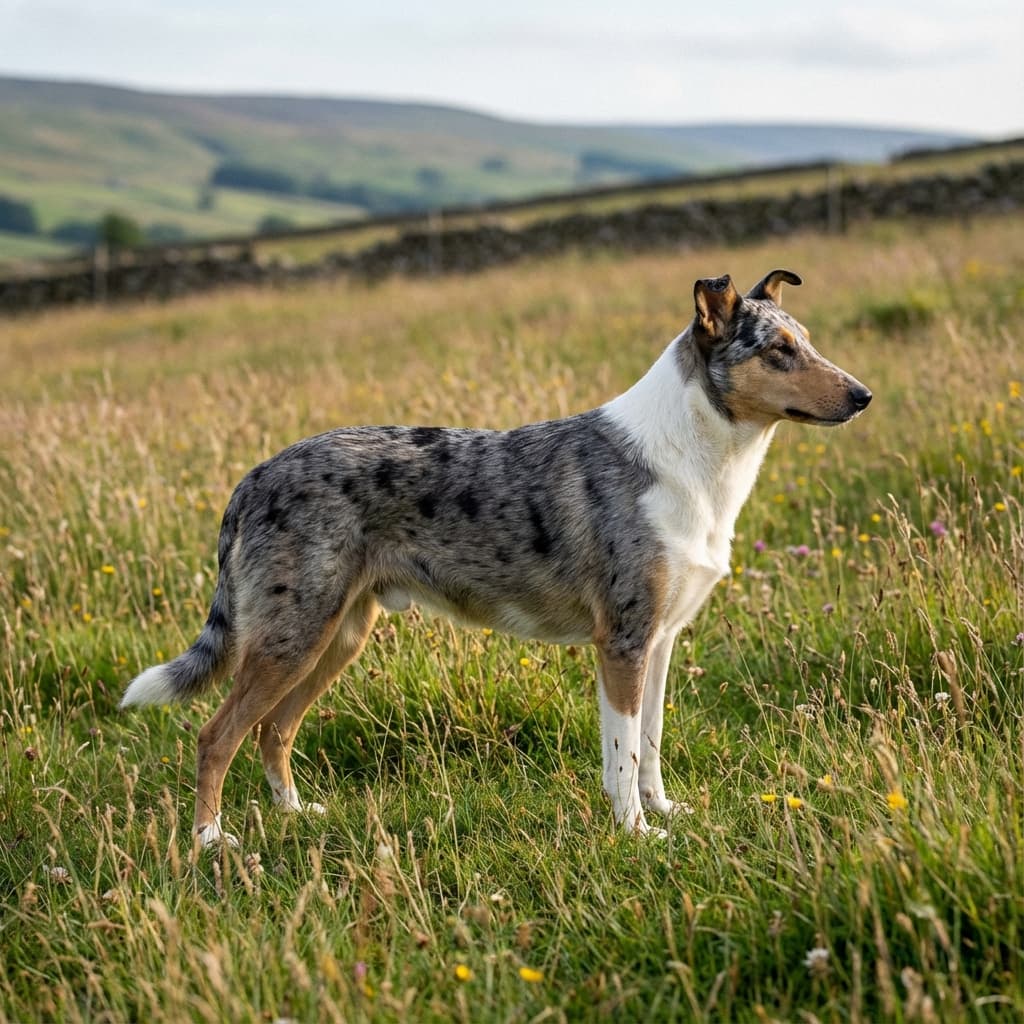
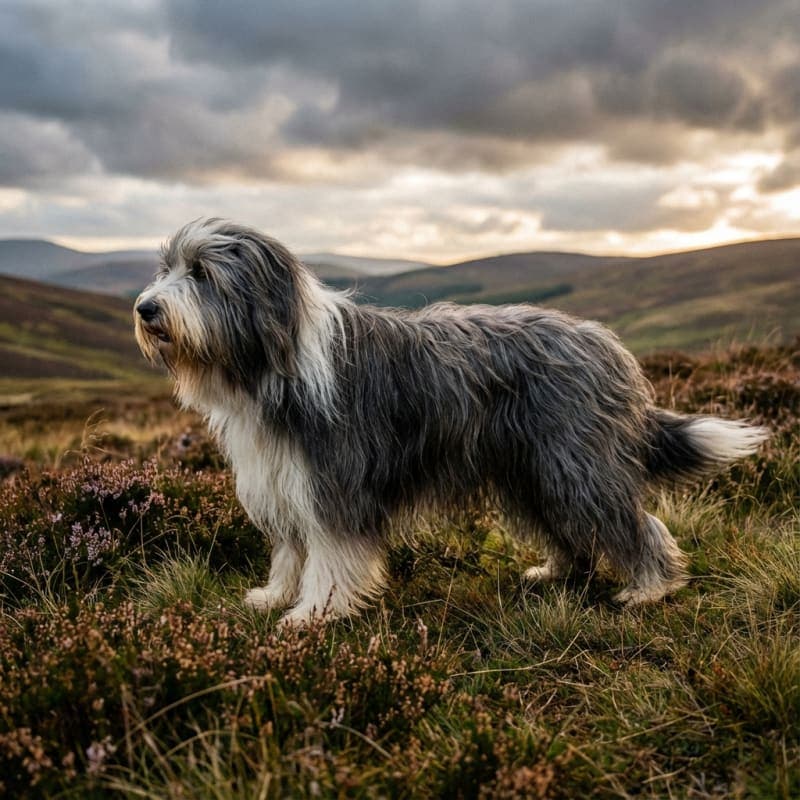
The long-haired Scottish Shepherd is a dog with an exceptionally elegant and harmonious silhouette, characterized by a long, dense coat that gives it a truly majestic and noble appearance. Height at the withers ranges from 51 to 61 cm (females are usually shorter than males), and weight oscillates between 20 and 30 kg, depending on gender and individual anatomical features.
The head of the collie is proportional to the rest of the body, with a flat skull and a clearly defined stop. The eyes are medium-sized, almond-shaped, with an intelligent and alert expression, which adds a special charm to the dog and gives it a distinctive look. The ears are relatively small, set at an appropriate distance from each other, and may be slightly folded at the top, which is a desirable breed characteristic.
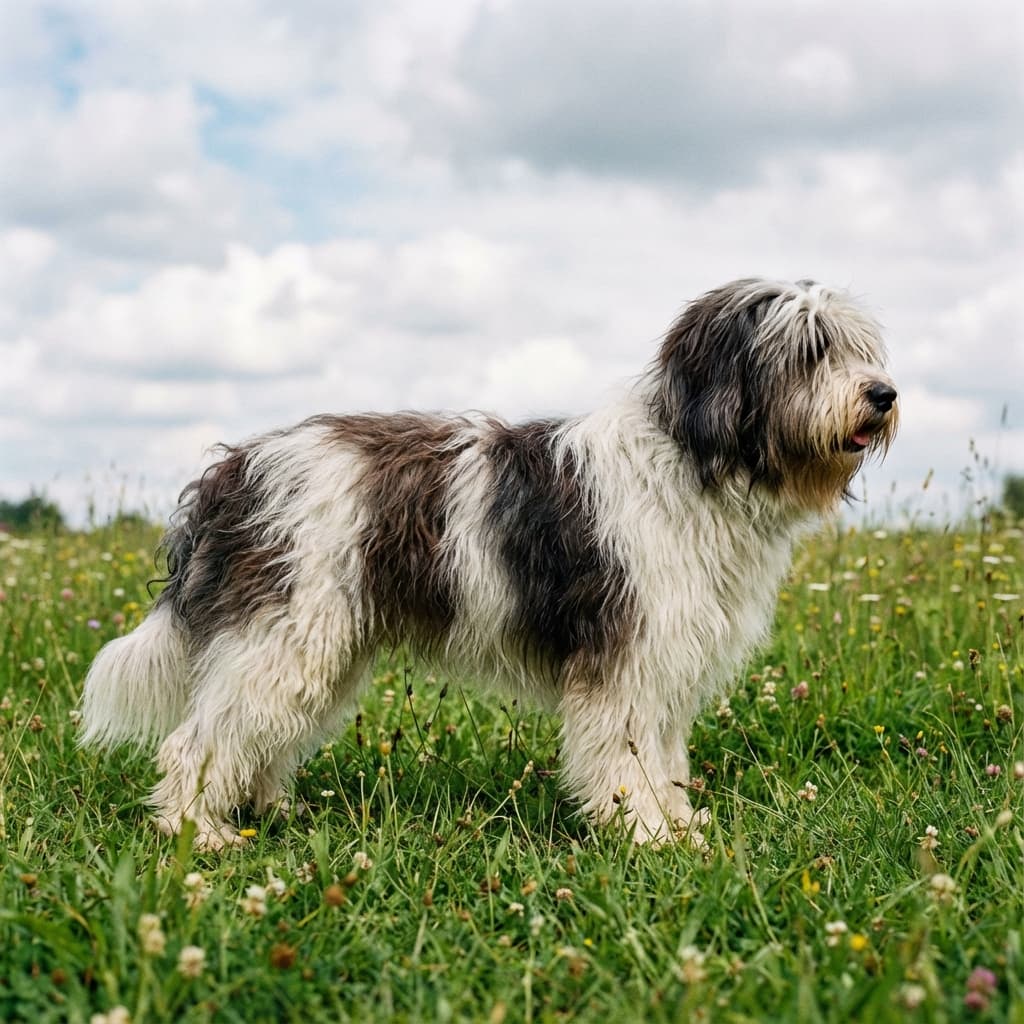
The coat consists of a dense, soft undercoat and a long, straight outer coat that is rough to the touch and provides excellent protection against weather conditions. The length of the fur around the neck and chest forms a rich, characteristic collar (known as a mane), which further emphasizes the elegance and nobility of this breed.
The coat color of the collie can be diverse and includes several accepted variations:
- Golden (sable) - from light gold to dark mahogany
- Tricolor (tricolour) - black with tan and white markings
- Blue merle - silver-blue with black patches
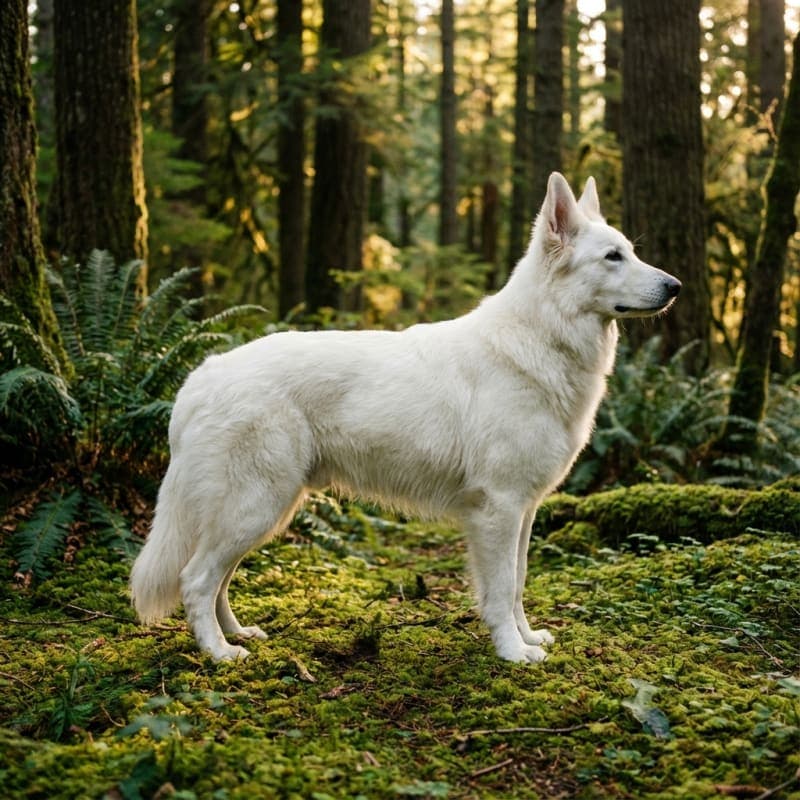
- White - with colored markings on the head
The tail is long, abundantly covered with dense fur, carried low at rest, but in a state of joyful excitement or during movement, it may be raised in a characteristic manner. The movement of the long-haired Scottish Shepherd is very impressive and distinctive - the dog moves smoothly, lightly, and with great grace, with a well-built body that allows it to move freely and perform agile maneuvers during herding work.
The Scottish Longhaired Shepherd is a dog with an exceptionally friendly, gentle, and balanced temperament. It is characterized by extraordinary intelligence and a natural willingness to cooperate with humans, making it an excellent companion for families with children of all ages. This breed is particularly known for its strong herding instinct, which can manifest as gently herding children, other pets, or even guests, a remnant of centuries of breeding work.
Rough Collies are pack dogs that do not tolerate prolonged solitude and need constant, close contact with people to feel happy and fulfilled. Their gentle and empathetic nature makes them excellent companions for both seniors seeking a calm partner and active families with children. Early and consistent socialization is absolutely crucial for the proper development of the shepherd, as it helps them confidently handle new situations, people, and environments.
This breed is known to be somewhat shy or cautious around strangers; however, with appropriate, gradual introduction, they become very friendly and open. Rough Collies are extremely sensitive to the mood of their owners and often intuitively adjust their behavior to the prevailing atmosphere in the home - they can be comforters in difficult times and playmates in joyful moments.
These dogs are also moderately territorial, making them good, alert guardians of the home. Their barking is more alarming and informative than aggressive - collies warn of unusual situations but rarely show true aggression. Owners should ensure proper, systematic socialization and positive training to ensure that the dog develops in a healthy, balanced, and stimulating environment that meets both its physical and mental needs.
The long-haired Scottish Shepherd, known for its longevity, has an average lifespan of 12 to 14 years, although many individuals can live to 15 years and beyond with proper care. This breed is generally healthy and resilient, but like all purebred dogs, it is susceptible to several specific genetic and acquired health issues.
The most common health problems occurring in long-haired Scottish Shepherds include:
- Collie Eye Anomaly (CEA) - a congenital eye developmental defect that can lead to vision problems
- Progressive Retinal Atrophy (PRA) - a degenerative eye disease leading to blindness
- Hip Dysplasia - a developmental joint defect that can cause pain and mobility issues
- Drug Sensitivity (MDR1) - a genetic mutation causing toxic reactions to certain medications
- Epilepsy - neurological disorders leading to seizures
- Gastric Torsion - a sudden, life-threatening condition requiring immediate veterinary assistance
- Skin and Food Allergies - which can cause itching, hair loss, and discomfort
Due to their characteristic double, dense coat, shepherds can be sensitive to high temperatures, which can lead to overheating and heatstroke. Owners must be particularly vigilant during the summer months and ensure their dog has access to shade and fresh water.
It is also important to note that some individuals may have a tendency toward overweight and obesity, which can lead to additional health problems, including heart disease, diabetes, and joint issues. Owners should ensure a proper, balanced diet and regular physical activity to prevent obesity and all related health complications.
Regular veterinary visits are absolutely crucial for monitoring health status and early detection of potential health issues, allowing for prompt medical intervention and appropriate treatment. Genetic testing is also recommended before breeding to minimize the risk of inheriting genetic diseases.
Grooming a long-haired Scottish Shepherd requires regularity, consistency, and considerable commitment from the owner. Their characteristic, dense, double coat requires brushing at least three to four times a week to effectively prevent matting, the formation of tangles, and to remove dead hair while distributing natural skin oils throughout the length of the coat.
During the intense shedding period, which occurs especially in spring and autumn, shepherds can lose truly impressive amounts of undercoat. During this time, significantly more intensive brushing, even daily, is absolutely recommended and necessary. It is worth equipping yourself with the right grooming tools:
- A brush with long metal pins (slicker brush)
- A metal comb with wide and narrow teeth
- A special undercoat brush (undercoat rake)
- Hairdressing scissors for trimming excess hair
It is also important to regularly check the ears to ensure that no dirt, excess wax, or moisture accumulates, which can lead to infections. Bathing the shepherd is recommended every four to six weeks, unless the dog is particularly dirty or has skin issues requiring more frequent therapeutic baths.
It is also advisable to systematically care for the long hair on the front and back paws, which tend to collect dirt, dust, mud, and small twigs during walks. Regular trimming of the hair between the toes prevents slipping and the accumulation of debris. Nail care should be done every three to four weeks, and teeth care - ideally daily or at least three times a week.
Grooming the coat is not just a matter of aesthetics and appearance, but above all a fundamental aspect of the dog's health, as neglecting it can lead to serious skin problems, infections, overheating in summer, and overall discomfort for the animal. Owners should be fully aware of the need for regular and time-consuming grooming to ensure their pet's maximum comfort, health, and well-being throughout its life.
Scottish Collies are dogs with moderate to high exercise needs, requiring regular physical activity to maintain good physical and mental health. It is recommended to take daily walks totaling 60 to 90 minutes, preferably divided into two or three shorter sessions, which helps meet their natural physical, cognitive, and social needs.
These dogs are naturally active, energetic, and love to run, especially in open spaces, so it's important to provide them with the opportunity to run freely in a safe, enclosed environment, such as a private garden, a dog park, or a public park. Regular physical activity is absolutely crucial, as lack of proper exercise can lead to obesity, health issues, and serious behavioral problems stemming from frustration, boredom, and pent-up energy.
Rough Collies are also known for their innate herding instinct, which means they may be naturally inclined to herd children, other pets, or even running people, which can be fun and charming but also requires proper supervision and training to prevent undesirable behaviors.
In addition to standard daily walks, it is beneficial to introduce a variety of stimulating forms of activity, such as:
- Running or jogging with the owner
- Playing with a ball, frisbee, or other retrieving toys
- Agility and obstacle courses
- Swimming (in warmer months)
- Hiking and trekking in the terrain
- Obedience training and tricks
- Scent games and searching activities
These varied activities not only provide adequate physical exercise but also offer essential mental stimulation, strengthen the emotional bond between the dog and the owner, and prevent boredom. However, it is important to remember to adjust the intensity and duration of exercise during the summer months, as Collies with their thick coats are prone to overheating.
Training a long-haired Scottish shepherd can be an incredibly rewarding and enjoyable experience for both the dog and the owner, but it requires patience, consistency, and a positive approach. This breed is characterized by exceptional intelligence and a natural willingness to cooperate with humans, which makes it easy and quick to learn new commands, tricks, and complex sequences of behavior.
However, training should be conducted exclusively in a positive manner, using treats, verbal praise, toys, and petting, as harsh, punitive methods can lead to fear, loss of trust, stress, and long-term disobedience. Scottish shepherds are extremely emotionally sensitive dogs and react poorly to raised voices or physical punishment.
Owners should provide regular, short training sessions (10-15 minutes, 2-3 times a day) to keep the dog in good physical and mental shape and to prevent boredom and loss of concentration. It is advisable to start training at a young puppy age (from 8-10 weeks old) to help the dog develop appropriate behaviors, social skills, and good obedience.
Key aspects of training a Scottish shepherd:
- Basic commands: Sit, Lie down, Stay, Come, Wait
- Walking on a loose leash without pulling
- Recall in any conditions
- Control of herding instinct and barking
- Patience and calmness in various situations
- Socialization with people, dogs, and other animals
It is particularly important to socialize the shepherd early and systematically to acclimate him to various life situations, sounds, smells, places, and people, which will effectively help prevent anxiety, shyness, and behavioral problems in adult life. Puppies should be gradually introduced to different environments - cities, parks, stores, public transportation.
Proper, consistent, and positive training of a long-haired Scottish shepherd is a wise investment in the future that will bring tremendous benefits in daily life with the dog, ensuring harmonious coexistence, safety, and mutual joy for many years to come.
The diet of the long-haired Scottish shepherd should be carefully selected, properly balanced, and tailored to its age, weight, level of physical activity, and individual health needs to fully meet all the nutritional requirements of this breed. Owners should provide the dog with high-quality food, preferably designed for medium-sized, active, or long-haired breeds, containing appropriate proportions of animal protein, fats, carbohydrates, vitamins, and minerals.
It is generally recommended to feed two meals a day (morning and evening) to adult dogs to avoid digestive issues and reduce the risk of dangerous gastric torsion. Puppies should receive three to four smaller meals a day, gradually reduced as they age.
It is important to pay special attention to the amount of food given, as some Scottish shepherds have a natural tendency to gain weight, especially if their activity level is not sufficiently high. Obesity can lead to serious health problems, including heart disease, diabetes, joint issues, and a shortened lifespan.
Nutritional recommendations:
- Premium or super-premium dry food as the base of the diet
- Possibility of supplementing with wet food (up to 25% of the daily portion)
- Animal protein as the first ingredient (chicken, beef, fish)
- Avoiding grains in dogs with allergies or sensitive stomachs
- Addition of omega-3 and omega-6 fatty acids for healthy skin and coat
- Glucosamine and chondroitin for joint support
- Antioxidants for immune system support
It is important to avoid giving the dog table scraps, which can be unhealthy, too fatty, overly seasoned, and completely inappropriate for its diet and digestive system. Some food products can even be toxic to dogs (chocolate, onions, garlic, grapes, xylitol).
It is also necessary to ensure the dog has constant access to fresh, clean drinking water, especially during the summer and after intense physical exertion. Dietary supplementation with specialized preparations may be necessary for older dogs, dogs with health issues, or nutritional deficiencies, so regular consultations with a veterinarian or certified pet nutritionist are extremely important for the optimal health and longevity of the shepherd.
Characteristic Traits
Pros
- Exceptionally intelligent and easy to train
- Friendly and gentle disposition
- Excellent family and companion dogs
- Strong herding and protective instincts
- Beautiful and elegant silhouette.
Cons
- Requires regular and time-consuming coat care
- Needs a lot of attention and social interaction
- May have difficulty regulating temperature in summer
- Tendency to bark and herd
- Sensitivity to certain medications (MDR1 mutation)
Behavioral Ratings
Breed History
The Scottish Long-Haired Shepherd, commonly known as the Rough Collie, has an incredibly rich and fascinating history that dates back to the ancient Roman times. Historians and cynologists believe that the distant ancestors of this breed were brought to the British Isles by Roman soldiers and colonists around the 1st-2nd century AD, who needed efficient, intelligent dogs capable of effectively managing flocks of sheep, cattle, and other livestock.
As the centuries passed, these immigrant herding dogs were systematically crossed with local, indigenous herding dogs inhabiting the areas of present-day Scotland, which ultimately led to the emergence of the unique breed we know and cherish today. The name Collie likely comes from a Scottish dialect and refers to black sheep (coaly), which these dogs herded in the challenging, mountainous terrains of the Highlands.
In the 19th century, Scottish shepherds began to gain increasing popularity beyond rural areas, and their breeding became more organized and professional. This breed was particularly valued by Scottish farmers and shepherds, who highly appreciated their exceptional ability to work independently, intelligence, loyalty, and reliability in the most challenging weather conditions.
In 1860, the first official collie breeders' association was established, which began working on standardizing the breed's standard. In 1886, the first Scottish Long-Haired Shepherd was registered with the prestigious British Kennel Club, marking the beginning of an era of systematic, documented breeding of this breed.
In the 20th century, collies became extremely popular worldwide thanks to cinema and television. A true breakthrough was the iconic film and television series Lassie, which debuted in the 1940s and continued for decades, contributing to a dramatic increase in the breed's popularity in North America, Europe, and other parts of the world. The character Lassie - an incredibly intelligent, brave, and loyal collie - became a global symbol of canine fidelity and heroism.
Queen Victoria was also a great admirer of the breed, which further elevated its prestige in Victorian society. Today, Scottish Long-Haired Shepherds are valued both for their historical herding skills and as wonderful companion dogs, and their history is inextricably linked to the history of Scotland, British culture, and the development of modern cynology. This breed remains a living testament to the centuries-old cooperation between humans and dogs.