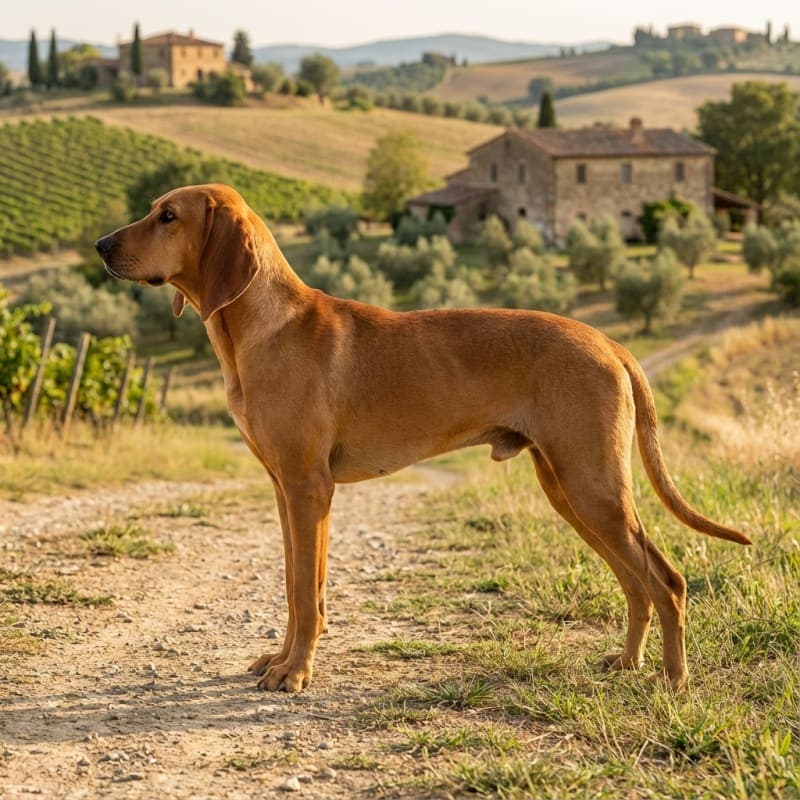
Italian Shorthaired Hound
FCI Group
6• FCI 337
Size
Medium
Origin Country
IT
Height
48-58 cm
Weight
18-28 kg
Lifespan
10-15 years
Temperament
Overview
The Italian Shorthaired Hound, also known as Segugio Italiano a Pelo Raso, is a unique breed of dog with a rich, centuries-old history. It originates from Italy and has been valued since ancient times for its extraordinary hunting abilities and versatility in hunting. Its history dates back to ancient Egypt, where primitive hunting dogs became the ancestors of modern Italian hounds. Phoenician traders brought these remarkable animals to the shores of the Mediterranean, where they reached Italy and gave rise to the current breed.
Numerous frescoes, sculptures, and paintings from the time of the Egyptian pharaohs depict dogs strikingly similar to today's Italian hounds. Characteristic drooping ears, a sign of advanced domestication, are already visible in these ancient representations. We can admire the silhouettes of these dogs in statues of Diana the Huntress at the Museum in Naples and Diana with a bow and arrow in the Vatican Museums. The 17th-century Borso d'Este Castle contains paintings depicting the ideal type of modern Italian hound.
This breed particularly excels in hunting hares and wild boars, where its exceptional sense of smell, endurance, and intelligence make it an indispensable companion for hunters. The Italian Shorthaired Hound is not only an excellent working dog – it is also a wonderful companion for families and active owners. It combines energy, courage, and endurance with a gentle, friendly disposition, making it a versatile dog for both work and companionship.
It is a medium-sized dog with an elegant, harmonious body structure and short, easy-to-care-for coat. Despite its hunting purpose, it also excels as a companion dog – it is loyal, devoted, and quickly becomes a full-fledged member of the family. Its intelligence and willingness to cooperate create a deep bond with its owner.
In the following sections of this guide, we will discuss all aspects of life with the Italian Shorthaired Hound in detail: health, grooming, exercise requirements, training methods, optimal nutrition, the fascinating history of the breed, a detailed description of appearance and temperament. With this comprehensive guide, you will learn all the unique features and advantages of this intriguing breed and discover how to provide your four-legged friend with the best care and quality of life.
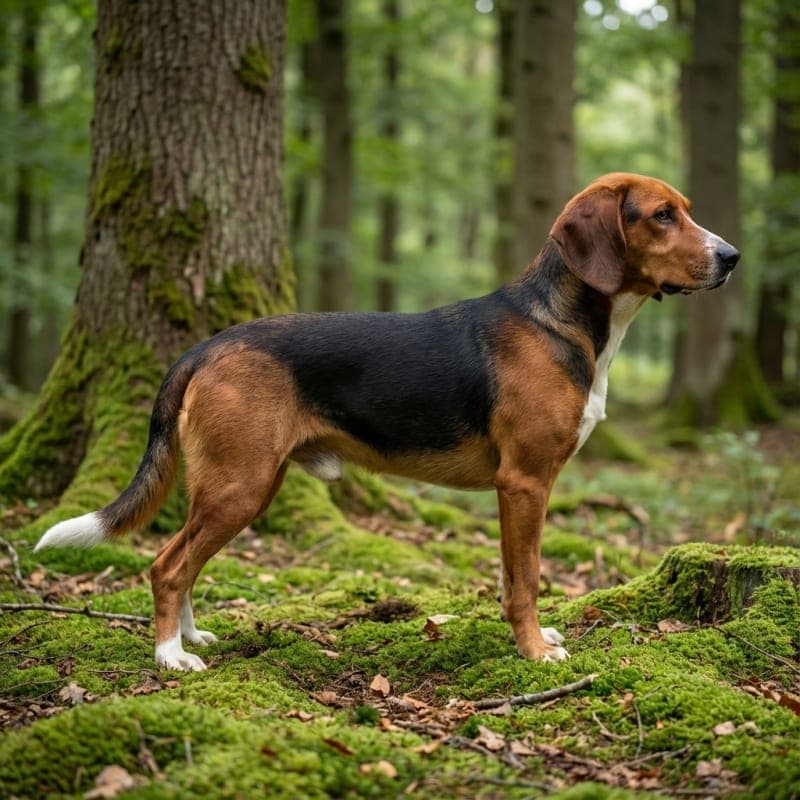
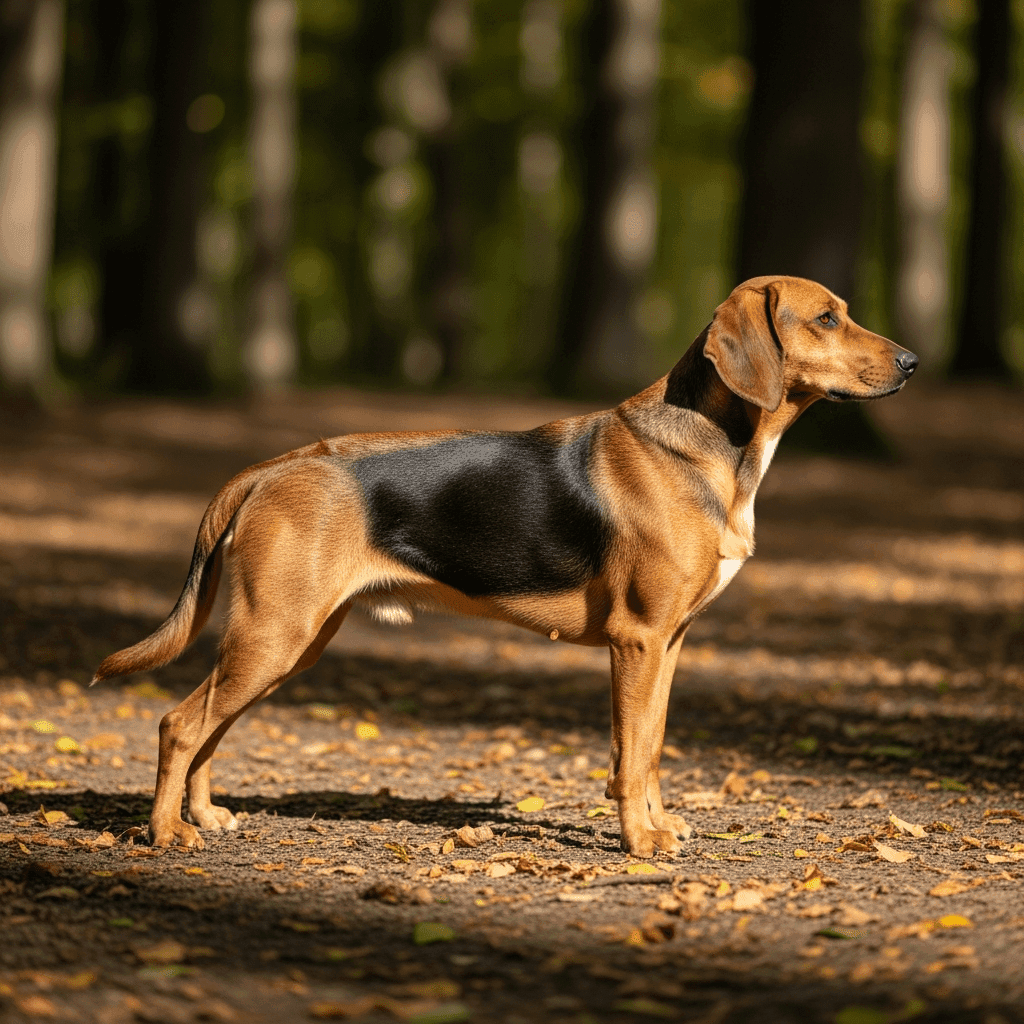
The Italian Shorthaired Hound is a dog with medium proportions and a harmonious build, which combines elegance with a strong, functional body structure. Its silhouette is well-balanced, with a strong skeleton and well-developed musculature, making it ideal for long-lasting hunts in difficult terrain.
Dimensions and general build: The height at the withers ranges from 48 to 58 cm, and the body weight oscillates between 18–28 kg. These proportions provide the dog with appropriate agility and endurance while working in the field. The body structure is compact but not heavy – the dog should give an impression of lightness and flexibility.
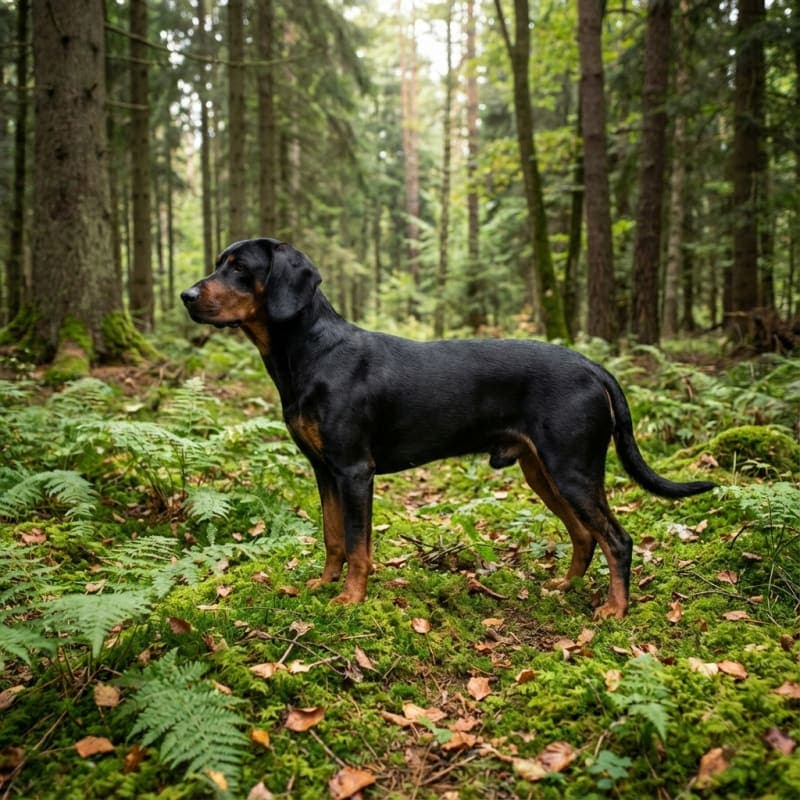
The coat is short, smooth, and closely adhering to the body, giving the dog a neat, elegant appearance and facilitating movement in dense underbrush during hunts. The short hair structure minimizes the risk of dirt and makes grooming easier, which is a practical advantage for active owners.
The head is long and slender, with a slightly convex skull and a clearly defined stop. The proportions of the head are harmonious and typical for hound breeds. The ears are long, wide, and hanging, reaching beyond the end of the muzzle – this is one of the most characteristic elements of the breed's appearance, giving the dog a recognizable, noble expression.
The eyes are large, almond-shaped, with a dark amber color that gives the gaze a gentle, friendly, and intelligent expression. Dark eyelids emphasize the shape of the eye and add depth to the gaze.
Overall, the Italian Shorthaired Hound presents a harmonious, balanced body structure that perfectly combines the functionality of working dogs with the elegant, aristocratic appearance typical of Italian hunting breeds.
The Italian Shorthaired Hound is characterized by a stable temperament and balanced disposition, typical of working dogs with a long tradition of cooperation with humans. This is a dog with a distinct personality that combines the traits of an excellent hunter with those of a loyal family companion.
In relation to the owner, the Italian Hound is exceptionally loyal, devoted, and attached. It forms a deep emotional bond with its caregiver and family members, making it an excellent companion dog. Its devotion is manifested in the willingness to cooperate and readiness to perform tasks.
In contact with strangers, the Italian Hound can be reserved and cautious, which is a natural trait of working dogs. It is not overly sociable towards unfamiliar people, maintains distance, and needs time to accept new individuals. However, this does not indicate aggression – rather a healthy instinct and caution.
These dogs are energetic, full of life, and resilient, making them ideal companions for active families who enjoy spending time outdoors. Their strong hunting instinct means they can be quite independent and self-sufficient in decision-making during work, which requires consistent yet positive training from an early age.
The Italian Hound excels in teamwork – it is a dog that enjoys working with other dogs during hunts, making it suitable for pack work. This social trait also translates into positive relationships with other pets, provided proper socialization is undertaken.
In interactions with children, the Italian Hound is usually gentle, patient, and caring, making it an excellent choice for families with children. Its balanced temperament and gentleness allow it to tolerate children's play, although interactions between the dog and small children should always be supervised.
In summary, the Italian Shorthaired Hound is a dog with a multifaceted character – a combination of the independence of a hunter, the loyalty of a companion, and the gentleness of a family dog, making it a versatile breed for experienced, active owners.
The Italian Shorthaired Hound is a breed that is generally healthy and resilient, which is the result of centuries of functional selection and the natural lifestyle of working dogs. However, like any breed, it can be prone to certain conditions that are worth knowing about to ensure optimal living conditions and veterinary care for the dog.
Most common health issues:
- Hip dysplasia – an orthopedic condition involving improper development of the hip joint, which can lead to pain and limited mobility. Regular orthopedic examinations and weight control help minimize the risk.
- Ophthalmic problems – some lines may be prone to eye conditions such as cataracts or progressive retinal atrophy (PRA). Regular veterinary eye examinations allow for early detection of problems.
- Ear infections – the long, drooping ears of hounds can be prone to infections, especially with insufficient ventilation. Regular inspection and cleaning of the ears prevent issues.
Health care recommendations:
Key to keeping the Italian hound in good condition is regular health monitoring through veterinary visits – annual preventive check-ups and updates on vaccinations are recommended. A healthy, balanced diet tailored to the level of activity and sufficient exercise are fundamental elements of health prevention.
An additional advantage of this breed is its short coat, which requires minimal grooming and does not promote the development of skin problems. Regular brushing helps monitor skin condition and early detection of any changes.
Responsible breeders conduct genetic and health tests on the parents before breeding, which minimizes the risk of hereditary conditions. When choosing a puppy, it is worth ensuring that it comes from a line with documented health of its ancestors.
In summary, with proper care, a healthy diet, and regular veterinary check-ups, the Italian Shorthaired Hound can enjoy a long, healthy life, remaining an active and energetic companion for many years.
The care of the Italian Shorthaired Hound is relatively easy and low-maintenance, making this breed an excellent choice for owners who prefer dogs with minimal grooming requirements. The short, smooth coat does not require complicated treatments or professional grooming.
Coat care:
Regular brushing once a week with a soft brush or rubber glove is completely sufficient to remove dead hair, dirt, and stimulate skin circulation. Brushing also helps maintain the natural shine of the coat and allows for early detection of any skin problems, ticks, or other parasites.
During increased shedding periods (spring and autumn), it is advisable to increase the brushing frequency to 2–3 times a week to more effectively remove dead hair and minimize its presence in the home.
Bathing should be done only when absolutely necessary – usually 3–4 times a year or when the dog is heavily soiled. Too frequent baths can strip the skin of its natural protective oils, leading to dryness and irritation. Gentle shampoos specifically designed for dogs should be used.
Ear care:
Due to the long, drooping ears of Italian Hounds, regular inspection and cleaning of the ears is particularly important. Ears should be checked at least once a week for redness, unpleasant odors, or excessive wax buildup. Cleaning should be done gently, using special ear cleaning solutions for dogs and cotton balls or pads.
Dental care:
Regular tooth brushing – ideally 2–3 times a week – helps prevent tartar buildup, gum problems, and bad breath. Dog toothbrushes and toothpaste can be used, or alternatively, special dental chews.
Nail care:
Nails should be regularly checked and trimmed as needed – usually once a month. Active dogs often wear down their nails naturally while running on hard surfaces, but it's worth regularly checking their length.
Overall, the Italian Shorthaired Hound has minimal grooming requirements, making it a practical choice for busy owners who value simplicity and do not have time for complicated grooming procedures.
The Italian Greyhound is a breed with high physical activity requirements, which is a direct result of its historical purpose as a hunting dog. These dogs were bred for long, strenuous hunts in challenging terrain, so their energy and endurance require daily outlets in the form of intense exercise.
Minimum exercise requirements:
The Italian Greyhound needs at least 1.5–2 hours of active physical activity daily. Calm, short walks around the neighborhood are not enough – this dog needs intense effort that allows it to burn off accumulated energy and satisfy its natural instincts.
Recommended forms of activity:
- Long walks and hikes – daily, vigorous walks in varied terrain, preferably in forests or natural areas where the dog can use its sense of smell and tracking instinct.
- Running – the Italian Greyhound is an excellent companion for jogging or cycling. It loves to run and can accompany active owners during long training sessions.
- Fetch games – throwing a ball, frisbee, or other toys is a great way to engage the dog and build a bond.
- Tracking and scent games – activities that utilize the natural tracking instinct (e.g., hiding treats, scent trails) are an excellent form of mental and physical stimulation.
- Dog sports – the Italian Greyhound can excel in disciplines such as canicross (running with a dog), agility, or mantrailing (tracking scent trails).
Access to open areas:
Ideally, the Italian Greyhound should have regular access to large, fenced areas where it can run freely, explore, and utilize its natural tracking instinct. Fencing is important due to its strong hunting instinct – the dog may take off after a scent and wander away, ignoring calls.
Consequences of insufficient activity:
A lack of exercise and stimulation can lead to serious behavioral problems, such as:
- Excessive barking and howling
- Destructive behaviors (destroying furniture, objects)
- Hyperactivity and inability to calm down
- Weight and obesity issues
- Frustration and stress
In summary, the Italian Greyhound is a breed for active owners who enjoy spending time outdoors and are willing to dedicate a significant part of their day to providing their dog with the appropriate amount of exercise and stimulation. For the right person, it will be an excellent, energetic companion for adventures.
Training the Italian Greyhound can be a satisfying and enjoyable experience, but it requires the owner to have patience, consistency, and an understanding of the breed's specifics. These dogs are intelligent and eager to work, but their independent nature and strong hunting instinct can pose a challenge for inexperienced owners.
Key traits affecting training:
The Italian Greyhound is a smart working dog that quickly learns new skills, but it also has a certain degree of independence and self-reliance in decision-making – a trait valued during hunts, but which can complicate obedience training. This dog may sometimes show stubbornness, especially when it picks up an interesting scent.
Recommended training methods:
The most effective are positive training methods based on positive reinforcement – rewarding desired behaviors with treats, verbal praise, play, or petting. The Italian Greyhound does not respond well to punishment or dominance-based methods – such an approach can lead to a loss of trust and deterioration of the relationship with the owner.
Early socialization and training:
It is crucial to start training and socialization in the early months of the puppy's life. A young Greyhound should be systematically introduced to various:
- People (different ages, appearances, behaviors)
- Other dogs and animals
- Sounds and environmental stimuli
- Places and situations
Early socialization helps develop confidence, balance, and adaptability to different situations, which is the foundation of a well-behaved dog.
Basic commands and obedience:
Training should include mastering basic commands such as: Sit, Stay, Come, Lie down, Leave it. The recall command Come is particularly important due to the strong hunting instinct – the dog must learn to return when called, even when engrossed in tracking.
Training sessions:
The most effective are short, regular sessions (10–15 minutes) conducted daily. The Italian Greyhound can quickly lose interest in monotonous, long sessions, so it is important to vary the exercises and maintain high motivation through rewards.
Building bonds:
Good training is not just about learning commands – it is primarily about building a deep bond and trust between the dog and the owner. Joint training, play, and activities strengthen the relationship and make the dog more willing to cooperate.
Challenges and solutions:
If the Greyhound shows excessive independence or ignores commands, it is worth consulting a professional trainer specializing in hounds. An experienced trainer can help tailor methods to the individual character of the dog.
In summary, the short-haired Italian Greyhound is a smart and capable learner that, with the right approach – positive methods, consistency, and patience – can achieve a high level of obedience and become a well-trained companion.
Proper nutrition is the foundation of health, fitness, and longevity for the Italian Shorthaired Hound. Due to its high level of physical activity and specific needs of working dogs, the diet must be carefully planned and tailored to individual requirements.
Basic nutrition principles:
The Italian Hound should receive high-quality food that is balanced in terms of nutrients and suited to its age, body weight, and activity level. The quality of the food is crucial – low-quality products full of fillers, artificial additives, and poor sources of protein can lead to digestive problems, skin allergies, and long-term health issues.
Main dietary components:
- Protein – a fundamental component of the diet for active dogs. The source should be high-quality meat (chicken, beef, fish, turkey). The protein content in the food should be 22–28% for adult dogs and 25–30% for puppies.
- Fats – provide energy and support the absorption of fat-soluble vitamins. The fat content should be around 12–18% for active dogs.
- Carbohydrates – a source of energy and fiber that supports digestion. The best sources are brown rice, oats, sweet potatoes, and vegetables.
- Vitamins and minerals – essential for the proper functioning of the body, bone health, joint health, and the immune system.
Meal frequency and portion size:
It is recommended to feed the adult Italian Hound twice a day – in the morning and evening. Dividing the daily portion into two meals helps maintain stable energy levels, supports digestion, and minimizes the risk of gastric torsion, which can occur in active medium-sized dogs.
The portion size should be adjusted to:
- The dog's body weight (18–28 kg)
- The level of activity (very active dogs need more calories)
- Age (puppies and young dogs need more energy)
- Health status
Weight control:
Regular monitoring of weight and physical condition is crucial for preventing overweight or underweight issues. The Italian Hound should have a visible waist and palpable ribs under a thin layer of fat. Overweight can lead to joint problems, cardiovascular issues, and decreased physical performance.
Access to water:
Clean, fresh water should always be available, especially after intense exercise or on warm days. Proper hydration is essential for the proper functioning of the body, thermoregulation, and kidney health.
Supplementation:
For active working dogs, it is worth considering supplementation with glucosamine and chondroitin to support joint health and omega-3 fatty acids for healthy skin, coat, and immune system. Any supplementation should be discussed with a veterinarian.
What to avoid:
It is important to avoid:
- Low-quality food full of fillers and artificial additives
- Feeding table scraps (many human foods are harmful to dogs)
- Overfeeding with treats (max 10% of daily caloric intake)
- Sudden diet changes (changes should be gradual over 7–10 days)
In summary, a balanced, high-quality diet tailored to activity level and regular monitoring of physical condition are the foundation for keeping the Italian Shorthaired Hound in optimal health for many years of active life.
Characteristic Traits
Pros
- Exceptional sense of smell and tracking abilities
- High endurance and energy
- Gentle and friendly temperament
- Ease of grooming short coat
- Loyalty and devotion to the owner
- Excellent for teamwork.
Cons
- Requires a lot of movement and activity
- Strong hunting instinct may complicate recall
- Reserved towards strangers
- May show stubbornness during training
- Needs an experienced owner.
Behavioral Ratings
Breed History
The Italian Shorthaired Hound, known as Segugio Italiano a Pelo Raso, has an extraordinarily rich and fascinating history dating back to ancient times, making it one of the oldest hunting dog breeds in Europe. Its roots can be traced back to ancient Egypt, where primitive hunting dogs were used for hunting wild game thousands of years ago.
Ancient origins:
The Italian Hound is likely a direct descendant of primitive hunting dogs from ancient Egypt. These dogs were valued for their exceptional sense of smell, endurance, and tracking abilities. They were introduced to the shores of the Mediterranean by Phoenician traders, who engaged in extensive maritime trade and transported animals between various ports.
Archaeological and artistic evidence confirms the presence of dogs with characteristics very similar to modern Italian Hounds as early as ancient times. Numerous drawings, frescoes, and sculptures created under various dynasties of Egyptian pharaohs depict dogs with distinctive features: drooping ears (a sign of advanced domestication), a slender build, and proportions typical of hounds.
Presence in European art:
Upon arriving in Italy, this breed quickly gained popularity among the aristocracy and hunters. Dogs of type and build consistent with today's Italian Hound can be seen in:
- Statues of Diana the Huntress in the National Museum of Naples
- Statue of Diana with a bow and arrow in the Vatican Museums
- Paintings in the Borso d'Este Castle from the 17th century, depicting the ideal type of the modern Segugio
These artistic representations demonstrate that the breed has retained its fundamental anatomical features over the centuries, indicating its genetic stability and the durability of functional selection.
Development in Italy:
After arriving on the Apennine Peninsula, the Italian Hound became an integral part of Italian hunting tradition. For centuries, it was primarily used for hunting hares and wild boars, where its exceptional sense of smell, endurance, speed, and ability to work in difficult terrain make it indispensable. The breed developed in various regions of Italy, leading to the emergence of two varieties: short-haired (a pelo raso) and rough-haired (a pelo forte).
Recognition by FCI:
The Italian Hound was officially recognized by the Fédération Cynologique Internationale (FCI) and classified in Group 6 (scent hounds and related breeds), Section 1.2 (medium-sized hounds). The breed standard was finally approved in 2015, confirming international recognition and established breed standards.
Modern times:
Today, the Italian Shorthaired Hound remains a popular breed in Italy, especially among hunters who appreciate its working abilities. Outside Italy, the breed is less known but is gradually gaining recognition in other European countries as an excellent working dog and companion for active families.
In summary, the Italian Shorthaired Hound is a breed with a centuries-old, uninterrupted tradition that connects the ancient heritage of Egyptian hunting dogs with Italian hunting culture. Its history, preserved anatomical features, and functionality make it a living heritage of the history of cynology.