Dwarf Spitz
FCI Group
5• FCI 97A
Size
Small
Origin Country
DE
Height
18-22 cm
Weight
1.5-3.5 kg
Lifespan
12-16 years
Temperament
Overview
The Miniature German Spitz, also known as the Pomeranian, is a true gem among small dog breeds. Its history dates back to the Stone Age, making it one of the oldest dogs in Central Europe. This extraordinary breed originates from Germany, where it has served as a guard dog and a family companion for centuries.
The small spitz is distinguished by its alertness and loyalty, making it an excellent guard dog and a home companion. Its extraordinary versatility allows it to thrive as a friend to the whole family. Despite its small size, this brave little dog has the heart of a lion and is not afraid to stand up for its home.
The Miniature German Spitz is a dog with a lively and cheerful disposition, full of energy and always ready to play. Its courage and alertness make it an ideal companion for those who value an active and responsive four-legged friend. The breed standard emphasizes its harmonious body structure, with a strong back and a well-developed, elegant neck.
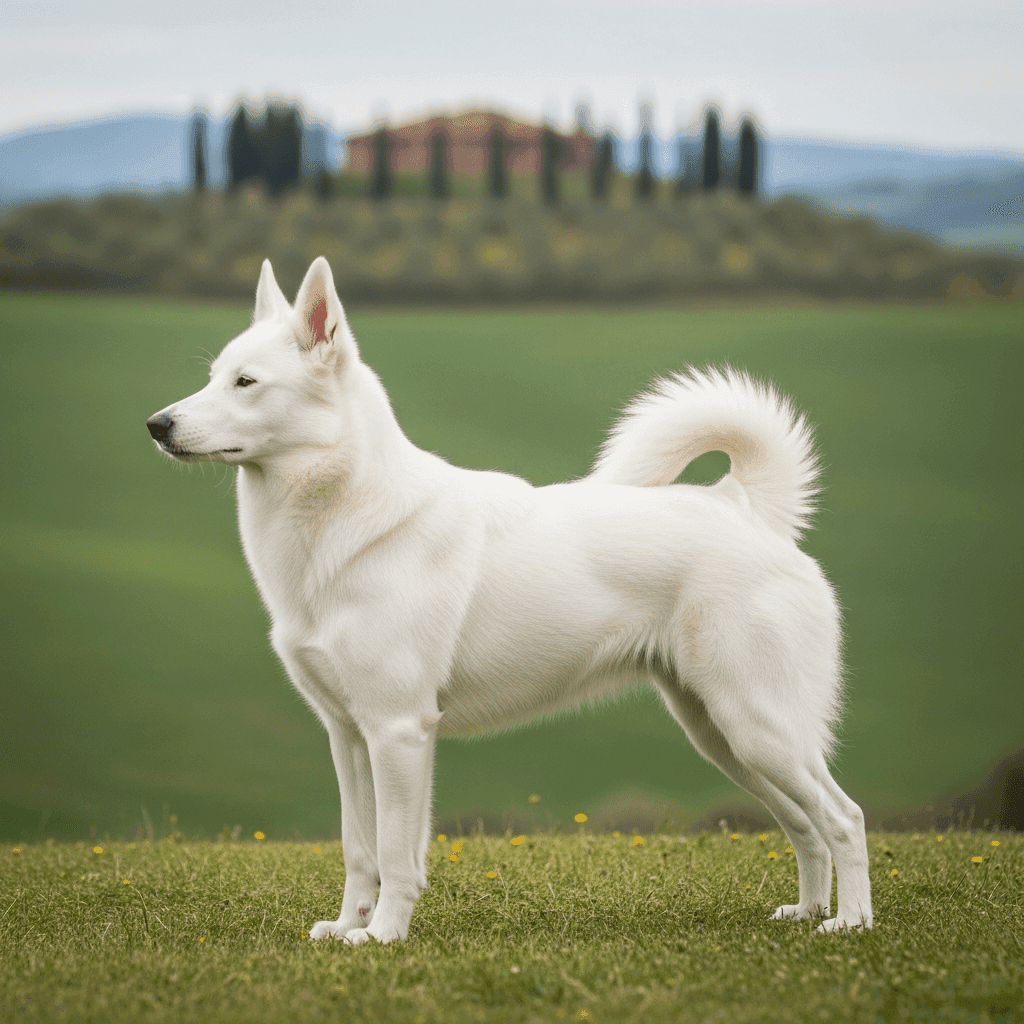
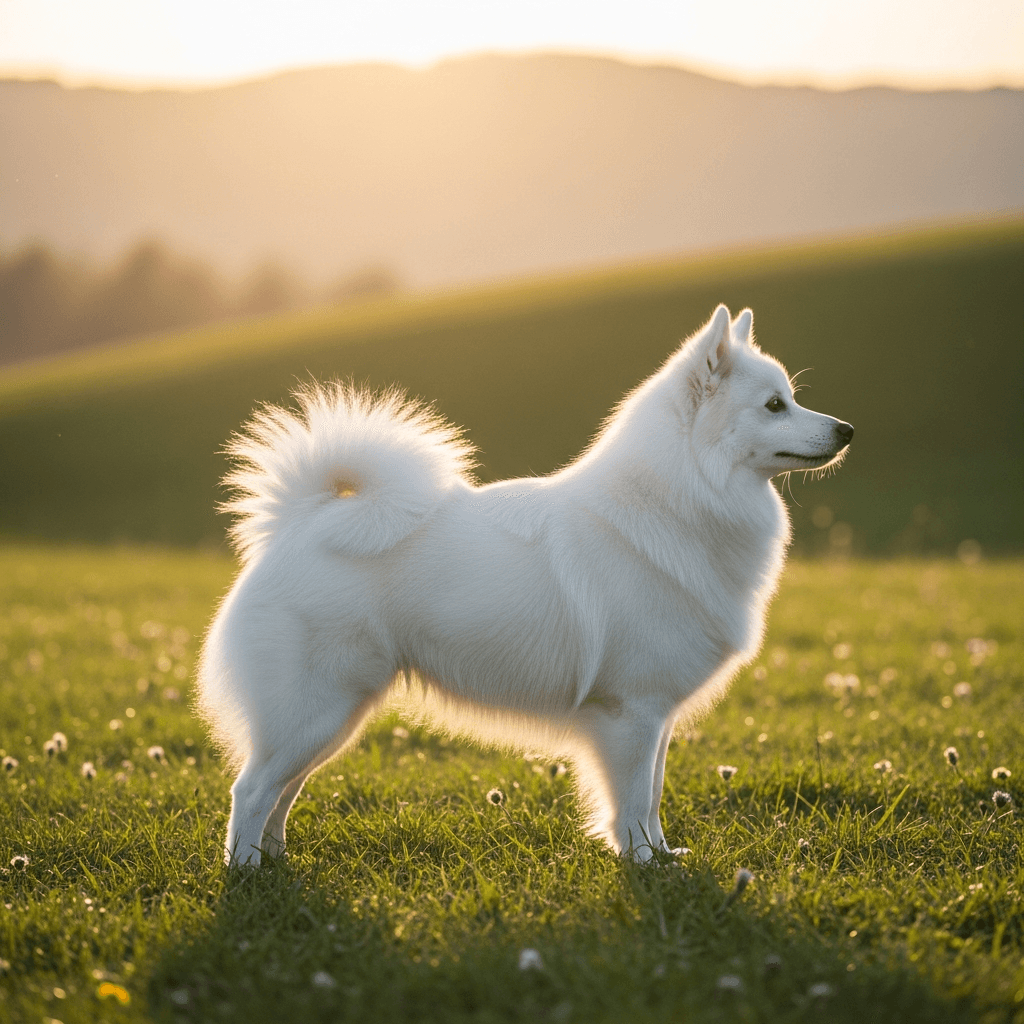
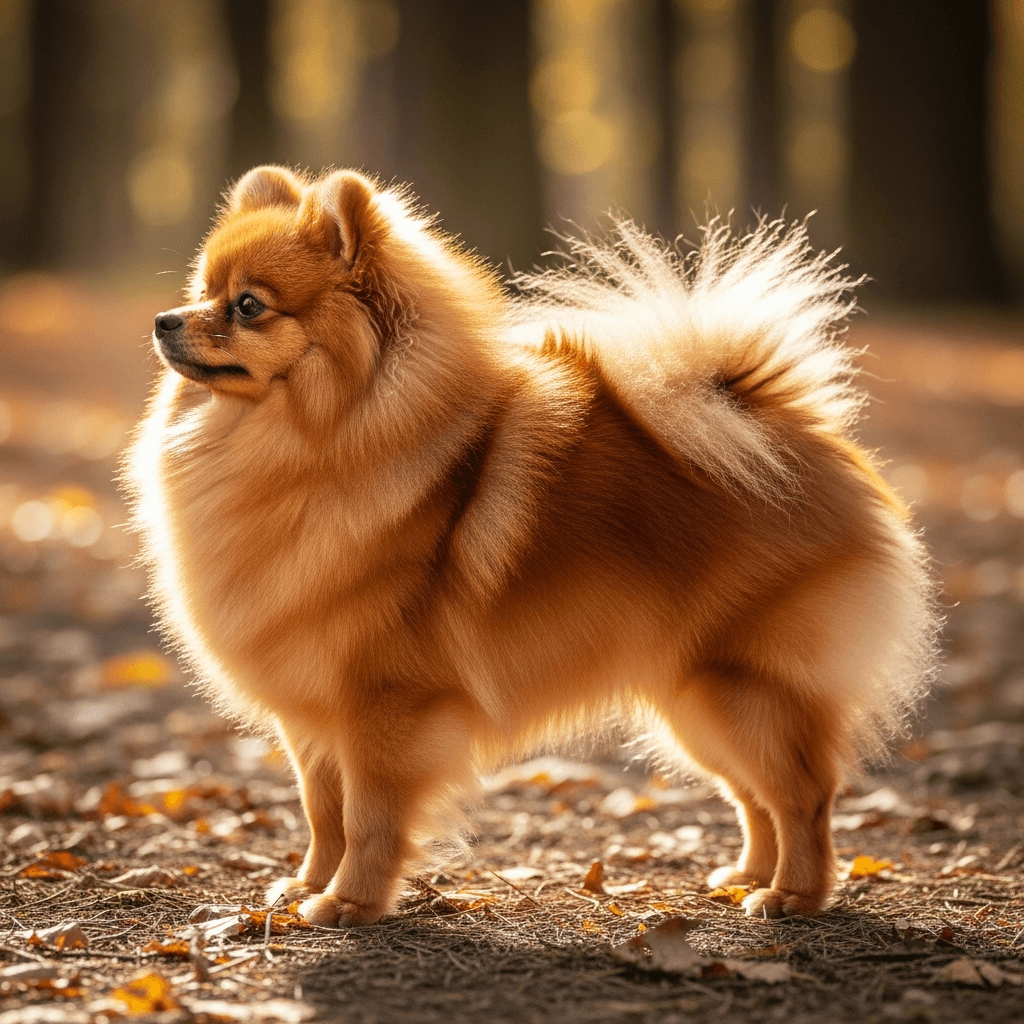
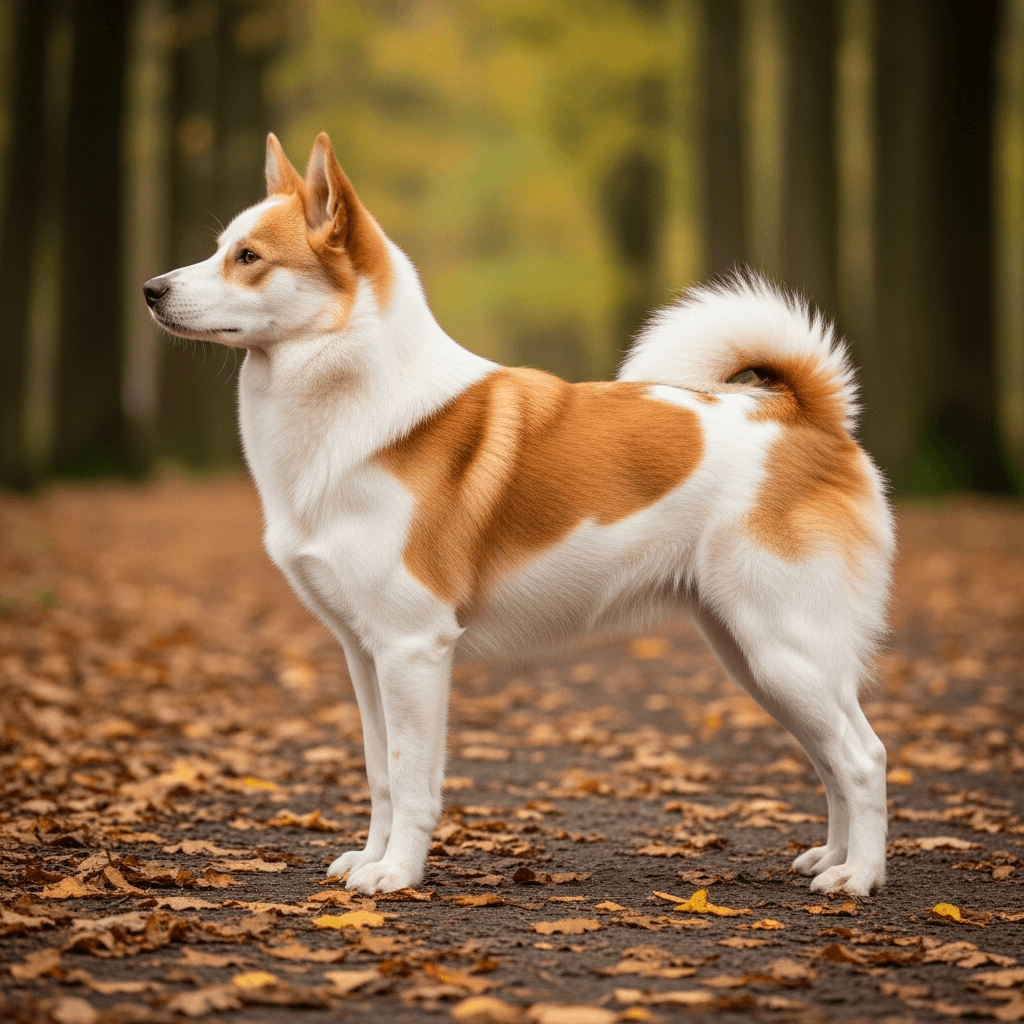
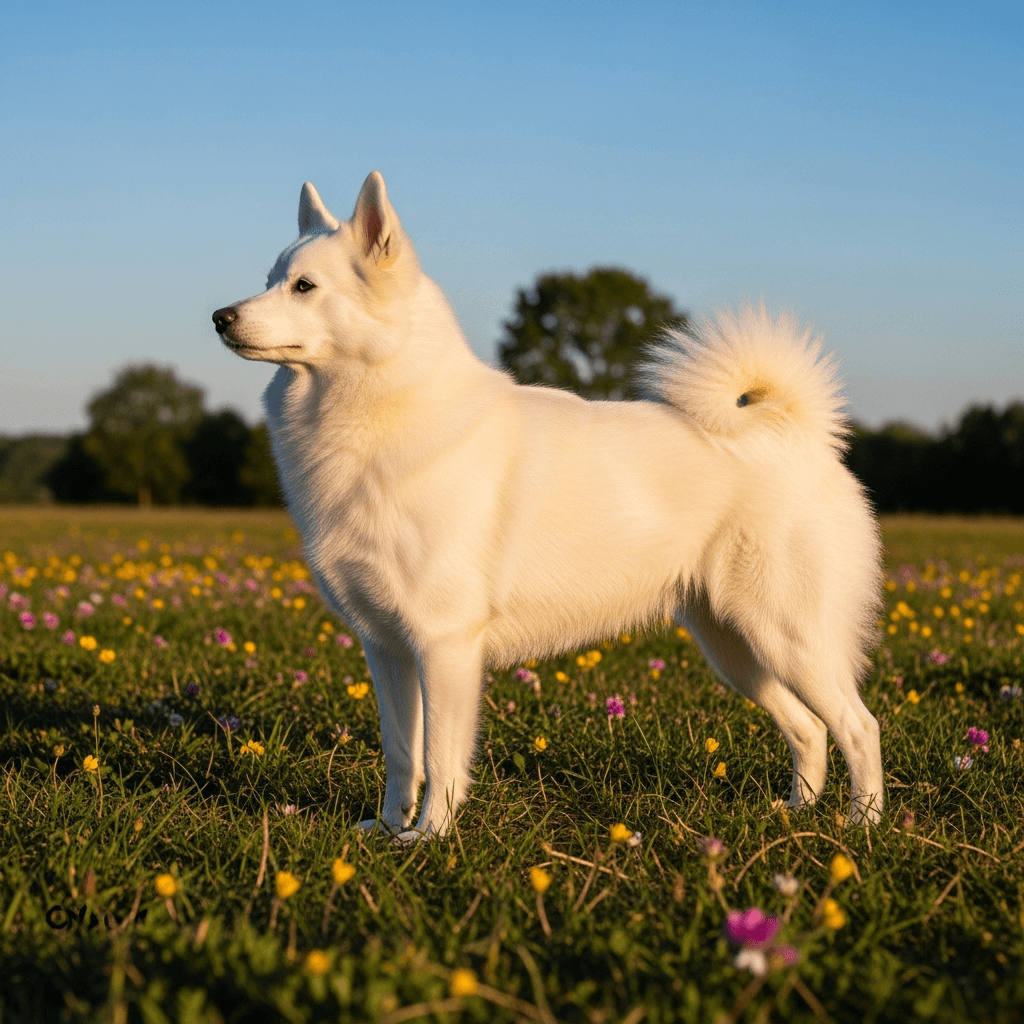
The most characteristic feature of the small spitz is its dense, double coat, which forms a distinctive mane around the neck and chest. The head is wedge-shaped with small, pointed ears and expressive, dark eyes full of intelligence. The tail, abundantly furred, is carried proudly over the back or to the side, adding charm and majesty to its appearance.
The height of the Miniature German Spitz is about 21 cm at the withers, and its weight should be proportional to its size. The breed comes in a variety of colors - from pure white, through black, chocolate, orange, to wolf-gray and spotted. This color diversity only enhances the breed's appeal.
The small spitz is extremely social and affectionate, loving contact with people and other animals. Its high intelligence allows for quick learning of commands and tricks, making it easy to train. Its cheerful and optimistic disposition makes it a favorite among families with children and an ideal choice for those seeking a loyal and energetic companion for years to come.
The Miniature German Spitz is a dog with a distinctive and unique appearance that immediately draws attention with its exceptional beauty. Its most recognizable feature is the dense and double coat, which makes it look like a plush toy brought to life by the magic of nature.
The structure of the coat consists of two layers: the outer coat is straight, long, and stiff, while the undercoat is soft, dense, and fluffy. Its thickly furred tail is also characteristic, carried high over the back or to the side, creating a striking plume. Around the neck and chest, a distinctive mane resembling a lion's fur forms.
The head structure of the spitz is wedge-shaped with a pronounced stop. Small, pointed ears are always carried upright and are set high. The eyes are medium-sized, dark, and almond-shaped, giving it a vigilant and intelligent expression. The nose is small, black (or brown in chocolate dogs), and the muzzle is not overly elongated.
The body of the spitz is compact and harmoniously built. The neck is strong, well-muscled, and slightly arched, giving the dog an elegant appearance. The torso is short and compact with a well-developed, deep chest. The back is straight and strong, with short and wide loins.
The limbs are straight, parallel, and strongly muscled relative to the size of the dog. The paws are small, round, and compact - known as cat-like paws, which gives the dog confidence while moving. The nails and paw pads should be as dark as possible.
The dimensions of an ideal miniature spitz are about 18-22 cm at the withers, making it an excellent dog for apartment living. The weight should be proportional to the height.
The coat color can be very diverse:
- White - pure, snow-white coat
- Black - deep black without any markings
- Chocolate - intense brown
- Orange - from light cream to deep orange
- Wolf-gray - silver with black tips
- Other colors - fawn, cream, spotted
The Miniature German Spitz is characterized by a cheerful, sociable, and lively disposition, which makes it an excellent family dog. It is extremely attached to its owner and the entire family, making it a loyal companion at every step.
This small dog is full of energy and enthusiasm, loves spending time with people, and gets along well with other pets. Despite its small size, the Miniature Spitz has a bold and confident temperament - it is not afraid of larger dogs and often behaves like a true guardian of the home.
Alertness and intelligence are other distinguishing features of this breed. The Miniature Spitz is an excellent alarm dog - it always keeps an eye on its surroundings and will immediately signal the presence of strangers with loud barking. In its home, it is always vigilant and ready to act, making it an ideal watchdog despite its miniature size.
The temperament of the Spitz is balanced and stable - with proper upbringing, it is neither overly fearful nor aggressive. It is a confident, sociable dog that is friendly towards people it knows. However, it may be wary of strangers, which is a natural guarding behavior.
The Miniature German Spitz is also very intelligent and easy to train, making it a great candidate for learning various tricks, commands, and even simple tasks. It learns quickly and eagerly, especially when training is conducted in a fun way with rewards.
Its sociability means it feels comfortable in groups of dogs, although it may show tendencies to dominate and be possessive of its owner. Therefore, early socialization with other dogs and people is very important to teach it proper behaviors in various social situations.
Activity is another key word describing the Spitz - it loves playing, running, and all kinds of physical activities. Nevertheless, it can also relax calmly in the company of its owner. Owners should be patient, consistent, and firm in raising the Spitz to help it become a confident, well-adjusted, and obedient dog.
The Miniature German Spitz, like any dog breed, has its specific health predispositions that owners should pay special attention to. With proper veterinary care and prevention, spitzes can enjoy a long and healthy life - averaging 12-16 years.
Dental problems are one of the most common ailments in this breed. Due to their small mouths, miniature spitzes are prone to:
- Overbite or malocclusion
- Retained baby teeth that do not fall out at the appropriate time
- Tartar and periodontal diseases
- Early tooth loss
Orthopedic problems can also occur in miniature spitzes:
- Patellar luxation - a condition where the kneecap dislocates from its natural position
- Tracheal collapse - weakening of the tracheal walls causing a characteristic cough
- Legg-Calvé-Perthes disease - necrosis of the femoral head
Heart diseases may affect older spitzes, including:
- Chronic valve disease
- Patent ductus arteriosus (PDA)
Eye problems occurring in the breed:
- Cataracts - clouding of the lens, which can lead to blindness
- Progressive retinal atrophy (PRA)
- Dry eye syndrome
- Tearing and conjunctivitis
Dermatological problems related to their characteristic coat:
- Pomeranian alopecia (Alopecia X) - hair loss without a clear medical cause
- Allergic skin diseases
- Skin infections in areas of dense fur
Health prevention should include:
- Regular veterinary visits - at least once a year
- Vaccinations according to the vaccination schedule
- De-worming and protection against external parasites
- Weight monitoring - spitzes can easily gain weight, which burdens the joints and heart
- Blood and urine tests in older dogs
- Dental check-ups and teeth cleaning
Owners should be aware of these potential health threats and respond to the first signs of illness. Proper care, a balanced diet, and regular physical activity are key to ensuring a spitz has a long, healthy, and happy life. It is also worth considering purchasing a puppy from a reputable breeder who screens their breeding for hereditary diseases.
The care of the miniature German Spitz is a key aspect of its maintenance and requires consistency and the right tools. Thanks to its characteristic, dense double coat, the Spitz looks magnificent, but it requires regular attention.
Brushing the coat is fundamental to grooming:
- Under normal conditions, brush the dog 2-3 times a week
- During the shedding period (spring and autumn), brush daily to remove dead undercoat
- Use appropriate tools: a metal comb with long teeth, a slicker brush, and a de-shedding tool (furminator) for removing undercoat
- Always brush in the direction of hair growth, gently detangling the mane, tail, and skirt
- Avoid static electricity in the coat - you can lightly spray it with a leave-in conditioner before brushing
Bathing the Spitz should be done wisely:
- Bathtime should be once every 4-6 weeks or when the dog is dirty
- Use a high-quality shampoo for long-haired dogs or specifically for spitz
- Before bathing, thoroughly brush the dog to remove mats
- After shampooing, use a conditioner for long-haired dogs
- Rinse all products well to avoid skin irritation
- Dry the coat with a hairdryer (set to cool or warm air), while brushing it at the same time
Ear hygiene:
- Regularly check the ears for dirt, excessive wax, or unpleasant odors
- Clean the ears once a week with a special ear cleaning solution for dogs
- Do not use cotton swabs - only cotton pads or gauze
- Watch for signs of infection: redness, itching, discharge
Eye care:
- Check the eyes daily and remove any drying discharge with a damp cotton pad
- Use a separate cotton pad for each eye
- Pay attention to excessive tearing, which may indicate eye problems
- Trim the hair around the eyes if it irritates the eyeballs
Nail trimming:
- Trim the nails every 2-3 weeks if they do not wear down naturally
- Use special guillotine clippers for small breeds
- Be careful not to cut the nerve and blood vessel (the pink part of the nail)
- If you do not feel confident, ask for help from a veterinarian or groomer
Oral hygiene:
- Brush the dog's teeth daily or at least 3-4 times a week
- Use dog toothpaste (never human!) and a soft toothbrush
- Provide dental chews that help remove plaque
- Regularly check the condition of the teeth with a veterinarian
- Consider periodic dental cleaning under anesthesia (according to the veterinarian's recommendations)
Professional grooming services: You can use the services of a professional groomer every 2-3 months, who will perform:
- A comprehensive bath with drying
- Hygienic trimming (around the paw pads, genitals, ears)
- Nail trimming
- Ear cleaning
- Contouring the coat (without radical shortening)
WARNING: Do not shave the Spitz short! The coat serves a thermal insulation function - it protects against cold and heat. Radical shortening of the coat can lead to irreversible changes in its structure and health problems. Grooming the Spitz requires regularity and time commitment, but a beautiful, healthy coat is the best showcase of this wonderful breed.
The Miniature German Spitz is a dog with a high energy level that requires regular physical and mental activity to remain healthy, happy, and mentally balanced. Despite its small size, it is not a couch potato - it needs daily exercise and stimulation.
Daily walks are absolutely essential:
- At least 30-60 minutes of activity per day, divided into 2-3 walks
- Morning walk (15-20 minutes) - wake-up and bathroom needs
- Afternoon walk (20-30 minutes) - main activity with play
- Evening walk (10-15 minutes) - relaxation before bedtime
Active play is what the spitz loves the most:
- Fetching a ball, frisbee, or toys - excellent exercise and great fun
- Playing with other dogs in a dog park or play area
- Hide and seek in the house or garden
- Obstacles and simple agility courses adapted to small sizes
- Interactive toys with food rewards
Mental stimulation is just as important as physical activity:
- Educational puzzle toys for dogs, where they have to discover hidden treats
- Learning new commands and tricks - spitzes love to learn
- Scent training - hiding treats and encouraging them to find them
- Memory games and problem-solving tasks
- Obedience training and trick dog
Additional activities that a spitz may enjoy:
- Mini agility - obstacles adapted for small dogs
- Dog dancing - dancing with your dog
- Rally obedience - obstacle course with tasks
- Trick dog training
- Short hikes on gentle trails (the spitz is not suitable for extreme climbs)
Adaptation to weather conditions:
- Heat: walk in the morning and evening, avoid hot hours, provide access to shade and water
- Cold: the spitz has a thick coat and tolerates cold well, but in extreme frosts, walks can be shortened
- Rain: consider raincoats to prevent the coat from getting soaked
Activity at home: The Miniature German Spitz feels good both at home and outdoors. In an apartment, it also needs activity:
- Playing with interactive toys
- Short training sessions (5-10 minutes)
- Chasing around the apartment with a child or owner
- Access to a window where it can observe the world (spitzes love to keep watch)
WARNING - Staying indoors: Too long without movement and stimulation can lead to:
- Boredom and frustration
- Excessive barking
- Destructive behaviors (chewing furniture, toys)
- Weight and health problems
- Behavioral disorders
Safety rules during activities:
- Do not force puppies into intense exercise - their bones and joints are still developing
- Avoid jumping from heights - risk of patellar dislocation
- Always walk on a leash in unfenced areas - the spitz has a strong hunting instinct
- Do not overexert the dog in heat - risk of overheating
- Adjust the intensity of activities to the dog's age and condition
Regular, varied physical and mental activity is crucial for the physical health, well-being, and balanced character of the Miniature German Spitz. An active spitz is a happy spitz!
The Miniature German Spitz is a dog that is intelligent, clever, and very eager to learn, which makes training him a true pleasure. The right approach to training and consistency in upbringing are crucial for the dog to learn basic commands, good manners, and become a well-behaved member of the family.
When to start training?
- Training should begin as early as possible, preferably during the puppy stage (from 8 weeks of age)
- Puppies are the most receptive to new information and easily form habits
- Early socialization (8-16 weeks of age) is critical for proper mental development
- Basic commands can be taught from 2-3 months of age
Training methods - positive reinforcement: The Miniature Spitz responds best to positive training methods based on rewards:
- Treats - small, soft bites as a reward for following a command
- Verbal praise - enthusiastic "Good job!" or "Well done!"
- Petting and cuddling - physical contact as a reward
- Play - a favorite toy as a reward for completing a task
Basic commands to learn:
- Sit - a basic command that teaches self-control
- Lie down - calms the dog, useful in various situations
- Stay - teaches patience and self-control
- Come - the most important safety command, always reward its execution
- No or Leave it - interrupts unwanted behavior
- Heel - walking at the heel without pulling the leash
- Wait - before going through doors, before eating
Structure of training sessions:
- Short sessions 5-10 minutes 2-3 times a day are more effective than one long session
- Spitzes have a short attention span, so it's better to practice often but briefly
- Always end training on a positive note - with a successful command execution
- Train before meals when the dog is hungry and more motivated to work for food
- Avoid training when the dog is tired or distracted
Socialization - the foundation of good character:
- Introduce the puppy to various people - children, adults, seniors, people in hats, glasses
- Present other animals - dogs of different sizes, cats, possibly other species
- Acquaint with different sounds - cars, vacuum cleaners, thunder (recordings), doorbells
- Show different environments - park, forest, city, shops, veterinarian, clinic
- Teach acceptance of touching - paws, ears, muzzle, tail (important for grooming and vet visits)
Typical challenges in training a Spitz:
- Excessive barking - Spitzes are alert dogs and like to communicate vocally. Teach the command Quiet and reward calmness. Never reward barking with attention.
- Stubbornness and dominance - Spitzes can be headstrong. Be consistent and do not let the dog dictate the terms.
- Fear of strangers - a result of poor socialization. Gradually acclimate the dog to new people using rewards.
- Pulling on the leash - teach walking on a loose leash from a young age. Stop when the dog pulls.
- Possessive behavior towards the owner - teach the dog that the presence of other people/dogs is a positive thing.
Advanced training and activities: The Miniature German Spitz can excel in:
- Trick dog - learning impressive tricks (shake, spin, play dead, fetch items)
- Mini agility - obstacle course for small dogs
- Rally obedience - course with obedience tasks
- Dog dancing - dancing with the dog to music
- Therapy dog - some Spitzes excel as therapy dogs
Consistency and patience:
- All family members must follow the same rules - if the dog cannot jump on the couch, it must NEVER be allowed, not just sometimes
- Be patient - learning takes time, and each dog learns at its own pace
- Be firm but not aggressive - the Spitz must know that you are the leader, but a fair and caring leader
- Don't give up - consistency will yield results
Benefits of good training:
- A well-behaved, obedient dog that you can take anywhere
- Dog's safety - responds to recall
- Fewer behavioral problems
- Better understanding between dog and owner
- A confident dog, without fears and aggression
The Miniature German Spitz loves to learn and enjoys working with its owner. With proper, positive training based on rewards and consistent upbringing, it will become an obedient, well-adjusted, and confident dog that will be a source of pride for its owner. Training is also a wonderful way to build a bond between human and dog - use this time to get to know your four-legged friend even better!
Proper nutrition for the miniature German Spitz is the foundation of its health, longevity, and good physical condition. A well-balanced diet provides the dog with energy, supports skin and coat health, and protects against diseases related to improper nutrition.
Choosing food - what to pay attention to:
- High-quality food dedicated to small or miniature breeds
- High content of animal protein (chicken, turkey, lamb, fish) - at least 25-30%
- Healthy fats - a source of energy and support for skin and coat (fish oils, omega-3 and omega-6)
- Carbohydrates with a low glycemic index - sweet potatoes, brown rice, oatmeal
- Addition of vegetables and fruits - a source of vitamins, minerals, and fiber
- No artificial additives - dyes, preservatives, flavors
- Limited content of grains (corn, wheat, soy) - can cause allergies and digestive problems
Types of food - what to choose:
- Dry food (kibble) - the most convenient, helps clean teeth, easy to store
- Choose Super Premium or Holistic foods
- Small kibbles suitable for the small mouth of the Spitz
- Wet food (cans/pouches) - more palatable, higher water content, better for dogs with dental problems
- Can be used as a supplement to dry food or a main source of nutrition
- More expensive and less convenient to store after opening
- BARF diet (Biologically Appropriate Raw Food) - raw meat, bones, vegetables
- Requires knowledge and precise balancing
- Consultation with a veterinarian or dog nutrition specialist
- Higher risk of bacteria (Salmonella, E. coli)
- Homemade diet (cooked) - meat, fish, vegetables, rice prepared at home
- Control of ingredients, no preservatives
- Requires vitamin and mineral supplementation
- Consultation with a veterinarian is necessary
Portion size and feeding frequency:
- Puppies (2-6 months): 3-4 meals a day, small portions
- Young dogs (6-12 months): 2-3 meals a day
- Adult Spitz (12 months+): 2 meals a day (morning and evening)
- Older dogs (7+): 2 meals a day, possibly senior food
- Dog's weight - on average 40-60 g of dry food per 1 kg of body weight daily
- Activity level - active dogs need more calories
- Metabolism - some Spitz easily gain weight, others burn calories faster
- Always follow the manufacturer's feeding guidelines and adjust portions to individual needs
Weight control - preventing obesity:
- The miniature Spitz tends to gain weight, which puts stress on joints, heart, and shortens life
- Regularly weigh the dog (once a month)
- You should be able to feel the ribs under a slight layer of fat
- The dog should have a visible waist when viewed from above
- Abdominal line pulled up
- If the dog is gaining weight - reduce portions or increase activity
Healthy additions to the diet: In addition to food, you can introduce fresh, healthy products:
- Vegetables: carrots, broccoli, spinach, zucchini, pumpkin (cooked or raw in small amounts)
- Fruits: apple (without seeds), pear, blueberries, strawberries, watermelon (without seeds) - as occasional treats
- Meat: chicken, turkey, beef (cooked, without bones, without spices)
- Fish: salmon, mackerel (cooked, without bones) - rich in omega-3
- Dairy products: natural yogurts, cottage cheese (in small amounts, if the dog tolerates lactose)
- Eggs: boiled - an excellent source of protein
PROHIBITED products for the Spitz:
- Chocolate - toxic, can be fatal
- Onion and garlic - destroy red blood cells
- Grapes and raisins - damage kidneys
- Avocado - toxic to dogs
- Xylitol (sweetener) - causes a rapid drop in sugar, liver failure
- Alcohol - toxic
- Poultry bones - can splinter and injure the esophagus
- Salty snacks - excess salt harms the kidneys
- Fatty, fried foods - pancreatic problems
- Caffeinated products - toxic
Water - the basis of health:
- Fresh, clean water always available
- Change water daily
- Wash the bowl regularly
- Monitor the amount of water consumed - excessive drinking may indicate health problems (diabetes, kidney diseases)
Supplements - when they are needed:
- Omega-3 and omega-6 - for healthy skin and shiny coat
- Glucosamine and chondroitin - joint support for older dogs
- Probiotics - for gut health
- Vitamins and minerals - if the dog is on a homemade diet
- Always consult supplementation with a veterinarian - excess vitamins can be harmful
Veterinary diets - in case of health problems:
- Food for dogs with food allergies - hypoallergenic
- Senior food - for older dogs
- Food for dogs with digestive problems
- Food for dogs with overweight - Light or Weight Control
- Food for dogs with kidney, liver, heart diseases - only on veterinarian's recommendation
Principles of proper nutrition:
- Feed the dog at regular times - regulates metabolism and digestion
- Do not feed from the table - leads to obesity and pickiness
- Introduce new foods gradually (over 7-10 days), mixing with the old
- Do not allow intense exercise immediately after a meal - risk of stomach torsion (though rare in small breeds)
- Observe the dog - check stool, weight, coat condition - these are indicators of proper nutrition
In case of doubts about the diet, always consult a veterinarian or dog nutrition specialist who can help you choose an appropriate feeding plan tailored to your Spitz's individual needs. Proper nutrition is an investment in a long, healthy, and happy life for your four-legged friend!
Characteristic Traits
Pros
- Sociable and friendly
- Intelligent and easy to train
- Alert and loyal guardian
- Energetic and fun
- Beautiful coat and charming appearance.
Cons
- Requires regular and time-consuming coat care
- May bark excessively without proper training
- Needs a lot of attention and companionship
- Can be stubborn and dominant
- Prone to dental problems.
Behavioral Ratings
Breed History
The Miniature German Spitz, also known by the English name Pomeranian, has a long, rich, and fascinating history that dates back thousands of years. This breed originates from the family of Northern European spitzes and is one of the oldest dog breeds on the European continent.
Prehistoric roots: Spitzes descend from marsh dogs (Canis familiaris palustris), which lived during the Stone Age and Neolithic period (around 6000-4000 BC). Remains of these dogs have been found in Central and Northern Europe. Even then, these dogs were characterized by pointed ears, curled tails, and thick fur - traits typical of modern spitzes.
The Middle Ages and Modern Era: In the Middle Ages, spitzes were commonly used by rural populations as guard and herding dogs. Their alertness, courage, and loud barking made them excellent guardians of farms and herds. Larger varieties of spitzes also pulled small carts and fishing boats in coastal regions.
Pomerania - the cradle of the breed: The name Pomeranian comes from the region of Pomerania, a historical area by the Baltic Sea that includes present-day northern Poland and northeastern Germany. It was here in the 18th century that the miniaturization of the breed began - breeders started intentionally reducing the size of spitzes, creating smaller, more portable varieties that could serve as companion dogs.
Popularity among the aristocracy: During the Renaissance and Baroque periods, spitzes began to gain recognition among European aristocracy and wealthy burghers. Small spitzes became a fashionable accessory in salons and royal chambers. They were symbols of status and luxury.
The Victorian Era - the golden age of the Pomeranian: The true flourishing of the miniature spitz's popularity occurred in the 18th and 19th centuries in England, particularly due to Queen Victoria (1819-1901). The monarch fell in love with the breed during a trip to Italy in 1888, where she acquired a small spitz named Marco. Queen Victoria was an avid breeder and established her own spitz breeding program in Windsor.
Thanks to her involvement:
- Spitzes were further miniaturized - from dogs weighing about 10-15 kg to today's 2-3 kg
- The quality of breeding and selective breeding of characteristic traits improved
- The breed gained immense popularity in the UK and worldwide
- The Queen showcased her spitzes at dog shows, elevating the breed's prestige
Development of the breed in the 19th and 20th centuries: After gaining popularity in England, the miniature spitz quickly gained recognition in the United States. In 1888, the first Pomeranian was registered with the American Kennel Club (AKC). In 1900, the American Pomeranian Club was established, which set the first breed standard.
In Germany, the homeland of spitzes, the German Spitz Club (Deutscher Spitz Club) was formed in 1899, which systematized the breeding of all varieties of German spitzes, including miniature ones. German breeders emphasized preserving traditional working traits and temperament, while English and American breeders focused more on appearance and miniaturization.
Impact of the World Wars: During World War I and II, the breeding of spitzes, like many other breeds, suffered significant setbacks, especially in Europe. After the war, breeders had to rebuild the breed's population, often using surviving bloodlines from America and Britain.
Contemporary times: Today, the Miniature German Spitz is one of the most popular companion dog breeds worldwide. The breed is recognized by all major kennel organizations:
- FCI (Fédération Cynologique Internationale) - classifies the spitz as part of Group 5 (Spitz and Primitive Types), Section 4 (European Spitzes)
- AKC (American Kennel Club) - in the Toy group
- The Kennel Club (UK) - in the Toy group
Spitzes in culture and art: Spitzes have appeared in works of art since the 16th century:
- Paintings by masters of the Italian Renaissance (Titian, Giorgione)
- Victorian-era English portraits
- Literature - Charlotte Brontë mentions spitzes in her novels
- Today, spitzes are popular in social media as celebrity dogs
Heritage: The Miniature German Spitz is a living monument to the millennia-long history of the relationship between humans and dogs. From the marsh dog working alongside humans in the Stone Age, through the herding dog in the Middle Ages, to the beloved companion of families worldwide - the spitz has undergone an extraordinary evolution. Its intelligence, loyalty, and charm have made it a valued companion for centuries, and today the breed enjoys enduring popularity as a family dog, companion, and show dog.
The history of the spitz is a story of adaptation, selection, and love - a breed that has survived millennia continues its legacy as one of the most recognizable and beloved dogs in the world.