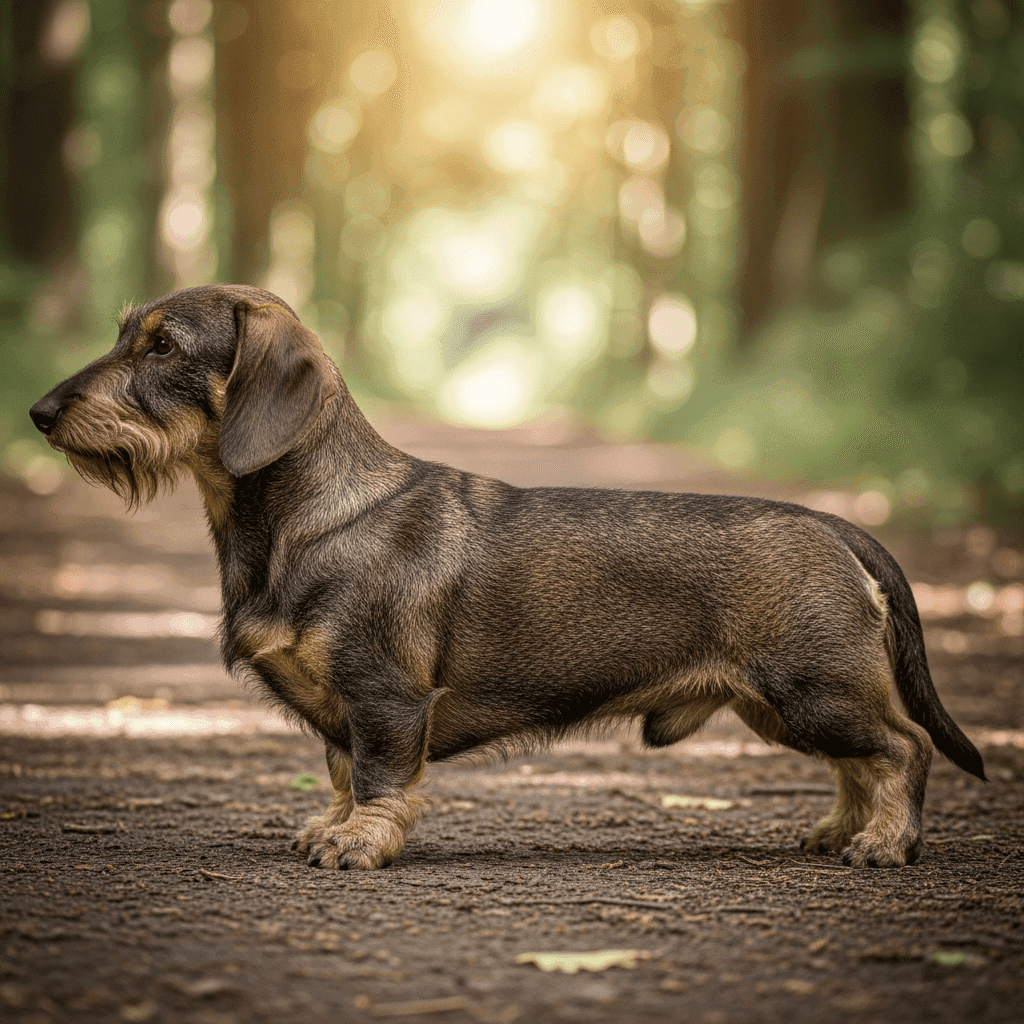
Standard wire-haired dachshund
FCI Group
4• FCI 148I
Size
Medium
Origin Country
DE
Height
35-47 cm
Weight
9-12 kg
Lifespan
12-16 years
Temperament
Overview
Standard Wirehaired Dachshund, known worldwide as Dachshund, is a breed of dog with an unusual and easily recognizable silhouette that attracts the attention of dog lovers. Its roots trace back to Germany, where it has been used for centuries as a hunting dog, particularly for hunting game that hides in burrows. With its short legs and elongated body, this dachshund excels in tight spaces, making it an ideal companion for hunters exploring underground corridors. The history of this breed dates back to the Middle Ages, when the ancestors of the dachshund — hounds — were used both above ground and in burrows underground.
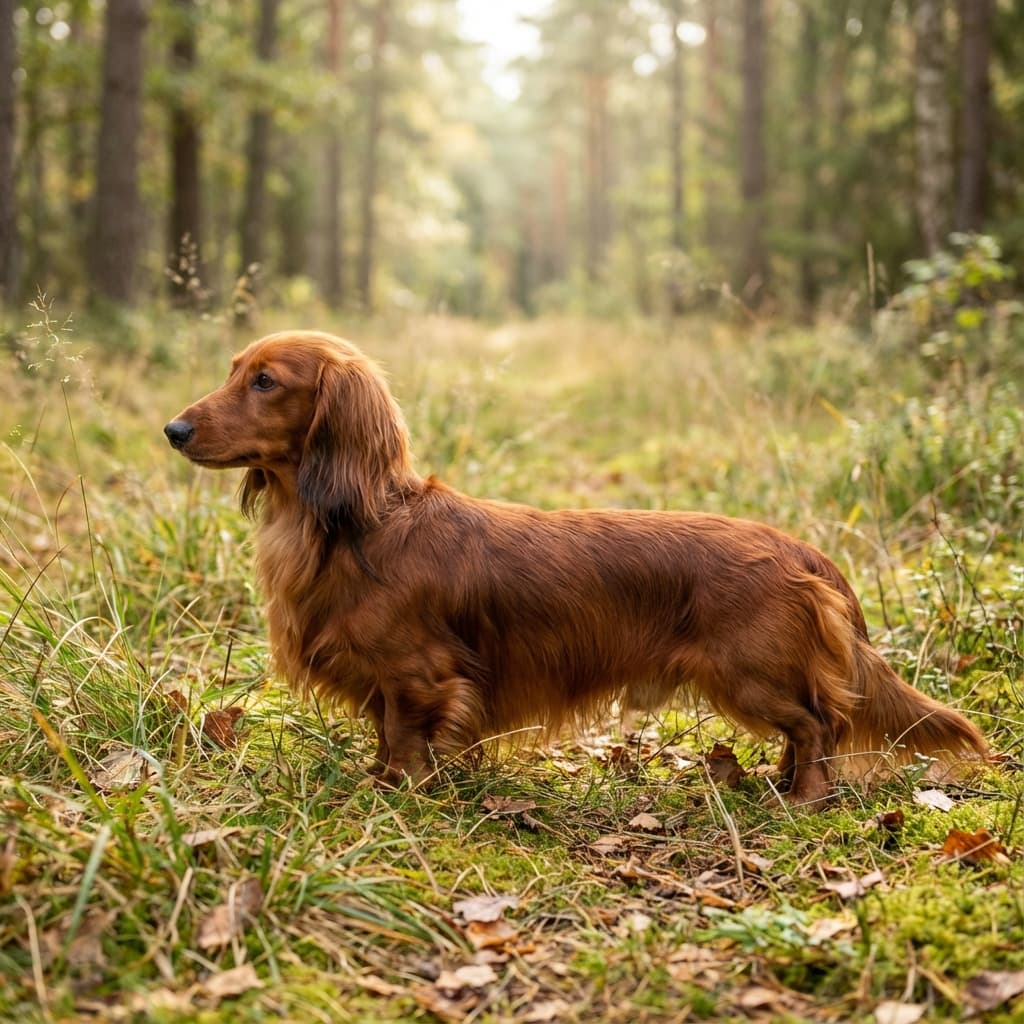
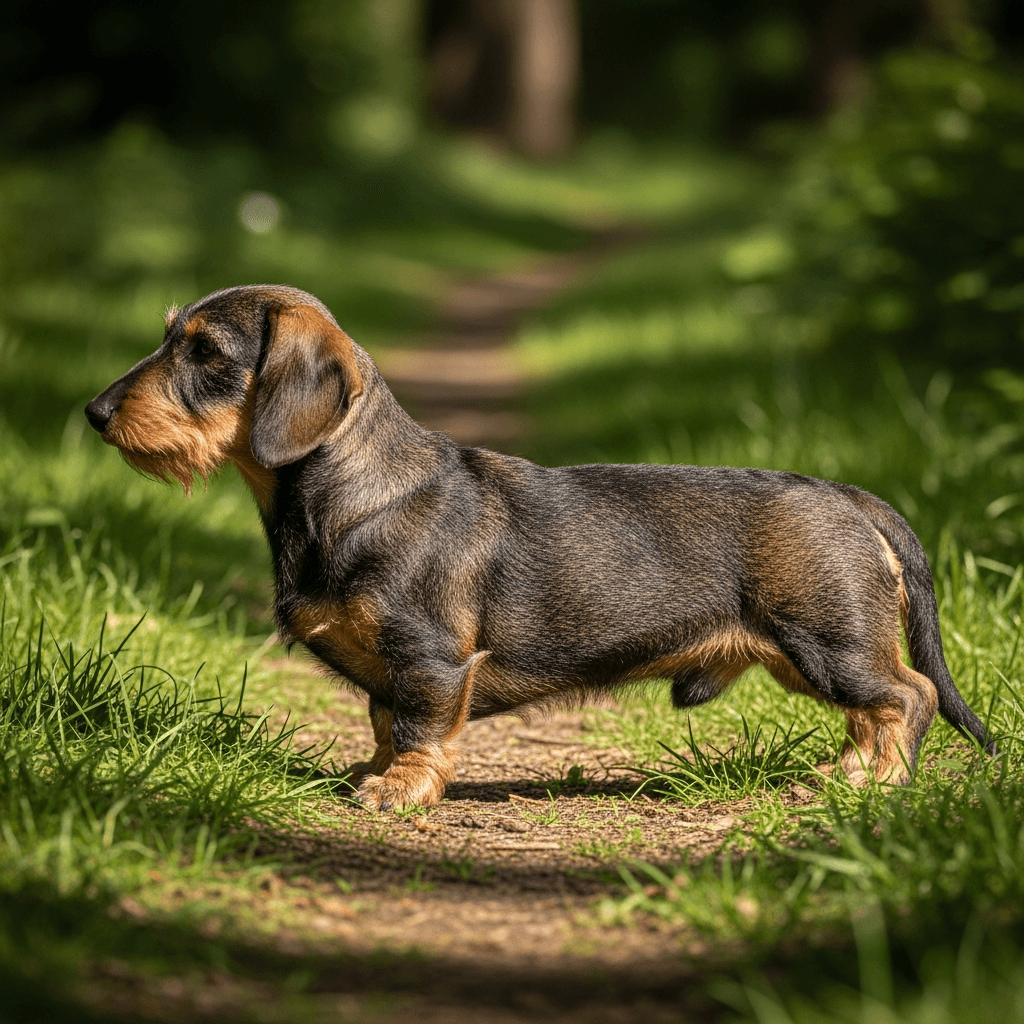
The standard wirehaired dachshund is characterized by its muscular build, which allows it to move quickly and agilely in any terrain. Its head is elongated, with well-defined eyebrows giving it a distinctive, expressive appearance. Medium-sized, almond-shaped eyes have a friendly gaze, and long, rounded ears are a characteristic element of its appearance. The coat of the dachshund is rough, dense, and close to the body, with a clearly defined beard on the muzzle, which requires regular grooming to maintain a healthy appearance and protect against weather conditions.
Standard Wirehaired Dachshund comes in a variety of colors — from solid to bicolor and marbled — which highlights its diverse appearance. Its temperament is balanced, friendly, brave, and persistent, making it an excellent companion for both families with children and older individuals. The dachshund has a superb sense of smell and a passion for work, which makes it not only a great hunting dog but also a loyal household companion that eagerly participates in the family's daily activities.
Although the dachshund is friendly and open to interactions with people, it can also be stubborn and independent, which requires owners to have patience and consistency in training. Its small size and friendly nature make it an ideal choice for families who value the company of a dog that feels comfortable among people and other animals. However, it is important to remember that the dachshund requires an appropriate amount of exercise and mental stimulation to remain a happy and balanced canine. Daily walks, outdoor play, and activities that engage the senses are essential for its physical and mental well-being, making it an ideal partner for active families who appreciate outdoor movement.
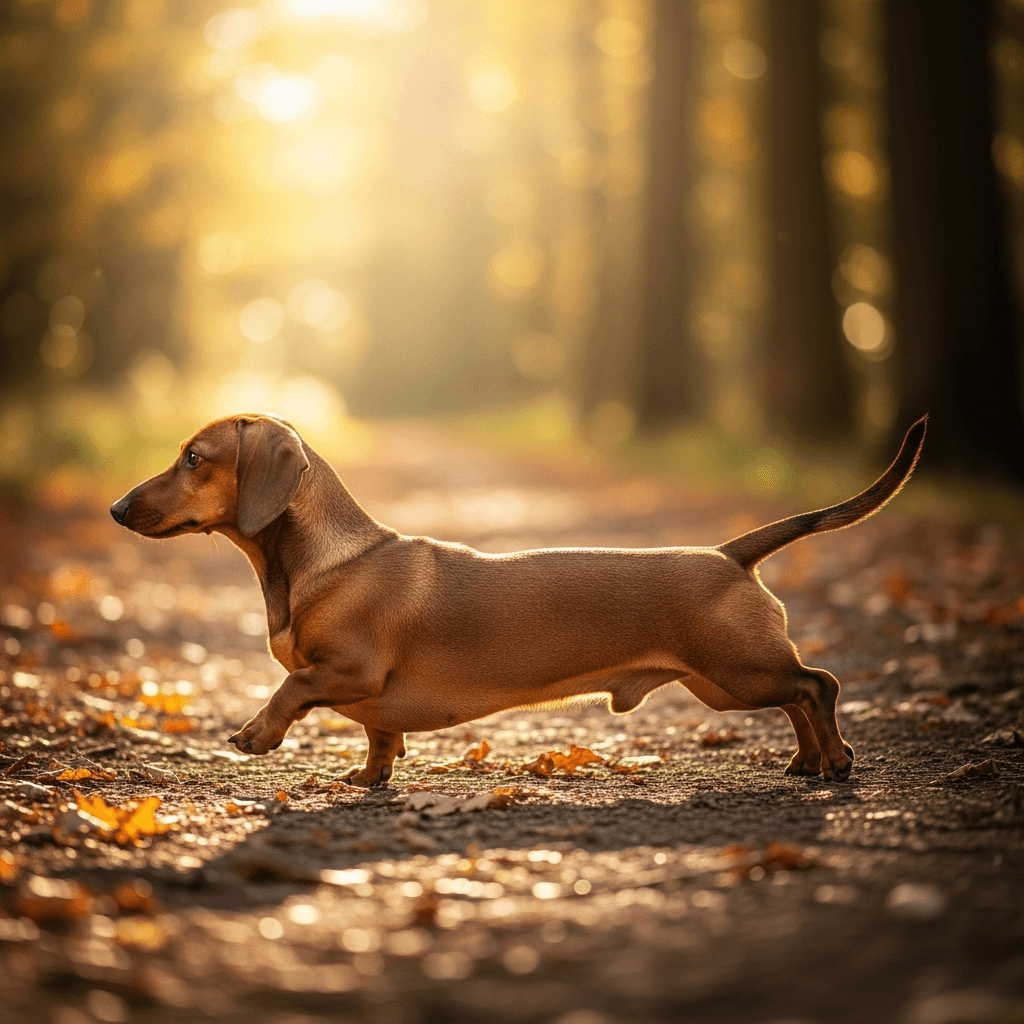
The standard wire-haired dachshund is a dog with a distinctive, unique appearance that makes it easily recognizable among other breeds. Its silhouette is elongated and low, giving it a unique charm and functionality as a burrowing dog. The height at the withers ranges from 35 to 47 cm, depending on gender and individual build, classifying it as a small to medium-sized breed.
The head of the dachshund is long and narrow, with a well-defined stop and strong jaws. The eyes are medium-sized, almond-shaped, with a sharp and friendly expression that reflects its intelligence and lively character. The ears are long, wide at the base, and rounded at the tips, set high on the skull, which adds to its distinctive appearance. The coat of the wire-haired dachshund is dense, rough to the touch, and closely fitting to the body, providing natural protection against rain, wind, and cold. Compared to smooth and long-haired varieties, the wire-haired coat requires more regular grooming, including trimming, to maintain a healthy appearance and proper coat structure.
The body of the dachshund is very well-muscled, with a strong and deep chest that provides adequate lung capacity necessary for physical exertion. A clearly defined top line runs from the withers through a strong back to a slightly sloping rear. The tail is set at the level of the back line, carried slightly below the back line or in its extension, creating a harmonious whole with the dog's silhouette. The front limbs are straight, well-muscled, and positioned parallel, while the hind limbs are strong, proportional, and equipped with well-developed tendons, allowing for effective movement in difficult terrain.
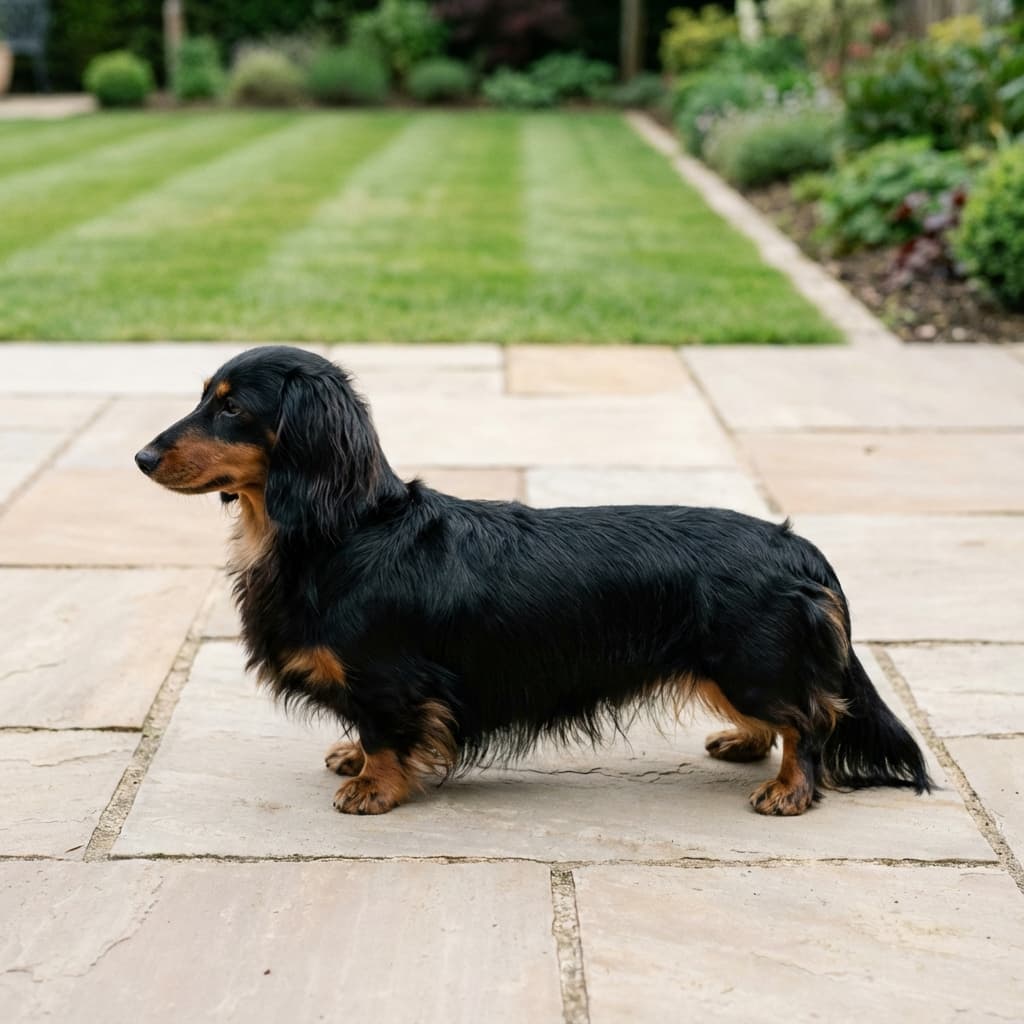
The coat color of the wire-haired dachshund is very diverse. It includes solid colors such as red in various shades (from light wheat to dark mahogany), black with tan, chocolate with tan, as well as more complex combinations, including two-colored coats and striking merle (marbled) patterns. These varied shades and patterns make the dachshund not only a functional hunting dog with outstanding tracking abilities but also an aesthetically appealing companion that stands out in any environment and delights the eyes of owners and passersby.
The standard wire-haired dachshund is a dog with a balanced temperament that combines friendliness, courage, energy, and loyalty to the family. By nature, they are very open to contact with people, making them excellent companions both at home and during outdoor activities. Despite their small size, dachshunds possess a strong character and remarkable courage. They are not afraid of larger dogs or other animals, which can sometimes lead to unpredictable situations, especially during walks in areas where other four-legged friends are present.
Dachshunds are very intelligent and quickly learn new skills and commands; however, their natural independence and stubbornness may cause them to ignore commands if they are not properly motivated. Therefore, it is extremely important that training is conducted positively, using rewards for correctly performed tasks. Dachshunds respond excellently to praise, treats, and play, which serves as effective motivation for cooperation with their owner and building a strong bond based on trust.
In interactions with children, dachshunds are usually patient and gentle, making them ideal companions for families. They can be very protective and gentle with the youngest family members, although it is advisable to supervise interactions, especially with very small children, to avoid accidentally injuring the dog or the child. However, dachshunds may exhibit jealousy for their owners' attention, which can lead to behavioral issues such as excessive barking or showing possessiveness if they are not properly socialized from a puppy age. It is important to provide the dachshund with regular interaction with other dogs, animals, and people in various environments to develop as a balanced, confident, and friendly dog.
Dachshunds also have a strong hunting instinct, which means they may be inclined to chase smaller animals such as rabbits, squirrels, or cats. Owners should be aware of this fact and ensure their dog's safety during walks in parks, forests, and open areas. Regular physical and mental exercises are crucial for maintaining their mental health and preventing behavioral problems such as excessive barking, destructive behavior, digging holes in the garden, or disobedience. Providing the dachshund with an appropriate amount of activity, play, and intellectual challenges will help maintain its happiness, emotional balance, and well-being.
Wirehaired dachshunds, like many other dog breeds, can be prone to a variety of health issues that are worth keeping in mind to ensure they live a long and healthy life. One of the most common health problems affecting this breed is hip and elbow dysplasia, a degenerative disease that leads to pain, stiffness, and limited mobility. This is particularly problematic for active dogs that need a lot of exercise to remain happy and healthy. Proper breeding selection and regular orthopedic examinations can help minimize the risk of these conditions.
Due to their characteristic elongated body shape, dachshunds are particularly susceptible to spine problems, including intervertebral disc disease (IVDD), which can lead to herniations, paralysis of the hind limbs, and severe pain. Owners should be aware that overweight significantly increases the strain on the spine and joints, so maintaining the dog's proper body weight is crucial for preventing these serious conditions. Activities that strain the spine, such as jumping from high furniture, descending steep stairs, or intense exercise on hard surfaces, should be avoided.
Other health issues that may affect dachshunds include skin diseases, such as food allergies, contact allergies, and environmental allergies, which can lead to itching, redness, hair loss, and discomfort for the dog. Regular veterinary check-ups, maintaining skin hygiene, and using appropriate grooming products are essential for preventing these ailments. It is also important to ensure proper vaccinations and regular prevention against internal and external parasites, such as ticks, fleas, and intestinal worms.
Dachshunds may also be prone to eye diseases, such as cataracts, progressive retinal atrophy (PRA), and dry eye syndrome, which can lead to deteriorating vision or blindness. Regular eye examinations allow for early detection of these conditions and the implementation of appropriate treatment. Additionally, dachshunds may suffer from dental problems, such as tartar buildup, gum disease, and cavities, so regular oral hygiene, including tooth brushing and the use of dental chews, is essential. Proper nutrition, regular exercise, appropriate grooming, and routine veterinary visits can significantly impact the health, quality of life, and longevity of a dachshund, allowing them to enjoy activity for many years.
Grooming a wire-haired dachshund requires regular care to keep its coat in excellent condition and ensure its comfort and health. Their rough outer coat, combined with a dense undercoat, requires regular brushing at least once a week to prevent matting, tangling, and to remove dead hair. During the shedding period, which usually occurs twice a year (in spring and autumn), it is recommended to brush more frequently — even daily — to minimize the amount of hair in the home and support the natural renewal of the coat.
Additionally, wire-haired dachshunds require regular trimming (manual plucking of dead hair), which should be done every few months by an experienced groomer or an owner with the appropriate skills. Trimming helps maintain the proper structure of the coat, removes dead hair from the undercoat, and prevents matting of the outer coat. Clipping with a machine is not recommended, as it can change the texture of the coat and weaken its natural protective properties.
Owners should also pay special attention to ear and dental hygiene. Dachshund ears are quite long and droopy, making them susceptible to fungal and bacterial infections caused by moisture and dirt buildup. It is advisable to regularly check the cleanliness of the ears and, if necessary, clean them with gentle veterinary products designed for dog ear care. The dachshund's teeth should be brushed regularly at least 2-3 times a week, preferably daily, to prevent tartar buildup, gum problems, and bad breath. Using dental chews and special toys that support oral hygiene can be helpful in maintaining healthy teeth.
It is also important to trim the nails every 3-4 weeks to avoid overgrowth, which can cause pain, discomfort while walking, and issues with posture and gait. If you can hear the nails clicking on the floor while walking, it means they are too long and need to be shortened. Attention should also be paid to bathing. The dachshund does not require frequent baths — it is sufficient to bathe them a few times a year or when the dog is particularly dirty or smelly. It is important to use gentle shampoos specifically designed for dogs with rough coats to avoid irritating their sensitive skin. After bathing, it is advisable to thoroughly dry the coat with a towel or a hairdryer set on low heat to avoid health problems related to moisture and chilling the body.
Wirehaired dachshunds are active and energetic dogs that need regular doses of exercise to maintain physical health, good mental well-being, and emotional balance. Daily walks are essential to meet their natural exercise needs and to stimulate them mentally, preventing boredom and related behavioral issues. It is recommended that a dachshund has at least 30-60 minutes of activity per day, which can be achieved through long walks in varied terrain, running in open spaces, outdoor play, and interactive games with the owner.
It is worth introducing various forms of activity, such as ball games, frisbee, fetching, scent games, obedience training, and even agility (adapted to their body structure), which allows the dachshund to develop its natural hunting instincts and physical and mental skills. However, it is important to remember that due to their specific body structure — elongated spine and short limbs — dachshunds are prone to spinal injuries, so it is extremely important not to overexert them during intense activities that require jumping, sharp turns, or running up and down stairs.
For young dogs, puppies, and juniors, it is advisable to avoid overly intense training and prolonged exercise sessions that may lead to issues with proper development of joints, spine, and growth plates. Owners should ensure that their dachshund has access to safe places to run and play, such as fenced parks, forest clearings, or designated dog runs, away from busy streets, cars, and other hazards. It is also important to avoid allowing the dachshund to jump from furniture (sofas, beds, armchairs) and to walk up steep stairs, as this can lead to injuries to the spine and joints.
Regular physical activity not only supports the dachshund's physical health, including muscle condition, joint flexibility, and cardiovascular health, but also positively impacts its mental well-being, reducing stress, separation anxiety, frustration, and preventing behavioral problems such as excessive barking, destructiveness, digging, or neurotic behaviors. Owners may also consider involving their dachshund in sports activities tailored to its abilities, such as nosework, rally obedience, or scent training, which effectively utilize the dachshund's natural tracking instinct and provide satisfying mental and physical stimulation.
Training a wire-haired dachshund can be a challenge, considering their independent nature and natural stubbornness, which stems from centuries of selection as self-sufficient hunting dogs. Dachshunds are known for their strong will and decision-making abilities, which means owners must be patient, consistent, and creative in their training approach. Early socialization and teaching basic commands are crucial to ensure that the dachshund develops into a well-mannered, obedient, and friendly dog that copes well in various social situations.
It is advisable to start training at a young age, preferably from 8-10 weeks of age, to acclimate the dog to various situations, places, sounds, people, and other animals. Dachshunds are intelligent and eager to learn; however, their independence and selective listening may cause them to ignore commands if they lack proper motivation or find the task uninteresting. Using positive training methods, based on rewards such as treats, verbal praise, play, and petting, can be particularly effective and builds a strong bond based on mutual trust and respect.
During training, it is worth incorporating varied activities to maintain the dog's interest and engagement. Activities such as agility (tailored to their body structure), nosework (scent work), rally obedience, trick dog training (learning tricks), or other dog sports can be a great way to combine fun with learning and utilize the dachshund's natural hunting instincts. Owners should also ensure that training sessions are short and intense (5-15 minutes) to avoid boring the dog and keep its attention at a high level. Sessions that are too long can lead to frustration, boredom, and refusal to cooperate.
It is also important to teach the dachshund a solid recall, as their strong hunting instinct may lead them to chase after small animals, which can result in dangerous situations, such as getting lost or running into busy streets. Recall training should be conducted gradually, in controlled conditions, using a long training leash until the dog reliably responds to the command even in the presence of distractions. Regular training sessions, tailored to the individual needs, temperament, and skills of the dog, will yield the best results in the long run, creating a happy, well-mannered, and socially integrated dachshund that is a joy for the whole family.
The nutrition of the wire-haired dachshund is a key element of its health, physical condition, longevity, and overall well-being. Due to their specific body structure — elongated spine and short limbs — it is extremely important that the diet is balanced, tailored to their individual needs and activity level. Dachshunds have a natural tendency to gain weight, which can lead to serious health problems such as joint dysplasia, spinal diseases (including IVDD), diabetes, and heart disease. Therefore, it is crucial to monitor their weight and adjust the quantity and quality of food according to the dog's activity level, age, and health condition.
Owners should choose high-quality dog foods that contain appropriate proportions of animal protein (preferably as the main ingredient), healthy fats, complex carbohydrates, and fiber. It is worth paying special attention to the composition of the food to avoid artificial additives, preservatives, colorings, fillers such as corn and wheat, and excessive salt and sugar. Meat-based diets (chicken, turkey, beef, fish), supplemented with vegetables, fruits, and herbs that support health, are recommended. Some owners opt for a natural diet (BARF) or cooking meals at home, which allows for full control over the ingredients, but requires consultation with a veterinarian or animal nutritionist to ensure balanced nutrition.
It is recommended that meals be served at regular intervals (2-3 times a day for adult dogs, 3-4 times for puppies), which will help maintain stable energy levels, support digestion, and prevent overeating and begging. It is also important to ensure access to fresh drinking water throughout the day, especially on warm days and after intense physical activity. Feeding the dachshund from the table and giving unhealthy snacks that can lead to obesity and the development of bad eating habits should be avoided.
Dogs of this breed can also benefit from dietary supplements, such as omega-3 and omega-6 fatty acids (salmon oil, flaxseed oil), glucosamine and chondroitin (supporting joint and cartilage health), probiotics (supporting gut health), as well as vitamins and minerals tailored to the dog's age and health needs. However, it is important to remember that each dog is different and has individual nutritional needs, so it is advisable to consult with a veterinarian to determine the best diet, supplementation, and feeding plan for a specific dachshund. Regular monitoring of weight, body condition, and overall health will allow for quick detection of problems and adjustment of the diet to the changing needs of the dog, ensuring a long, healthy, and active life alongside a beloved family.
Characteristic Traits
Pros
- Friendly and sociable character
- Balanced temperament
- High intelligence and ease of learning
- Versatile in hunting and work
- Excellent sense of smell and tracking instinct.
Cons
- Requires regular coat care and trimming
- Can be stubborn and independent
- Needs daily mental and physical stimulation
- Prone to spine issues and obesity.
Behavioral Ratings
Breed History
The history of the wire-haired dachshund dates back to the Middle Ages, when its ancestors, known in Germany as Dackel or Teckel, were primarily used for hunting game hidden in burrows, such as badgers (hence the German name Dachshund — badger dog), foxes, rabbits, and other small mammals. This breed was developed in Germany in the 15th-16th century, where their unique body structure — elongated torso and short, strong limbs — allowed them to move easily and efficiently in narrow burrow corridors and effectively track and flush out underground game.
Dachshunds were bred in three different sizes: standard (the largest), miniature (medium), and rabbit (the smallest), each having its specific applications in hunting. Standard dachshunds were particularly valued for their hunting skills, courage, strength, and perseverance while working underground, often in darkness and tight spaces. Their abilities as scent hounds, tracking dogs, and burrowers made them extremely popular among hunters throughout Europe, especially in Germany, Austria, France, and Poland.
In the 18th and 19th centuries, dachshunds began to gain popularity as companion dogs, and their charming appearance, compact size, and friendly nature attracted the attention of families, aristocrats, and dog lovers from around the world. Their growing popularity led to the establishment of the first breed clubs. In 1888, the first official dachshund club, Deutsche Teckelklub e.V. (German Dachshund Club), was founded to promote, protect, and standardize the breed, as well as organize exhibitions and working trials. This club played a key role in establishing breed standards and preserving the genetic purity and working traits of the dachshund.
Over the years, dachshunds have been used in various roles beyond hunting, including as rescue dogs, tracking dogs (in police and military services), therapy dogs, and faithful companions to people of all ages. During World War I and II, dachshunds were used by the German army as messenger dogs, tracking dogs, and to locate the wounded on battlefields. Unfortunately, in Allied countries, this breed was sometimes viewed with suspicion due to its German origins, which temporarily affected its popularity.
Today, the wire-haired dachshund is one of the most recognizable and beloved breeds in the world. With its unique silhouette, versatile character, intelligence, and loyalty, it has won the hearts of millions of enthusiasts across all continents. Its presence in families, at dog shows, in sports competitions, and in media and popular culture (films, books, art) is a testament to how much this extraordinary breed can bring joy, companionship, love, and entertainment to the lives of its owners, while still remaining true to its hunting roots and instincts.