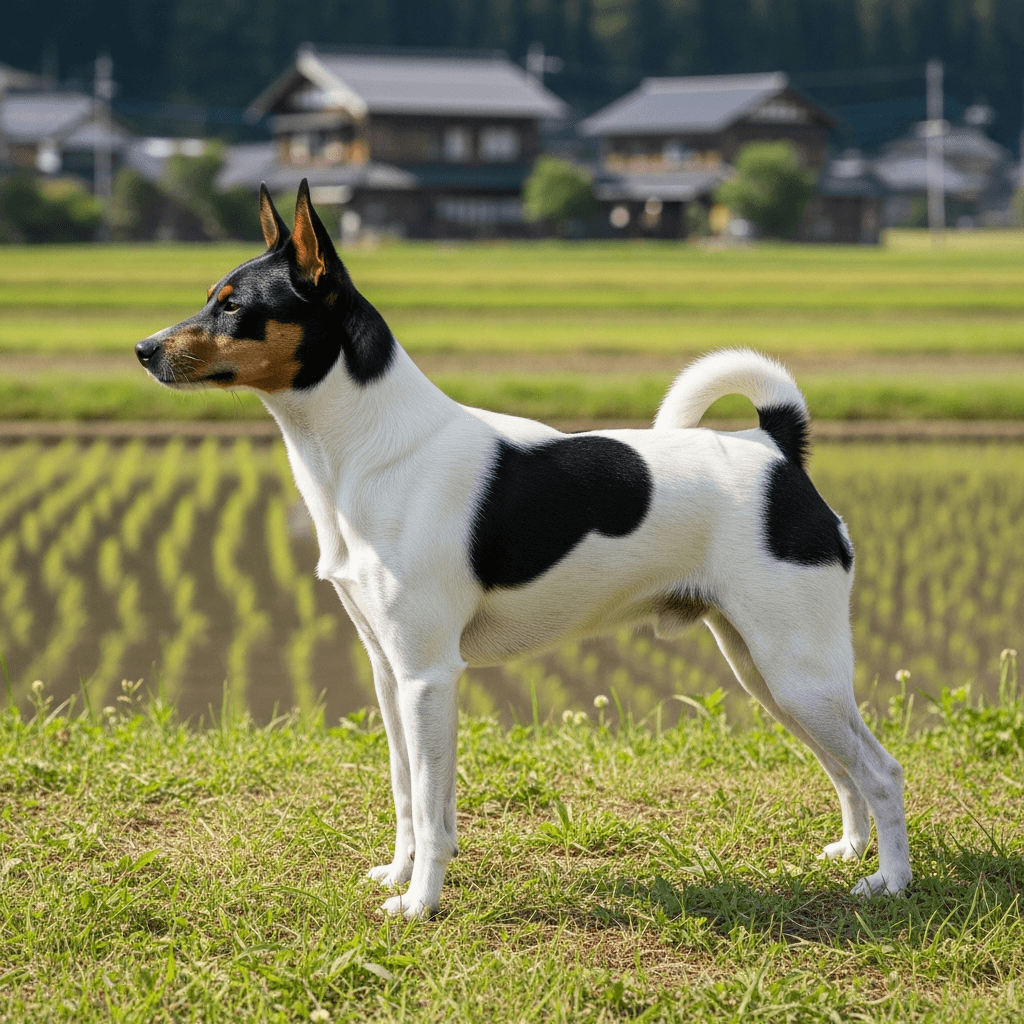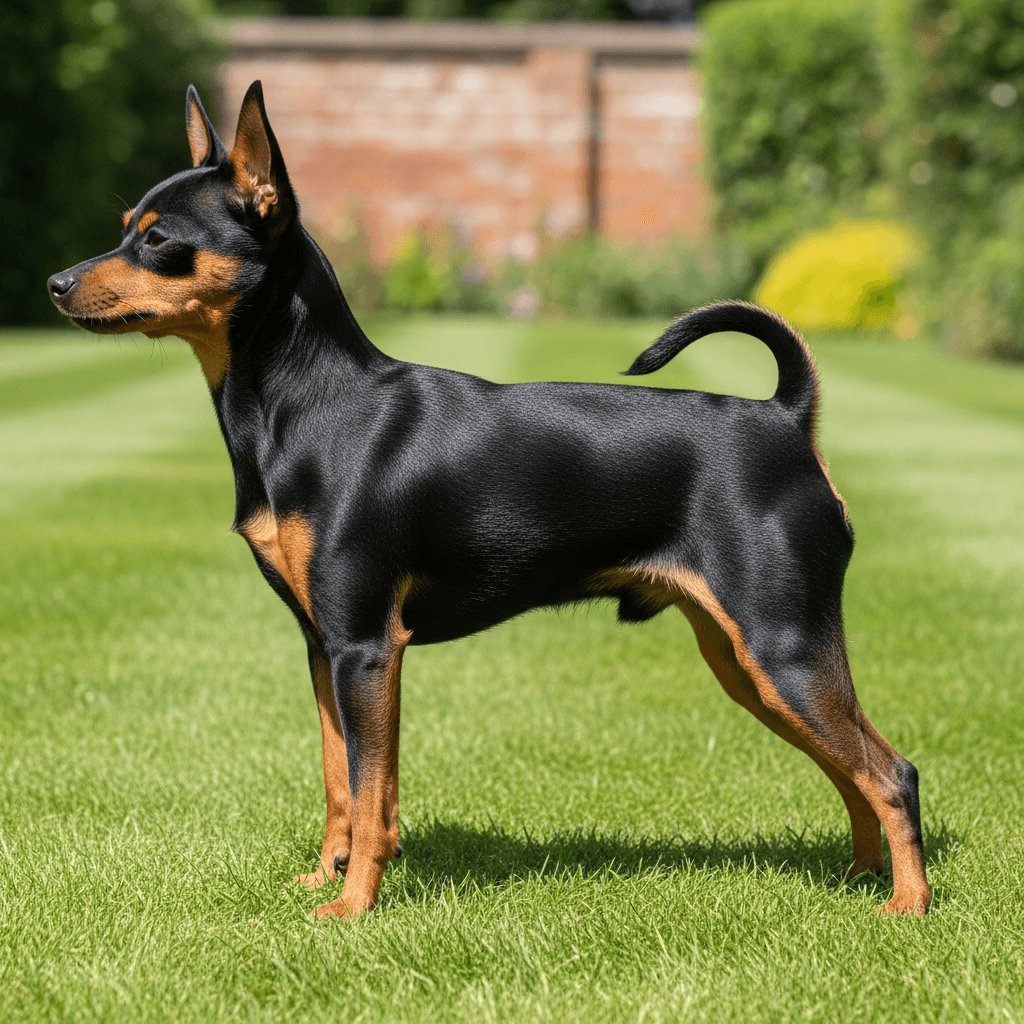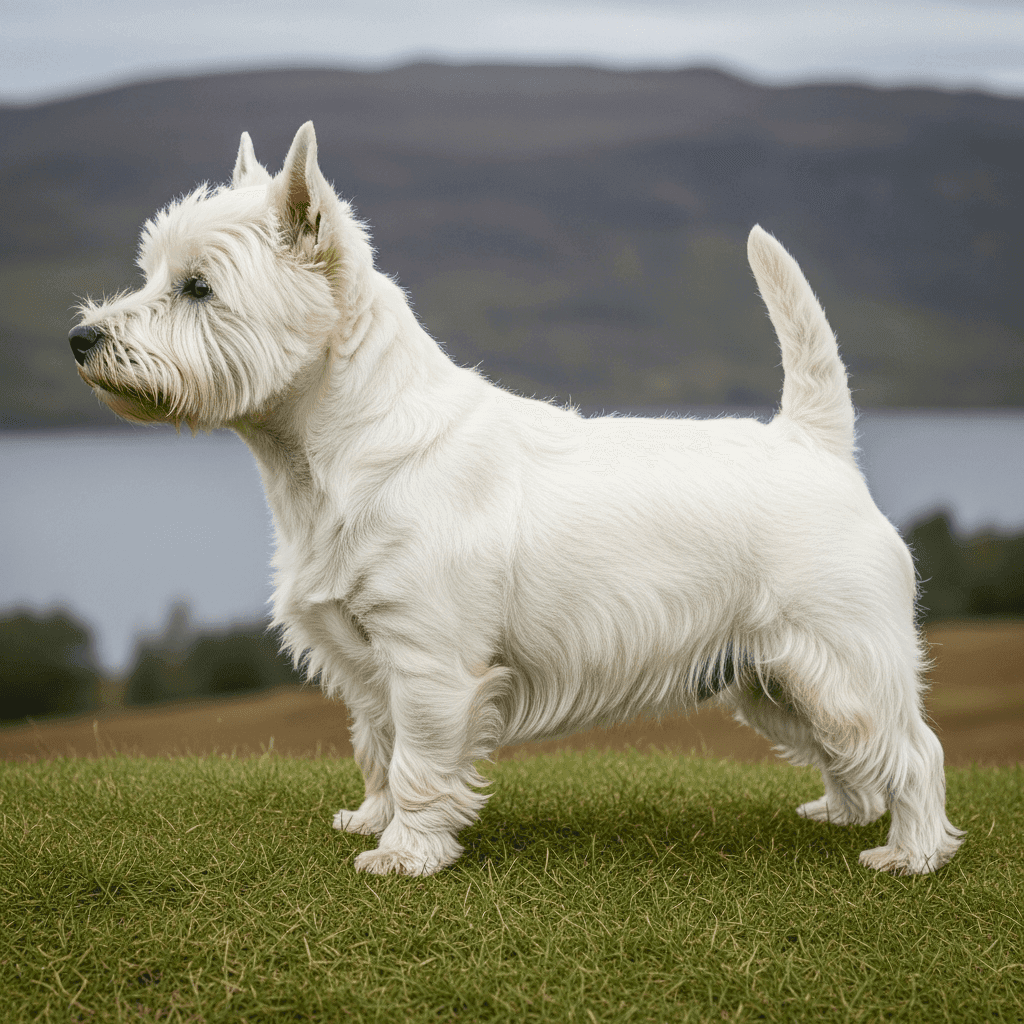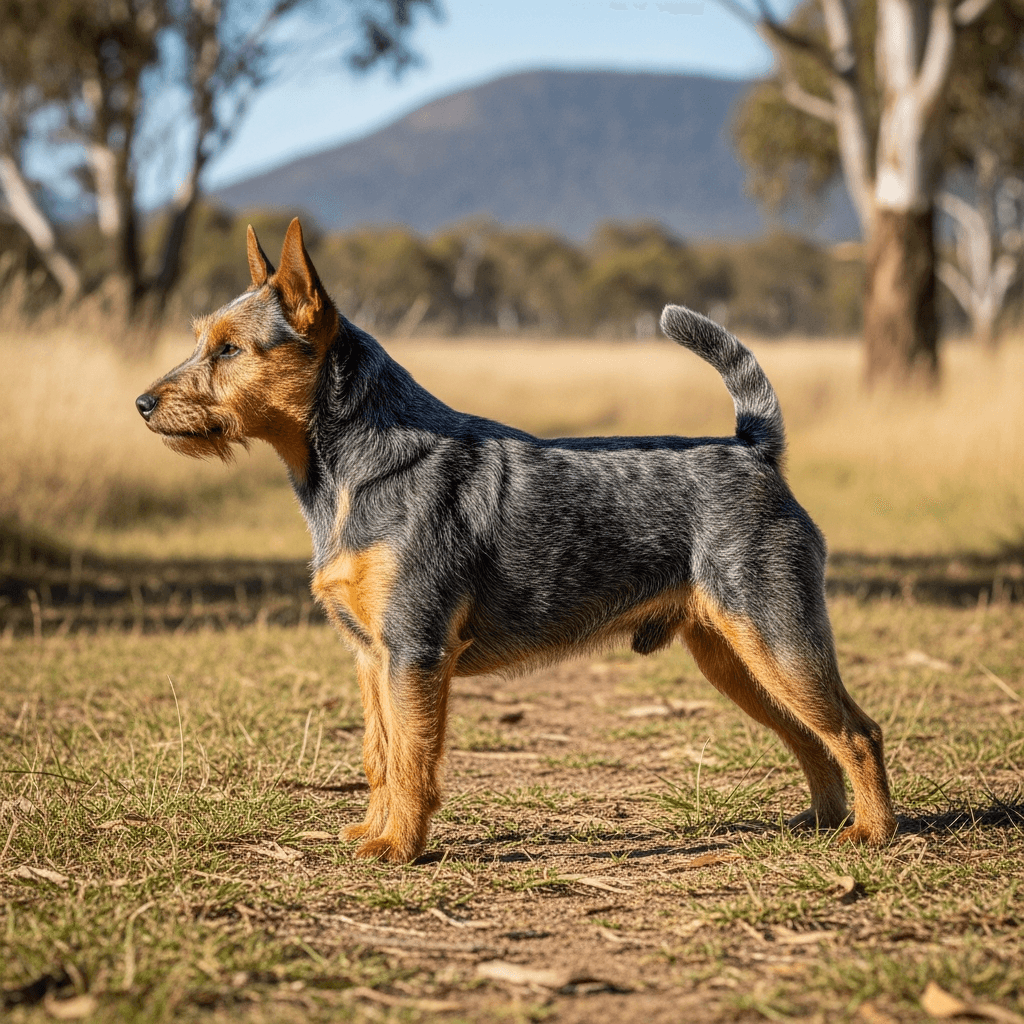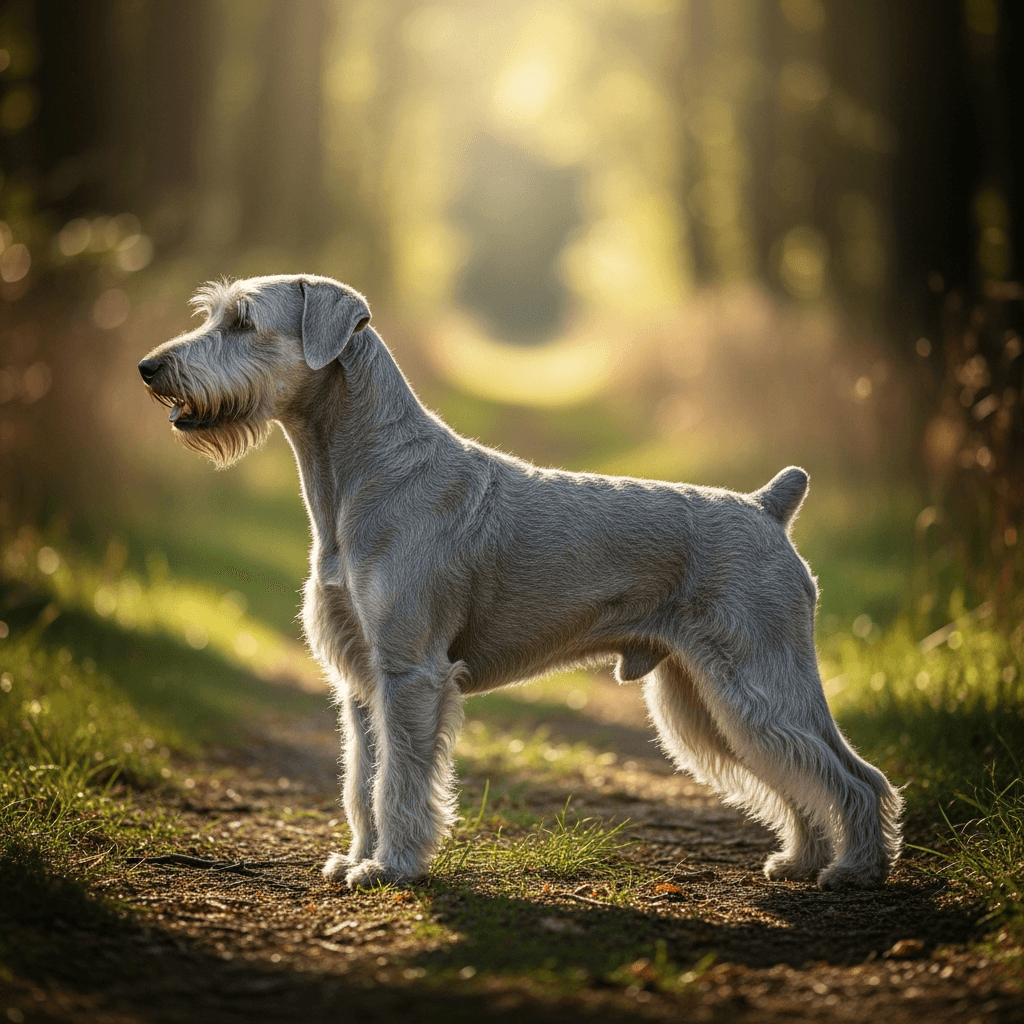
Czech Terrier
FCI Group
3• FCI 246
Size
Small
Origin Country
CZ
Height
25-32 cm
Weight
6-10 kg
Lifespan
12-14 years
Temperament
Overview
The Czech Terrier, also known as Český teriér, is a charming little dog with long, silky fur that originates from Czech Republic. This unique breed was developed in the 1940s by František Horák, a breeder from Klánovice near Prague, who dreamed of creating a lightweight hunting terrier with practical drooping ears, easy to care for and train. The crossbreeding of a Sealyham Terrier with a female Scottish Terrier resulted in a dog that combines intelligence, loyalty, and hunting skills of both breeds. Although originally intended for hunting foxes and badgers, today the Czech Terrier has found its place as a companion dog, enjoying increasing popularity worldwide.
The Czech Terrier is characterized by its calm, balanced temperament and lack of aggression, making it an ideal companion for both families with children and elderly individuals. Its cheerful, happy nature allows it to adapt well to various living conditions – whether in small urban apartments or houses with gardens. However, it is crucial to provide it with an adequate amount of exercise and mental stimulation, which helps maintain its physical and mental health as well as its happiness.
The coat of the Czech Terrier is an additional asset – long, gently wavy, and silky, it attracts the attention of dog lovers. The coloration of these dogs can be blue-gray or milk-coffee with various markings in shades of yellow, gray, and white, adding to their unique charm and elegance.
We encourage you to explore the following chapters of our guide, where we will discuss in detail health, grooming, physical activity, training, nutrition, history, appearance, and behavior of the Czech Terrier. This information will help you better understand why the Czech Terrier is so special and what makes it worth having as a life companion.
The Czech Terrier is a dog with a characteristic rectangular silhouette that combines features of lightness and solid musculature. According to the FCI standard, the ideal height at the withers is 29 cm for males and 27 cm for females, with an accepted range of 25-32 cm. The weight ranges from 6-10 kg, making it a small dog, but definitely not fragile.
The coat is one of the most distinctive features of this breed. It is long, thin, delicate, yet strong and slightly wavy. The coat has a silky texture and is not overly abundant, which makes grooming easier. The coloration of the Czech Terrier can be blue-gray or milk-coffee, with additional markings in yellow, gray, and white, especially on the head, beard, neck, chest, and limbs.
The head is shaped like a long, blunt-ended wedge. The muzzle is strong and well-built, with a black nose in blue-gray dogs and a liver-colored nose in milk-coffee ones. The eyes are medium-sized, deeply set, with a gentle and friendly expression – dark brown in blue-gray individuals and light brown in milk-coffee ones.
The ears are medium-sized, triangular, strongly folded, and close to the cheeks, which is a characteristic element of this breed's appearance. The tail is relatively thick, measuring 18-20 cm in length, hanging down at rest and raised in motion, but never carried over the back.
The limbs are straight and parallel, short but muscular. The movement of the Czech Terrier is free, energetic, and efficient, resulting from its well-built musculature. Its beautiful, long coat combined with a friendly, gentle expression makes it an extremely attractive dog in the eyes of many dog lovers.
The Czech Terrier is characterized by a calm, balanced, and friendly temperament. According to the FCI standard, it is a non-aggressive, pleasant, and cheerful companion, easy to train, although somewhat reserved towards strangers. Its gentle nature makes it an excellent companion for children and elderly people who appreciate a calm yet joyful four-legged friend.
The Czech Terrier is very loyal to its family and values closeness and attention from its guardians. Although it shows some reserve towards strangers, over time – after proper socialization – it becomes friendly and open. This is a dog that likes to be the center of attention and participate in the family's daily life.
This breed has retained a moderate hunting instinct, which means it may show interest in smaller animals and chase them during walks. Therefore, one should be vigilant and keep the dog on a leash in areas where cats, rabbits, or squirrels may appear.
The Czech Terrier does not tolerate prolonged loneliness and is best suited for families that can dedicate a lot of time and attention to it. This is a dog that requires regular mental and physical stimulation to avoid becoming bored or destructive. Despite its somewhat stubborn nature typical of terriers, the Czech Terrier is easy to train, provided that positive reinforcement methods are used.
In relationships with other dogs, it may initially be distrustful, so early socialization is key. A well-socialized Czech Terrier can get along wonderfully with other four-legged friends. Overall, the Czech Terrier is a balanced dog, full of life energy, that adapts well to various home conditions, as long as it is properly raised, socialized, and given enough attention and activity.
The Czech Terrier is a breed that is generally healthy and resilient, with an average lifespan of 12 to 15 years, which is a very good result for a dog of this size. However, like most purebred dogs, the Czech Terrier can be prone to certain health issues that are worth knowing about.
Among the most common ailments that may occur in Czech Terriers are:
- Patellar luxation – an orthopedic problem often found in small dog breeds, which can cause limping and discomfort
- Cataracts – an eye disease leading to clouding of the lens and potentially resulting in vision loss
- Scottie Cramp – a rare neurological disorder characterized by muscle cramps during exertion or excitement, inherited from Scottish Terriers
- Cardiological problems – including heart valve diseases that may occur in older individuals
It is important for owners to regularly monitor their dogs' health and consult a veterinarian if any concerning symptoms arise. Regular check-ups, vaccinations, and deworming are essential for a long, healthy life.
This breed does not tolerate very high temperatures, so during the summer months, it is necessary to provide the dogs with appropriate conditions – shade, access to fresh water, and avoiding intense exercise on hot days to prevent heatstroke. On the other hand, their thick coat protects them from the cold, although on very frosty days, it is worth considering additional protection.
Although the Czech Terrier has a good appetite, it is important to take care of its diet and condition to avoid obesity, which can lead to additional health problems such as joint strain, heart issues, or diabetes. Maintaining an appropriate weight is crucial for the longevity and quality of life of this small canine.
Caring for the Czech Terrier is extremely important to maintain its health, comfort, and aesthetic appearance. Their long, silky coat requires regular and mindful care.
Brushing the coat should be done regularly – preferably daily, especially during shedding periods when hair may fall out in larger amounts. Regular grooming helps remove dead hair, prevents matting and dullness, and distributes the skin's natural oils, giving the coat a healthy, shiny look.
Owners should also regularly visit professional groomers – at least four times a year – to ensure proper care. The Czech Terrier requires specific grooming that highlights its distinctive appearance: the hair on the back is shorter, while longer hair is left on the belly, legs, and face, creating a characteristic beard and eyebrows.
The coat of the Czech Terrier is slightly wavy and silky, making it prone to tangles, especially around the belly, groin, and behind the ears. Therefore, it is important to use appropriate tools while brushing, such as natural bristle brushes and metal combs, which will not damage the delicate hair structure.
Additionally, it is essential to remember to care for:
- Ears – regular ear cleaning (once a week) helps avoid infections, especially since the hanging ears of the Czech Terrier are more prone to dirt and moisture accumulation
- Teeth – brushing teeth several times a week will help prevent cavities and gum disease
- Nails – regular nail trimming (every 3-4 weeks) prevents discomfort and walking problems
- Bathing – the Czech Terrier requires a bath every 4-6 weeks using a gentle shampoo for long-haired dogs
Proper grooming not only affects the beautiful appearance of the Czech Terrier but also its overall health, well-being, and quality of life. A well-groomed Czech Terrier is a happy Czech Terrier!
The Czech Terrier is a dog with moderate exercise needs, making it an ideal companion for people leading various lifestyles – from active families to quieter elderly individuals. Although this breed does not require intense, exhausting training, regular walks and playtime are essential to maintain their physical and mental health as well as good condition.
An adult Czech Terrier requires daily walks lasting from 30 to 60 minutes, depending on their energy level and age. Younger individuals will need more exercise and stimulation, while older dogs may be more relaxed and content with shorter outings.
This breed has a natural inclination to play, so it is worthwhile to introduce various forms of activity, such as:
- Fetching – great fun that develops hunting instincts
- Chasing a ball or frisbee – an excellent way to release energy
- Interactive games with the owner – strengthening the bond and stimulating the mind
- Scent games – utilizing the terrier's natural instincts
- Dog agility – for more ambitious owners and dogs
It is also important to remember that the Czech Terrier has retained a high motivation to hunt and may show interest in smaller animals. Therefore, keeping them on a leash during walks is recommended to avoid situations where the dog might chase a cat, squirrel, or rabbit.
This breed gets along well with other dogs, but early socialization is crucial to avoid behavioral issues. Playing together with other canines can provide an excellent form of physical and social activity.
Overall, the Czech Terrier is easy to maintain in terms of physical activity, making it an excellent choice for various types of owners – both for families with children and for older individuals who wish to have an energetic yet not overly demanding companion for daily walks and playtime.
Training a Czech Terrier can be a pleasant and rewarding experience, but it requires patience, consistency, and the right approach. Dogs of this breed are intelligent and eager to learn, but – typically for terriers – they can show some stubbornness, so they do not respond well to harsh, punitive training methods.
The key to success is using positive reinforcement methods, such as:
- Treat rewards – a dog learns faster when it knows it will receive its favorite treat for good behavior
- Verbal praise – enthusiastically praising the dog for good behavior builds motivation
- Play – using a favorite toy as a reward for obedience
- Petting and attention – physical contact with the owner is a great reinforcement
Early socialization is absolutely crucial for a Czech Terrier to learn to accept various situations, people, and other animals. Puppies should be exposed to positive experiences with different stimuli – sounds, places, people, and other dogs – from the youngest weeks of life.
Training should include basic commands, such as:
- Sit
- Lie down
- Stay
- Come
- Leave it
Once the basics are mastered, you can move on to more advanced skills, such as tricks, dog tricks, or even elements of agility, if the dog shows interest and aptitude.
Regular mental exercises, such as setting up simple tasks to solve, scent games, or dog puzzles, can also help stimulate their intelligent minds and prevent boredom.
Owners should be consistent and patient in their training approach. Training sessions should be short (10-15 minutes), but regular – ideally daily. The Czech Terrier can be a bit stubborn, so it is important not to give up and to maintain clear rules.
Training should also be fun and engaging to keep the dog motivated. Over time, with the right approach based on positive reinforcement, consistency, and patience, the Czech Terrier will become a obedient, well-trained, and joyful companion who enjoys working with its owner.
The diet of a Czech Terrier should be balanced, nutritious, and tailored to its age, size, activity level, and individual health needs. Proper nutrition is the foundation of health, energy, and longevity for this small four-legged friend.
Owners should choose high-quality food – both dry and wet – that is rich in:
- Animal protein – preferably from poultry, beef, or fish as the main ingredient
- Healthy fats – omega-3 and omega-6 fatty acids for healthy skin and a shiny coat
- Vitamins and minerals – supporting the immune system, bones, and joints
- Fiber – aiding proper digestion
The Czech Terrier has a tendency to gain weight, especially when leading a less active lifestyle or when neutered/spayed. Therefore, monitoring the amount of food given and avoiding high-calorie snacks is extremely important.
It is recommended to divide the daily food portion into two or three smaller meals to prevent overeating, digestive issues, and reduce the risk of gastric torsion. Regular feeding at consistent times also helps maintain a healthy metabolism.
Fresh water should be always available to ensure proper hydration, especially after physical activity and on warm days.
It is also worth considering introducing healthy snacks into the diet, such as:
- Fresh vegetables – carrots, broccoli, spinach
- Fruits in moderation – apples (without seeds), berries, watermelons
- Natural dog treats – dried meat, pig ears
It is important to avoid giving the Czech Terrier:
- Chocolate and cocoa
- Onions and garlic
- Grapes and raisins
- Fatty and salty foods
- Chicken bones (risk of choking and intestinal damage)
Regular veterinary check-ups will help monitor body weight, dental health, and overall well-being. The veterinarian can also assist in selecting the appropriate diet for dogs with specific health needs – for example, for older individuals, puppies, or dogs with food allergies.
A proper diet not only affects the physical health of the Czech Terrier but also its well-being, energy level, coat quality, and overall joy of life. A well-nourished dog is a happy and active companion for many years!
Characteristic Traits
Pros
- Calm and balanced temperament
- Easy to care for despite long fur
- Friendly towards children and the elderly
- Gets along well with other animals
- Non-aggressive and cheerful companion
- Suitable for apartments and houses.
Cons
- Requires regular coat care and visits to the groomer
- May be stubborn during training
- Does not tolerate prolonged solitude
- Retained hunting instincts
- Reserved towards strangers.
Behavioral Ratings
Breed History
The history of the Czech terrier dates back to the late 1940s, when in then Czechoslovakia, František Horák, a breeder and cynologist from Klánovice near Prague, decided to create a new breed of dog that would combine the best traits of two popular terriers.
Horák had a clear vision: he wanted to breed a lightweight, low-set hunting terrier with practical, drooping ears, easy to care for and train, that would be effective in hunting foxes and badgers in the challenging terrain of the Czech mountains and forests. To this end, in 1949, he began systematic crossbreeding of the Sealyham terrier with a female Scottish terrier.
The result exceeded expectations – a dog emerged that combined intelligence, loyalty, courage, and excellent hunting skills of both parent breeds, while maintaining a gentle, balanced temperament. The Czech terrier proved to be not only an effective hunter but also a friendly companion dog.
In 1959, the Czech terrier made its public debut at a dog show as a new breed, attracting significant interest among cynologists and dog lovers. Official recognition by the FCI (Fédération Cynologique Internationale) occurred in 1963, marking a great success for Horák and confirming the value of the new breed.
This breed quickly gained popularity not only in the Czech Republic but also in other European countries. The Czech terrier was introduced to Great Britain in 1989, and later made its way to the United States, where it was officially recognized by the American Kennel Club (AKC) in 2011.
Since then, the Czech terrier has become a favorite among many families around the world. Its friendly disposition, intelligence, sociability, and unique appearance make it an excellent pet for both experienced dog owners and beginners.
Today, the Czech terrier continues to be recognized and is often chosen by dog lovers as a companion, family, and show dog. Although it is not a common breed, its unique character and history make it one of the most interesting and valued terrier breeds in the world. It stands as a living monument to the passion and vision of František Horák, who created a breed that perfectly combines hunting tradition with the modern needs of dog owners.