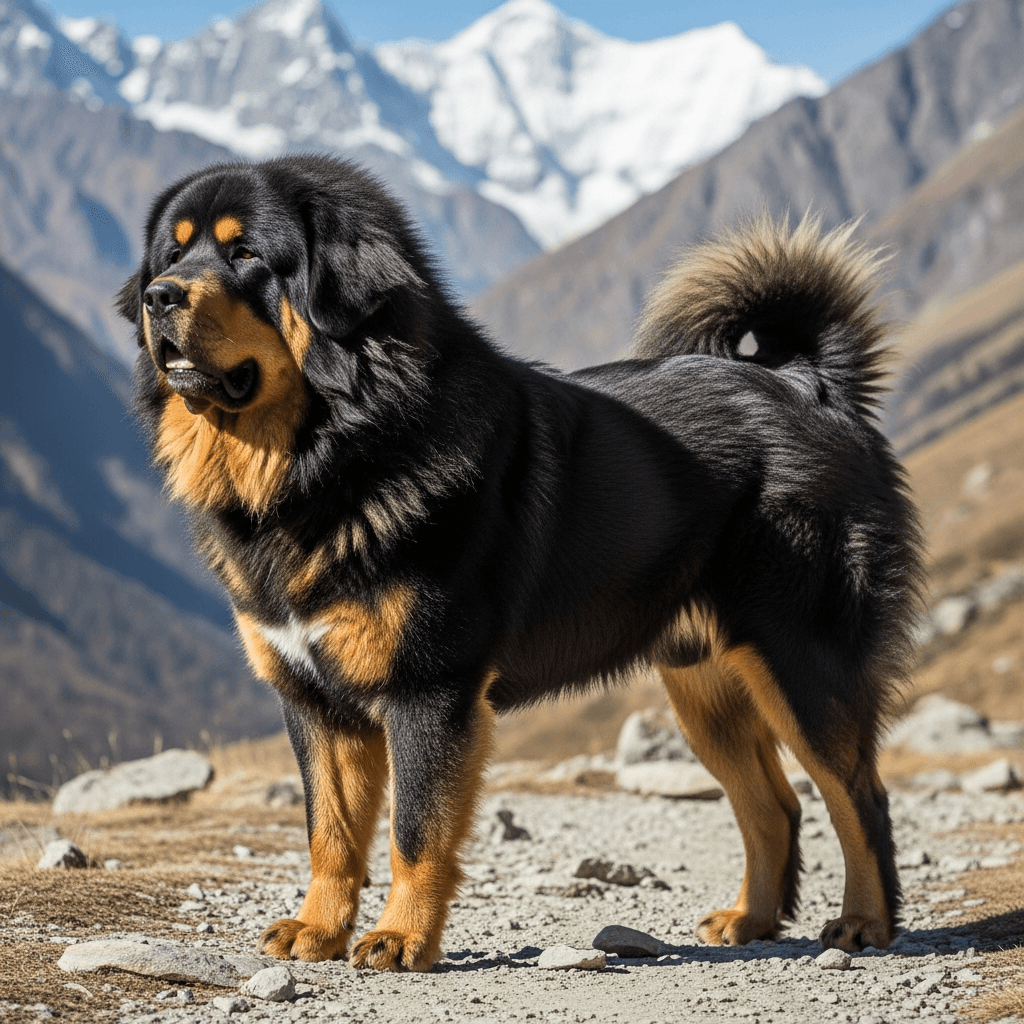
Tibetan Mastiff
FCI Group
2• FCI 230
Size
Large
Origin Country
XX
Height
61-71 cm
Weight
55-80 kg
Lifespan
10-12 years
Temperament
Overview
Tibetan Mastiff, also known as Do-Khyi, is a breed of dog that has fascinated people for centuries with its history, majestic appearance, and unwavering character. Originating from the harsh, icy terrains of Tibet, it has served for centuries as an indispensable guardian of mountain settlements and Buddhist monasteries. It guarded herds of yaks and sheep from predators and protected temples from intruders, which shaped its uniquely independent, brave, and defensive nature.
The history of the Tibetan mastiff dates back to ancient times – Aristotle mentioned this breed in the 4th century BC, and Marco Polo described it in his travel accounts from Asia in the 13th century as a dog of extraordinary physical and mental strength. Many European cynologists consider the Tibetan mastiff to be the ancestor of all modern molossers and mountain dogs, making this breed extremely significant in the history of dog breeding.
Today, the Tibetan mastiff is gaining popularity in Europe and North America as well. With its impressive, almost lion-like stature, thick fur forming a characteristic mane around its neck, and dignified gaze, it captures the hearts of many large breed enthusiasts. Its solid, massive build and double, dense coat make it perfectly adapted to living in harsh weather conditions, including extreme cold.
However, it is not just the appearance that draws attention to this breed. The Tibetan mastiff is primarily a dog with an exceptionally strong, independent character, requiring an experienced, consistent owner who understands its natural instincts and needs. Its independence and strong will mean that it is not a breed suitable for novice dog owners. In return for the right approach, it offers boundless loyalty, devotion, and protection for its loved ones at the highest level.
Early and intensive socialization is absolutely key to harmonious coexistence with a Tibetan mastiff. Without proper preparation, its natural guarding instinct can lead to excessive suspicion of strangers. Therefore, it is worth investing time and effort in its upbringing from a puppy age to ensure it grows into a balanced, predictable animal.
This breed matures very late – full physical and mental maturity is reached between the ages of 3 and 4, which means that the owner must be extremely patient and consistent for a long period. Despite its massive, powerful build, the Tibetan mastiff moves with astonishing grace and flexibility, which is incredibly captivating and contrasts with its impressive size.
The coat color of the Tibetan mastiff is extremely diverse – ranging from deep black, through blue (gray) with tan, golden, to the less commonly seen brown shades. This color diversity adds charm to the breed and makes each individual unique and special. While its appearance commands respect and admiration, its interior hides a dog full of warmth, loyalty, and an unwavering readiness to protect its loved ones.
If you are looking for a dog that combines majesty, strength, independence, and devotion, the Tibetan mastiff may be the perfect choice. However, before deciding on this breed, carefully consider whether you are ready to meet the challenges that come with its upbringing, spatial needs, and socialization requirements. A responsible, experienced owner will find in it a wonderful life companion and an unmatched, devoted guardian of the family home.
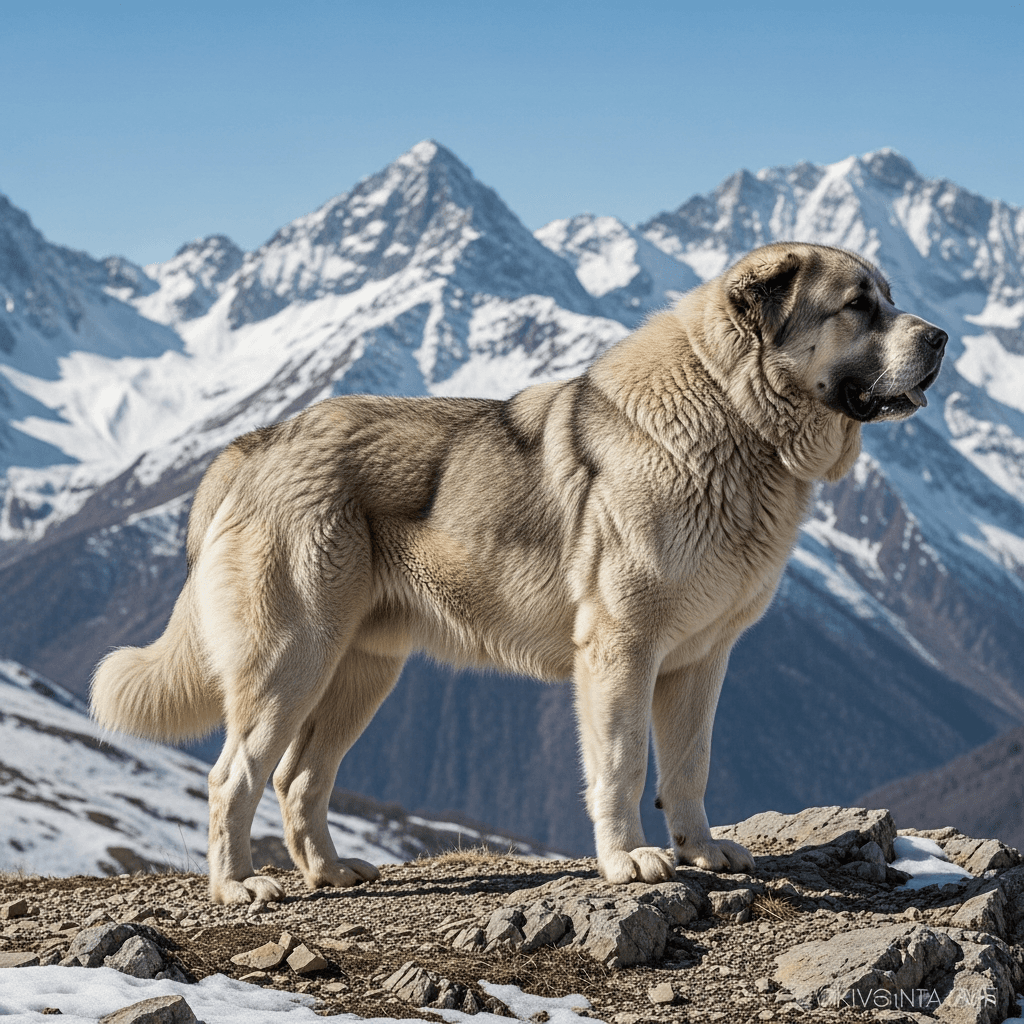
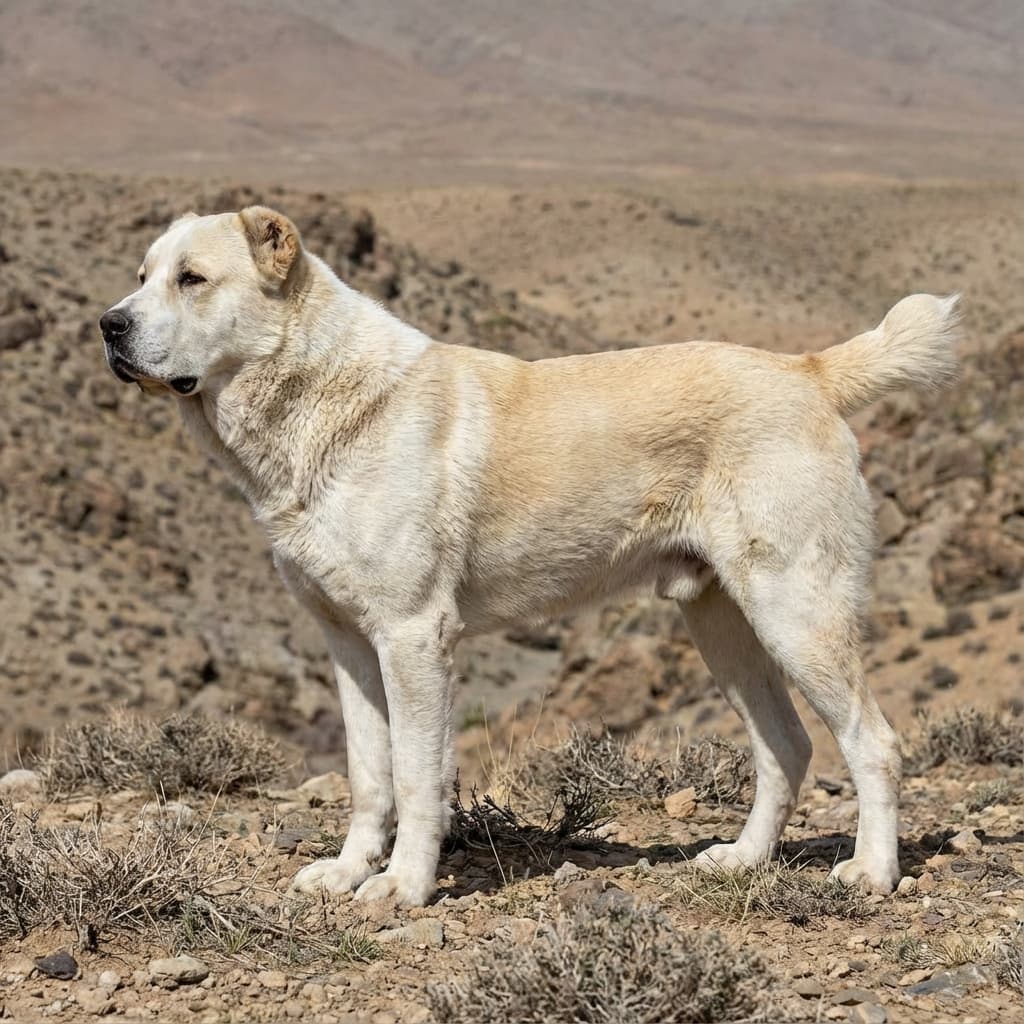
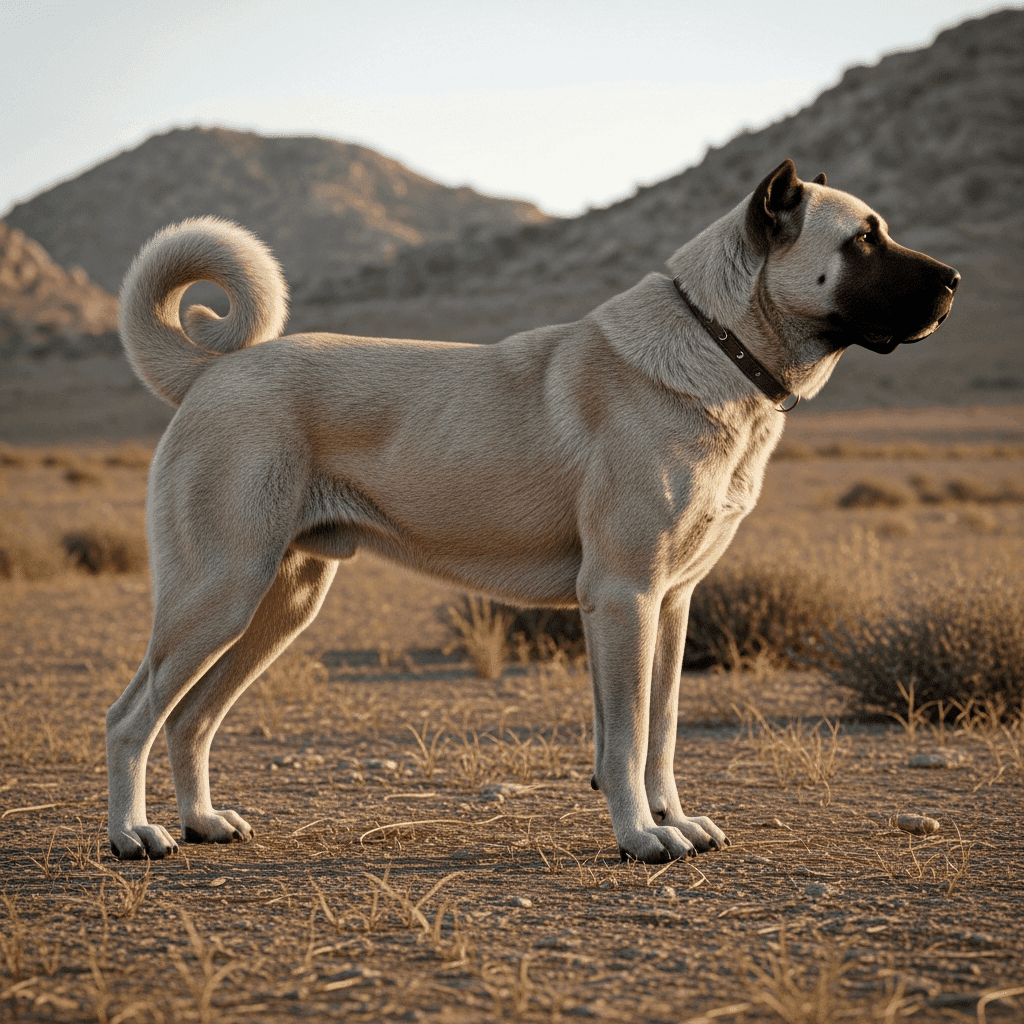
The Tibetan Mastiff is a dog with a truly impressive, massive, and harmonious body structure, which emanates strength and dignity. According to the FCI standard, the height at the withers for males is a minimum of 66 cm, and for females, a minimum of 61 cm, although these individuals often exceed these minimum dimensions. Their silhouette is extremely solid, with a strong, heavy bone structure and well-developed, powerful muscles that give the entire figure an athletic yet massive character.
The head of the Tibetan Mastiff is wide, heavy, and impressive, with characteristic folds of skin appearing with age, giving it a serious, dignified expression. The skull is broad and strong, with a well-defined frontal slope. The eyes are medium-sized, in various shades of brown – from light to dark, oval in shape, set quite wide apart. The gaze of the mastiff is full of dignity, intelligence, and confidence, sometimes almost hypnotic.
The ears are triangular, medium-sized, hanging, set between the upper line of the skull and the line of the eyes, falling forward when the dog is at rest. When the mastiff is alert or excited, the ears lift and move forward. The muzzle is quite wide, square, with strong jaws and teeth forming a scissor or pincer bite.
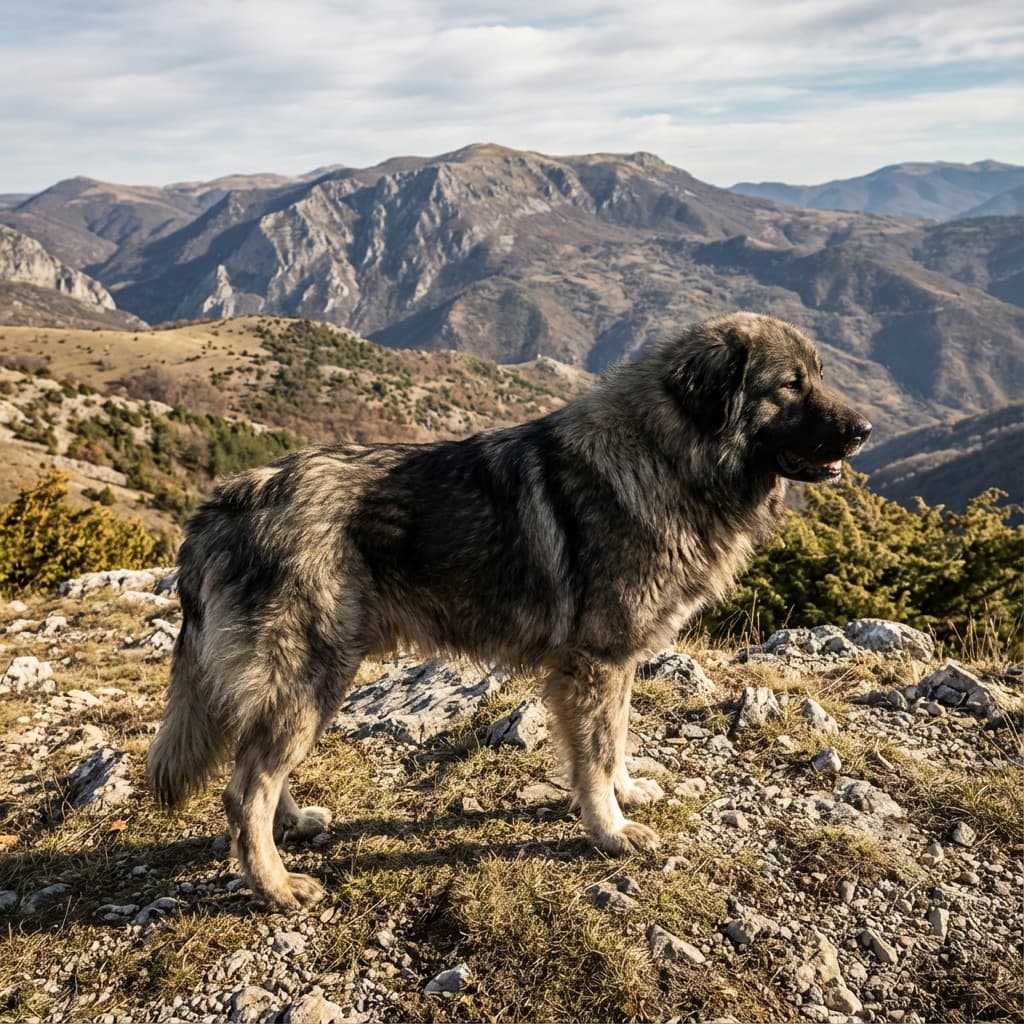
The coat of the Tibetan Mastiff is its true crown – it is dense, hard to the touch, with a plentiful, soft undercoat, which provides excellent protection against extreme cold and adverse weather conditions. The outer coat is longer around the neck and shoulders, creating a spectacular, almost lion-like mane, especially in males. The tail is medium-length, set high, carried cheerfully, curled to one side of the back, covered with abundant hair.
The coloration of the Tibetan Mastiff can be incredibly diverse and striking:
- Black – deep, intense black, sometimes with small white markings on the chest
- Blue (gray) – from light gray to dark gray, often with tan markings
- Gold – from light cream to deep golden shade
- Sable – hair with darker tips on a lighter background
- With tan markings – with characteristic tan markings above the eyes, on the muzzle, limbs, and tail
The movements of the Tibetan Mastiff are decisive, powerful, yet surprisingly graceful and flexible, making it an extremely visually appealing dog. It moves with dignity, without unnecessary haste, but when the need arises, it can demonstrate surprising agility for its massive build. The overall impression is of a majestic, powerful, noble dog that emanates strength and confidence.
The Tibetan Mastiff is a dog with a remarkably strong, independent, and determined character, deeply rooted in its centuries-old history as a guardian and protector. It is a typical guard dog that forms a strong bond with its family and territory, treating them as its area to protect. It is naturally cautious, suspicious, and distant towards strangers, which is a desirable trait in guard dogs, but requires proper management.
Its behavior is often dominated by a strong, innate defensive and territorial instinct, which means that it is not a breed recommended for families with small children, unless the dog has been properly socialized from a young age and the children can respect its boundaries. The Tibetan Mastiff may react poorly to loud, unpredictable behaviors from children, which it may interpret as a threat.
The Tibetan Mastiff tends to be relatively emotionally reserved – it is not a dog that will obsessively seek attention or affection. It may come across as cool or indifferent, which does not indicate a lack of attachment but rather reflects its independent, self-sufficient nature. Despite its apparent distance, it is very loyal to its guardians and will defend them without hesitation, even at the cost of its own life.
This breed absolutely requires early, intensive, and consistent socialization to avoid excessive aggression or suspicion towards strangers and animals. Without proper socialization, the Tibetan Mastiff can become overly aggressive, which poses a serious problem due to its size and strength. Socialization should include positive interactions with various people, animals, places, and situations starting from the 8th week of life.
The Tibetan Mastiff is not particularly interested in play or recreational activities – its priority is patrolling and protecting its territory. However, it can be friendly, gentle, and patient with familiar individuals, including family members. Among its close ones, it can show subtle affection and engagement.
Its independent character and strong will mean that communication with it requires a deep understanding of its natural instincts, needs, and acceptance of its autonomous nature. This is not a dog that will blindly obey commands – the Tibetan Mastiff assesses situations and makes decisions on its own, which can be frustrating for owners expecting absolute obedience.
Owners must be aware that the Tibetan Mastiff reaches full physical and mental maturity very late – between the ages of 3 and 4, which significantly affects its behavior, reactions, and upbringing process. Young individuals may display more energy and playfulness, but as they age, they become increasingly serious, composed, and focused on their guarding duties.
The Tibetan Mastiff is not a breed for everyone – it requires an experienced owner who understands and accepts its independence, can consistently enforce rules without using violence, and will provide appropriate living conditions and socialization. In the right hands, it can be a wonderful, loyal companion and a reliable guardian.
The Tibetan Mastiff is a breed that generally enjoys good health and resilience, especially compared to some other giant breeds. However, like any large breed, it requires special attention due to its size and specific health issues that may arise. The average lifespan of a Tibetan Mastiff ranges from 10 to 14 years, which is relatively long for such a large dog.
Hip and elbow dysplasia are among the most common orthopedic problems seen in this breed. These are congenital developmental defects of the joints that can lead to pain, stiffness, and lameness, particularly in later years. Responsible breeders perform X-rays on dogs intended for breeding to minimize the risk of passing these defects to their offspring.
Owners should be very aware that overweight and obesity are serious health threats to the Tibetan Mastiff. Excess body weight puts immense pressure on the joints, heart, and other internal organs, leading to accelerated joint degeneration, heart disease, and a shortened lifespan. Therefore, controlling diet and ensuring appropriate, regular physical activity is absolutely crucial.
Tibetan Mastiffs are also prone to epilepsy – a neurological disorder that causes recurrent seizures. While epilepsy can be managed with medication, it requires ongoing veterinary care and monitoring. Another issue may be eye anomalies, including entropion (inward rolling of the eyelids) and ectropion (outward rolling of the eyelids), which can lead to corneal irritation and infections.
Demodicosis (demodectic mange) is a skin disease caused by parasitic mites that can occur in Tibetan Mastiffs, particularly in young individuals with weakened immune systems. It requires appropriate veterinary treatment.
Their double, dense coat provides excellent protection against extreme cold, but it can also lead to overheating on hot days. Tibetan Mastiffs are sensitive to high temperatures and humidity, so in the summer, it is essential to provide them with cool, shaded areas, access to fresh water, and to avoid intense activity during the hottest hours of the day.
Regular veterinary visits (at least once a year), vaccinations, deworming, flea and tick prevention, and continuous health monitoring should be standard parts of the routine for any responsible Tibetan Mastiff owner. Early detection of health problems significantly increases the chances of effective treatment and prolonging the dog's life in good health.
The care of the Tibetan mastiff, despite its impressive, dense coat, is not particularly complicated or time-consuming, but it requires regularity and consistency. This breed has a double coat consisting of a hard, straight outer coat and a soft, dense undercoat, which together create a natural protective barrier against cold and moisture.
During normal periods, the coat of the Tibetan mastiff should be thoroughly brushed at least once a week to maintain its healthy appearance, prevent matting, and remove loose hair and dirt. It is best to use a pin brush or a comb with long teeth for brushing, which can reach the undercoat.
During the shedding period, which usually occurs once or twice a year (in spring and autumn), the Tibetan mastiff can lose huge amounts of undercoat in a relatively short time. During this time, daily, intensive brushing is recommended to effectively remove dead hair, minimize their presence in the home, and prevent matting. Shedding can last from a few weeks to even 2 months.
The coat of the Tibetan mastiff is not silky, curly, or woolly, which makes its care much easier compared to some other long-haired breeds. It does not require professional grooming or clipping, although some owners choose to gently trim the hair between the paw pads for hygiene.
Owners should also pay special attention to ear hygiene – due to their droopy ears, Tibetan mastiffs can be prone to ear infections. Ears should be checked regularly (once a week) and cleaned with special veterinary products, removing excess wax and dirt.
Oral hygiene is also very important – regular tooth brushing (ideally daily, at least 2-3 times a week) with a special dog toothbrush and toothpaste prevents the formation of tartar, gum diseases, and unpleasant breath.
Regular baths are not necessary and should not be done too often (maximum once every 2-3 months or as needed) to avoid destroying the natural protective layer of the skin and coat. Bathing should only be done when the dog is really dirty or smells unpleasant. It is important to use high-quality, gentle shampoos designed for dogs that will not irritate the skin or dry out the coat.
It is also worth regularly trimming the nails (every 3-4 weeks) if they do not wear down naturally during walks. Too long nails can cause discomfort while walking, posture problems, and painful ingrowth. If you can hear the nails clicking on the floor, it means they are too long and need to be trimmed.
The Tibetan mastiff is not a hyperactive dog nor does it require extreme amounts of exercise, but it still needs regular, moderate physical activity to maintain health, good physical and mental condition, and appropriate body weight. Owners should provide their mastiff with at least two longer walks a day, each lasting 30-60 minutes, depending on age, condition, and ambient temperature.
Although this breed does not require intense, exhausting exercise or long-distance runs, regular outings in the fresh air are absolutely essential to meet its basic movement needs, allow exploration of the surroundings, provide mental stimulation, and encourage natural behaviors (sniffing, patrolling the area).
The Tibetan mastiff has a natural tendency to prefer calm, measured walks rather than intense activities or jumps. Its large body mass and skeletal structure mean that excessive strain on the joints, such as running on hard surfaces, jumping from heights, or intense exercise should be avoided, especially in young, growing individuals (up to 2 years) and older dogs.
It is worth introducing various forms of activity, such as:
- Calm walks in diverse terrain (meadows, forests, parks)
- Free play in a safe, fenced garden
- Simple obedience and training exercises
- Mountain hiking (for healthy adult individuals)
- Mental stimulation through interactive toys and training
This breed thrives in spacious conditions, such as homes with large, securely fenced gardens, where it can move freely, patrol its territory, and explore the surroundings at its own pace. The fence must be high (at least 1.8-2 meters) and sturdy, as Tibetan mastiffs can jump over low obstacles.
It is important to remember that the Tibetan mastiff has a very strong protective and territorial instinct, so during walks in public places, it should always be led on a short, strong leash and muzzled (if required by law) to avoid unforeseen, potentially dangerous situations related to defending its owner or reacting to unfamiliar dogs.
On hot days, physical activity should be limited to cooler hours (early morning, evening) to avoid overheating. Tibetan mastiffs are sensitive to high temperatures due to their dense, double coat, so in summer, access to shade, fresh water, and air-conditioned spaces is essential.
Training a Tibetan Mastiff can be a serious challenge even for experienced dog owners, due to its exceptionally independent, self-reliant nature, strong will, and natural tendency to make decisions on its own. Owners must be prepared for the fact that the training process will require immense patience, consistency, firmness without aggression, and the use of only positive reinforcement methods.
Early socialization and training are absolutely essential – it should begin as early as the 8th week of life and continue uninterrupted for the first 2-3 years of the dog's life. Socialization should include positive, controlled interactions with various people (including children, elderly individuals), other dogs and animals, diverse places (city, park, forest), sounds (traffic, fireworks), and situations (veterinarian, grooming).
It is crucial to avoid any forms of coercion, physical punishment, or shouting, as the Tibetan Mastiff absolutely does not tolerate harsh methods and may become aggressive, distrustful, or completely withdrawn in response to violence or inconsistent treatment. Violence completely destroys the relationship with this dog and can lead to dangerous defensive behaviors.
Instead, one should use only positive reinforcements, such as:
- High-value treats (favorite snacks)
- Sincere praise and an enthusiastic voice
- Play as a reward
- Social interactions with the owner
- Access to interesting places or activities
Owners should be aware that the Tibetan Mastiff reaches full mental maturity very late – between the ages of 3 and 4, which means that the training and behavior shaping process is lengthy and requires years of commitment. Young Mastiffs can be particularly stubborn and test boundaries, which requires extraordinary consistency.
Basic principles of effective Tibetan Mastiff training:
- Start early – the younger the puppy, the easier it is to shape its behaviors
- Be consistent – the same rules must apply always and everywhere
- Be patient – the Tibetan Mastiff learns at its own pace
- Use short sessions – 5-10 minutes of training, several times a day
- Be firm but gentle – clear rules without aggression
- Accept its nature – this is not a German Shepherd that will blindly follow every command
- Reinforce positive behaviors – always reward appropriate responses
Well-conducted training will help build a positive, mutually respectful relationship between the dog and the owner and ensure safety for both the dog, family members, and the environment (neighbors, passersby, other animals).
Due to the size, strength, and natural protective instinct of the Tibetan Mastiff, it is highly recommended to seek the help of a professional, experienced dog trainer who specializes in guarding breeds and understands the specifics of their behavior. Professional training can significantly speed up the process and help avoid serious training mistakes.
The diet of the Tibetan Mastiff should be carefully balanced, high-quality, and precisely tailored to its age, body weight, level of physical activity, and any health needs. Due to the size and specific needs of this breed, proper nutrition is crucial for the dog's health, longevity, and quality of life.
Owners should pay particular attention to the quality of the food, choosing premium or super-premium products that provide the appropriate amounts of:
- Protein – high-quality animal sources (meat, fish) – a minimum of 22-26% for adult dogs
- Fats – healthy omega-3 and omega-6 fatty acids – about 12-15%
- Carbohydrates – easily digestible energy sources (rice, potatoes, sweet potatoes)
- Vitamins and minerals – a complete complex necessary for the proper functioning of the body
- Glucosamine and chondroitin – supporting joint health (especially important for large breeds)
It is advisable to choose foods specifically formulated for giant or large breeds, as they take into account the specific needs related to joint health, weight control, and the appropriate calcium-to-phosphorus ratio (important for proper bone development in puppies).
Tibetan Mastiffs have a strong tendency towards overweight and obesity, which can lead to serious health problems, including:
- Hip and elbow dysplasia
- Heart and circulatory problems
- Diabetes
- Shortened lifespan
Therefore, controlling the amount of food and regularly monitoring body weight is absolutely crucial. Portions should be measured according to the manufacturer's recommendations, tailored to the individual needs of the dog, and not given in excess.
Due to their independent nature, Tibetan Mastiffs may sometimes ignore food or show pickiness. It is important not to leave food in the bowl all day (which can lead to spoilage and encourage overeating), but rather to provide meals at specific, regular times – adult dogs: twice a day, puppies: 3-4 times a day.
Fresh, clean water should always be available for the dog, especially on hot days, after eating dry food, or after physical activity. The water should be changed daily.
It is absolutely essential to avoid feeding the Tibetan Mastiff food from the table, which can be harmful to its health, lead to overweight, digestive problems, and encourage begging. Foods particularly dangerous for dogs include:
- Chocolate and cocoa (toxic to dogs)
- Onions, garlic, leeks (damage red blood cells)
- Grapes and raisins (can cause kidney failure)
- Cooked bones (can splinter and cause blockages)
- Sweets, especially those containing xylitol (deadly toxic to dogs)
Regular veterinary check-ups (at least once a year) help monitor the dog's body weight, physical condition, and adjust the diet as needed for health issues (food allergies, digestive problems, chronic diseases).
For older dogs (over 7-8 years), it is worth considering switching to senior food, which contains fewer calories, more fiber, and ingredients that support joint health and cognitive functions.
Characteristic Traits
Pros
- Strong defensive and guarding instinct
- Majestic and impressive appearance
- Exceptional resilience to harsh climatic conditions
- Boundless loyalty and devotion to family
- Generally healthy and long-lived breed.
Cons
- Requires a very experienced owner
- Independent and stubborn character
- Matures late (3-4 years)
- Needs intensive socialization
- May be aggressive towards strangers.
Behavioral Ratings
Breed History
The Tibetan Mastiff is a breed with extraordinarily deep, ancient roots, existing for thousands of years and remaining one of the most mysterious and legendary dog breeds in the world. It originates from the harsh, mountainous regions of Tibet, where for centuries it has been used by nomadic herders as a relentless guardian of herds of yaks, sheep, and goats against predators (wolves, snow leopards, bears) and as a defender of Buddhist monasteries against intruders.
Their history dates back to ancient times – the first mentions of this breed can be found in the writings of Aristotle (384-322 BC), who described large, powerful dogs from Asia. Later, the famous traveler Marco Polo, who made his legendary journey to Asia in 1271, described Tibetan Mastiffs with fascination in his accounts as dogs of extraordinary, impressive physical and mental strength, courage, and a unique, deep, menacing voice that in itself was meant to deter intruders.
All these historical sources consistently emphasize the natural strength, impressive appearance, and exceptional character of the Tibetan Mastiff, which has made this breed the subject of countless myths and legends. Even its characteristic, deep, resonant voice was described as a unique and highly valued trait of the breed.
Leading European cynologists of the 19th and early 20th centuries, such as Martin, Youatt, Megnin, Beckmann, Siber, Strebel, and Bylandt, intensively studied and documented the Tibetan Mastiff, fascinated by its origins, role in Tibetan culture, and possible influence on the development of other breeds. Many of them considered the Tibetan Mastiff to be a direct ancestor of all modern large mountain dogs and molosser breeds (mastiffs, St. Bernards, Leonbergers), making this breed extremely important in the history of cynology.
One of the first known Tibetan Mastiffs to reach the West was a male gifted to Queen Victoria by Lord Hardinge (the then Viceroy of India) in 1847. This historic moment sparked fascination with the breed in Britain and Europe. Later, in the 1880s, King Edward VII (then still the heir to the throne) also received Tibetan Mastiffs, further increasing interest and prestige of this breed among the European aristocracy.
Over the following decades, the breed gradually gained recognition among dog lovers worldwide, and its systematic breeding developed particularly in Britain, where the first breed standards were established. British breeders made tremendous efforts to preserve the original character and appearance traits of the Tibetan Mastiff.
Despite centuries of breeding in the West, Tibetan Mastiffs remain close to their original guarding and protective instincts, allowing them to continue to serve excellently as guardians and defenders. Their unique, ancient character and majestic, impressive appearance make them highly valued as companion dogs, but they require experienced owners who can provide them with proper care, training, socialization, and living conditions that meet their natural needs.
Today, the Tibetan Mastiff is recognized and valued worldwide as a living symbol of ancient Tibetan culture, extraordinary strength, independence, and devotion. This breed remains relatively rare, which further enhances its prestige and value among connoisseurs of dog breeds.