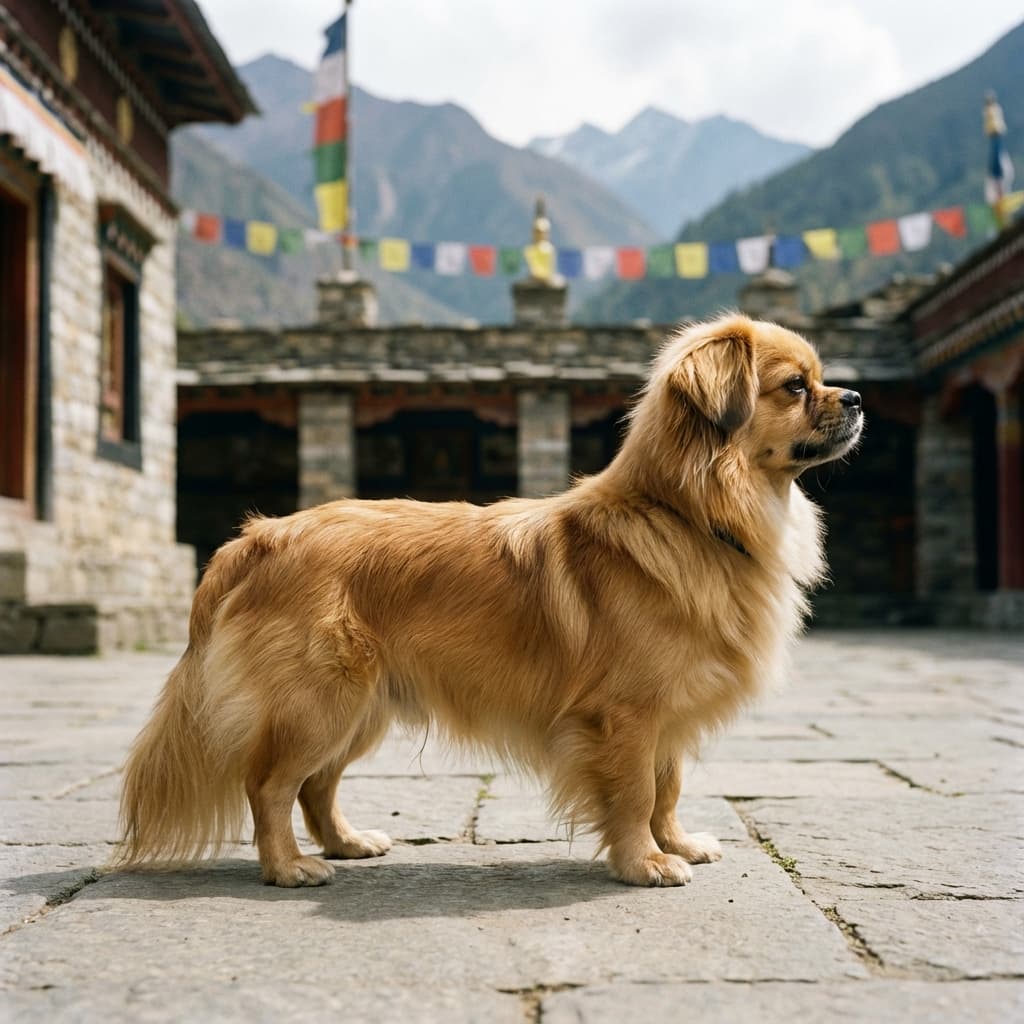
Tibetan Spaniel
FCI Group
9• FCI 231
Size
Small
Origin Country
XX
Height
25-25 cm
Weight
4-7 kg
Lifespan
12-14 years
Temperament
Overview
The Tibetan Spaniel, also known as the Tibbie, is a small, charming dog with a remarkable personality and a rich history that dates back to ancient Tibet. This breed, although small, captivates with its self-confidence and assertiveness, which make it unique among companion dogs. The Tibetan Spaniel was originally bred as a companion for Buddhist monks, and its loyalty, intelligence, and independent nature make it an ideal companion for those seeking a faithful and alert friend.
In Tibet, these dogs played special roles in religious life. Buddhist monks carried them under their robes to drive prayer wheels with their body heat, a practice that connected spirituality with practicality. This fascinating historical feature highlights their deep significance in Tibetan culture and the spiritual tradition of this region. Tibetan Spaniels are about 25.4 cm tall and weigh between 4.1 and 6.8 kg, and their silky, medium-length coat comes in various colors – from gold and red to black and white – adding to their charm.
Their harmonious silhouette and proportional body structure give them an elegant and balanced appearance. A small head in relation to the body, a slightly rounded skull, and expressive, dark brown, oval-shaped eyes add character and an intelligent expression. The Tibetan Spaniel is known for its cheerful and determined temperament. While they are alert and loyal to their owners, they also maintain a certain independence and distance from strangers, making them excellent watchdogs while retaining a friendly nature.
In terms of activity, these dogs are relatively calm and do not require intense exercise, which means they are excellent dogs for apartments and for people leading a less active lifestyle. Their gentle nature allows them to get along well with other animals and older children, but they should be handled carefully due to their delicate build. The Tibetan Spaniel delights with its versatility, intelligence, and unique character that will surely attract the attention of any dog lover looking for a companion with a rich history.
This guide will provide you with detailed information about the health, grooming, exercise needs, training, nutrition, history, appearance, and behavior of this charming dog. Discover all the secrets of the Tibetan Spaniel and learn how to fully enjoy the company of this extraordinary, spiritual, and loyal friend with ancient roots.
The Tibetan Spaniel is a small dog with a harmonious and balanced silhouette, whose body length slightly exceeds its height at the withers, giving it a proportional and elegant appearance. Their height at the withers is about 25.4 cm, and their weight ranges between 4.1 and 6.8 kg, making them an ideal small-sized house dog.
Head and skull structure: The head is small in relation to the body and is carried proudly, with a slightly rounded skull of moderate width and length. The stop is gentle but clearly defined. The muzzle is of medium length, blunt with a characteristic padding, without wrinkles. The chin shows some depth and width, giving the dog expression.
Eyes and ears: The eyes of the Tibetan Spaniel are dark brown, oval, shiny, and full of expression, giving it an intelligent and alert appearance. They are medium-sized, set fairly wide apart but directed forward. The eyelids are black. The ears are medium-sized, hanging, and well-haired in adults. They are set quite high, and a slight lift from the skull is desirable, but they should not stand out.
Neck and body: The neck is moderately short, strong, and well-set, covered with abundant hair forming a characteristic mane. The body is proportional, slightly longer than it is high, with a straight back and well-arched ribs. The loins are short and strong.
Tail: The tail is set high and carried joyfully, curled over the back during movement, which adds a cheerful and lively character to the dog. The tail is richly coated.
Coat and color: The coat of the Tibetan Spaniel is silky, double, of moderate length, and smooth to the touch. On the face and front of the legs, the hair is short and smooth, while on the rest of the body it is longer. The ears, back of the legs, tail, and hindquarters are richly coated. It is available in a variety of colors and combinations, including gold, red, cream, black, black and tan, white, and bi-color.
Limbs: The front limbs are straight and parallel, with a good shoulder angle. The hind limbs are well-muscled with moderate angles. The paws are small, neat, and oval, with abundant hair between the toes, which is a characteristic feature of the breed.
The Tibetan Spaniel is a dog with a cheerful, determined, and energetic disposition, combining intelligence, alertness, and a certain degree of independence. It is characterized by a strong personality despite its small size, making it a unique companion with a vivid character.
Temperament and personality: Although friendly, loyal, and deeply devoted to its owners, the Tibetan Spaniel shows distance towards strangers, which is a characteristic feature of Tibetan breeds. However, this is not aggression, but rather a reserved observation and assessment of the situation. This breed is known for its high intelligence and exceptional observational skills, allowing them to quickly adapt to the moods of the people around them and respond to changes in the home atmosphere.
Activity and play: Tibetan Spaniels are moderately playful and active. They enjoy playing and participating in family activities, but they can also appreciate peace and relaxation alongside their owner. They are not overly energetic dogs, making them excellent companions for those who value a balanced character.
Independence and socialization: These dogs cope well with solitude, provided they are accustomed to it from a young age through gradual training. However, it is important to remember that they can be quite vocal, especially if not properly socialized at a young age. Early socialization with various people, animals, and situations is crucial for developing a balanced character.
Guarding instinct: Despite their small size, Tibetan Spaniels have a well-developed defensive and alert instinct, making them excellent watchdogs. They will bark to alert their owners of approaching strangers or unusual events, although their demeanor is neither aggressive nor threatening.
Independence and stubbornness: Their independent nature, which is a trait of many Tibetan breeds, can make them somewhat stubborn and opinionated. Therefore, it is important that training is consistent, positive, and based on mutual respect. They are not dogs that blindly follow commands – they prefer to work with their owner as partners.
Family relationships: Tibetan Spaniels excel as family dogs. They get along well with older, responsible children who can respect their space and delicate build. They can also coexist with other pets, especially if they grow up together.
In summary, the Tibetan Spaniel is a dog that combines intelligence, loyalty, alertness, and cheerfulness, making it an excellent companion for experienced owners who will appreciate its independent yet devoted character.
The Tibetan Spaniel is generally a healthy and resilient breed, with an average lifespan of 12 to 15 years, and some individuals can live up to 16-17 years with proper care. Despite their small size and delicate appearance, they are dogs of solid build that enjoy longevity and good overall health when proper preventive measures are taken.
Sensitivity to weather conditions: Tibetan Spaniels, despite their origin from the mountainous regions of Tibet, can be sensitive to extreme weather conditions. On hot days, it is crucial to provide them with constant access to fresh, cool water and a shaded place to rest to avoid overheating and heatstroke. In cold conditions, the Tibetan Spaniel should not live permanently outdoors – they are indoor dogs that can suffer in extremely harsh weather conditions without access to shelter.
Weight control: This breed tends to gain weight, especially with insufficient physical activity and overfeeding. Therefore, it is extremely important not to overfeed these dogs and to monitor their body condition. Obesity can lead to additional health problems, including strain on the joints and cardiovascular system.
Common health issues in the breed:
- Progressive retinal atrophy (PRA) – a genetic eye condition leading to gradual vision loss and blindness. Eye examinations are recommended.
- Liver diseases – including portosystemic shunt, may occur in some individuals. Regular blood tests can help with early detection.
- Kidney and urinary tract stones – a proper diet and constant access to water are crucial for prevention.
- Patellar luxation – an orthopedic condition involving the displacement of the kneecap, which may require veterinary intervention.
- Breathing problems – due to their muzzle structure, mild breathing issues may occur, especially on hot days.
Health prevention: Regular veterinary visits, vaccinations, deworming, flea and tick prevention, and check-ups (especially for eyes and joints) are key to maintaining good health in the Tibetan Spaniel. Early diagnosis of potential health problems significantly increases the chances of effective treatment and a long, healthy life.
Quality of life: With proper veterinary care, a balanced diet, regular exercise, and love from their owner, a Tibetan Spaniel can enjoy a long, healthy, and happy life as a beloved family member.
The care of a Tibetan spaniel is relatively low-maintenance, but regular and essential for maintaining its health, good appearance, and comfort. Their silky, double coat requires systematic grooming to remain healthy, shiny, and free from tangles.
Brushing the coat: The coat of a Tibetan spaniel should be brushed at least once or twice a week to remove dead hair, prevent tangles, and maintain its silky texture. It is recommended to use a natural bristle brush or a metal comb with rounded tips. During heavy shedding periods, which mainly occur in spring and autumn, the brushing frequency should be increased to daily to minimize the amount of hair in the house and prevent matting.
Bathing: Tibetan spaniels should be bathed every 6-8 weeks or as needed if the dog gets dirty. A mild shampoo designed for long-haired dogs that does not dry out the skin should be used. After bathing, it is important to thoroughly dry the coat, especially the undercoat, to avoid skin irritation and fungal infections.
Ear care: Due to their droopy, well-furred ears, Tibetan spaniels are prone to ear infections. Ears should be checked regularly (at least once a week) for redness, unpleasant odors, or excessive wax buildup. Cleaning the ears with a special ear solution is recommended every 2-3 weeks or as advised by a veterinarian.
Oral hygiene: Taking care of the teeth is crucial to prevent tartar buildup and gum disease. It is recommended to brush the teeth 2-3 times a week using dog toothpaste. Dental treats that support oral hygiene can also be used.
Nail trimming: Nails should be trimmed regularly, usually every 3-4 weeks, or when they start to click on the floor. Overly long nails can cause discomfort and walking problems.
Paw care: Due to the long fur between the toes, it is also advisable to regularly check the paws and trim excess hair to prevent the accumulation of dirt, snow, or ice and to ensure that the hair does not hinder the dog’s movement. Checking the paw pads for cracks or wounds is also important.
Eye check: Eyes should be checked regularly and gently wiped with a damp cotton ball if discharge appears. Redness or excessive tearing may indicate an infection requiring veterinary consultation.
Regular grooming not only keeps the Tibetan spaniel in excellent condition but also allows for the early detection of potential health issues, which is crucial for the long-term health and happiness of the dog.
The Tibetan Spaniel is a breed with moderate exercise needs, which does not require intense physical effort, making it an ideal companion for people leading a less active lifestyle, city dwellers, and seniors. Despite their small size, these dogs are active and alert, so regular exercise is important for their physical and mental health.
Daily walks: Usually, two walks a day of 20-30 minutes each are sufficient, which should be combined with time for free exploration, sniffing, and light play. These small dogs enjoy exploring their surroundings and discovering new scents, so it's worth taking them for walks in different places – parks, forests, or large open spaces – to provide them with mental and sensory stimulation.
Mental activities: It is important to provide Tibetan Spaniels with a variety of mental stimuli, such as interactive toys, dog puzzles, scent training, or learning new tricks. Their high intelligence means they quickly get bored without stimulation, which can lead to undesirable behaviors.
Play at home and in the garden: This breed does not tend to jump excessively or run intensely for long periods, making them excellent companions for apartments where space is limited. However, they enjoy short play sessions with a ball, retrieving toys, or interactive games with their owner. If you have a garden, the Tibetan Spaniel will enjoy the opportunity to move freely and observe their surroundings.
Off-leash walks: During walks in safe, fenced areas, Tibetan Spaniels can be let off the leash, where they can run freely, sniff, and play. However, it is important to remember their certain independence – they can be selectively obedient, so solid recall training is crucial.
Adaptation to lifestyle: Tibetan Spaniels adapt well to the activity level of their owners. If the owner is active, the dog will happily participate in longer hikes or outings. If life is calmer, the dog will also adjust and be content with shorter walks and playtime at home.
Weather considerations: Avoid intense exercise in extreme weather conditions – on hot days, prefer walks early in the morning or in the evening, and in winter, ensure the dog has adequate protection from the cold during longer walks.
In summary, the Tibetan Spaniel needs regular but moderate exercise combined with mental stimulation to remain a healthy, happy, and balanced dog.
Training a Tibetan Spaniel can be both rewarding and challenging due to their high intelligence combined with an independent nature. These dogs are curious, energetic, and eager to learn, but their stubbornness and self-reliance require patience, consistency, and positive training methods.
Starting training early: It is crucial to begin training as early as possible, ideally when the puppy is over 8 weeks old. Early training helps avoid issues with their independent temperament and establishes clear boundaries and expectations. Puppies are more flexible and willing to learn than adult dogs.
Positive reinforcement: Tibetan Spaniels are very sensitive to the owner's tone of voice and emotions, so positive reinforcement – such as treats, praise, petting, and play – are the most effective tools in the training process. Avoid harsh punishments or yelling, which can destroy trust and make the dog even more stubborn or withdrawn.
Consistency and patience: Due to their tendency to be stubborn and have their own opinions, it is important to be consistent, patient, and persistent. Set clear rules and stick to them – Tibetan Spaniels will quickly detect inconsistencies and exploit them. Short, regular training sessions (10-15 minutes) are more effective than long, exhausting sessions.
Socialization: Early and extensive socialization is absolutely crucial for this breed. Exposure to different people, animals, environments, sounds, and situations at a young age will help develop a balanced, confident adult dog. It also prevents excessive distrust of strangers and anxiety issues.
Basic commands: Key elements of training include teaching basic commands such as:
- Sit – a basic control command
- Stay – important for safety
- Come – crucial for recall
- Lie down – for calming
- No – to stop unwanted behaviors
Recall training: Due to their independent nature, solid recall training is particularly important, especially if you plan to let the dog off-leash. Practice recall in controlled, safe conditions with high-value rewards.
House training: Tibetan Spaniels may be a bit more challenging to house train than some other breeds due to their small size and stubbornness. This requires a consistent schedule, frequent outdoor trips (especially after meals and naps), and immediate rewards for appropriate behavior.
Advanced training and activities: With their intelligence, Tibetan Spaniels can participate in advanced obedience training, agility (tailored to their size), scent training, or learning tricks. These activities provide mental stimulation and strengthen the bond with the owner.
Behavioral issues: If behavioral problems arise (excessive barking, stubbornness, separation anxiety), it is advisable to consult a professional dog trainer or behaviorist who can help develop an individualized training plan.
With proper training based on positive reinforcement, consistency, and early socialization, a Tibetan Spaniel will become a well-mannered, balanced, and obedient dog that will be a joy for the whole family.
The diet of a Tibetan Spaniel should be balanced, high-quality, and carefully tailored to their age, weight, activity level, and individual health needs. Due to their tendency to gain weight, it is particularly important to control portions and choose the right food.
Type of food: It is recommended to provide premium or super-premium dry food that is specifically tailored to the needs of small dog breeds. Dry food helps maintain dental health through mechanical cleaning. A mixed diet can also be used, combining dry food with a small amount of high-quality wet food, which increases meal appeal and supports hydration.
Nutrients: The food should contain:
- High-quality animal protein (chicken, turkey, fish, beef) as the first ingredient – a minimum of 20-25%
- Healthy fats (omega-3 and omega-6) for healthy skin and a shiny coat – 10-15%
- Complex carbohydrates (brown rice, oats, sweet potatoes) for energy
- Fiber for healthy digestion
- Vitamins and minerals for overall health and immunity
Portion control and feeding frequency: It is important to avoid overfeeding and strictly adhere to the recommended portions provided on the food packaging, adjusted to the dog's weight. Typically, an adult Tibetan Spaniel should receive 50-70 grams of dry food per day, divided into two meals (morning and evening). Puppies require more frequent feeding – 3-4 times a day, while older dogs may need a special senior diet with reduced calories.
Access to water: It is also important to ensure constant access to fresh, clean water, which should be changed daily. Proper hydration is crucial for kidney and urinary tract health, especially in a breed prone to kidney stones.
Healthy supplements: It is also worthwhile to introduce dog-safe vegetables and fruits into the diet as healthy snacks or meal additions:
- Carrots – low in calories, good for teeth
- Broccoli – vitamins and fiber
- Apples (without seeds) – vitamins and fiber
- Blueberries – antioxidants
- Pumpkin – supports digestion
Prohibited products: Avoid feeding toxic products for dogs, such as: chocolate, grapes, raisins, onions, garlic, avocados, xylitol, cooked bones (which can splinter and cause choking).
Snacks and treats: Treats should make up no more than 10% of the daily caloric intake. Choose healthy, low-calorie treats or use part of the daily food portion as training rewards.
Special dietary needs: For older dogs, puppies, dogs with health issues (e.g., liver disease, kidney stones, food allergies, obesity), or neutered dogs, it is advisable to consult with a veterinarian to determine an optimal, individually tailored diet. Some dogs may require specialized veterinary food.
Monitoring body weight: Regularly monitor the weight and body condition of your Tibetan Spaniel. It should be possible to feel the ribs under a slight layer of fat, and the dog should have a visible waist when viewed from above. Obesity increases the risk of health problems, including joint and heart diseases.
A proper, balanced diet is the foundation of a long, healthy, and happy life for a Tibetan Spaniel and supports their vitality, beautiful coat, and immunity.
Characteristic Traits
Pros
- Loyal and devoted companion
- Intelligent and easy to train
- Gets along well with older children
- Ideal for apartment living
- Alert watchdog
- Low exercise needs
- Long-lived and healthy breed.
Cons
- Requires careful handling due to its delicate structure
- Can be independent and stubborn
- Distance towards strangers
- Tendency to gain weight
- Requires regular coat maintenance.
Behavioral Ratings
Breed History
The history of the Tibetan Spaniel dates back to over a thousand years ago, when it was a popular companion dog for Buddhist monks in ancient Tibet, in the harsh, mountainous regions of the Himalayas. This ancient breed played key roles both spiritually and practically in monastic life and Tibetan culture.
Role in Tibetan monasteries: These small, alert dogs were highly valued by Buddhist monks, who bred them in monasteries scattered throughout Tibet. Tibetan Spaniels served as guard and alert dogs – sitting on the walls of monasteries, they watched the surroundings and barked to warn the monks of approaching strangers or dangers. With their vigilance and excellent eyesight, they constituted the first early warning system.
Prayer wheels and spiritual role: According to tradition and legend, Buddhist monks carried these small dogs under their robes, where their body heat helped power small handheld prayer wheels. This fascinating practice combined spirituality with practicality and also strengthened the special bond between the monks and their dogs. Therefore, Tibetan Spaniels were sometimes referred to as Tibetan prayer dogs or monk dogs.
Gift exchange with China: As diplomatic and cultural relations between Tibet and China began to develop in ancient times, both countries started exchanging dogs as valuable gifts between rulers and monasteries. When the Tibetan Spaniel reached China, it quickly gained popularity among feudal families, the aristocracy, and at the imperial court. It is also possible that this breed influenced the development of other Asian breeds, such as the Pekingese.
Discovery by the Western world: For many centuries, Tibetan Spaniels remained almost unknown outside of Tibet and some regions of China. In the 19th century, with the growth of exploration and missionary activity, the Western world began to take notice of this unique breed. British missionaries and diplomats brought the first specimens of the Tibetan Spaniel to Britain in the late 19th and early 20th centuries.
Development of the breed in the United Kingdom: In the United Kingdom, the breed was officially recognized, and breeders began to establish standards and develop a pure breeding line. The United Kingdom took over the patronage of the breed under the International Canine Federation (FCI). After World War II, the breeding of the Tibetan Spaniel revived and gained popularity in Europe.
Introduction to the United States: Tibetan Spaniels arrived in the United States in the 1960s. In 1971, the Tibetan Spaniel Club of America (TSCA) was established, an organization dedicated to promoting and protecting the breed in North America. The club quickly developed 14 regional chapters, and the popularity of this breed began to steadily grow among dog lovers seeking an intelligent, loyal, and independent companion with a rich history.
Recognition by the American Kennel Club: In 1984, the Tibetan Spaniel was officially recognized by the American Kennel Club (AKC) and classified into the Non-Sporting Group.
Modern times: Today, the Tibetan Spaniel is known worldwide as a charming, intelligent, and devoted companion with ancient roots. Although it is not a very common breed, it enjoys steady popularity among enthusiasts of Tibetan breeds and those who appreciate dogs with an independent character and rich spiritual history. The breed is still bred according to traditional standards that emphasize its authentic physical and temperamental traits derived from the Himalayas.
The Tibetan Spaniel remains a living link to the ancient Tibetan culture, embodying the spirituality, wisdom, and vigilance that have been valued by Buddhist monks for over a thousand years.