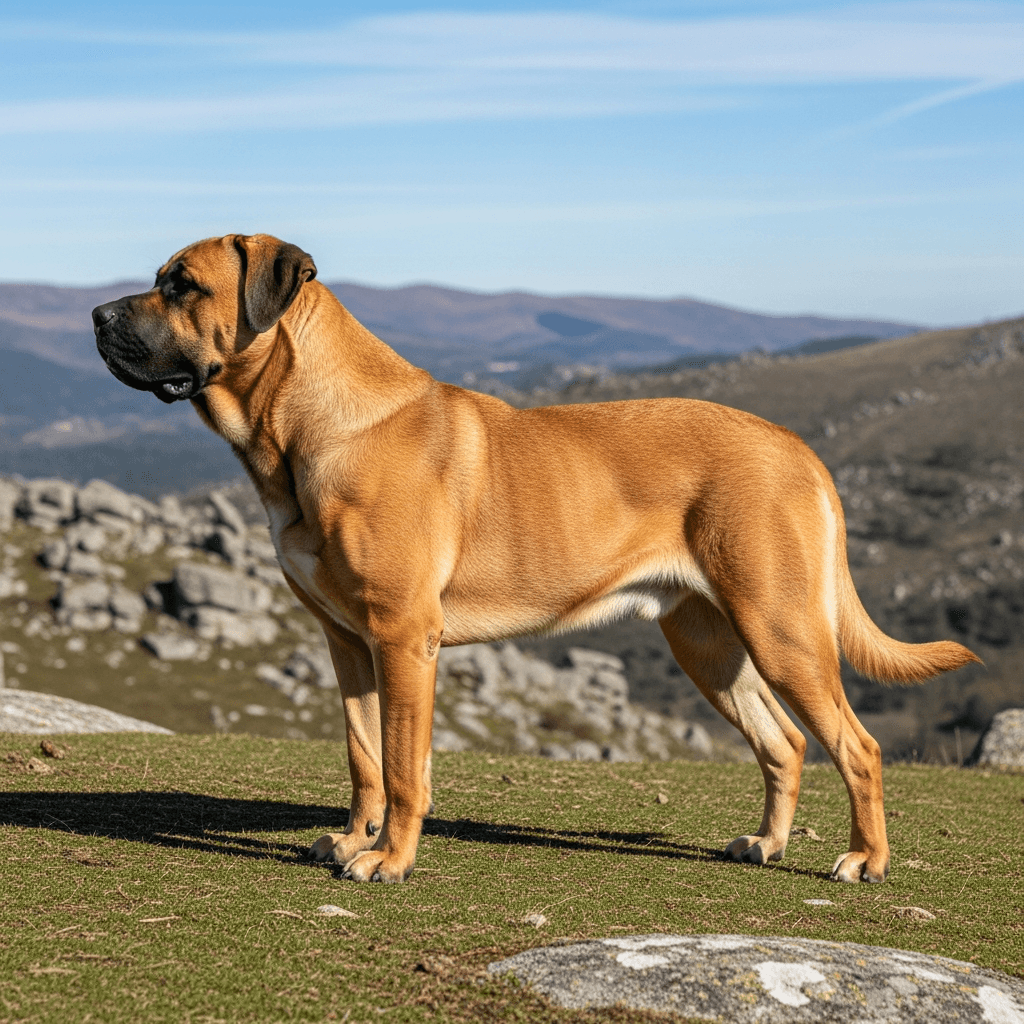
Mastiff from Transmontania
FCI Group
2• FCI 368
Size
Large
Origin Country
PT
Height
68-85 cm
Weight
50-75 kg
Lifespan
10-15 years
Temperament
Overview
Cão de Gado Transmontano, or Transmontano Mastiff, is a dog breed with a rich history and unique traits that make it an irreplaceable companion in harsh mountain conditions. Originating from the Portuguese region of Trás-os-Montes, this dog has served for centuries as a reliable guardian of sheep and goat herds, protecting them from predators such as wolves.
Transmontano Mastiff is distinguished by its impressive appearance and exceptional symbiosis with the people it works with to ensure the safety of livestock. Its great physical strength and unwavering vigilance make it an extremely balanced and calm dog, making it an ideal companion for shepherds working in extreme mountain conditions.
A characteristic feature of this breed is its ability to create a hierarchy within the pack without the need for aggression, which demonstrates its intelligence and cooperation skills. The history of the Transmontano Mastiff is inextricably linked to the pastoral tradition in Portugal, where these dogs played a key role in guarding and protecting animals. Due to their endurance and resistance to harsh weather conditions, this breed has become not only an excellent guardian but also a loyal companion to its caretakers.
Physically, Cão de Gado Transmontano is a dog with a strong, square body structure, dense coat, and well-developed muscles that protect it from the harsh weather conditions prevalent in the mountainous regions of Portugal. This dog requires constant interaction with people and regular physical activity, which is crucial for its mental and physical health. It is worth noting the distinct sexual dimorphism – males are significantly larger and more massive than females, which is one of the most characteristic features of this breed.
Like many traditional pastoral breeds, the Transmontano Mastiff is gaining popularity, leading to increased interest in its breeding and conservation. This, in turn, ensures that this breed can continue to perform its traditional tasks in the modern world, preserving the unique traits developed over centuries of work in challenging mountainous terrain. We encourage you to continue exploring the guide sections that offer more detailed information about the health, grooming, exercise, training, nutrition, history, appearance, and behavior of this extraordinary breed.
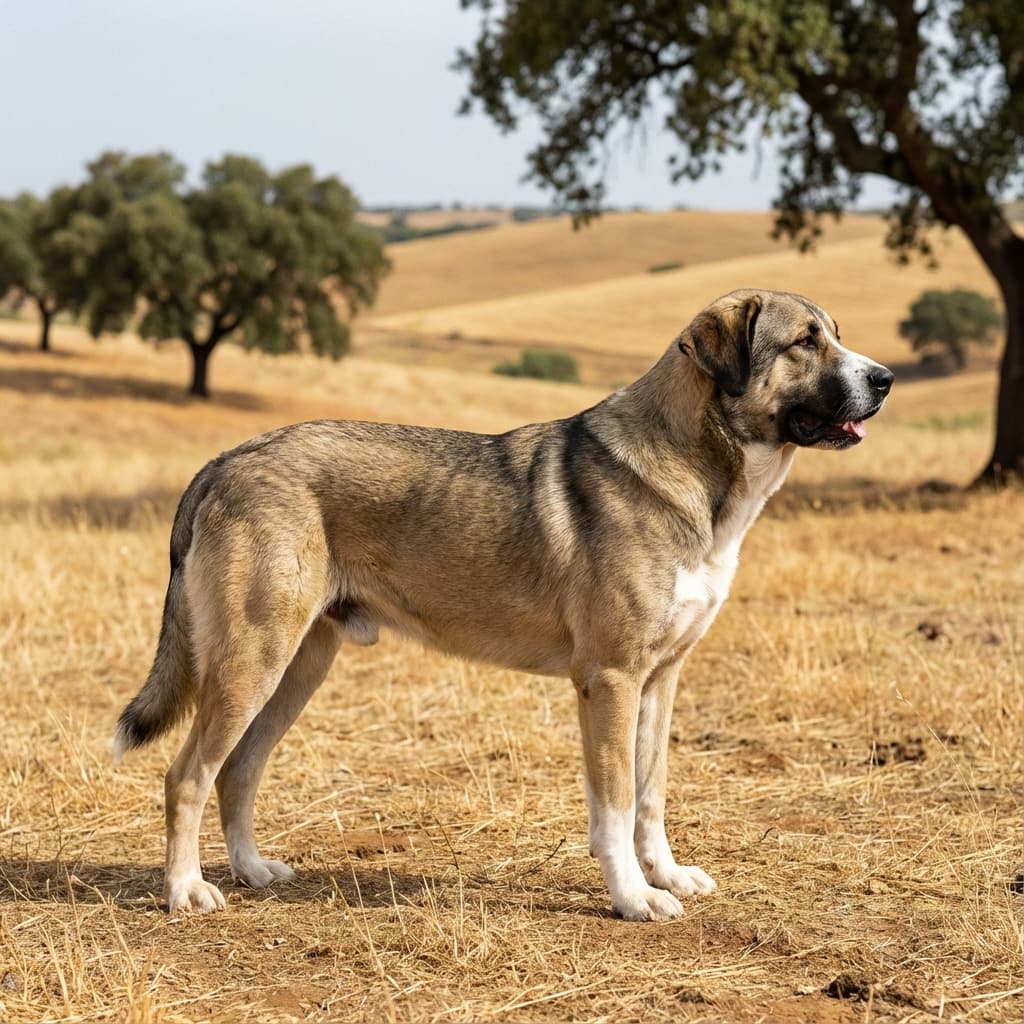
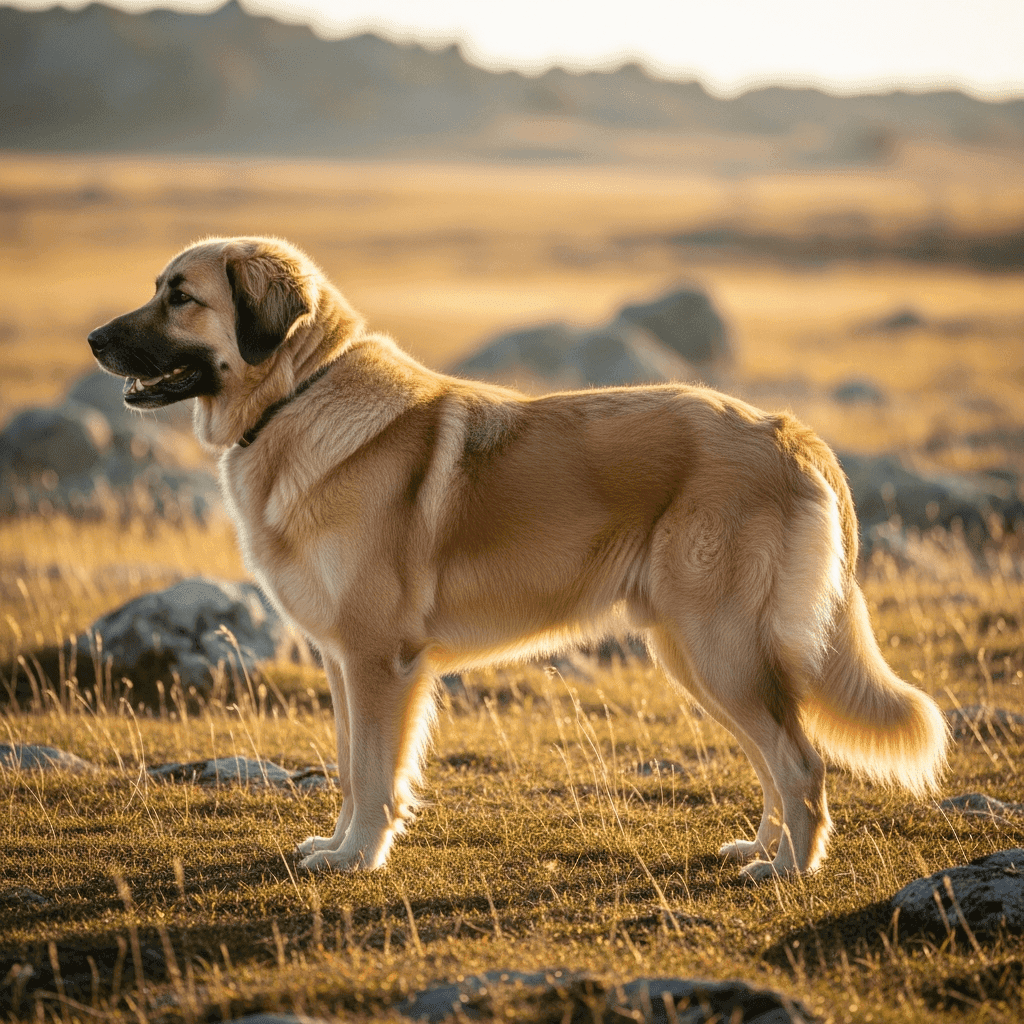
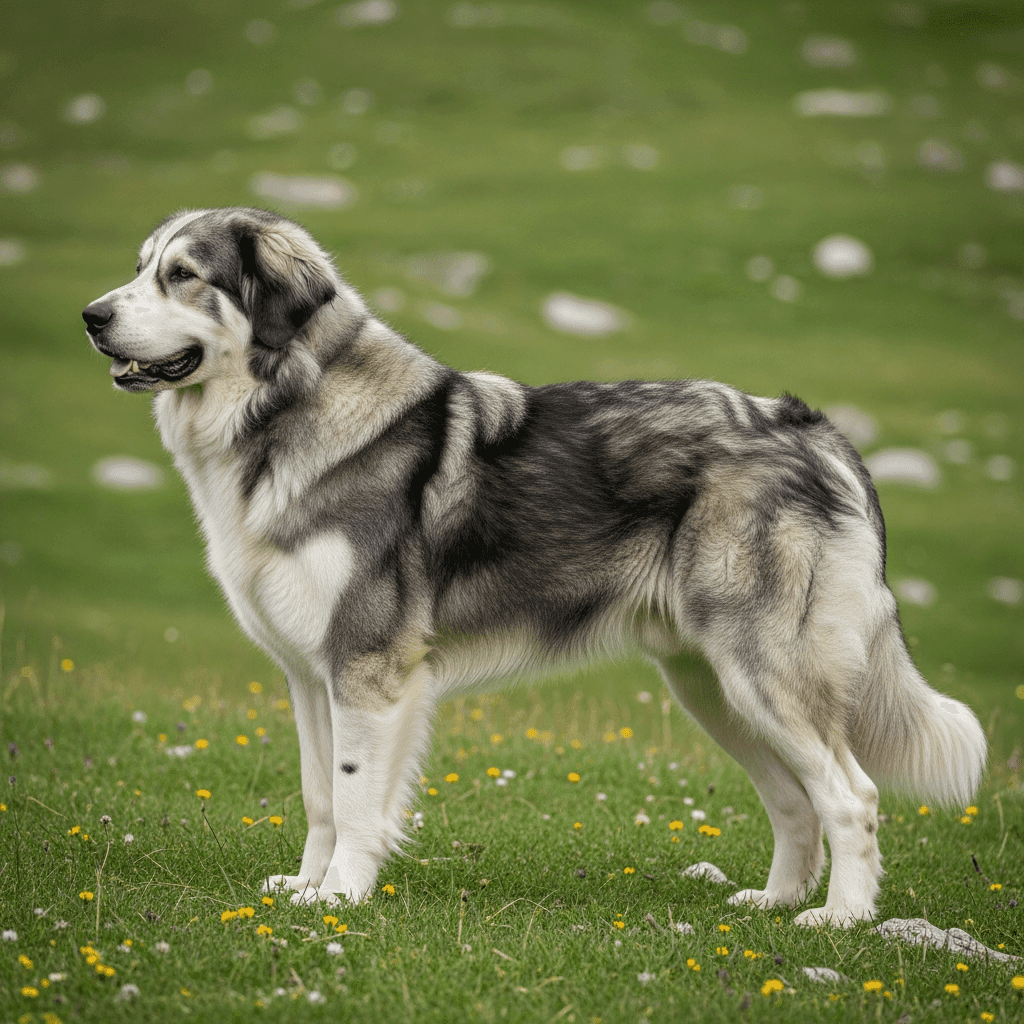
The Transmontano Cattle Dog is a dog of impressive and strong build, characterized by a square silhouette profile and well-developed muscles. Its body weight ranges from 60 to 75 kg for males and from 50 to 60 kg for females, while the height at the withers is from 75 to 85 cm for males and from 68 to 75 cm for females. This breed is characterized by a strong, straight back and moderately tucked belly, which emphasizes its athletic build.
The skull is wide and slightly convex, with well-defined supraorbital arches that give the dog a noble and dignified expression. The eyes are medium-sized, almond-shaped, and honey-brown in color, giving the dog a gentle yet alert expression. The ears are medium, triangular, with rounded tips, set at the level of the eyes, which further emphasizes the proportionality of the head.
The coat is thick, of medium length, perfectly adapted to various weather conditions – protecting the dog from both frost and heat. The coat color can vary: the most commonly seen is white with black, yellow, or fawn patches that create a characteristic pattern. The undercoat is dense and soft, providing additional thermal insulation.
The Transmontano Cattle Dog has strong, straight limbs with well-developed muscles, providing it with great stability and strength while performing guarding tasks and moving through difficult, mountainous terrain. The tail is thick at the base, well-furred, and carried in a sickle shape, which further emphasizes its elegant appearance. In motion, the tail is raised but never curled over the back.
Overall, the Transmontano Cattle Dog is a dog that combines strength, endurance, and elegance, making it not only an excellent guardian of herds but also a wonderful companion with an impressive appearance.
The Transmontano Cattle Dog, despite its impressive appearance, is a dog with a gentle and balanced temperament. Its character is marked by calmness, alertness, and natural reserve, making it an excellent guardian and protector of herds. In interactions with people, especially strangers, it may initially show some distrust, but after proper socialization, it becomes friendly and extremely loyal to its family.
Males of this breed often live in harmony and establish hierarchy within the pack without aggression, which is evidence of their balanced nature and social intelligence. This unique trait distinguishes the Transmontano Mastiff among other herding breeds and demonstrates its ability to cooperate without confrontation.
The Transmontano Cattle Dog is very sensitive to treatment by humans and requires positive interactions and training based on trust and mutual respect. Harsh training methods are completely inappropriate for this breed and can lead to behavioral problems. While working as a guard dog, it shows exceptional alertness and determination, making it reliable in protecting livestock from threats, including wolves and other predators.
This breed is also known for its intelligence and problem-solving abilities, which makes it capable of learning various commands and skills. The Transmontano Mastiff can independently assess situations and make decisions in the field, which was essential during independent work with herds.
Regular exercise and appropriate mental stimulation are crucial for maintaining their engagement and happiness. Owners should be aware that lack of activity and stimulation can lead to undesirable behaviors, such as excessive barking or destruction of objects. Therefore, it is important to provide them with an adequate amount of exercise and regular interactions with people and other dogs, allowing for the full development of their potential.
The Cão de Gado Transmontano, like many large dog breeds, can be prone to certain health issues that require the attention of owners and regular veterinary care. Key health concerns to be aware of include hip dysplasia, which is a common condition among large dogs with a massive build. Early diagnosis through X-rays and regular veterinary check-ups are extremely important to minimize the risk of developing this disease.
Additionally, due to their massive build and significant body weight, these dogs may experience heart problems, including dilated cardiomyopathy, and obesity if they are not properly active and well-nourished. Maintaining a healthy weight is absolutely crucial for this breed – being overweight can significantly increase the strain on joints and the heart, leading to serious health issues.
Joint problems, including arthritis and elbow dysplasia, may also occur in later years of life, especially in dogs that have performed heavy physical work. Maintaining a healthy weight and ensuring an adequate level of physical activity are key to preserving good joint health in the Cão de Gado Transmontano.
Regular vaccinations and health check-ups are essential to ensure that the dog is free from infectious diseases and is developing well. It is also important to maintain oral hygiene, as dental issues such as tartar and periodontal disease can lead to serious health problems, including bacterial infections spreading to other organs.
Proper veterinary care, a healthy lifestyle, and a suitable diet can significantly impact the length and quality of life of this breed. The average lifespan of the Cão de Gado Transmontano is 10-12 years, but with proper care, many individuals can enjoy good health for much longer.
The Cão de Gado Transmontano has a dense, medium-length coat that requires regular grooming to keep it in good condition and ensure the dog's comfort. The coat of this breed is very thick and smooth, making it relatively easy to care for, but it requires regular brushing 2-3 times a week to remove dead hair and dirt.
During the shedding period, which usually occurs in spring and autumn, daily brushing may be necessary to prevent excessive accumulation of fur in the home. During this time, the dog loses a significant amount of undercoat, which is a natural process of adapting to changing weather conditions. Thanks to its structure, the coat of the Cão de Gado Transmontano is resistant to various weather conditions, which is important for dogs working in mountainous terrain.
It is also important to regularly check the dog's ears, eyes, and nails. Maintaining ear hygiene is crucial to avoid infections – ears should be regularly checked for excessive wax, redness, or unpleasant odors. The eyes should be clean and free of discharge. Regular nail trimming every 3-4 weeks will prevent excessive growth, breaking, and discomfort while walking.
Bathing should be done as needed – usually every 2-3 months or when the dog is particularly dirty. Bathing too frequently can remove the natural oils that protect the skin and coat. Mild shampoos specifically designed for dogs should be used.
If you are unsure how to care for your dog's coat, it is worth consulting a professional groomer who can help establish an appropriate grooming routine for this breed. In general, regular grooming not only improves the dog's appearance but also contributes to its health and well-being, allowing for early detection of potential skin problems or external parasites.
The Cão de Gado Transmontano is a breed that requires a significant amount of movement and physical activity. These dogs are naturally energetic and need regular walks and outdoor play to maintain good physical and mental condition. They are ideally suited for rural living or larger spaces where they can run freely and explore their surroundings.
Daily walks should be long and intense – at least 1-2 hours a day – to meet their exercise needs. Due to their herding background, the Cão de Gado Transmontano loves to have a task to perform and feels best when it can patrol the area or watch over its family. Additionally, these dogs enjoy all kinds of activities, such as running, fetching, or playing with other dogs.
It is also worth introducing various forms of activity to prevent boredom and keep their minds in good shape. This dog is very intelligent and needs challenges that will stimulate its mind. For this reason, in addition to regular physical exercise, it is beneficial to engage them in different games and activities that develop their cognitive abilities, such as searching for hidden objects, obedience exercises, or interactive play.
If they do not get enough exercise, the Cão de Gado Transmontano may become bored and exhibit undesirable behaviors, such as destroying household items, excessive barking, or digging holes in the garden. This breed is not suitable for living in a small apartment without access to a garden – it requires space and the ability to move freely.
It is important to remember that despite their high exercise needs, young puppies should not be overburdened with intense exercise until they finish growing (around 18-24 months) to avoid joint problems. Therefore, it is essential to provide them with an appropriate amount of activity each day, tailored to their age, to keep them happy and healthy.
The Cão de Gado Transmontano is a dog that requires consistent and positive training based on trust and mutual respect. Due to its intelligence, it quickly learns new commands and skills, but it can also be quite stubborn and independent, which makes training require patience, determination, and experience in working with large herding breeds.
Early socialization of the puppy is absolutely crucial for its future behavior. Introducing it to various situations, sounds, people, and other animals between the ages of 8 to 16 weeks will help it become a confident, balanced adult dog. Lack of proper socialization can lead to excessive distrust of strangers or territorial aggression issues.
Training should be based on positive reinforcement, such as praise, treats, and play, which will help build a strong bond between the dog and the owner. Harsh training methods, physical punishment, or yelling are completely inappropriate for this breed and can lead to a loss of trust and behavioral problems. The Cão de Gado Transmontano is a dog that values closeness with people, so training should take place in an atmosphere of trust and cooperation.
Regular exercise and mental stimulation are essential to keep them engaged and interested in training. It may also be worth considering obedience classes, rally-o, or even herding work, which will stimulate both the body and mind of the dog, utilizing its natural instincts.
Owners should be aware that the Cão de Gado Transmontano may be somewhat distrustful of strangers due to its herding background and guarding instinct. Therefore, it is important to introduce it to new situations and people gradually, positively reinforcing calm behavior to avoid fears or excessive suspicion. Basic commands such as Sit, Stay, Come, and Leave should be mastered at a young age for the safety and comfort of all.
A proper diet is crucial for the health and well-being of the Cão de Gado Transmontano. Due to their large body mass and high level of activity, these dogs require high-quality food that is rich in protein (a minimum of 22-26% for adult dogs) and healthy fats (12-16%), which support their activity and muscle development.
The diet should be tailored to the dog's age, activity level, and individual health needs. Puppies require food specially formulated for large breeds, with the appropriate calcium-to-phosphorus ratio to ensure proper bone and joint development. Adult dogs should receive food for active large breeds, while seniors may require lower-calorie food enriched with supplements to support their joints.
It is worth choosing foods that contain natural ingredients, such as meat (chicken, beef, lamb, fish), vegetables, and fruits. Foods with excessive grains, artificial colors, preservatives, and fillers should be avoided, as they can lead to digestive problems, food allergies, or obesity.
Regular meals, preferably divided into two to three portions per day, will help maintain the dog's stable weight and health. Dividing meals also reduces the risk of gastric torsion, which is a serious threat for large breeds with deep chests. Additionally, it is important to ensure the dog has constant access to fresh water to prevent dehydration.
Due to their activity, the Cão de Gado Transmontano may need a higher amount of calories – typically 2500-3500 kcal per day for an adult dog, depending on the level of activity, especially during periods of intense physical exertion or herding work. For this reason, regular consultations with a veterinarian to determine the appropriate diet are extremely important.
Owners should also watch for signs of obesity, such as difficulties in movement, lack of a visible waist, or inability to feel the ribs under a layer of fat, which can lead to serious health problems such as joint dysplasia, heart disease, or diabetes. Regularly weighing the dog and monitoring its physical condition are key to maintaining optimal weight throughout its life.
Characteristic Traits
Pros
- Balanced and calm temperament
- Excellent guardian and defender
- Faithful and loyal companion
- High endurance and resilience
- Intelligent and independent.
Cons
- Requires a lot of movement and space
- Needs constant interaction with people
- Significant sexual dimorphism
- Can be stubborn in training
- Distrustful of strangers without socialization.
Behavioral Ratings
Breed History
The Cão de Gado Transmontano has a long and rich history, dating back to the times when pastoralism was the foundation of life in the mountainous regions of Portugal. This breed evolved out of the need to protect flocks of sheep and goats from predators, particularly wolves, which were common in the Trás-os-Montes region of northeastern Portugal.
The origin of this breed is shared with the history of all Iberian mastiffs, and its evolution is closely linked to the peninsula's transhumance routes – seasonal migrations of shepherds with their herds between summer and winter pastures. Over the centuries, the Cão de Gado Transmontano became not only a guardian but also an inseparable companion of shepherds, who relied on its strength, intelligence, and courage in their daily work.
These dogs were trained to work in harsh mountain conditions, where their strength, endurance, and defensive abilities were invaluable. In ancient times, these dogs settled in the Portuguese highlands, particularly in the Trás-os-Montes region, where they adapted to steep, hard-to-reach pastures and local climatic conditions. In this mountainous area, the breed evolved in ideal symbiosis with its environment and work requirements, developing its characteristic morphological traits.
With the development of modern agriculture and changes in lifestyle in the 20th century, the breed's popularity began to decline, leading to its near extinction. The mechanization of agriculture, reduced threats from wolves, and depopulation of rural areas resulted in a decreased demand for herding dogs.
Thanks to the efforts of breed enthusiasts and breeders, the Cão de Gado Transmontano gained new life in the second half of the 20th century. In the 1990s, systematic efforts were undertaken to restore the breed and preserve its unique characteristics. Today, the breed is protected as a treasure of Portuguese culture and an important element of national heritage. The official FCI (Fédération Cynologique Internationale) standard was approved in 2020, confirming the breed's international recognition.
This breed is now recognized as a symbol of tradition and pastoral values, and its breeding is promoted to preserve the unique traits and skills of these dogs. The Cão de Gado Transmontano is not just a dog, but also a significant element of Portugal's cultural heritage, representing centuries of pastoral tradition and the symbiosis between humans and nature in harsh mountain conditions.