Hungarian Hound
FCI Group
6• FCI 241
Size
Medium
Origin Country
HU
Height
55-65 cm
Weight
25-35 kg
Lifespan
10-12 years
Temperament
Overview
The Hungarian Hound, also known as Erdélyi Kopó or Transylvanian Hound, is a fascinating breed of hunting dog that draws attention with its extraordinary features, rich history, and exceptional hunting abilities. Originating from the picturesque landscapes of Hungary and the Carpathians, this medium-sized hunting dog has been shaped by the harsh climatic and terrain conditions of this region. As a result, it has become an excellent tracking dog capable of handling the toughest conditions – from the dense Carpathian forests to open hunting grounds. Its muscular, elegant silhouette exudes both strength and harmony of proportions, making it stand out among other hunting breeds.
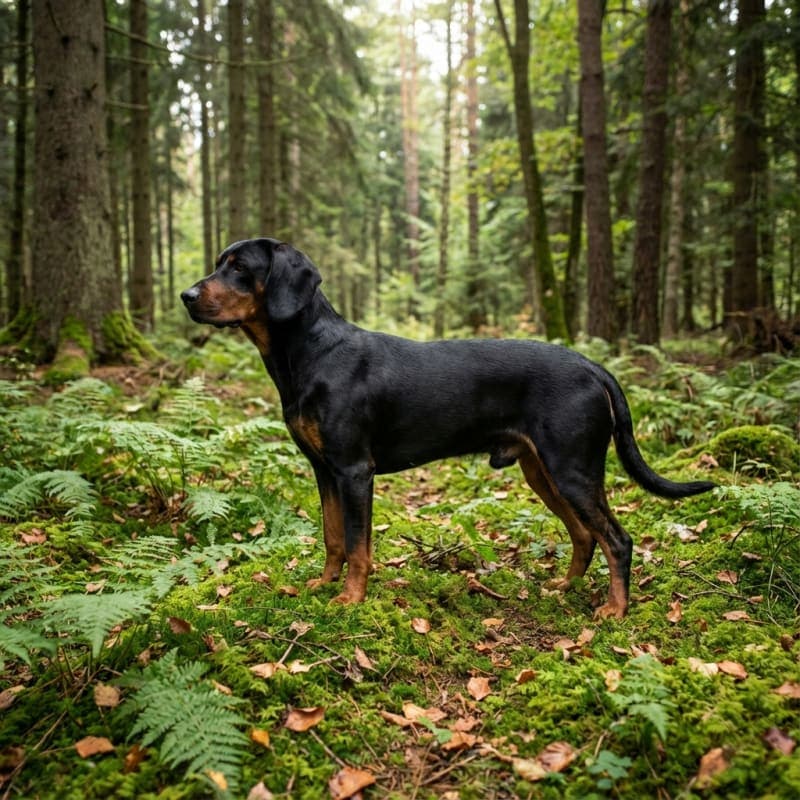
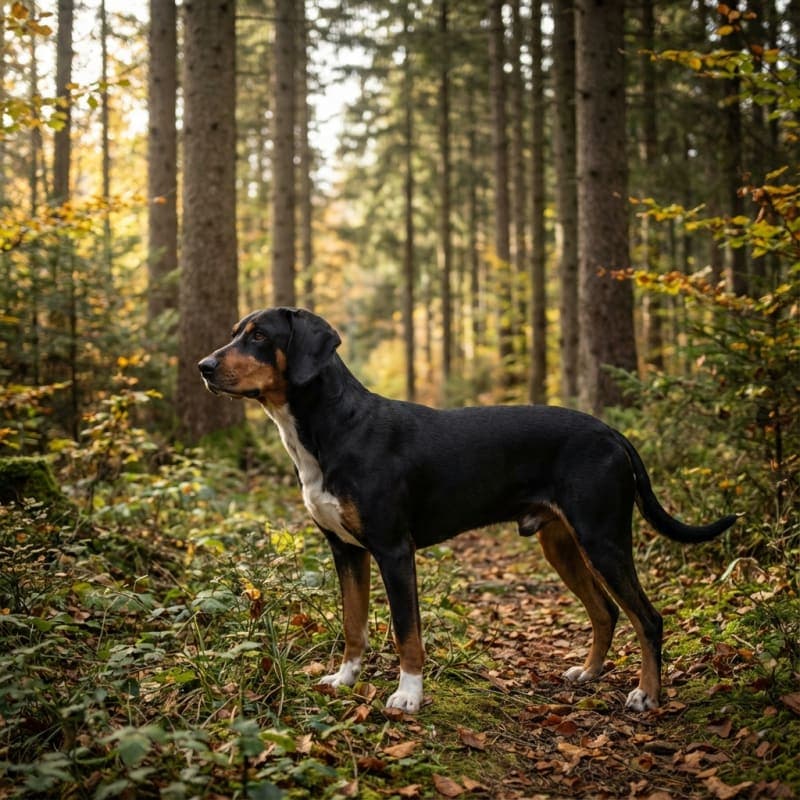
The Hungarian Hound is distinguished by its slim, athletic build, which provides agility, endurance, and mobility during long hours of hunting. Its short, smooth coat is predominantly black with distinct, warm markings in tan (brown) on the eyebrows, muzzle, chest, and limbs. These appearance traits make it not only functional as a working dog but also aesthetically appealing, radiating nobility and elegance.
However, it is not just its appearance that makes the Hungarian Hound exceptional. Its hunting abilities are unparalleled – it can hunt independently, even at great distances from its owner, making it an ideal partner for experienced hunters. The natural instincts of this dog enable it to excel in tracking both large and small game. When it senses a fresh track, it emits characteristic sounds resembling whimpering with a whine, and during active hunting, its barking is loud, high-pitched, and piercing, leaving no doubt about its commitment and determination.
The Hungarian Hound is known for its endurance and resilience to harsh weather conditions, making it an ideal companion for those who spend a lot of time outdoors, regardless of the season. Although this dog excels in hunting, its character and temperament also make it a wonderful family companion. It is loyal, intelligent, and full of energy, making it an ideal partner for active owners who appreciate breeds with strong character and independence.
Despite being a demanding breed – both in terms of physical activity and mental stimulation – its devotion, versatility, and outstanding skills will surely compensate for any challenges. The Hungarian Hound is a dog with a strong hunting instinct, so it is best suited for experienced owners or hunters who can provide it with the right living and working conditions. To learn more about the health, grooming, exercise, training, nutrition, history, appearance, and behavior of this wonderful, ancient breed, we invite you to continue reading our guide.
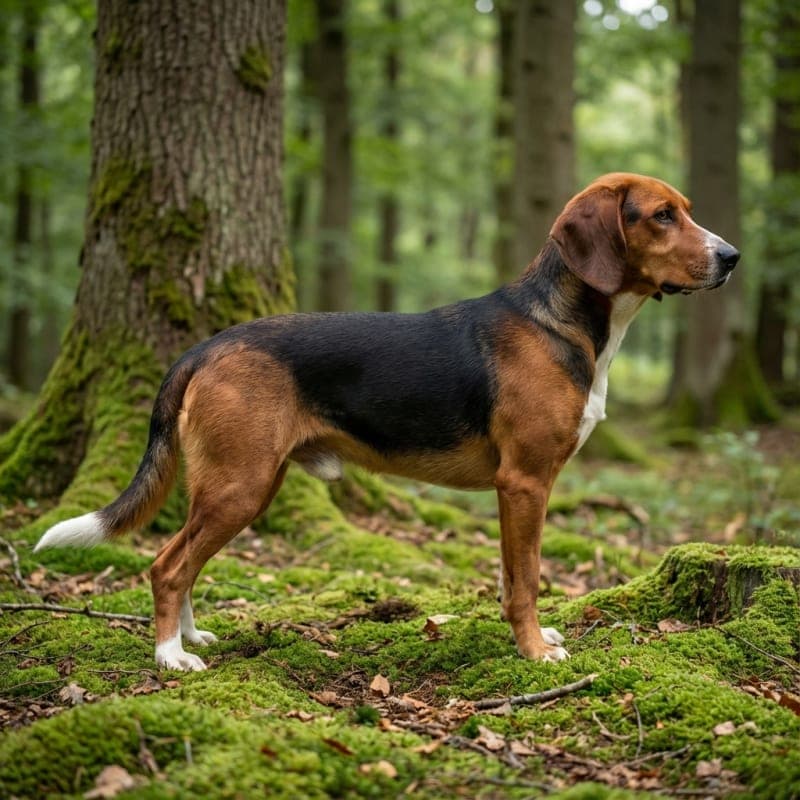
The Hungarian hound is a medium-sized dog that stands out with its elegant and athletic silhouette, combining both endurance and harmonious proportions. Its build is well-balanced, with a long, muscular neck and a sturdy body, allowing it to work for extended periods in challenging terrains such as the Carpathian mountains or dense forests. The hound's eyes are medium-sized, almond-shaped, and dark brown, giving it a vigilant, intelligent, and expressive appearance, full of attentiveness and engagement.
The ears are set at a medium height, hanging down and closely adhering to the cheeks, which emphasizes its noble and expressive facial features. The coat is short, dense, and shiny, with a characteristic black color and warm tan (brown) accents on the eyebrows, muzzle, chest, limbs, and under the tail. This coloration gives it an elegant, recognizable appearance that highlights its noble lineage.
Height at the withers ranges from 55 to 65 cm, making it a medium-sized dog, ideal for working in diverse terrains. The weight should not be less than 25 kg, ensuring it has the appropriate muscle mass and strength needed for intensive hunting work. Thanks to its musculature and athletic build, the Hungarian hound is not only beautiful but also very agile and resilient, making it an ideal companion for outdoor enthusiasts and demanding hunts.
Its limbs are strong and well-muscled, with solid bones, providing it with stability and endurance while running on uneven terrain. The paws are compact, with strong pads that protect it from sharp stones and thorny ground. The tail is set at a medium height, carried slightly raised or horizontally, adding to its confidence and elegance during work.
The Hungarian Hound is a dog with a calm and balanced temperament, which is also brave, energetic, and self-confident. This breed is friendly and loyal, especially towards its family, with which it forms strong emotional bonds. However, it can be somewhat wary of strangers, making it a good watchdog, alert and attentive to any unusual situations.
The Hungarian Hound is also quite independent and self-assured, which can be a challenge in training, especially for inexperienced owners. However, once it gains the trust of its owner and feels respected, it becomes a wonderful companion, loyal and devoted. Its strong hunting instinct makes it prone to chasing any moving objects – both game and small pets – which should be taken into account during walks and appropriate training and control should be provided.
This breed tolerates solitude well, provided that its physical and mental needs are met. A lack of sufficient activity can lead to destructive behavior, such as hyperactivity, excessive barking, or chewing on furniture. The Hungarian Hound is an intelligent dog that eagerly takes on various challenges – from hunting to dog sports like agility or tracking – making it versatile and full of life.
Despite its independent nature, the Hungarian Hound values the company of its family and enjoys spending time with them, especially during outdoor activities. It is a dog for active individuals who can provide it with the right amount of exercise, mental stimulation, and consistent, positive training.
The Hungarian hound is a breed of dog that generally enjoys good health and endurance. The average lifespan ranges from 10 to 14 years, which is a satisfactory result compared to some other medium-sized breeds. These dogs are usually resistant to various diseases, but like any breed, they can be susceptible to certain health issues that are worth knowing and monitoring.
The most common ailments are hip and elbow dysplasia, which is typical for medium-sized breeds with an athletic build. For this reason, it is important to choose puppies from responsible breeders who perform joint examinations on the parents. It is also essential to provide regular veterinary check-ups and to take care of their diet and physical activity to prevent obesity, which can lead to additional health problems, including strain on the joints and cardiovascular system.
Moreover, the Hungarian hound is sensitive to extreme weather conditions – although its short coat protects it from moderate heat, it is advisable to provide shade, fresh water, and to avoid intense exercise during hot weather. Conversely, in cooler conditions, this breed does well, having a natural resistance to cold, although in extremely low temperatures, it is advisable to provide additional protection.
Regular veterinary check-ups, vaccinations, deworming, and attention to ear and dental hygiene will help keep the Hungarian hound in excellent condition for many years. Owners should also monitor the dog's appearance and behavior to catch any symptoms of illness early and respond quickly.
The care of the Hungarian hound is relatively simple and does not require much time or specialized treatments, making this breed easy to maintain in terms of grooming. Their short, smooth coat does not require special attention, apart from occasional brushing, which helps keep it in good condition and removes dead hair.
Regular brushing, preferably using a stiff brush or a rubber glove, will help remove dead hair and dirt, as well as improve skin condition and stimulate circulation. It is advisable to brush the dog at least once a week, and more frequently during heavy shedding periods (spring and fall) to control the amount of fur in the house.
It is also important to regularly check the dog's ears to ensure that dirt, moisture, or wax do not accumulate, which can lead to bacterial or fungal infections. They should be gently cleaned once a week using special products available in pet stores or from a veterinarian. Additionally, it is worth regularly checking the dog's teeth, preferably daily or at least several times a week, to prevent tartar buildup and oral diseases such as gingivitis.
Nails should be trimmed regularly, especially if the dog does not naturally wear them down while walking on hard surfaces. Long nails can cause discomfort and joint problems. The Hungarian hound does not tend to shed excessively, making it a good choice for people who do not want too many grooming responsibilities.
The Hungarian Hound is a breed that requires plenty of movement and activity to maintain physical health, emotional balance, and overall well-being. As a hunting dog with a long history of working in challenging conditions, it was designed to work over long distances and in demanding terrain. Therefore, a daily dose of exercise is essential to keep it in good physical and mental condition.
Suitable activities include long walks, running outdoors, hiking in the woods, and games that stimulate its natural hunting instincts. The Hungarian Hound needs at least 1-2 hours of intense exercise daily, preferably even more. Lack of sufficient activity can lead to problematic behaviors such as hyperactivity, destruction, excessive barking, or attempts to escape.
The Hungarian Hound will also eagerly engage in canine sports such as agility, obedience, tracking, or hunting competitions, allowing it to showcase its skills and intelligence. Joint activities like retrieving, searching for objects, learning tricks, or scent games (e.g., finding hidden treats) not only satisfy its exercise needs but also strengthen the bond between the dog and the owner and prevent boredom.
During walks, it is important to provide opportunities for free running in safe areas, allowing it to release excess energy and satisfy its natural hunting instincts. This is a dog for active individuals who love spending time outdoors and can provide it with the right amount of exercise and challenges.
Training the Hungarian hound requires patience, consistency, and positive training methods. This breed has a moderate level of intelligence and excellent hunting skills, which means it can learn but may be somewhat stubborn and independent, especially if the training is boring or repetitive. Therefore, it is crucial to use positive training methods that will motivate the dog to cooperate, such as rewards (treats, praise, toys).
Early socialization and regular training are essential to ensure the dog develops a stable character and good manners. It is important to expose the puppy to various people, animals, sounds, and environments to grow into a confident and balanced dog. The Hungarian hound performs well in various sports disciplines and in tracking work, allowing it to utilize its natural abilities.
It is important to remember that this breed has a strong hunting instinct, so it is vital to teach it basic commands (Sit, Stay, Come, Lie Down, No) and recall so that it can play safely outdoors. Training should be conducted in a consistent yet gentle manner – the Hungarian hound reacts poorly to aggressive methods, yelling, and punishment, which can harm the relationship with the owner and negatively affect its trust.
Without sufficient mental and physical stimulation, the dog may become destructive or overly vocal. Therefore, training should be diverse, engaging, and appropriately tailored to its natural abilities. This is a dog for experienced owners who can provide the right living conditions and consistent training.
The Hungarian hound's diet should be well-balanced and tailored to its level of activity, age, weight, and health status. It is advisable to choose high-quality foods that are rich in high-quality protein, healthy fats, and essential vitamins and minerals to provide it with adequate energy and maintain excellent physical condition.
Dogs of this breed tend to gain weight, so portion control is important. It is necessary to avoid excessive treats, which can lead to obesity and related health issues such as joint strain, heart disease, or diabetes. It is worth considering dividing meals into two or three smaller portions per day instead of one large meal, which helps prevent digestive problems.
Fresh water should always be available, especially after intense exercise, long walks, or on hot days, to avoid dehydration. Regular meals, preferably at consistent times, will help keep the dog in good shape and provide a stable energy level.
If there are any doubts regarding the diet, digestive issues, food allergies, or special nutritional needs, it is advisable to consult a veterinarian or veterinary nutritionist who can assist in selecting an appropriate feeding plan. Proper nutrition is crucial for the health, longevity, and well-being of the Hungarian hound.
Characteristic Traits
Pros
- Agility and physical fitness
- Endurance in harsh weather conditions
- Loyalty to the owner
- Excellent tracking abilities
- Resilience and durability.
Cons
- Needs a lot of exercise
- Requires an experienced owner
- Can be stubborn and independent
- Strong hunting instinct.
Behavioral Ratings
Breed History
The Hungarian hound is an ancient breed with a long and rich history dating back to the Middle Ages. It originates from Hungary and the Transylvania region (present-day Romania) and has been a valued hunting dog for centuries, especially during the medieval period when it was a favorite among Hungarian aristocracy and wealthy hunters. This breed was shaped by the specific climatic and terrain conditions of the Carpathian region – mountains, dense forests, and difficult terrain required dogs to have endurance, resilience, and independence.
Over the centuries, the Hungarian hound became an excellent tracking dog, capable of working over long distances and in the most challenging conditions. Originally, there were two varieties of this breed: tall and short-legged, which were always bred together. The tall variety was used for hunting large game, such as boars and bears, while the short variety was ideal for hunting foxes and hares.
As agriculture and forestry developed, this breed gained importance; however, in the 20th century, it began to decline, nearly facing extinction. In 1968, a breeding program was initiated to restore the breed, which proved successful, and today the Hungarian hound enjoys growing popularity, especially in Hungary and Romania, where it is valued both as a hunting dog and a companion.
Thanks to its history and versatility, the Hungarian hound has become one of the symbols of Hungarian hunting tradition and cultural heritage. Its popularity continues to this day, and many dog lovers appreciate its intelligence, hunting abilities, endurance, and independent, confident character.