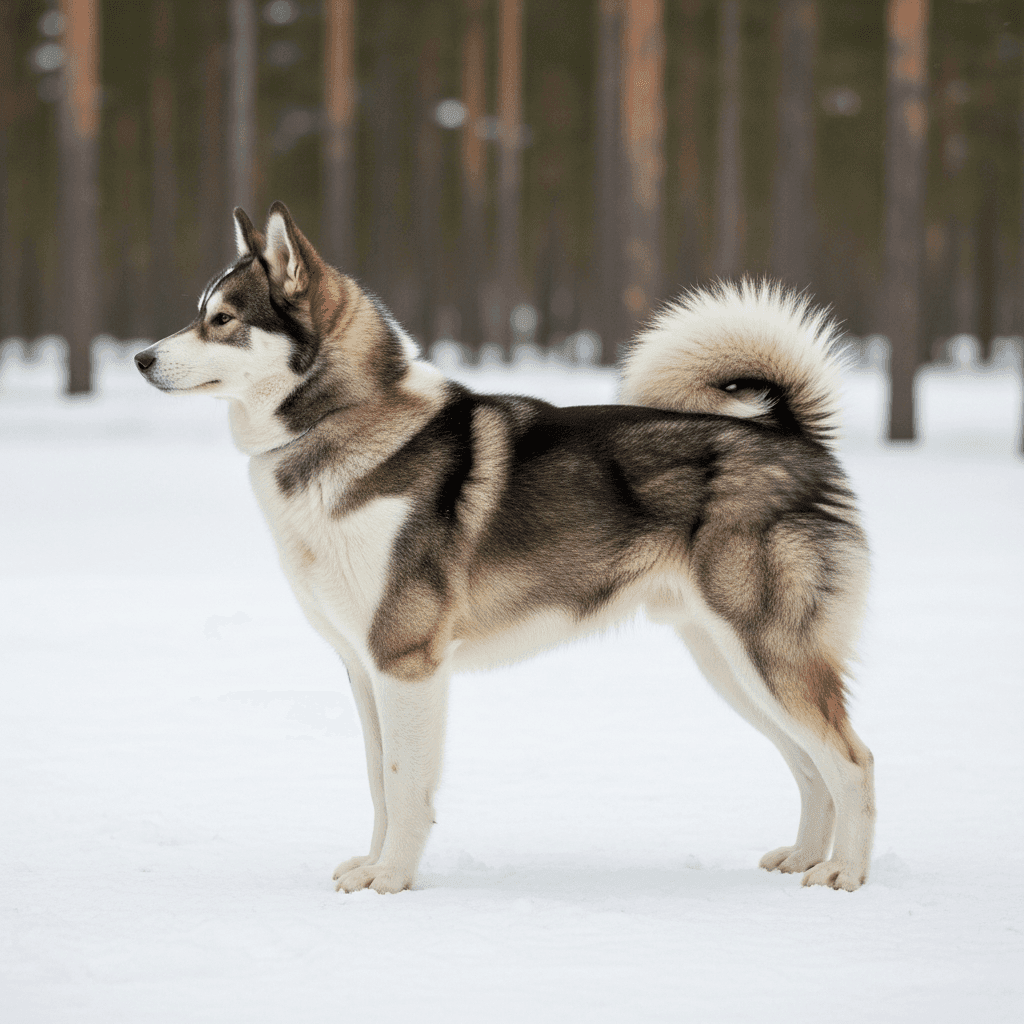
Yakut Laika
FCI Group
5• FCI 365
Size
Medium
Origin Country
XX
Height
53-59 cm
Weight
20-30 kg
Lifespan
12-15 years
Temperament
Overview
Yakutian Laika, also known as the Yakut Laika, is a fascinating breed originating from northeastern Russia. Its history dates back at least 8000 years, making it one of the oldest working dog breeds in the world. The Yakutian Laika was selected for work in harsh Arctic conditions, where it served both as a sled dog and a hunting dog. Thanks to its extraordinary endurance and versatility, it has been an invaluable companion for people living in these challenging, subpolar regions.
It is characterized by courage, intelligence, and deep loyalty to its guardians, making it an excellent companion both at work and at home. The Yakutian Laika needs close contact with people and other dogs, as it is a pack dog by nature. Its natural curiosity and desire to explore the world mean that it requires an active lifestyle. This is not a breed for those who prefer a quiet life in enclosed spaces – the Laika needs plenty of exercise and mental stimulation to maintain emotional and physical balance.
Its strong hunting instinct can pose a challenge in homes with small pets, so it requires proper socialization from puppyhood. However, its need for work makes it an ideal dog for canine sports such as sledding, agility, or dog frisbee. The coat of the Yakutian Laika is thick and well-adapted to weather conditions, making it exceptionally resistant to Arctic cold. This breed is officially recognized by the FCI in Group 5, highlighting its uniqueness and value in the canine world.
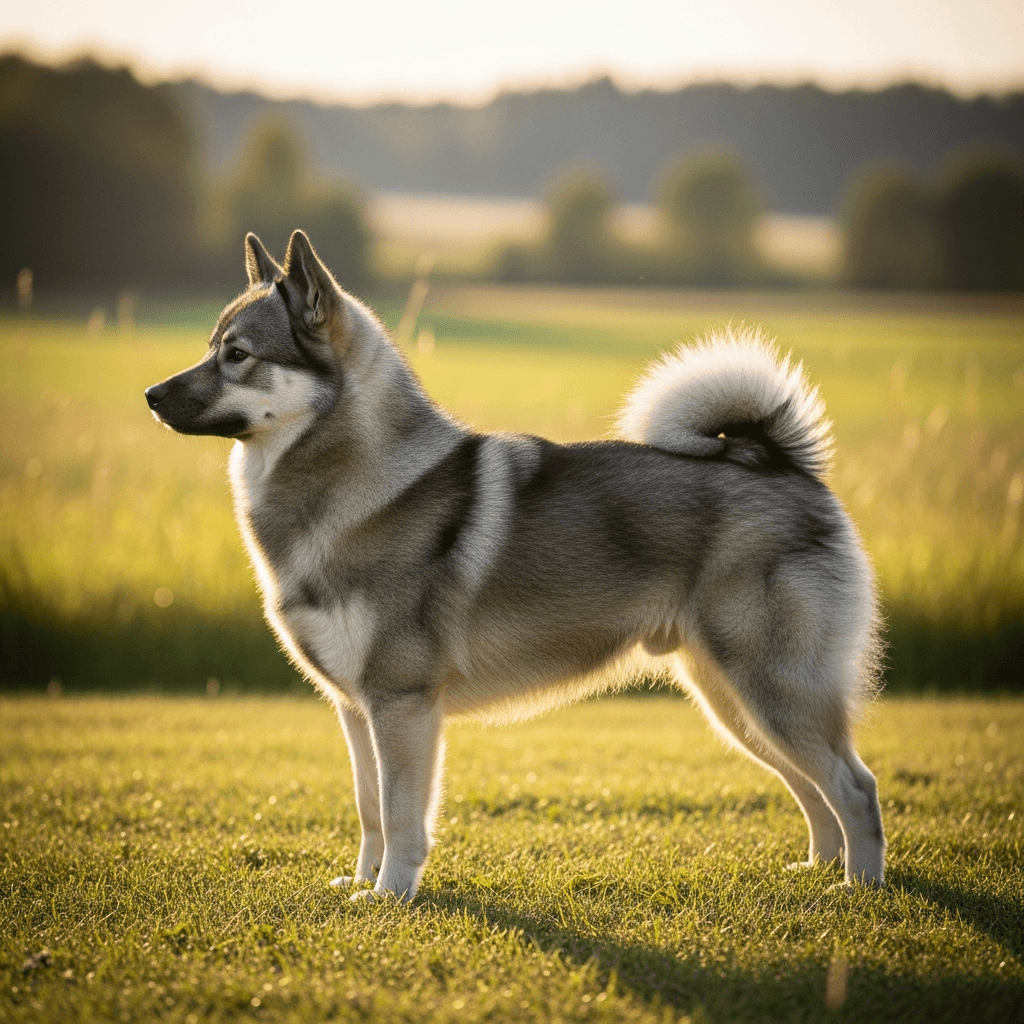
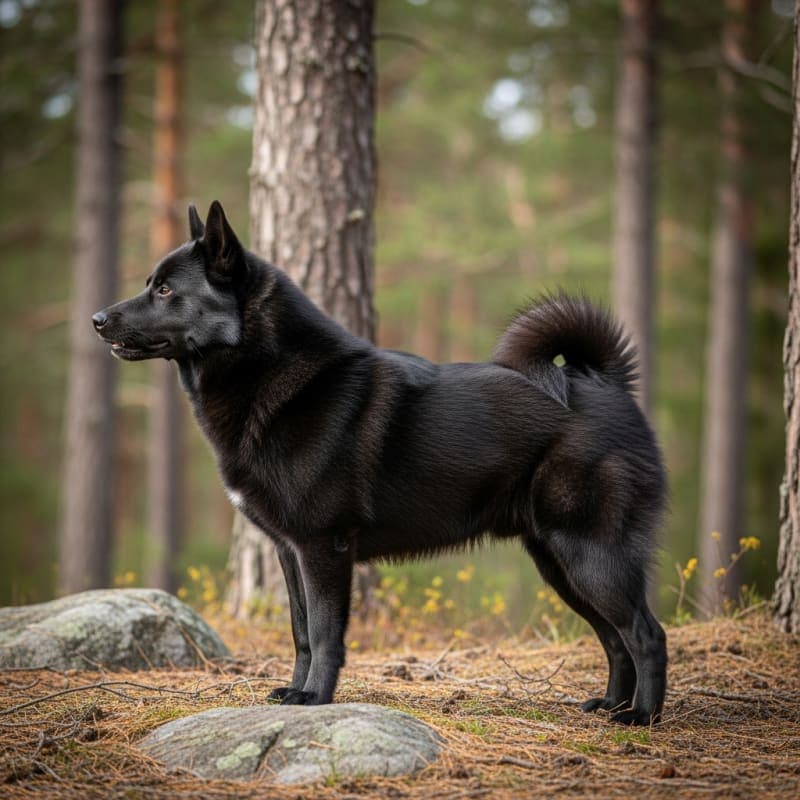
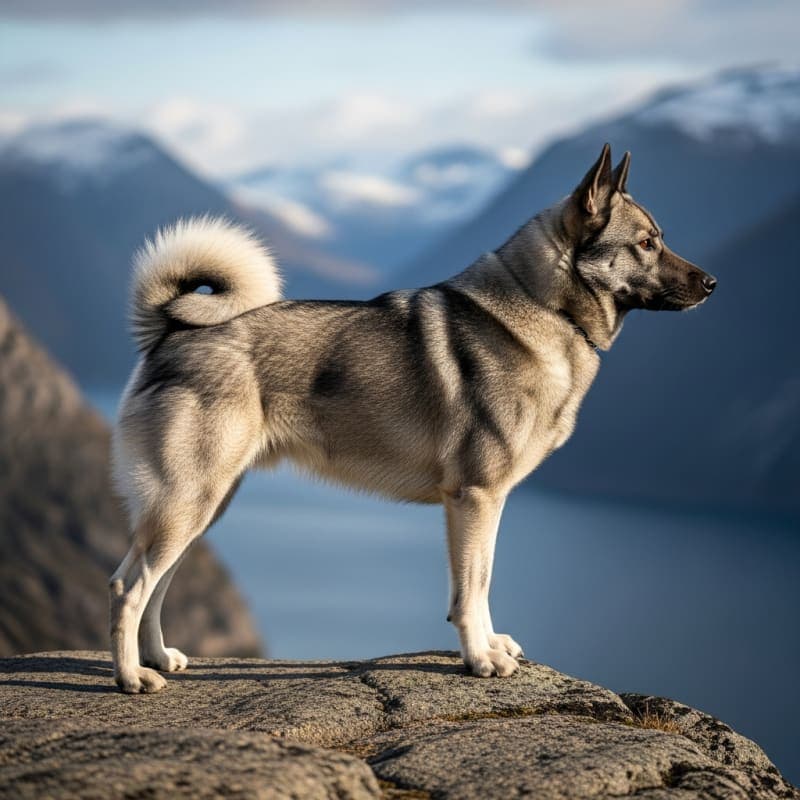
The Yakutian Laika is a medium-sized dog with a compact and strong build, characterized by a distinct sexual dimorphism. Males are usually larger and more massive than females. The height at the withers ranges from 55 to 59 cm for males and from 53 to 57 cm for females, making this breed well-suited for heavy sledding work. Their silhouette is harmonious, with moderately long limbs, allowing them to move efficiently in challenging snowy conditions.
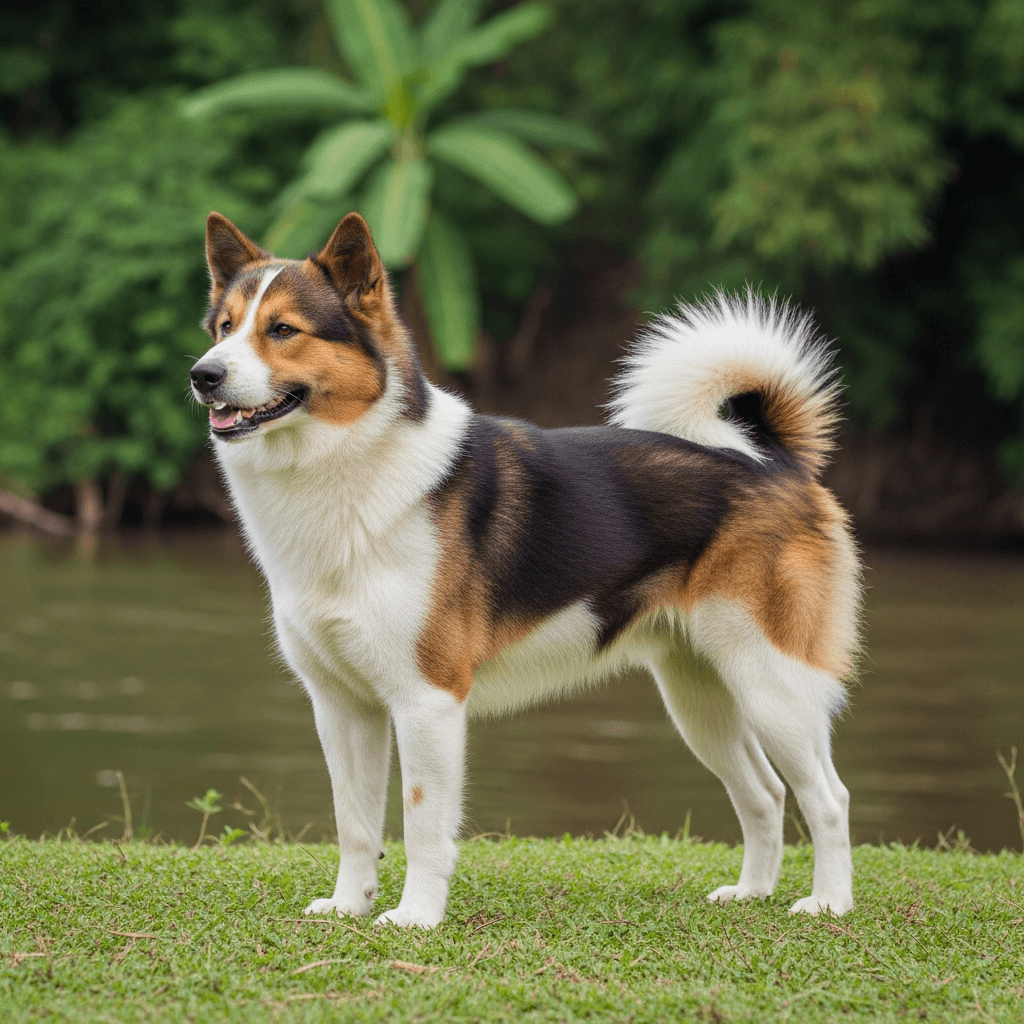
The head of the Yakutian Laika has a moderately pointed wedge shape, with a moderately broad skull and a well-filled muzzle. The eyes are set frontally, almond-shaped, in dark brown or blue color – heterochromia, or differently colored eyes, may also occur, which adds a special charm to the dogs. The ears are triangular in shape, set high, and covered with short, dense fur that protects them from the cold.
The coat of the Yakutian Laika is dense, shiny, and straight, with a well-developed undercoat, making these dogs excellently resistant to cold. The coloration can be white, bicolored, or tricolored, with various combinations of colors. The tail is set high, covered with thick fur and curled semicircularly over the back. In motion, the Yakutian Laika moves energetically, displaying a quick and springy gait. Their appearance is attractive and evokes admiration, and the natural beauty is emphasized by the strong and resilient character of this breed.
The Yakutian Laika is a dog with a unique temperament, characterized by courage, agility, and sociability. They are extremely social dogs that love to spend time with people and other dogs. Thanks to their energy and playfulness, Yakutian Laikas make excellent companions for active families. Their friendly nature allows them to easily form emotional bonds with household members, and their intelligence facilitates training and learning new commands.
However, they are independent and can show stubbornness, which means that consistency in training is absolutely crucial. Their strong hunting instinct means they may be inclined to chase smaller animals, so owners should be vigilant during walks and ensure proper containment of the area. Yakutian Laikas thrive in the company of other dogs, making them ideal for group play and pack activities.
They are also natural guardians, meaning they will defend their territory and loved ones in case of danger. Due to their energy and eagerness to act, Yakutian Laikas require an active lifestyle to be happy and healthy. Their temperament makes them excellent companions for those leading an active life, but they also need appropriate socialization and training from a young age to avoid potential behavioral issues in adulthood.
The Yakutian Laika is a breed of dog that generally enjoys good health and longevity; however, like any breed, it can be prone to certain ailments. In the case of Yakutian Laikas, special attention should be paid to musculoskeletal issues, as these dogs often work in difficult conditions and may be susceptible to injuries resulting from intense physical activity. It is important for dogs of this breed to have regular veterinary check-ups to monitor their health and prevent potential problems.
It is also worth remembering about an appropriate diet that supports their active lifestyle and maintains a healthy body weight. Owners should be aware that the Yakutian Laika, being a hunting and sled dog, may have a tendency to become overweight if not adequately active. Regular exercise and a healthy, balanced diet are crucial for maintaining their health and physical condition.
Furthermore, due to their thick fur, attention should also be paid to hygiene to prevent skin problems, especially during the summer months when they may be at risk of overheating. Their fur should be regularly brushed, which not only helps remove dead hair but also allows for monitoring any potential skin parasites. Proper healthcare and awareness of potential health issues are key to the longevity and quality of life of the Yakutian Laika.
Grooming a Yakutian Laika is an essential aspect of maintaining its health and appearance, especially due to its thick, double coat. The coat consists of hard, straight guard hairs and a dense, soft undercoat, making it extremely resistant to cold, but also requiring regular grooming. During the shedding period, which occurs in spring and autumn, Yakutian Laikas may lose a significant amount of fur. During this time, daily brushing is recommended to remove dead hair and prevent the coat from matting.
Using a brush with stiff bristles or a special undercoat rake will help effectively detangle the fur and remove any debris, such as sand, dirt, or leaves, that may accumulate in the coat during outdoor activities. Regular baths are usually not necessary – bathing the dog a few times a year is sufficient unless it is exceptionally dirty or has specific skin issues. In such cases, shampoos designed for dogs with thick coats that will not irritate their skin should be used.
Additionally, it is important to pay attention to the condition of the ears, eyes, and nails. The ears of a Yakutian Laika should be regularly checked for dirt and potential infections, and the nails should be trimmed every few weeks to prevent discomfort while walking. Grooming a Yakutian Laika not only ensures the dog's health and comfort but also strengthens the bond between the dog and its owner.
The Yakutian Laika is a breed of dog that requires a large amount of exercise and physical activity. Their history as sled and hunting dogs makes them extremely energetic and they need regular effort to maintain good physical condition and mental health. It is recommended that Yakutian Laikas have at least 1-2 hours of intense exercise daily, which can include long walks, running, playing fetch, as well as activities such as agility, dog frisbee, or sled dog racing.
Their natural curiosity and desire to explore mean they feel best in an environment where they have plenty of space to run and play. Owners should ensure that their Laikas have the opportunity to interact with other dogs, which not only allows them to expend excess energy but also supports their social and emotional development. It is also important to remember that Yakutian Laikas have a strong hunting instinct, which means they may be inclined to chase smaller animals. Therefore, it is crucial that they are well trained and under control during walks.
If they do not get enough exercise, Yakutian Laikas can become bored and problematic, which can lead to undesirable behaviors such as destroying furniture, excessive barking, or attempts to escape. Regular activity is key to their physical and mental health, as well as to maintaining balance in their lives.
The training of the Yakutian Laika is a key element in raising this breed, which is characterized by high intelligence but also a strong instinct for independence. Owners should start training as early as possible, preferably during the puppy stage, to help the dog learn basic commands and rules of behavior. Due to their natural curiosity and energy, training should be engaging, diverse, and full of positive experiences. It is worth using methods based on positive reinforcement, such as treats, toys, or praise, which will help build a positive relationship between the dog and its owner.
Yakutian Laikas respond well to reward-based training; however, due to their strong hunting instinct, they may sometimes show stubbornness or ignore commands, especially when something interesting in the environment catches their attention. Therefore, it is important for training to be regular, consistent, and tailored to the individual needs of the dog. It is also beneficial to introduce a variety of exercises and tasks to maintain their interest and stimulate their minds – Laikas love intellectual challenges.
Training should include not only basic commands such as Sit, Stay, Come, or Lie Down, but also more advanced techniques that will develop the dog's skills. Being social dogs, Yakutian Laikas respond well to interactions with other dogs and people, so it is worthwhile to organize group walks and visits to dog parks, which will also support their socialization. Training is not only a way to learn, but also a means to strengthen the bond between the dog and the owner, which is particularly important for this breed that needs close contact with humans.
Proper nutrition for the Yakut Laika is crucial for its health, condition, and well-being. This breed, being active and working, requires a diet rich in high-quality animal protein, healthy fats, and nutrients that support their energy and endurance. It is generally recommended to feed high-quality dry or wet food that is tailored to the needs of active and working dogs. It is important to avoid low-quality foods that may contain artificial additives, preservatives, and low-value ingredients.
A well-balanced diet should contain appropriate proportions of animal protein (min. 25-30%), carbohydrates, and fats that provide the energy necessary for their active lifestyle. Owners should also remember to ensure that their dog has access to fresh water throughout the day to maintain proper hydration, which is especially important during intense physical activity.
Due to their tendency to gain weight with insufficient activity, it is important to monitor the amount of food given and regularly weigh the dog to avoid obesity. Additionally, for Yakut Laikas that are active in harsh conditions, it is worth considering supplementing their diet with additional nutrients, such as omega-3 fatty acids, which support skin and coat health, as well as glucosamine and chondroitin for joint support. Proper nutrition is not only crucial for health but also affects the overall well-being and energy levels of the dog, which directly impacts its activity and quality of life.
Characteristic Traits
Pros
- Durable and versatile
- Intelligent and loyal
- An excellent companion at work and home
- Resistant to cold
- Friendly to people and dogs.
Cons
- Requires a lot of movement and activity
- Strong hunting instinct
- Not suitable for living in confined spaces
- May show stubbornness.
Behavioral Ratings
Breed History
The Yakut Laika has a rich and fascinating history that dates back thousands of years. It is one of the oldest dog breeds in the world, selected by the indigenous peoples of North-Eastern Russia. Archaeological discoveries suggest that as early as 8000 years ago, Laikas were used by local communities as sled and hunting dogs. Their skills and abilities have survived through the centuries, and this breed has become an integral part of life for people in harsh Arctic conditions.
In 1633, the first written mentions of dogs from Yakutia appeared, and in 1692, Nicholas Witsen published the first description of Yakut dogs in his book titled Northern and Eastern Tartary, in which he described how the Yakuts traveled in winter with their dogs. In 1843, the first more detailed description of the Yakut Laika was published in the book Geography of the Russian Empire, where the breed was referred to as a dog of a special breed. In 1856, Russian statistics showed that there were 15,157 dogs used for sled work in the Yakutia region.
Over the centuries, this breed has developed, adapting to changing living conditions and the needs of people. In 1958, the first standard for the North-Eastern sled dog was established, which became the basis for the modern standard of the Yakut Laika, published by the Russian Cynological Federation in 2005. This breed not only assisted in hunting but also guarded settlements, herded reindeer, and served as a transport dog. The Yakut Laika has gained recognition not only in Russia but also in many other countries around the world, where its versatility and skills are appreciated by dog lovers. Today, the Yakut Laika has become a symbol of the culture and traditions of the Northern peoples, and its history is closely linked to the history of this harsh region.