Austrian Pinscher
FCI Group
2• FCI 64
Size
Medium
Origin Country
AT
Height
42-50 cm
Weight
14-20 kg
Lifespan
12-15 years
Temperament
Overview
The Austrian Pinscher, also known as Österreichischer Pinscher, is a unique dog breed originating from picturesque Austria. This breed, with a rich history dating back to the 19th century, has gained recognition as a versatile four-legged companion, excelling both as a guardian and a family pet. Its average size and sturdy build make Austrian Pinschers ideal for both apartments and homes with gardens.
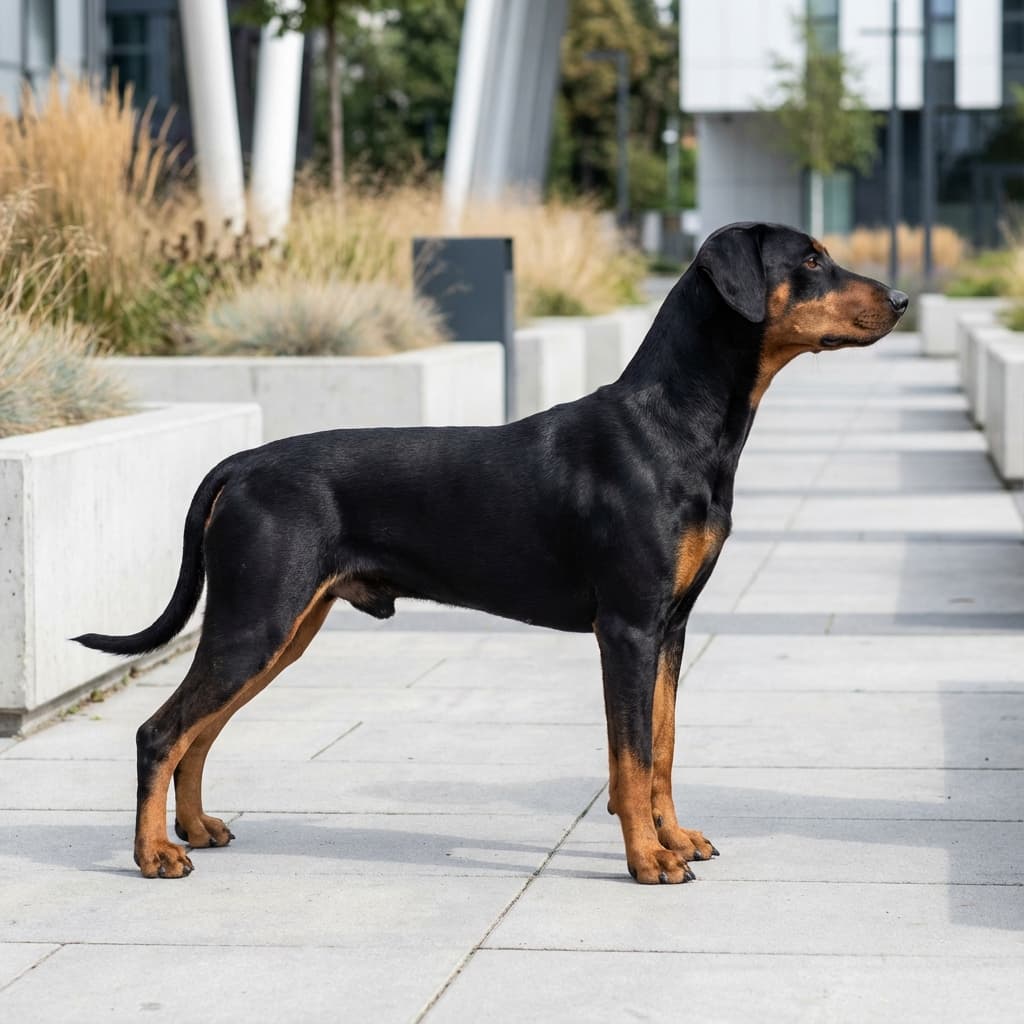
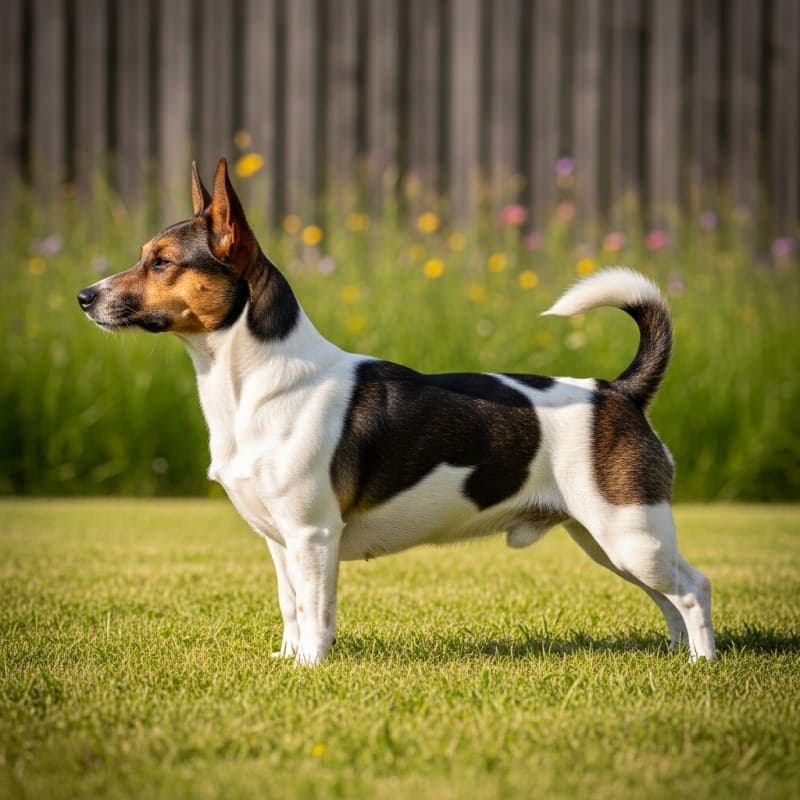
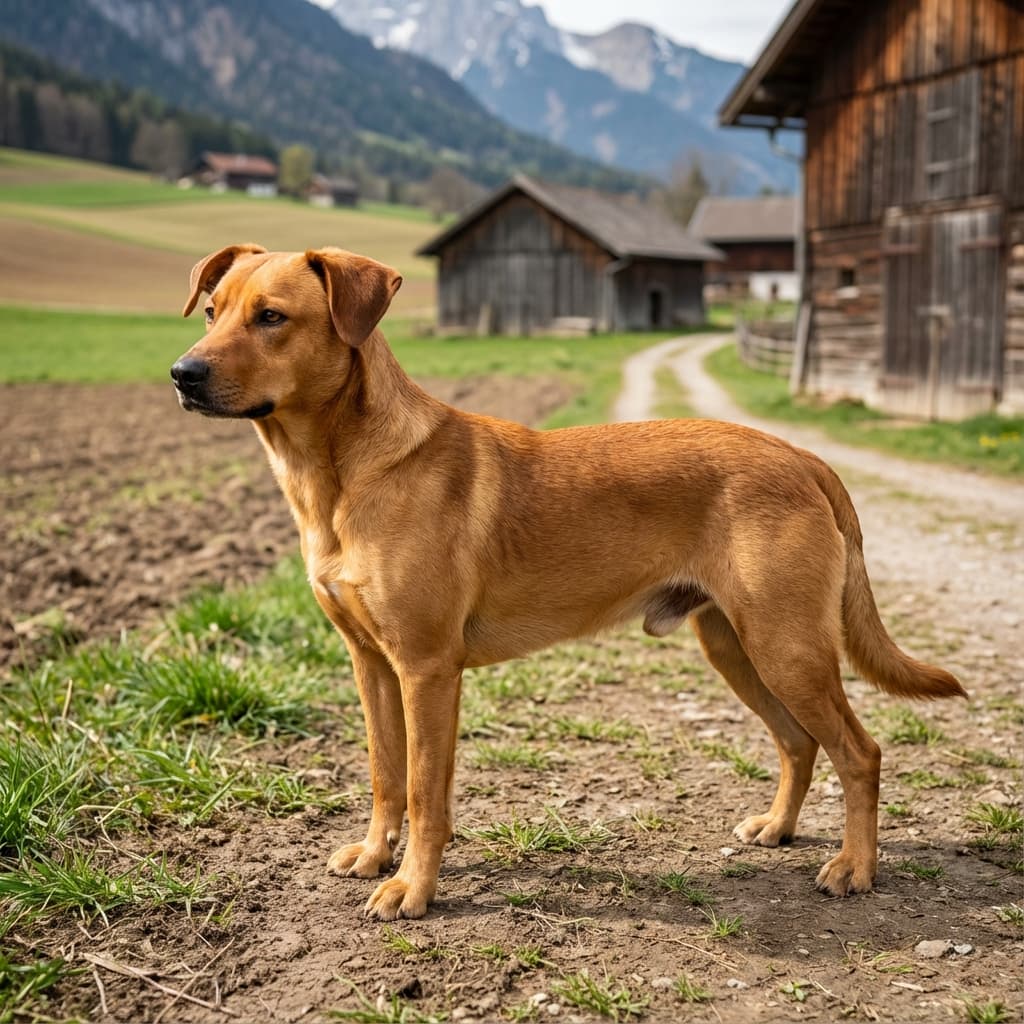
The short, dense coat comes in various shades – from chestnut-gold, through brown-yellow, to black with tan markings – giving them a distinctive charm and characteristic appearance. With a height ranging from 42 to 50 cm, they are an excellent choice for people living in smaller spaces, although they also thrive in larger homes.
A strong guarding instinct makes the Austrian Pinscher an excellent dog for protecting the home and family. Its assertive and alert temperament allows it to get along well with household members, although it may be suspicious of strangers – a natural trait of a sentinel that has protected farms in Austria for centuries.
Energy and a playful nature are particularly distinguishing features of this breed. Austrian Pinschers are ideal companions for active individuals and families who can provide them with regular exercise and mental stimulation. It is important to remember that an appropriate amount of activity is key to maintaining their mental and physical health.
The history of breeding the Austrian Pinscher officially began in 1921, when systematic breeding efforts were initiated. In 1928, the breed received official recognition from the Austrian Kennel Club under the name Österreichischer kurzhaariger Pinscher (Austrian Shorthaired Pinscher), and in 2000, the current simplified name was adopted.
The Austrian Pinscher is also a relatively low-maintenance breed, making it an attractive choice for those looking for a dog that does not require complicated care. Its rich character and adaptability make it a dog that adjusts to various lifestyles and owner needs – from active singles to families with children, and even older individuals seeking a loyal companion.
The Austrian Pinscher is a dog with a stocky build, characterized by medium size and a lively, alert expression. According to the FCI standard, the height at the withers ranges from 42 to 50 cm, and the weight from 14 to 20 kg, making it a solid but small dog. The ratio of height at the withers to body length is 9:10, giving the silhouette harmonious proportions.
The characteristic head is pear-shaped, with a wide, rounded skull and a strong muzzle. The ratio of muzzle length to skull length is 4:6, according to the FCI standard. The eyes are large, dark, and round, giving the dog a bright, intelligent look full of curiosity.
The ears are small, folded, and set high on the head. The muzzle is strong, with a straight nose bridge and well-developed lips that are tightly fitting. The dentition is complete and strong, typical of the pinscher type breed.
The body structure is strong and well-muscled, with a short, broad back providing stability and strength. The chest is deep and wide, indicating good respiratory and endurance capabilities. The belly is slightly tucked up, emphasizing the athletic silhouette.
The tail is of medium length, strong, and covered with dense hair. Traditionally, the tail is carried high, highlighting the confident character of the breed. The limbs are straight, strong, and well-muscled, providing agility and strength during movement.
The coat is short, dense, and closely fitting to the body, with no undercoat. It comes in various colors:
- chestnut-gold (most common)
- brown-yellow
- black with tan
- red
Clearly developed muscles emphasize the active and energetic character of the breed. The overall appearance is harmonious and balanced, making the Austrian Pinscher an attractive dog for both breed enthusiasts and those looking for a distinctive yet not overly large companion.
The Austrian Pinscher has a diverse and fascinating temperament, making him both an excellent family companion and an effective guardian. According to the FCI standard from 2003, representatives of this breed are characterized by an assertive, lively, alert, and cheerful nature.
Towards known individuals and family members, the Austrian Pinscher is exceptionally friendly, devoted, and eager to play. This deep bond with household members makes him a great companion dog that constantly desires to be close to his beloved owners. His loyalty knows no bounds, and his readiness to defend his family is deeply rooted in the breed's nature.
However, towards strangers, he exhibits a natural suspicion and caution, making him an incorruptible guardian. This trait is not a sign of aggression but rather a developed protective instinct that has allowed Austrian Pinschers to effectively guard farms against intruders for centuries.
Pinschers are very energetic and active, requiring regular stimulation both physically and mentally. They love playtime, long walks, and all forms of activity that allow them to burn off excess energy. They can also be quite vocal – barking is their natural warning reflex in the face of danger or excitement.
Thanks to their intelligence and curiosity, Austrian Pinschers quickly learn new commands and tricks. They are very clever and can solve simple problems, making them fascinating to observe. However, they can also be quite stubborn and independent, which requires patience, consistency, and skill from their owners in training.
They are excellent companions for children, provided that:
- children respect the dog's space
- do not treat the dog like a toy
- are taught proper interaction rules
- an adult supervises their playtime
Austrian Pinschers are independent dogs that can spend time alone, but they should not be left alone for long periods. Extended solitude can lead to boredom, frustration, and destructive behaviors such as destroying objects or excessive barking.
Proper training and socialization from a young age are absolutely crucial for their development. Early exposure to various stimuli, people, animals, and situations will help develop a balanced, confident dog that can respond appropriately in different circumstances. The hunting instinct in this breed is only weakly developed, which facilitates coexistence with other pets.
The Austrian Pinscher is generally a healthy and resilient breed, characterized by good immunity and vitality. The average lifespan ranges from 12 to 15 years, although with proper care and a healthy lifestyle, many individuals can live up to 16 years.
Although Austrian Pinschers are relatively resistant to diseases, they may be prone to certain health issues typical for dogs of this size and build:
Skin diseases:
- Color Dilution Alopecia (CDA) – a pigmentation disorder leading to hair loss in areas of diluted coat color
- Skin allergies – reactions may occur to food ingredients or environmental allergens
- Bacterial and fungal dermatoses – especially with improper grooming
Metabolic diseases:
- Diabetes – may occur in older, unspayed females and in overweight individuals
- Thyroid problems – hypothyroidism can lead to changes in behavior and condition
Injuries and traumas:
Due to their dynamic and energetic nature, Austrian Pinschers are prone to musculoskeletal injuries – sprains, muscle tears, or joint injuries. It is important to monitor their physical activity, especially during intense play or sports training.
Oral health:
Like many breeds, Pinschers can be prone to periodontal disease and tartar buildup. Regular dental care – brushing, dental chews – is crucial for preventing gum problems and tooth loss in older age.
Prevention and care:
- regular veterinary visits (at least once a year, and for older dogs – twice a year)
- up-to-date vaccinations according to the vaccination schedule
- deworming and protection against external parasites
- carefully monitored diet – Pinschers rarely have weight problems due to their dynamic nature, but proper nutrition is key
- access to fresh water, especially on hot days, to avoid dehydration
- regular check-ups for older dogs – blood count, biochemistry, ultrasound
With proper veterinary care, a balanced diet, regular activity, and attention to hygiene, Austrian Pinschers can enjoy a long, healthy, and happy life alongside their owners.
The grooming of the Austrian Pinscher is relatively simple and low-maintenance, making this breed ideal for owners who prefer easy-to-care-for dogs. The short coat without an undercoat significantly simplifies daily care and minimizes shedding issues.
Coat care:
The short, dense fur of the Pinscher does not require daily brushing. It is sufficient to brush regularly once a week using a soft brush or rubber glove to:
- remove dead hair
- stimulate blood circulation in the skin
- distribute natural oils for a healthy shine
- strengthen the bond with the dog through grooming
Seasonal shedding is minimal – Austrian Pinschers lose small amounts of hair throughout the year, without intense periods of coat change. This makes them a good choice for people sensitive to dog hair in the home.
Bathing:
Pinschers are known for their naturally clean coat, which does not tend to accumulate dirt or unpleasant odors. Frequent baths are not necessary – it is enough to bathe the dog:
- every 2–3 months under normal conditions
- more often only in case of heavy soiling
- using a mild dog shampoo with a neutral pH
Too frequent bathing can lead to dry skin and loss of the natural protective fatty layer.
Ear care:
Regular checking and cleaning of the ears is essential to prevent infections:
- ear inspection once a week
- gentle cleaning with special ear solutions
- avoiding inserting cotton swabs deep into the ear canal
- paying attention to unpleasant odors, redness, or excessive discharge
Oral hygiene:
Dental care is crucial for preventing periodontal disease:
- brushing teeth 2–3 times a week with a special toothbrush and dog toothpaste
- providing dental chews
- regular dental check-ups with the veterinarian
- professional cleaning of tartar if necessary
Nail trimming:
Regular nail care is important for the comfort and health of the dog:
- trimming every 3–4 weeks or as needed
- overly long nails can cause discomfort, walking problems, and joint deformities
- using special clippers or files for dogs
- being careful not to cut nerves and blood vessels (quick)
Skin check:
While brushing, it is worth regularly checking the skin for:
- ticks, fleas, and other parasites
- redness, rashes, bald patches
- wounds, scratches, lumps
- excessive dryness or oiliness
With minimal grooming requirements, the Austrian Pinscher is an ideal dog for those who value simplicity and a pragmatic approach to pet care, without sacrificing the healthy and well-groomed appearance of their companion.
The Austrian Pinscher is a dog with high exercise needs, requiring regular physical activity to maintain good physical condition, mental health, and balanced behavior. Due to its energetic temperament and the breed's history as a working dog, it requires significantly more exercise than a typical companion dog.
Minimum daily activity:
Austrian Pinschers should have at least 60–90 minutes of activity per day, divided into several sessions. An ideal daily plan includes:
- morning walk (30–40 minutes)
- afternoon/evening activity (30–40 minutes)
- short play sessions at home or in the garden (10–20 minutes, 2–3 times a day)
Types of activities:
Walking and hiking:
- long walks in varied terrain
- hiking in forests, parks, and on trails
- variable pace – from leisurely to brisk walking
- allowing sniffing and exploring the surroundings
Running and jogging:
- companionship during jogging (after reaching 12–18 months, when the skeletal system is fully developed)
- running alongside a bicycle on safe, quiet routes
- free runs in safe, enclosed areas
Interactive play:
- fetching balls, frisbees, or other toys
- playing tug-of-war
- hide and seek games
- searching for treats hidden in the house or garden (nosework)
Canine sports:
Austrian Pinschers excel in various dog sports that combine physical activity with mental stimulation:
- Agility – obstacle course, ideal activity for agile and intelligent pinschers
- Obedience – obedience competitions, excellent for developing owner-dog cooperation
- Rally obedience – combining obedience with a course to navigate
- Nosework – scent searching, utilizing natural instincts
- Dogfrisbee – dynamic play combining fetching with acrobatics
Mental stimulation:
Just as important as physical activity is mental stimulation. Pinschers are intelligent dogs that get bored without intellectual challenges:
- interactive toys like puzzle feeders
- learning new commands and tricks
- obedience training
- scent games (hidden treats)
- social skills training (meetings with other dogs)
Consequences of lack of exercise:
A lack of adequate activity can lead to serious behavioral problems:
- excessive barking – frustration expressed through loud behavior
- destructive behaviors – damaging furniture, shoes, household items
- hyperactivity – difficulty calming down, constant anxiety
- sleep problems – difficulty falling asleep, waking up at night
- compulsive behaviors – running in circles, chasing their own tail
- aggression – frustration leading to aggressive behaviors
Important: Owners of Austrian Pinschers should be active and spend time outdoors with their dog regularly. This breed is for people who enjoy movement and can dedicate time to shared activities. Incorporating various forms of exercise will allow for the full development of the dog's skills and strengthen the bond with the owner, creating a happy, balanced, and content companion.
Training an Austrian Pinscher can be both satisfying and demanding, depending on the owner's approach. Pinschers are intelligent dogs that quickly learn new commands and tricks, but they also have an independent nature and can be stubborn, which requires consistency and patience.
Basic training principles:
1. Positive reinforcement:
Austrian Pinschers respond best to methods based on positive reinforcement, which means rewarding desired behaviors instead of punishing undesired ones. Key elements include:
- treat rewards for correctly following commands
- verbal praise in an enthusiastic tone
- playing with a favorite toy as a reward
- petting and other positive physical interactions
2. Consistency and patience:
Owners must be consistent in enforcing rules. Pinschers quickly pick up on inconsistencies and may try to exploit them. It is important to:
- use the same commands by all family members
- not waver in enforcing rules
- be patient – learning takes time and repetition
- avoid frustration and anger, which can discourage the dog
3. Short, regular sessions:
Pinschers have good concentration but respond best to short, intense training sessions (10–15 minutes), repeated 2–3 times a day, rather than long, exhausting training.
Early socialization (CRUCIAL!):
Early and extensive socialization is absolutely essential for developing a balanced, confident dog. Between 3 and 16 weeks of age, the puppy should be exposed to:
- various sound stimuli – cars, bicycles, vacuum cleaners, loud music
- various environments – city streets, parks, forests, shopping malls (where allowed)
- various people – children, adults, seniors, people in hats, glasses, with strollers
- other animals – dogs of different breeds and sizes, cats, farm animals (if available)
- various situations – vet visits, car rides, stairs, elevators, bridges
Basic commands:
Learning basic commands is the foundation of good behavior:
- Sit – a basic command, easy to learn
- Lie down – used to calm the dog
- Stay – essential for safety
- Come – the most important command, can save the dog's life
- Place – a command sending the dog to its bed
- Leave it – preventing the dog from eating dangerous things
- Quiet – controlling barking
Challenges in training:
Stubbornness and independence:
Pinschers can be stubborn and independent, a remnant of their history as self-sufficient guard dogs. They may try to test boundaries and challenge the owner's authority. Solutions include:
- firm yet gentle leadership
- consistency in all interactions
- avoiding confrontation – instead redirecting attention
Sensitivity to criticism:
Pinschers are sensitive to criticism and a harsh tone of voice. Avoid using violence – physical or verbal – as it can lead to:
- loss of trust in the owner
- fear and uncertainty
- defensive-aggressive behaviors
- deterioration of the human-dog relationship
Barking:
Pinschers have a natural tendency to loudly alert to dangers. Teaching the command Quiet is crucial:
- rewarding for silence, not for barking
- ignoring barking for attention-seeking
- redirecting energy to constructive behaviors
Advanced training:
Once the basics are mastered, Pinschers can learn:
- tricks – spinning, shaking paws, playing dead
- canine sports – agility, obedience, nosework
- practical tasks – fetching the newspaper, closing doors, turning on lights
Training as fun:
Austrian Pinschers love play and interaction with their owner. The best results are achieved when learning is seen as a pleasure, not a chore. Owners should be enthusiastic, positive, and creative in their training approach, so the dog will eagerly participate and quickly absorb new skills.
Proper training of an Austrian Pinscher from puppyhood will create a obedient, balanced, and confident dog that will be an excellent companion and a source of pride for the owner.
The diet of the Austrian Pinscher should be well-balanced and tailored to its energy needs to ensure optimal development, health, and good physical condition. Due to its active lifestyle and dynamic temperament, proper nutrition is the foundation of the well-being of this breed.
Basic nutrition principles:
High-quality food:
Austrian Pinschers require food that is rich in high-quality animal protein and healthy fats. Ingredients to pay attention to:
- protein (25–30% dry matter) – from meat, poultry, or fish as the first ingredient
- fats (12–18%) – a source of energy and essential omega-3 and omega-6 fatty acids
- carbohydrates – from easily digestible sources like rice, oats, sweet potatoes (avoid grains if the dog is allergic to them)
- vitamins and minerals – a comprehensive set for bone, joint, and coat health
What to avoid:
- food with artificial additives, colorings, and preservatives
- food with a high grain content (corn, wheat) as main ingredients
- food containing low-quality by-products and meat meals
- products with excessive salt, sugar, and trans fats
Types of feeding:
1. Dry food (kibble):
The most popular and convenient option. Advantages:
- easy to store and measure
- helps clean teeth (mechanical action)
- long shelf life
- good value for money (in the case of premium foods)
2. Wet food (cans, pouches):
- higher moisture content (good for dogs that drink little water)
- more appetizing for picky eaters
- easier to digest
- more expensive per serving
3. BARF diet (Biologically Appropriate Raw Food):
Feeding raw meat, bones, and vegetables. Requires:
- good knowledge of dog nutrition
- careful balancing of nutrients
- hygiene and caution (bacteria in raw meat)
- consultation with a veterinarian or animal nutritionist
4. Cooked diet (home-made):
Meals prepared at home from cooked ingredients. Advantages and challenges similar to BARF.
Portion size and frequency:
Austrian Pinschers tend to maintain a healthy weight due to their active lifestyle, but owners should monitor the amount of food to avoid overweight or underweight.
Adult dogs (from 12 months):
- 2 meals a day – in the morning and evening
- portion adjusted to weight, age, and activity level
- on average 200–300 g of dry food per day (for a dog weighing 15 kg with moderate activity)
Puppies (up to 12 months):
- 3–4 meals a day – more frequent, smaller portions for better digestion
- puppy food for medium breeds, rich in calcium and phosphorus for bone development
- gradual transition to adult food after reaching 12 months
Seniors (from 8–10 years):
- food for older dogs with adjusted protein and calorie content
- supplements supporting joints (glucosamine, chondroitin)
- easier to digest ingredients
Snacks and treats:
Snacks should make up no more than 10% of the daily calorie intake. Healthy options:
- small pieces of cooked chicken or turkey
- carrot, apple (without seeds), banana
- special dental treats
- naturally dried meat (without salt and spices)
TOXIC products for dogs (NEVER feed!):
- chocolate – contains theobromine, toxic to dogs
- onion and garlic – damage red blood cells
- grapes and raisins – cause kidney failure
- avocado – contains persin, toxic to dogs
- xylitol (sweetener) – causes a rapid drop in blood sugar
- alcohol, coffee, tea – toxic to the nervous system
- cooked bones – can splinter and cause choking
Water:
Fresh water should always be available, especially:
- on hot days to prevent dehydration
- after intense physical activity
- when feeding dry food (water aids digestion)
Average requirement: about 50 ml of water per kilogram of body weight per day (for a 15 kg dog = about 750 ml).
Diet change:
When changing food, a gradual transition over 7–10 days should be followed:
- days 1–3: 75% old food + 25% new
- days 4–6: 50% old food + 50% new
- days 7–9: 25% old food + 75% new
- day 10: 100% new food
Sudden changes can lead to digestive problems (diarrhea, vomiting).
Condition monitoring:
Regularly check weight and body condition:
- ribs should be felt but not visible
- clear waist seen from above
- slightly tucked belly seen from the side
Proper nutrition combined with regular physical activity will ensure the Austrian Pinscher a long, healthy, and happy life full of energy and vitality.
Characteristic Traits
Pros
- versatility in fulfilling various roles
- strong guarding instinct
- friendly and loyal to the family
- energetic and eager to play
- low maintenance
- healthy and resilient breed
Cons
- suspicion towards strangers
- requires regular physical and mental activity
- can be stubborn in training
- tendency to bark loudly
- rare breed – hard to find
Behavioral Ratings
Breed History
The Austrian Pinscher has a long and fascinating history, with roots dating back to the 19th century, closely tied to the Austrian rural landscape and agricultural tradition. This breed, although relatively rare outside of Austria today, played an important role in the lives of Austrian farms.
Origins of the breed (19th century):
The Austrian Pinscher descends from old Austrian rural pinschers (Österreichischer Landpinscher), which were commonly found on farms in Austria in the second half of the 19th century. These modest yet versatile working dogs served many functions:
- guarding the farm against intruders
- protecting against rodents and pests
- watching over livestock
- accompanying the family
- assisting with daily farm tasks
Pinschers were valued for their reliability, courage, and loyalty, as well as their ability to make independent decisions – an essential trait for a working dog often operating without constant human supervision.
Beginnings of systematic breeding (1921):
In 1921, systematic breeding of purebred Austrian Pinschers began, aimed at standardizing the breed's traits and protecting it from extinction. As traditional agriculture evolved and the need for working dogs decreased, the population of Austrian Pinschers began to decline.
Breeders aimed to preserve:
- the characteristic body structure
- assertive, alert temperament
- guarding instinct
- versatility and intelligence
Official recognition of the breed (1928):
On October 16, 1928, the breed was officially recognized by the Austrian Kennel Club (Österreichischer Kynologenverband) under the name Österreichischer kurzhaariger Pinscher (Austrian Shorthaired Pinscher). This was a pivotal moment in the breed's history, ensuring its official status and breeding protection.
Name change (2000):
In 2000, the breed was renamed to the simplified name Österreichischer Pinscher (Austrian Pinscher) to facilitate identification and promotion on the international stage. The name change was part of a strategy to revitalize the breed and increase its popularity.
Development of the FCI standard:
In 2003, the Fédération Cynologique Internationale (FCI) published the current breed standard (FCI number 64), classifying the Austrian Pinscher into:
- Group 2: Pinschers and Schnauzers, Molossians, Swiss herding and pastoral dogs
- Section 1.1: Pinschers
- Without working trial
Modern times:
Today, the Austrian Pinscher is a rare breed, even in its homeland. The population remains small, and breeders primarily operate in Austria and neighboring German-speaking countries. Although the breed has lost its original use as a working dog on farms, it is now valued as:
- guard dog – retaining a strong protective instinct
- companion dog – a loyal and devoted family member
- sport dog – excelling in agility, obedience, and other sports
Threats and breed protection:
The Austrian Pinscher is on the list of endangered breeds. The small number of registered puppies each year (often below 100 across Europe) means that breeders must exercise particular caution to:
- maintain the genetic health of the population
- avoid inbreeding and associated problems
- promote the breed among new owners
- protect the authentic character and temperament of the breed
Cultural significance:
The Austrian Pinscher is part of Austria's cultural heritage, a symbol of traditional rural life and the human-dog relationship based on mutual trust and cooperation. For Austrians, it is a national breed representing their history and identity.
Despite the challenges associated with its small population, the Austrian Pinscher has survived thanks to the passion and determination of breeders who believe in the value of this unique breed. Today, anyone who chooses an Austrian Pinscher becomes part of a living history and contributes to preserving this unique canine heritage for future generations.