Italian Cane Corso
FCI Group
2• FCI 343
Size
Large
Origin Country
IT
Height
60-68 cm
Weight
40-50 kg
Lifespan
10-11 years
Temperament
Overview
Cane Corso Italiano is an impressive dog breed with a history that dates back to ancient Rome. These majestic canines belong to the molosser group and originate from picturesque Italy. Their medium to large stature, solid build, and elegant appearance set them apart from other breeds. Exceptional strength, agility, and intelligence make them excellent guardians and loyal family companions.
Cane Corso was once used for hunting big game and protecting property, highlighting its versatility and natural defensive abilities. The breed's name comes from the Latin word cohors, meaning defender or guardian – which perfectly reflects their protective nature.
Dogs of this breed form incredibly strong emotional bonds with their families, making them not only brave and alert guardians but also affectionate and gentle companions, especially in relationships with children. Their balanced temperament and natural vigilance towards strangers are traits that attract many dog lovers to this wonderful breed.
However, for a Cane Corso to become a great family member, it requires proper upbringing and early socialization. A responsible approach to training can prevent behavioral issues and shape them into an excellent companion. Despite their protective nature, Cane Corso is not overly demanding in terms of energy – a moderate level of activity requires regular physical and mental stimulation, making them ideal for owners who value an active lifestyle.
The short, dense coat of the Cane Corso does not require complicated grooming, and the variety of colors – black, gray, fawn, or brindle – adds even more charm to this breed. The breed performs best in the hands of experienced owners who can provide sufficient attention, consistent training, and the right amount of activity. With their loyal and affectionate nature, Cane Corso is a faithful life companion, requiring a responsible approach and commitment.
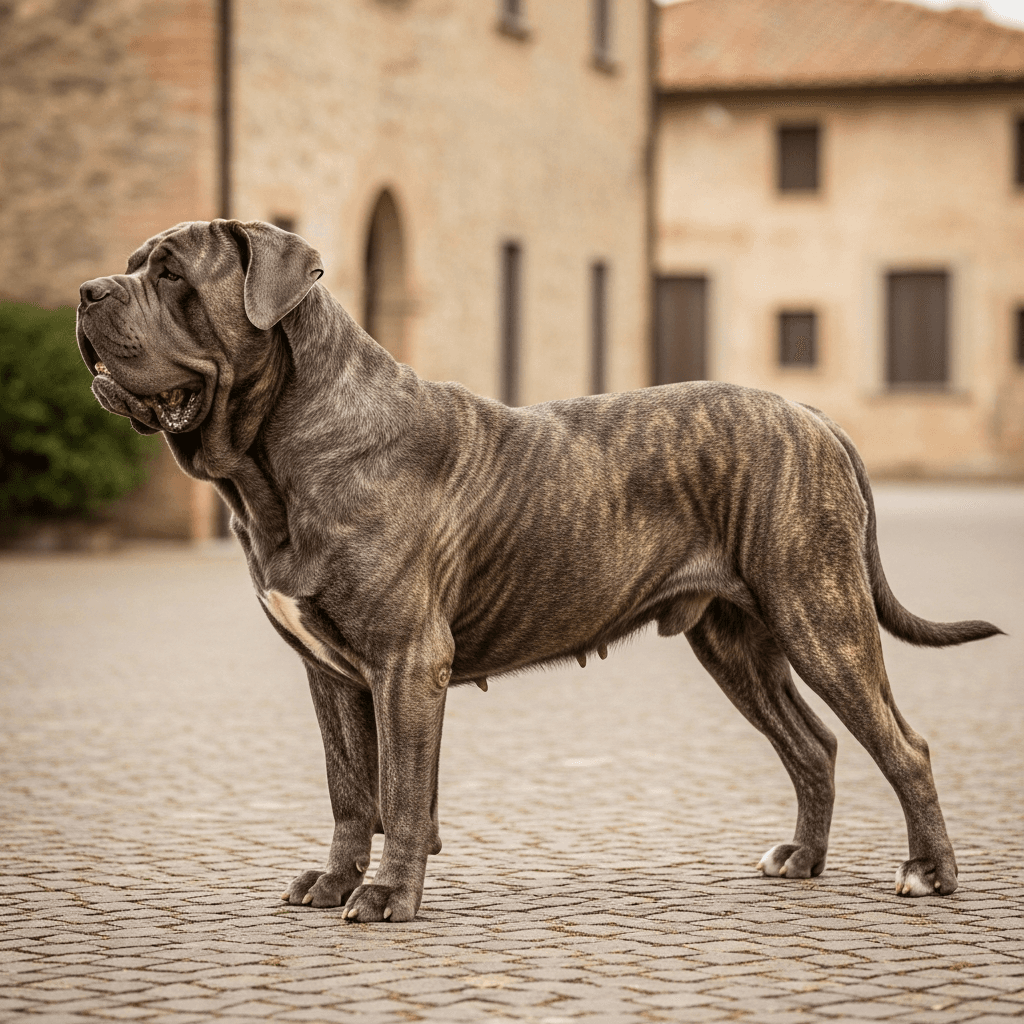
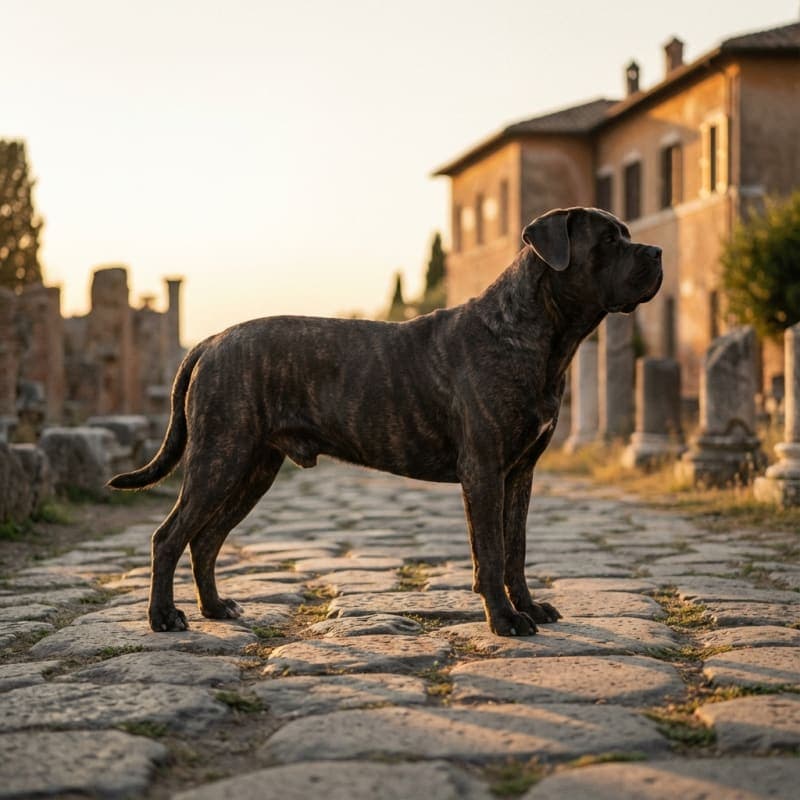
Cane Corso is a dog with a solid, massive body structure that simultaneously stands out for its elegance and harmonious proportions. The silhouette is slightly elongated – the body length exceeds the height at the withers by about 11%.
The head is large and characteristically molossoid, wide around the zygomatic arches. The skull is convex at the front and then flattens towards the occiput. The muzzle is strong, shorter than the skull, with a distinct stop. The nose is black with wide nostrils. The eyes are medium-sized, oval, dark, and slightly protruding, giving the dog an intelligent and attentive expression. The ears are triangular, hanging, set high above the zygomatic arches.
The neck is strong, well-muscled, and proportional to the rest of the body. The torso is solid with a strong, straight back. The chest is deep and well-developed, providing adequate lung capacity and endurance during physical activity.
The limbs are strong, well-boned, and muscular, allowing for agile and confident movement. The front limbs are straight and parallel, while the hind limbs are strong and muscular, providing powerful propulsion during running.
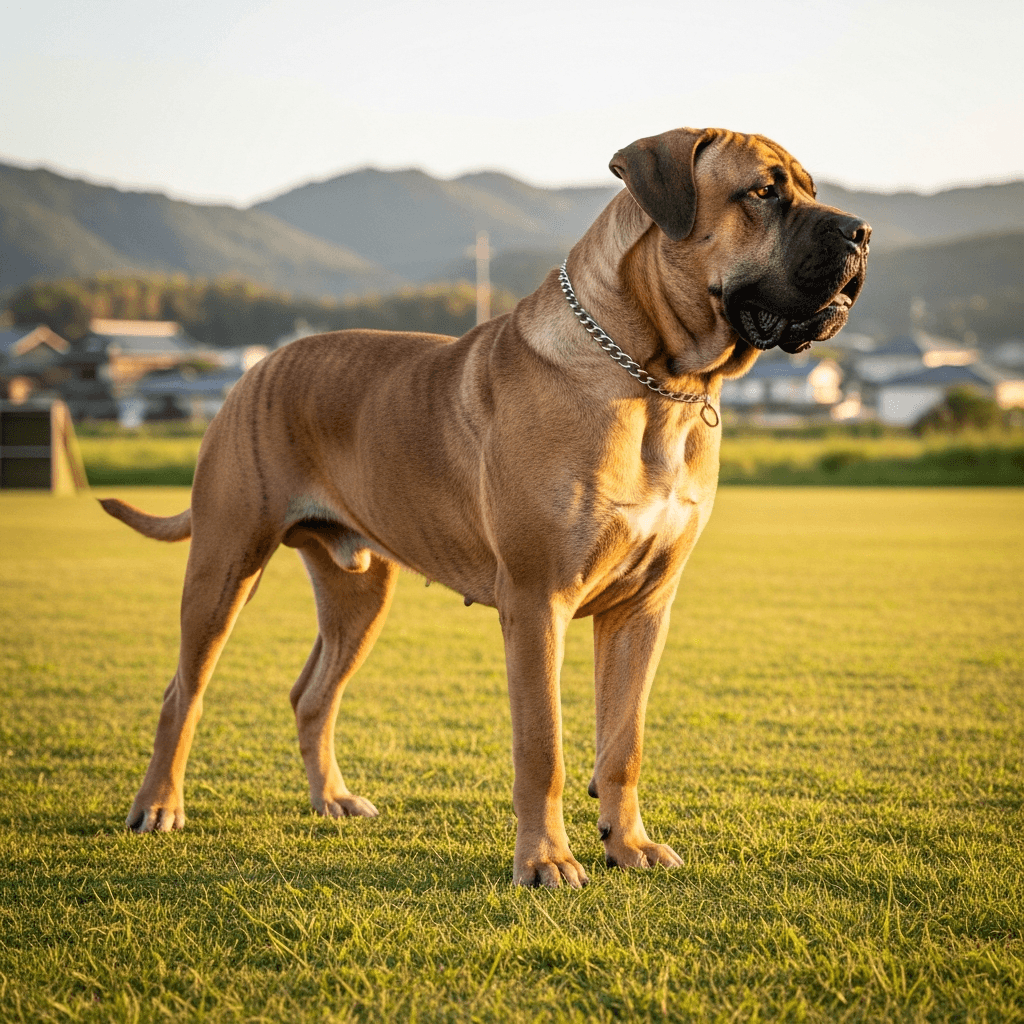
The coat is short, shiny, and dense with a fine undercoat. It is available in various colors: black, lead gray, slate gray, light gray, light fawn, dark fawn, brindle, and all shades of fawn and brindle. Fawn and brindle dogs have a black or gray mask that should not extend beyond the eye line.
Dimensions: The height at the withers is 64-68 cm for males and 60-64 cm for females. The weight ranges from 45 to 50 kg for males and 40 to 45 kg for females. Cane Corso exudes strength, confidence, and a noble appearance, making it an excellent representative of the Italian molossoid group.
Cane Corso is a dog with a balanced and stable temperament, combining the vigilance of a guardian with loyalty and gentleness towards its family. It is extremely attached to its loved ones and shows a strong need to protect household members and the territory entrusted to it.
Dogs of this breed are naturally reserved and wary of strangers, making them excellent guardians. However, their vigilance does not turn into excessive aggression – Cane Corso is an intelligent dog that can assess situations and react proportionally to the threat. This trait makes it an ideal guard dog for experienced owners.
Despite its strength and impressive build, Cane Corso also has a gentle side and can be extremely affectionate, especially in interactions with family children. It is patient, nurturing, and forms deep emotional bonds. However, it should be noted that due to its size and strength, interactions with small children should always be supervised.
Intelligence and learning abilities are other strong points of this breed. Cane Corso quickly absorbs new commands and willingly cooperates with its owner, although it may show a certain degree of stubbornness if it does not see the point in the task at hand. This requires the caregiver to be consistent, patient, and skilled in building authority based on mutual respect.
Proper upbringing and early socialization are absolutely crucial for this breed. A dog that has not been properly socialized may be overly distrustful or reactive. A well-raised Cane Corso, on the other hand, is a calm, confident companion that can control its emotions.
Cane Corso does not tolerate being left alone for long periods, which can lead to separation anxiety and destructive behaviors. This breed thrives in an active environment where it can participate in various forms of physical and mental activities. As a companion dog, it requires an appropriate amount of attention, engagement, and time spent with the family to develop in a healthy and balanced way.
Cane Corso Italiano, like most large breeds, has its specific health predispositions that owners should pay particular attention to. The average lifespan of this breed is 10 to 12 years, although with proper care, a balanced diet, and regular activity, many dogs live longer.
Hip and elbow dysplasia are among the most common conditions occurring in large dog breeds, including Cane Corso. Dysplasia involves improper joint development, leading to pain, lameness, and limited mobility. Regular veterinary check-ups and X-rays for dogs intended for breeding can help minimize the risk of inheriting this condition.
Gastric torsion (dilatation and torsion of the stomach) is a life-threatening situation, particularly affecting large breeds with deep chests. Torsion can occur after intense physical exertion immediately following a meal. Therefore, it is crucial to avoid activity just before and after feeding, as well as to divide the daily food allowance into 2-3 smaller portions instead of one large meal.
Obesity is another issue that can affect Cane Corso, especially with insufficient physical activity or an improper diet. Being overweight puts stress on the joints, heart, and circulatory system, which can lead to serious health problems. It is essential to provide the dog with a balanced diet and regular activity tailored to its age and condition.
Cane Corso may also be prone to cardiological problems, such as dilated cardiomyopathy, and eye conditions, including entropion (inward rolling of the eyelid) or cataracts. Regular veterinary visits, preventive examinations, and observing the dog's behavior allow for early detection of potential issues and appropriate intervention.
Proper veterinary care, a balanced diet, regular activity, and avoiding excessive strain at a young age are key to ensuring that Cane Corso lives a long, healthy, and happy life.
The care of a Cane Corso is relatively simple and not very time-consuming, which is an additional advantage of this breed. These dogs have short, dense fur with a fine undercoat that does not require complicated brushing or professional grooming treatments.
Brushing once a week using a natural bristle brush or a rubber glove is sufficient to keep the coat in good condition and maintain its natural shine. During shedding periods, which usually occur in spring and autumn, it is advisable to increase the brushing frequency to 2-3 times a week to remove dead hair and minimize its presence in the home.
Bathing is not needed too often – it is enough to bathe the dog every 2-3 months or as needed when it gets dirty or develops an unpleasant odor. Too frequent washing can strip the skin of its natural protective oils and lead to irritation. Gentle shampoos designed for dogs should be used.
Regular checking and cleaning of the ears is essential to avoid infections, especially in dogs with floppy ears. Ears should be checked weekly and cleaned using special products available in pet stores. Also, eye checks should be done regularly – in case of redness, discharge, or other concerning symptoms, a veterinarian should be consulted.
Nails require regular trimming, especially if the dog does not naturally wear them down while walking on hard surfaces. Overly long nails can cause discomfort, walking problems, and even paw injuries. Trimming should be done every 3-4 weeks.
Oral hygiene is often neglected but is a very important aspect of care. Regular tooth brushing (ideally 2-3 times a week) and providing dental chews help prevent tartar buildup and periodontal disease.
Proper care is crucial not only for the dog's health and comfort but also for maintaining its attractive, well-groomed appearance. A Cane Corso is a dog that can look impressive and elegant throughout its life with minimal grooming.
Cane Corso is a breed that requires regular physical activity to maintain health, fitness, and mental balance. Although it is not an extremely energy-demanding dog, daily exercise is essential for its proper development and well-being.
It is recommended that a Cane Corso has at least 60-90 minutes of activity per day, divided into several sessions. Long walks, hiking in the woods, running, or free play in a fenced area are excellent forms of exercise for this breed. It is important that walks are varied and engaging – Cane Corso loves to explore its surroundings and make use of its excellent sense of smell.
Sports and mental activities also play an important role. Cane Corso excels in disciplines such as:
- Obedience
- Tracking and nosework
- Weight pulling
- Protection training (IPO, Schutzhund)
- Agility (for younger and more agile individuals)
Such activities not only provide physical stimulation but also engage the dog’s mind, which is extremely important for such an intelligent breed. Cane Corso gets bored quickly and needs challenges that allow it to utilize its natural abilities.
Important notes regarding activity:
- Puppies and young dogs (up to 18 months of age) should not be subjected to intense exertion or long runs to avoid damaging developing joints and bones.
- Avoid intense activity in hot weather – Cane Corso can be prone to overheating.
- In public places, always keep the dog on a leash due to its strength and natural reserve towards strangers.
- Regular activity helps in weight control and prevents health problems related to obesity.
The right amount of exercise will help not only in maintaining physical health but also in meeting the dog's mental needs, contributing to its emotional balance and preventing behavioral problems such as destructiveness or excessive alertness.
Cane Corso is a very intelligent dog, quick to learn, but also independent and sometimes stubborn. It requires consistency, confidence, and the ability to build authority based on mutual respect rather than force or dominance from its owner.
Early socialization is absolutely crucial for the proper development of this breed. Cane Corso puppies should be exposed to a variety of stimuli as early as possible (from the age of 8 weeks): other people, animals, sounds, places, and situations. Positive experiences at a young age help shape a confident, balanced dog that does not react with fear or aggression to new things.
Training methods should be based on positive reinforcement – rewarding desired behaviors with treats, praise, or play. Cane Corso responds excellently to this type of training, especially when it sees the purpose in the task being performed. Methods based on punishment, coercion, or dominance can lead to behavioral problems, loss of trust, or withdrawal from the dog.
Basic commands, such as Sit, Stay, Come, Lie down, or Leave it, should be taught at an early stage of training. It is also worth working on:
- Walking on a loose leash (due to the dog's strength)
- Staying calm in the presence of strangers and other dogs
- Responding to recall in various situations
- Calm behavior at home and in public places
Training should be short but regular – sessions lasting 10-15 minutes, repeated several times a day, are more effective than long, exhausting sessions. Cane Corso quickly loses interest in monotonous training, so variety and an element of fun are important.
Strong leadership is the key to success when working with Cane Corso. A dog of this breed needs an owner who is calm, confident, and consistent in their decisions. This does not mean being harsh – on the contrary, the best results are achieved by building a bond based on trust and cooperation.
Improper upbringing or lack of socialization can lead to behavioral problems, such as excessive territorial protection, reactivity towards other dogs, or difficulties in controlling emotions. Therefore, it is essential to invest time and energy in proper training from the very first days of the puppy's life.
Mental exercises, such as learning tricks, scent games (nosework), food puzzles, or obedience training, are also important to provide the dog with adequate stimulation. Cane Corso is a working dog that needs intellectual challenges to feel fulfilled and balanced.
The Cane Corso diet should be carefully selected to meet all the nutritional needs of this large, active, and muscular breed. High-quality food, rich in animal protein and appropriate nutrients, is key to maintaining the health, condition, and proper development of the dog.
Protein is a fundamental component of the Cane Corso diet – it should come from high-quality animal sources such as poultry, beef, lamb, or fish. Protein supports muscle development and regeneration, which is particularly important for this muscular breed. The recommended protein content in food is at least 25-30% for adult dogs and 28-32% for puppies.
Fats provide energy and support skin and coat health. They should make up about 12-18% of the food composition. Omega-3 and omega-6 fatty acids are especially important as they support the immune system and cognitive functions.
Carbohydrates should come from easily digestible sources such as rice, sweet potatoes, oats, or vegetables. Avoid foods with high amounts of grains and fillers, which can lead to digestive problems or food allergies.
Supplementation can be beneficial, especially in the following areas:
- Glucosamine and chondroitin – support joint health, which is important for large breeds
- Omega-3 fatty acids – counteract inflammation
- Probiotics – support digestive health
- Vitamins and minerals – in the case of a BARF or home-cooked diet
Portion size should be adjusted according to the dog's age, weight, activity level, and metabolism. An adult Cane Corso weighs 40-50 kg and typically needs 3-5 cups of high-quality dry food per day, divided into 2-3 meals. Puppies and young dogs should be fed more frequently – 3-4 times a day.
Important feeding rules:
- Always provide the dog with constant access to fresh, clean water
- Avoid feeding immediately before or after intense activity to minimize the risk of gastric torsion
- Do not give table scraps – many human foods (chocolate, onions, garlic, avocado) are toxic to dogs
- Monitor the dog's weight and adjust portions to avoid obesity or underweight
- Introduce new food gradually, mixing it with the old for 7-10 days to avoid digestive issues
Owners should choose age-appropriate food for their dog – puppies, adult dogs, and seniors have different nutritional needs. Foods for large breed puppies are specially formulated to support proper bone and joint development without excessive weight gain.
Regular meals at consistent times of the day, high-quality ingredients, and avoiding overeating are key to keeping the Cane Corso in excellent condition throughout its life.
Characteristic Traits
Pros
- Strong bond with family
- Exceptional intelligence and ability to learn
- Excellent guardian and protective dog
- Balanced and composed temperament
- Easy maintenance of short coat
- Loyalty and devotion to family.
Cons
- Requires an experienced and consistent owner
- Needs early and intensive socialization
- Can be stubborn during training
- Does not tolerate long periods of solitude
- Prone to joint dysplasia
- Requires regular physical and mental activity.
Behavioral Ratings
Breed History
Cane Corso Italiano has a rich and fascinating history that dates back to ancient Rome. This breed is a direct descendant of the powerful Roman molossers (canis pugnax), known for their strength, courage, and versatility in work.
In ancient Rome, the ancestors of Cane Corso accompanied legions on military campaigns, serving as war dogs, camp guards, and supply transporters. After the end of Roman conquests, these powerful dogs remained in the conquered territories, particularly in Italy, where they began to take on new roles – as herding dogs, farm guardians, and hunting assistants in hunts for large game such as wild boars and bears.
The name of the breed Cane Corso comes from the Latin word cohors, meaning defender, guardian, or keeper. According to other theories, the word corso may derive from corsus – meaning solid, strong, which perfectly reflects the build and character of this breed.
For centuries, Cane Corso was an invaluable companion to Italian farming families, especially in southern Italy – in regions such as Apulia, Calabria, and Sicily. These dogs protected farms from predators and thieves, watched over herds, and assisted in hunting. Their versatility, loyalty, and courage made them an integral part of life in the Italian countryside.
Unfortunately, in the period after World War II, the traditional lifestyle in the Italian countryside underwent radical changes. Agricultural mechanization, urbanization, and social changes led to a drastic decline in the Cane Corso population. The breed was on the brink of extinction – only a few specimens remained in remote, traditional farms.
Fortunately, in the 1970s and 1980s, a group of enthusiasts and dog breeders led by Giovanni Bonatti and Stefano Gandolfi began efforts to recreate and preserve the breed. They sought surviving dogs in small villages in southern Italy, carefully selected breeding pairs, and developed a breeding program aimed at restoring the breed to its former glory.
In 1983, the Cane Corso Lovers Association (S.A.C.C. – Società Amatori Cane Corso) was established, which set breed standards and registered the first official breeding lines. In 1996, the breed was officially recognized by the Italian kennel organization ENCI (Ente Nazionale della Cinofilia Italiana), and in 2007 by the Fédération Cynologique Internationale (FCI).
Today, Cane Corso enjoys growing popularity not only in Italy but around the world. It is valued as an excellent companion, protective, and service dog. This breed has retained its traditional traits – strength, intelligence, courage, and loyalty – but has also been adapted to modern life as a full-fledged family member.
The contemporary FCI standard defines Cane Corso as a working dog with versatile applications – from protection and defense to herding work and accompanying humans in daily life. It is a living monument to the history of Italy and a testament to the durability and significance of the bond between humans and dogs.