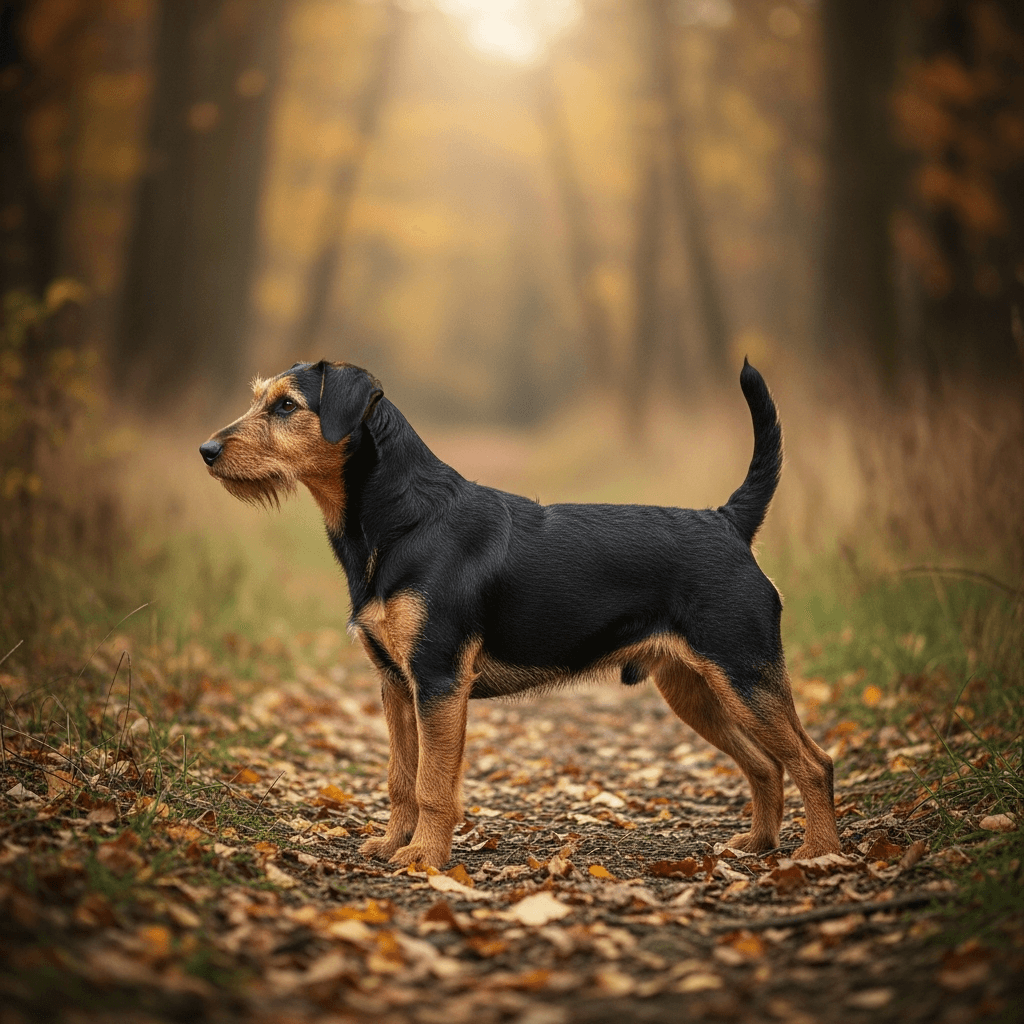
German hunting terrier
FCI Group
3• FCI 103
Size
Medium
Origin Country
DE
Height
33-40 cm
Weight
7.5-10 kg
Lifespan
14-16 years
Temperament
Overview
The German hunting terrier, also known as Deutscher Jagdterrier, is a fascinating breed that attracts the attention of hunters and dog lovers around the world. Brave and versatile, this hunting dog originates from Germany and was created with excellent hunting skills in mind.
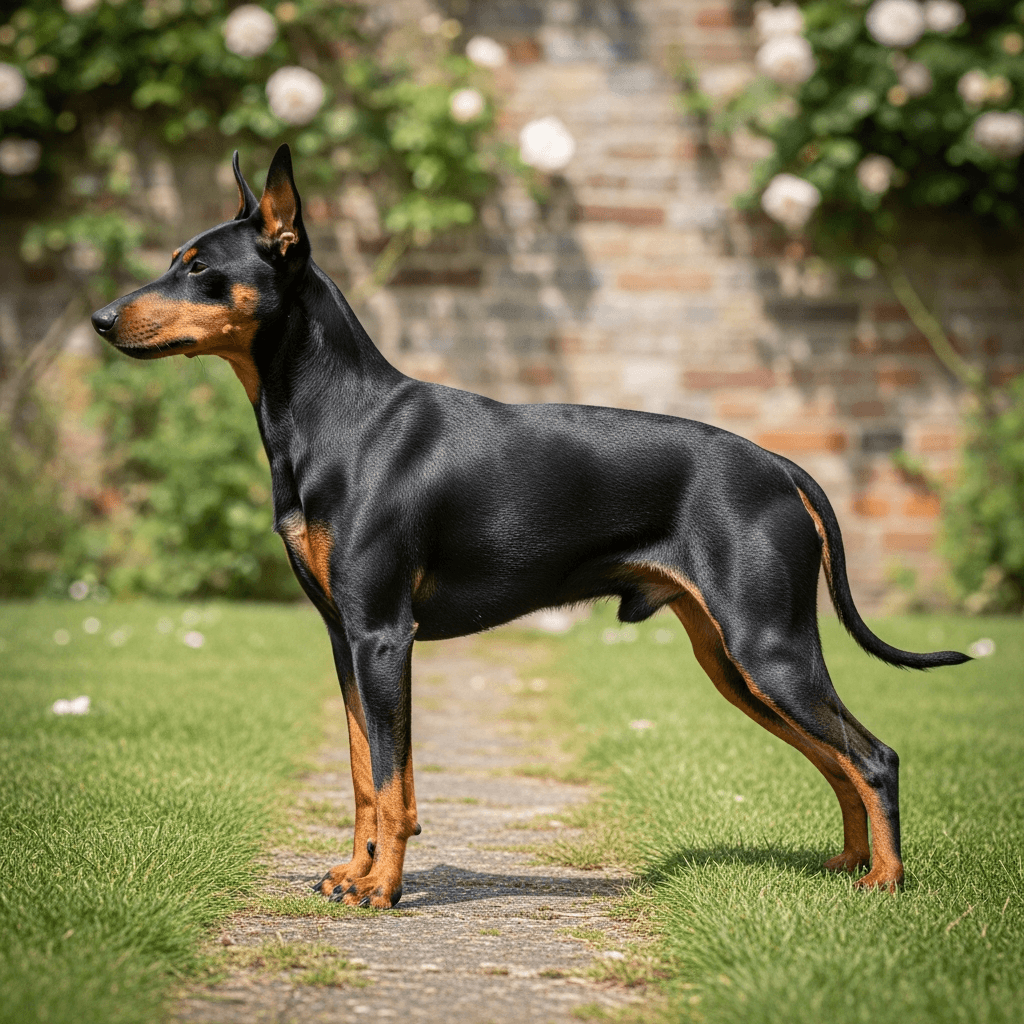
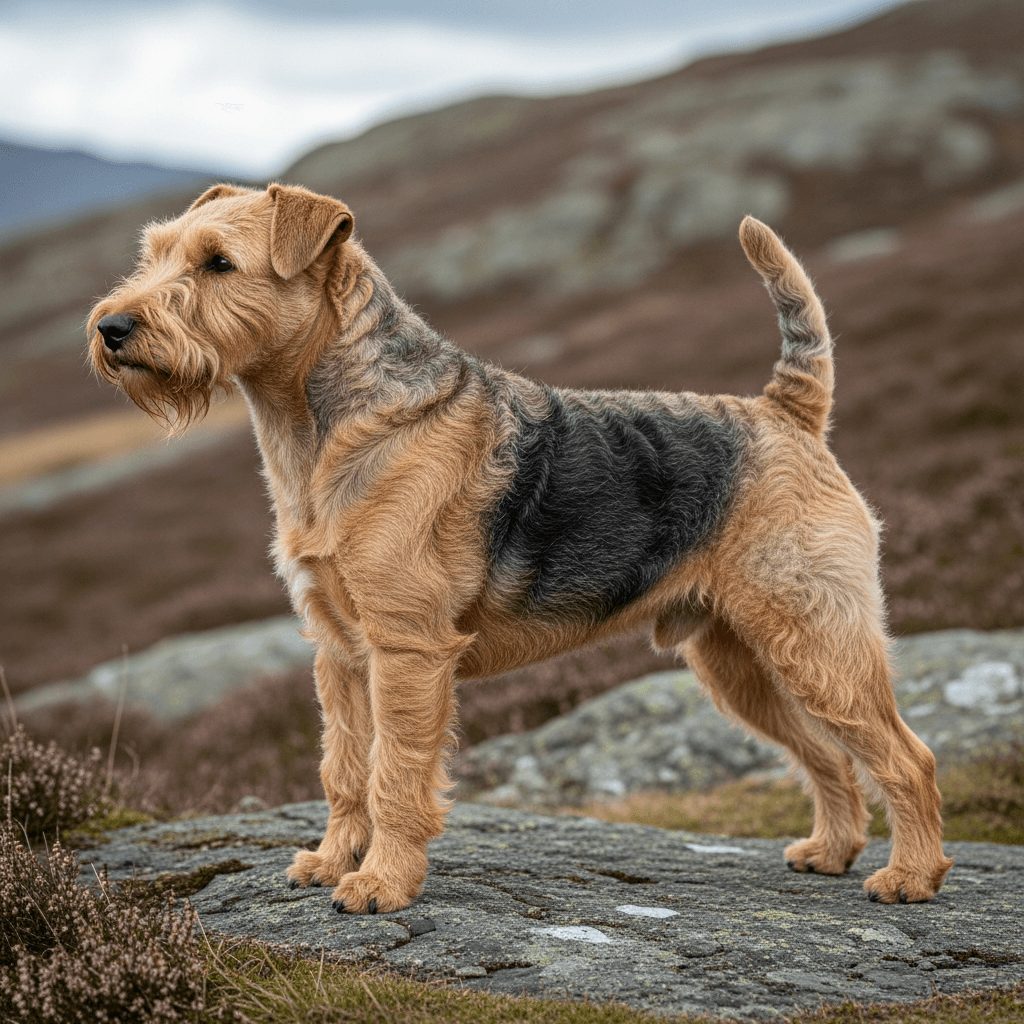
Through meticulous crossbreeding of various breeds, including the Welsh terrier and the old English rough-haired fox terrier, the German hunting terrier has gained incredible hunting instincts and unmatched determination in its work. Its compact, harmoniously built silhouette and distinctive black and tan coat make it easily recognizable in the field.
This dog stands out for its exceptional endurance and ability to work in the most challenging terrain and weather conditions, making it an ideal choice for hunters seeking a reliable companion in hunting wild game. The German hunting terrier is not only an excellent hunter but also a loyal companion who values closeness with its owner.
Its strong character and high intelligence make it both a challenge and a source of great satisfaction for experienced owners. This breed requires a special approach to training and early socialization, which is crucial for its harmonious development and proper utilization of its natural predispositions.
This breed of dog, although not prone to unwarranted aggression, surprises with its strong protective instinct and boundless loyalty to its family. The German hunting terrier excels as a vigilant guard, being wary of strangers while simultaneously showing deep affection to its family. It is a dog that requires a lot of activity and constant mental stimulation, making it ideal for those leading an active lifestyle.
In the following sections of this guide, you will discover detailed information about the health, grooming, exercise requirements, training, nutrition, history, appearance, and behavior of this extraordinary breed. The German hunting terrier is not only a combination of elegance and strength but also possesses a unique independence of character that makes it a favorite among hunting dog enthusiasts and active owners. With the right approach, this dog can become not only an excellent companion in hunting but also a loyal and devoted family member.
The German hunting terrier is a dog with a compact and harmonious body structure, characterized by an elegant, athletic silhouette. Height at the withers ranges from 33 to 40 cm, and weight oscillates between 7.5-10 kg, classifying it as a medium-sized dog, perfectly suited for work in the field.
The coat is dense and rough in the rough-haired variety or short and close-lying in the smooth-haired variety. The following coat color variations occur:
- Black with tan - the most common variant
- Gray-black with tan - a rarer variant
- Dark brown with tan - the least common
Distinct golden markings (tan) appear on the muzzle, above the eyes, on the chest, limbs, and under the tail.
The head is proportional to the body, with an elongated skull and a strong, well-developed muzzle. The jaws are strong with a correct scissor bite. The eyes are dark, small, and oval, giving the dog an intelligent and alert expression. The ears are semi-drooping, V-shaped, set high, which further emphasizes its alertness.
The neck is strong, muscular, and well-set, smoothly transitioning into a strong back. The chest is deep and well-arched, providing adequate space for the lungs - a key feature for a working dog. The limbs are strong, straight, and parallel, ending in compact paws with tough pads, ensuring excellent endurance and agility when working in challenging terrain.
The tail is well-set and carried high, traditionally docked (in countries where it is permitted) to about 2/3 of its length, giving the dog a neat, proportional appearance. The movement of the German hunting terrier is smooth, dynamic, and energetic, indicating excellent physical condition.
The German hunting terrier is a dog with a brave, self-confident, and independent character. It is a breed that is not afraid of challenges and excels in the most difficult situations, making it an ideal hunting dog with versatile applications.
Key character traits of the German hunting terrier:
- Courage and self-confidence - does not back down from an opponent
- Strong hunting instinct - innate passion for work
- Loyalty to family - deep attachment to the owner
- Distrust of strangers - excellent guarding qualities
- High intelligence - learns quickly but requires consistency
- Independence - can make decisions independently in the field
The German hunting terrier is very loyal to its family, but at the same time can be somewhat distrustful, even suspicious of strangers. Its natural alertness and strong defensive instinct make it a great guardian that will immediately warn of approaching intruders.
This breed is known for its exceptionally strong hunting instinct, which means it can be very prone to chasing small animals - cats, rabbits, rodents. For this reason, it requires proper training and socialization from a young age to learn to control its natural instincts and function in a home environment.
The German hunting terrier is a dog full of energy and passion, needing a huge amount of exercise and mental stimulation. It is not a breed for people who lead a calm, inactive lifestyle. It can be somewhat troublesome for owners who are unable to provide it with the necessary amount of physical and mental activity.
For this reason, the German hunting terrier will thrive best in active hunting or sports families that can provide it with the right amount of exercise, challenges, and regular work. Despite its independence, the German hunting terrier is also very sociable and enjoys spending time with people, especially during shared activities.
This breed is generally well tolerated by older children who can respect the dog's boundaries, but great caution should be exercised around small children. The dog can be too lively and energetic, accidentally knocking over or bumping into a small child during play. Proper upbringing, consistent training, and early socialization are absolutely crucial to ensure that the German hunting terrier becomes a well-socialized and obedient dog.
The German hunting terrier is a breed that enjoys generally very good health and an impressive lifespan, averaging from 13 to 15 years, and with proper care, even up to 16 years. This is the result of thoughtful breeding focused primarily on working traits and vitality.
However, like any breed, it can be prone to certain conditions characteristic of active dogs. The most common health issues include:
- Ophthalmic problems - lens luxation, which can lead to serious vision problems and requires prompt veterinary intervention
- Injuries during work - cuts, sprains, bruises associated with intense hunting activity
- Hip dysplasia - rare, but can occur in dogs excessively burdened at a young age
- Overweight - a problem in inactive dogs, leading to heart, joint, and diabetes issues
It is worth regularly monitoring the dog's weight, as being overweight can lead to serious health problems, including cardiovascular or joint issues. The German hunting terrier is an active dog, so it is important to provide it with adequate exercise, which will help maintain a healthy weight and overall excellent well-being.
Key preventive measures include:
- Regular veterinary visits - at least once every 6 months
- Complete vaccination program - protection against infectious diseases
- Worming - every 3 months, especially for working dogs
- Parasite prevention - protection against ticks and fleas
- Check-ups - blood tests, eye examinations for dogs over 7 years old
- Dental check-ups - prevention of tartar buildup and gum diseases
With proper veterinary care, a healthy and balanced diet, and regular physical activity, the German hunting terrier can enjoy a long, healthy, and active life, while being a devoted companion to its family for many years.
The care of the German hunting terrier is relatively simple and low-maintenance, requiring no specialized treatments or regular visits to a grooming salon. This breed has a rough, dense coat (wire-haired variety) or a short, close-lying coat (smooth-haired variety), which provides excellent protection against adverse weather conditions, making it ideal for outdoor work.
Basic grooming tasks include:
- Brushing the coat - at least once a week (more often during shedding season) using a stiff-bristled brush or a metal comb
- Cleaning the ears - weekly, especially after hunting or outdoor walks
- Checking and cleaning the teeth - 2-3 times a week to prevent tartar buildup
- Trimming the nails - every 3-4 weeks, if they do not wear down naturally
- Checking the paw pads - especially after working in the field, removing debris and checking for wounds
Regular brushing will help remove dead hair and minimize shedding, which is moderate in this breed. For the wire-haired variety, periodic hand-stripping (pulling out dead hair) is recommended, which helps maintain the proper coat structure and its protective properties.
The German hunting terrier does not require frequent bathing - only when necessary due to heavy soiling of the coat after working in the field. Too frequent bathing can weaken the skin's natural protective layer and lead to dermatological issues. When bathing, it is advisable to use gentle shampoos designed for dogs with rough coats.
It is important to regularly monitor the condition of the dog's skin to detect any potential issues, such as irritations, rashes, parasites, or allergies. Special attention should be paid to checking for ticks after every outdoor walk, as hunting dogs are particularly susceptible to their bites.
Proper, systematic grooming not only improves the dog's appearance but also contributes to its comfort, health, and well-being, as well as allowing for the early detection of any potential health problems.
The German hunting terrier is a breed that requires a very large amount of exercise and intense physical activity. These dogs are incredibly energetic and need regular, long walks and various games to meet their physical and mental needs.
Daily activity is absolutely crucial for their physical and mental well-being and to prevent behavioral problems that can arise from boredom and unused energy. A minimum of 60-90 minutes of intense activity per day is recommended, and ideally, this should include:
- Long walks - at least 2 times a day for 45-60 minutes
- Running or jogging - excellent activity for active owners
- Fetching - satisfies the hunting instinct
- Tracking - stimulates the sense of smell and intelligence
- Swimming - great conditioning exercise, especially in summer
- Fieldwork - hunting, training sessions
The German hunting terrier excels in various dog sports, such as:
- Agility - develops coordination and the bond with the owner
- Obedience - strengthens obedience and concentration
- Tracking - utilizes natural tracking abilities
- Flyball - excellent fun for energetic dogs
- Canicross - running with the dog in a harness
These activities not only allow for burning off excess energy but also and provide essential mental stimulation.
It is important to remember that this breed has a very strong hunting instinct, which means it may be highly inclined to chase after small animals - cats, squirrels, rabbits. Therefore, it is crucial to walk the dog on a strong leash in areas where it may encounter other animals, as well as to provide proper recall training to reinforce obedience in exciting situations.
Regularly engaging the German hunting terrier in various demanding activities is the absolute key to its happiness, mental and physical health. A dog deprived of exercise will become frustrated, destructive, and will release energy in undesirable ways - barking, destroying furniture, or escaping.
Training a German hunting terrier can be a real challenge, but with the right, consistent approach, it can also be extremely rewarding. These dogs are very intelligent, but they have a strong, independent character and can be stubborn, which makes training require experience, consistency, and a lot of patience.
Key principles of training a German hunting terrier:
- Early start - training should begin at 8-10 weeks of age
- Consistency - rules must be clear and unchanging
- Positive reinforcement - rewards, treats, praise
- Short sessions - 10-15 minutes to maintain focus
- Firmness without aggression - the dog must respect authority but not fear the owner
- Patience - the breed can be stubborn and needs time to learn commands
Starting at an early age, it is important to introduce basic commands and rules of coexistence to avoid developing bad habits. The German hunting terrier responds well to positive reinforcement, such as treats or enthusiastic praise, making training more effective and building positive associations.
Basic commands to teach:
- Sit - basic obedience command
- Stay - crucial for the dog's safety
- Come - the most important command for a dog with a strong hunting instinct
- Lie down - calming and control
- Leave it - preventing the picking up of dangerous objects
- Place - teaching rest in a designated spot
It is important to provide the dog with varied and interesting activities that will stimulate its mind, as boredom can lead to undesirable behaviors - destruction, excessive barking, or escaping. Training should be regular and include both indoor sessions and intensive outdoor exercises.
The German hunting terrier can also be trained in hunting work, allowing it to fully utilize its natural instincts and innate skills. Hunting work is for it the highest form of fulfillment and joy.
Specialized training may include:
- Working in a burrow - tracking a fox or badger in artificial burrows
- Tracking - learning to follow a blood trail
- Retrieving - bringing back game
- Flushing - flushing game from dense brush
- Water work - retrieving from water
Positive experiences with training can significantly contribute to building a strong, lasting bond between the dog and its owner, based on mutual respect and trust. A properly trained German hunting terrier becomes a reliable partner both in work and everyday life.
A proper, balanced diet is absolutely crucial for the health, physical condition, and well-being of the German hunting terrier. Dogs of this breed, due to their high level of activity and intense work, require high-energy foods that provide all the essential nutrients.
It is advisable to choose high-quality premium or super-premium dog foods that contain:
- High protein content - at least 25-30% (meat, poultry, fish)
- Healthy fats - 12-18% (omega-3 and omega-6 fatty acids)
- Complex carbohydrates - rice, oats, sweet potatoes
- Vitamins and minerals - a comprehensive blend for active dogs
- Glucosamine and chondroitin - support for joints
Typically, an adult German hunting terrier weighing around 9 kg should receive about 200-300 grams of dry food per day, divided into two meals (morning and evening) to avoid digestive issues and reduce the risk of gastric torsion.
Moreover, due to their very active lifestyle, it may be necessary to adjust the amount of food based on the dog's activity level:
- Dogs working intensively - increase portions by 20-30%
- Dogs in the reproductive period - adjust for increased needs
- Older, less active dogs - decrease portions by 10-20%
- Overweight dogs - weight-loss foods with lower calories
It is also important to avoid overeating, which can lead to obesity and, consequently, serious health problems - heart disease, diabetes, joint issues. Regular monitoring of the dog's weight (every 2-4 weeks) and adjusting its diet as needed is absolutely essential.
In addition to commercial food, it is worth incorporating into the diet:
- Fresh meat - chicken, beef, turkey (cooked, boneless)
- Fish - salmon, cod (cooked, boneless)
- Vegetables - carrots, broccoli, pumpkin (cooked or raw)
- Fruits - apples, pears, berries (in small amounts)
- Natural treats - dried meat, pig ears, chew bones
Products absolutely forbidden for dogs:
- Chocolate and cocoa - contain toxic theobromine
- Onions and garlic - destroy red blood cells
- Grapes and raisins - damage kidneys
- Avocado - contains toxic persin
- Chicken and fish bones - risk of choking and intestinal perforation
Remember to always provide your dog with access to fresh, clean water, especially after intense physical activity. Proper hydration is essential for the body's proper functioning, especially in active dogs. A water bowl should be available at all times and regularly changed.
When choosing a diet, it is advisable to consult with a veterinarian or pet nutritionist who can tailor an optimal feeding plan considering the dog's age, weight, activity level, and individual health needs.
Characteristic Traits
Pros
- Brave and versatile at work
- exceptionally resilient in tough conditions
- loyal and devoted to family
- perfect for active and experienced owners
- minimal grooming requirements
- long lifespan and good health.
Cons
- Requires an experienced and consistent owner
- Strong hunting instinct can be problematic
- May be too energetic for small children
- Requires a very large amount of physical and mental activity
- Distrustful of strangers
- Can be stubborn and independent.
Behavioral Ratings
Breed History
The history of the German hunting terrier dates back to shortly after World War I, when several committed, experienced hunters and cynologists decided to create a completely new breed of hunting dog with outstanding working traits, devoid of excessive emphasis on external appearance.
The main founders of the breed are:
- Rudolf Frieß - an experienced hunter and cynologist
- Walter Zangenberg - a hunting enthusiast and breeder
- Carl-Erich Grunewald - a cynologist and show judge
These gentlemen, dissatisfied with the excessive aestheticization of the fox terrier at the expense of its working properties, decided to join forces to breed a hunting dog with a workaholic character, which would possess the classic black and tan coat and unparalleled hunting abilities.
A key moment in the history of the breed was a fortunate coincidence. In 1923, the director of the Hagenbeck Zoo, Lutz Heck, gifted Walter Zangenberg four black and tan terriers, which were allegedly from a pure line of English fox terriers. These dogs - although their origin is still controversial today - became the foundation of the breeding of the German hunting terrier.
Later, Dr. Herbert Lackner joined the group of breeders, whose contribution to the development of the breed was invaluable. After many years of intensive breeding experiments and thoughtful crossbreeding with:
- Old English rough-haired fox terrier - to strengthen the coat
- Welsh terrier - to improve structure and temperament
- Smooth-haired fox terrier - to stabilize the coat color
The breeders succeeded in creating a established type of dog that was characterized not only by desirable physical traits but, above all, by excellent hunting skills, endurance, and versatility in work.
Throughout the entire process of creating the breed, breeders placed great emphasis on:
- Working traits - over 80% of breeding value
- Versatility - work above and below ground
- Character toughness - courage and determination
- Health and vitality - resistance to diseases
- Physical fitness - endurance and condition
In 1926, the Deutsche Jagdterrier-Club e.V. (German Hunting Terrier Club) was established, which continues to consistently work on improving the working traits of the breed, placing them decidedly above external appearance. The club introduced rigorous working tests that every breeding dog must pass before being allowed to reproduce.
Today, the German hunting terrier is valued not only for its outstanding hunting skills but also for its exceptional character, which combines courage, intelligence, independence, and boundless loyalty. This breed has gained recognition not only in Germany but also in many other European countries and on other continents, where it is used in various fields:
- Hunting - work above and below ground, tracking, flushing
- Rescue - searching for missing persons
- Cynological sport - agility, obedience, tracking
- Companion dog - for active, experienced owners
The German hunting terrier remains to this day one of the most versatile hunting breeds, valued for its unique combination of working traits, intelligence, and character. Its history is a perfect example of how thoughtful, consistent breeding focused on utility can create a breed with unmatched practical qualities.