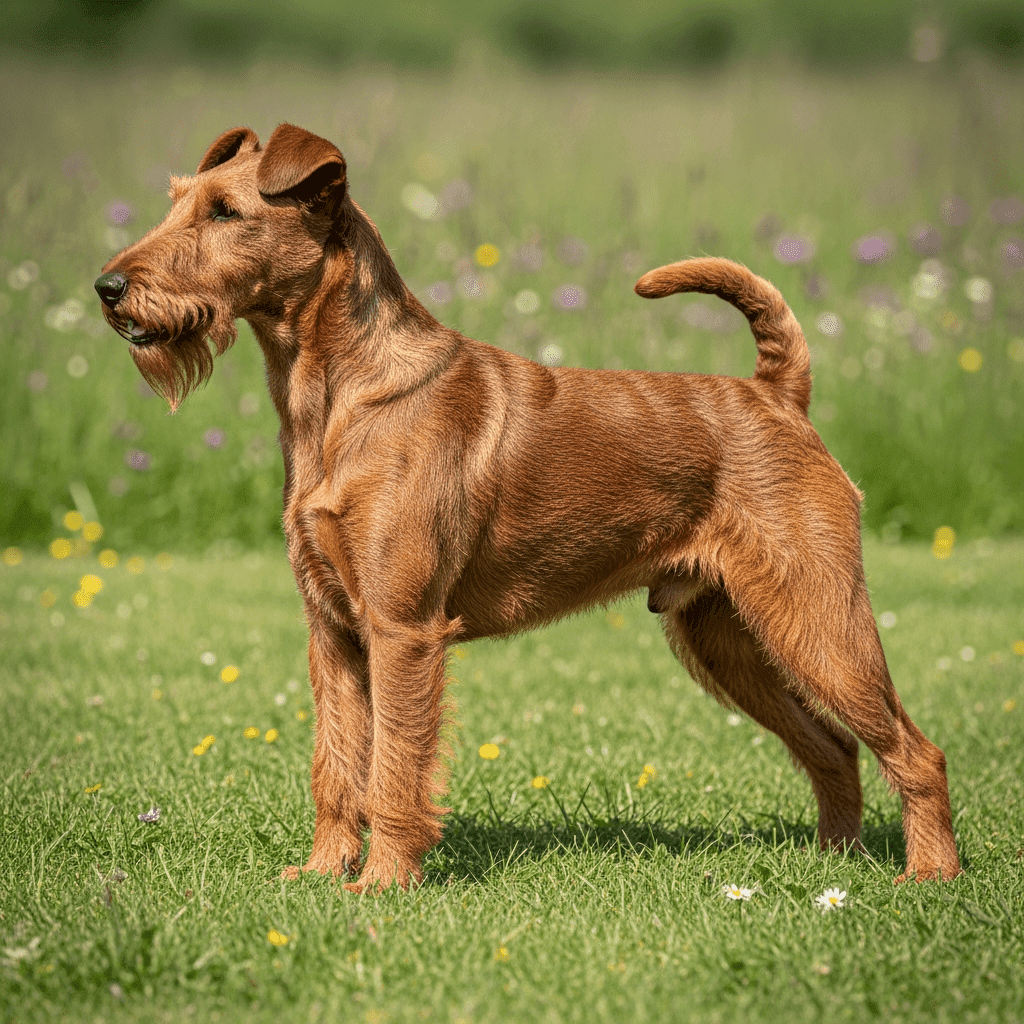
Irish Terrier
FCI Group
3• FCI 139
Size
Medium
Origin Country
IE
Height
45-45 cm
Weight
11.4-12.25 kg
Lifespan
13-15 years
Temperament
Overview
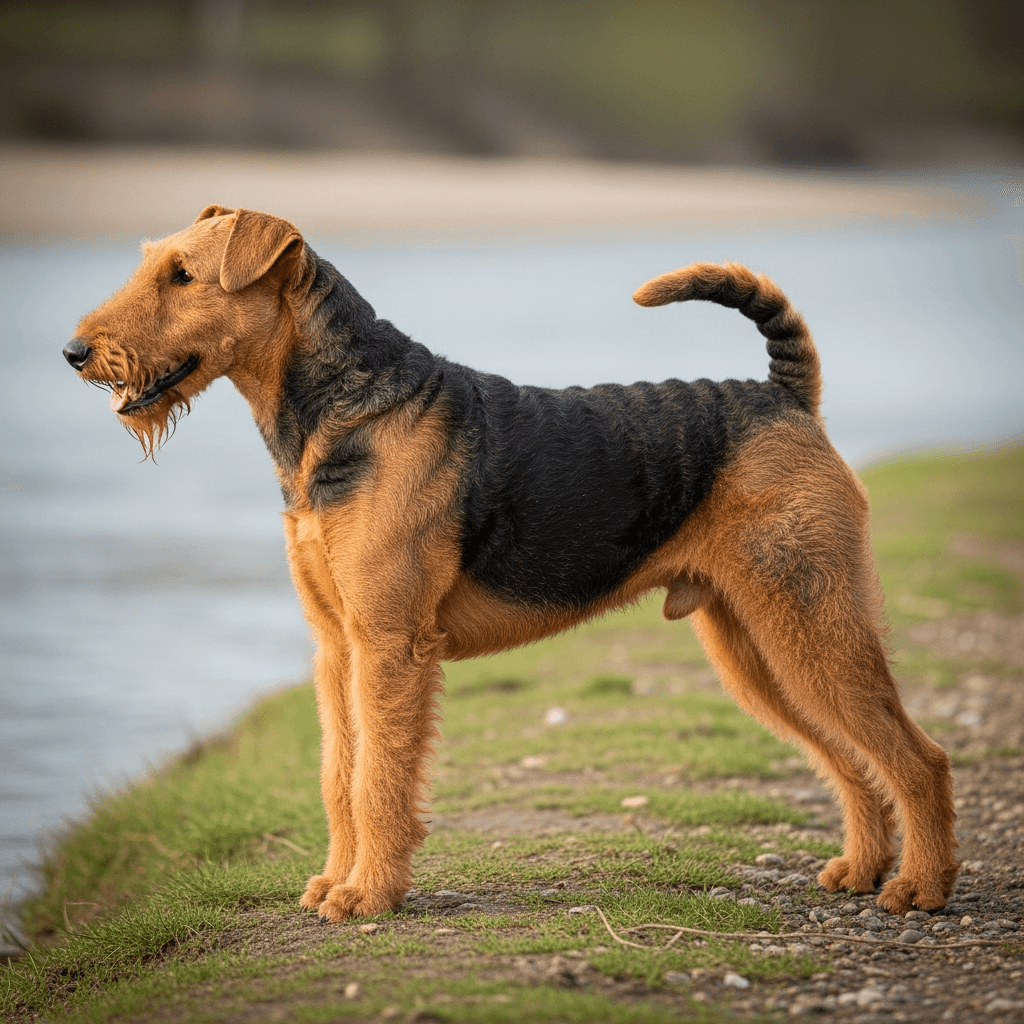
Irish Terrier is a unique breed of dog originating from picturesque Ireland, attracting attention with its elegance, courage, and distinctive character. Often referred to as the red devil, this dynamic dog combines beauty, strength, and vitality. Reaching a height of about 45 cm at the withers and weighing 11-12.25 kg, the Irish Terrier thrives in both urban and rural environments, provided it receives the right amount of activity.
The characteristic red, wheaten-red, or yellow-red coat with a dense, hard, wiry texture catches the eye and provides excellent protection against adverse weather conditions. The elegant appearance of the Irish Terrier is the result of well-defined muscles, a proportionate long head, and a harmonious silhouette that emanates strength and agility.
It's not just external beauty - the exceptional personality makes the Irish Terrier an unforgettable companion. Its liveliness, courage, and intelligence make it an ideal partner for active families and hunters. With strong hunting instincts, it loves to explore new terrains and spend time outdoors. It is known for its ease of learning and obedience, especially under the care of an experienced owner using positive training methods.
The Irish Terrier is also a great guard dog - alert, loyal, and devoted to its family. Its friendly disposition towards children makes it a wonderful family pet. The breed's history dates back to the late 19th century when it gained recognition in England and the United States. During World War I, it demonstrated courage and intelligence as a messenger in the trenches, solidifying its reputation as a fearless and reliable dog.
The Irish Terrier is a dog with a strong character that requires constant mental and physical stimulation. Proper activity ensures its health and well-being, preventing behavioral problems. Its versatility, devotion to family, and unique personality make it one of the most interesting choices for dog lovers seeking an energetic, loyal companion for life.
The appearance of the Irish Terrier is characterized by a strong, elegant, and harmonious silhouette, reflecting its active and lively lifestyle. Dogs of this breed have a well-built, muscular body with proportional dimensions that exude strength without losing an elegant look.
Characteristic morphological features:
- Head - long, without wrinkles, with a flat skull and barely visible stop
- Eyes - dark, small, full of life and intelligence
- Ears - V-shaped, well-set, hanging along the cheeks, emphasizing a distinctive character
- Jaws - strong, with a perfect scissor bite
- Neck - moderately long, gradually widening towards the shoulders
- Body - proportional, with a straight back and well-arched chest
- Tail - carried joyfully, but not curled over the back, usually docked to about three-quarters of its length
- Limbs - straight, muscular, providing agility and endurance
The coat of the Irish Terrier is dense, hard, and wiry, making it exceptionally resistant to adverse weather conditions. The coloration is solid and can occur in shades of red, wheaten, or yellow - with a preference for bright red. The height at the withers is about 45 cm, classifying them as medium-sized dogs.
The overall appearance of the Irish Terrier gives the impression of a active, agile, and energetic dog, making it an attractive companion for people leading a dynamic lifestyle. Its posture exudes confidence and readiness for action.
The Irish Terrier's behavior is full of energy, vitality, and courage, making them extremely active and social dogs. This breed is known for its deep loyalty to its family and special attachment to children, making it an ideal companion for active families.
Key temperament traits:
- Courage - fearless, does not back down from challenges
- Intelligence - quickly learns new commands and solves problems
- Loyalty - deep attachment to family and owner
- Alertness - excellent watchdog, not fearful of strangers
- Energetic - requires regular stimulation and activity
- Independence - can be stubborn, requires an experienced owner
The Irish Terrier is intelligent and eager to learn, but requires an owner who can apply positive training methods and consistent training. These dogs have a high motivation for play and are very active, which can lead to behavioral problems if they are not properly stimulated physically and mentally.
In relationships with other dogs, the Irish Terrier may exhibit dominance and territoriality, especially towards same-sex dogs. Early socialization is crucial for proper social development. With strangers, it is alert and may be vocal when an unfamiliar person appears, making it an excellent watchdog.
This breed is also known for its natural love of digging, which is a hunting instinct, so it is important to provide them with an appropriate place to play and explore. Overall, the Irish Terrier is a balanced dog that fits well into a family but requires constant attention, activity, and consistent upbringing.
The Irish Terrier is a breed generally known for its good health and resistance to many diseases. The average lifespan is 13-15 years, which is relatively long, indicating the durability of this breed.
Potential health issues:
- Hip dysplasia - a genetic condition; it is important to have the parents tested before breeding
- Cataracts - may occur in older dogs; regular eye examinations are recommended
- Hypothyroidism - requires regular hormonal testing
- Hyperkeratosis - excessive skin keratinization, especially of the paw pads
- Obesity - requires diet control and regular exercise
Health prevention is key to the longevity of the Irish Terrier. Owners should ensure:
- Regular physical activity to prevent obesity
- A balanced diet tailored to age and activity level
- Periodic veterinary visits (at least once every six months)
- Vaccinations and deworming according to schedule
- Monitoring the condition of ears, eyes, and teeth
Due to its origin from cooler regions, the Irish Terrier is naturally resistant to cold, but during the summer months, attention should be paid to signs of overheating. Proper coat care and access to shade and fresh water are essential on hot days.
Grooming an Irish Terrier is an essential element of caring for its health, appearance, and comfort. The characteristic dense, wiry coat requires regular attention to maintain its protective properties and aesthetic appearance.
Practical grooming tips:
- Brushing - at least once a week with a wire coat brush to remove dead hair and prevent matting
- Hand trimming - 2-3 times a year, professional hand removal of dead hair (not clipping with clippers, which damages the coat structure)
- Bathing - occasionally, only when absolutely necessary; too frequent washing can dry out the skin
- Paw care - regular trimming of hair between the toes to prevent matting
- Ears - weekly inspection and cleaning, especially important for dogs with floppy ears
- Eyes - daily wiping of the corners with a damp cotton ball
- Teeth - regular cleaning (ideally 2-3 times a week) to prevent tartar buildup
- Nails - trimming every 3-4 weeks or when they become too long
A professional groomer specializing in terrier breeds can assist with hand trimming, which is crucial for maintaining the proper structure and color of the coat. Clipping with clippers is not recommended, as it damages the wiry hair structure and can lead to color changes.
Regular grooming is not just about aesthetics - it’s also an excellent opportunity to check the dog's health, detect any skin issues, parasites, or changes that may require veterinary attention.
The Irish Terrier is a breed that requires a significant amount of exercise and stimulation both physically and mentally. Its energy, intelligence, and hunting instincts mean it needs regular activities to stay healthy, happy, and balanced.
Recommended forms of activity:
- Daily walks - at least 60-90 minutes a day, divided into 2-3 sessions
- Running and jogging - an excellent companion for active individuals
- Playtime in the garden - fetch, tug-of-war, chasing games
- Exploring areas - walks in the forest, in meadows, where it can sniff and explore the surroundings
- Canine sports - agility, frisbee, flyball, tracking
- Mental games - dog puzzles, hiding treats, learning tricks
- Swimming - if the dog enjoys water (under supervision)
The Irish Terrier needs a safe, fenced area where it can run and play freely. Its hunting instinct means it may chase small animals, so without proper training, it should not be let loose in unfenced areas.
Owners should remember:
- Unmet exercise needs can lead to behavioral problems - destructiveness, barking, digging
- Mental activity is just as important as physical - a bored dog is a problematic dog
- The Irish Terrier loves challenges and new experiences - varied activities are key
- Regular training and activities strengthen the bond between the dog and the owner
Training an Irish Terrier can be both rewarding and challenging. This intelligent breed is characterized by independence and sometimes stubbornness, which requires experience and consistency from the owner.
Effective training methods:
- Positive reinforcement - rewards (treats, toys, praise) are much more effective than punishment
- Consistency - all family members must use the same commands and rules
- Early socialization - from puppyhood, exposure to different people, dogs, and situations
- Short, frequent sessions - 5-10 minutes several times a day keeps interest
- Variety - diverse exercises and games prevent boredom
- Patience - the Irish Terrier can be stubborn, but consistency yields results
Key aspects of training:
- Basic commands - Sit, Lie down, Stay, Come, Leave it
- Barking control - important due to the breed's natural alertness
- Leash walking - the Irish Terrier can pull, requiring loose leash training
- Recall - crucial due to the chasing instinct
- Mental stimulation - puzzles, scent hiding, cognitive games
The Irish Terrier responds best to an owner who is confident, consistent, and fair. Harsh training methods or punishments can lead to stubbornness and behavioral issues. Training should be fun, engaging, and strengthen the bond between dog and human.
This breed excels in various canine disciplines and sports, which can be a great way to channel the energy and intelligence of the Irish Terrier.
The diet of the Irish Terrier should be well-balanced and tailored to its high level of activity, providing the appropriate amount of nutrients needed to maintain health, energy, and physical condition.
Nutritional recommendations:
- High-quality protein - a minimum of 25-30% for adult dogs; meat should be the first ingredient
- Healthy fats - 15-20%; omega-3 and omega-6 support coat, skin, and brain functions
- Carbohydrates - complex carbohydrates providing energy (brown rice, oats, sweet potatoes)
- Vitamins and minerals - complete food should contain all essential nutrients
- Portions - adjusted to age, weight, and activity level; usually 2 meals a day for adult dogs
Key feeding principles:
- Avoid overfeeding - the Irish Terrier tends to gain weight
- Regularly monitor weight and adjust portions as needed
- Ensure constant access to fresh water
- Treats should make up a maximum of 10% of daily caloric intake
- Avoid giving table scraps - many human foods are harmful to dogs
Products prohibited for Irish Terriers:
- Chocolate, coffee (theobromine, caffeine - toxic)
- Onions, garlic (damage to red blood cells)
- Grapes, raisins (kidney damage)
- Xylitol (artificial sweetener - deadly dangerous)
- Fatty scraps (pancreatitis)
Owners should regularly consult with a veterinarian to establish an optimal feeding plan, especially as the dog ages, when nutritional needs may change.
Characteristic Traits
Pros
- Versatile - an excellent hunter and family dog
- Exceptionally resilient to weather conditions
- Intelligent and easy to train with the right approach
- Friendly and patient with children
- An excellent guardian of the home
- Long average lifespan (13-15 years)
Cons
- Requires an experienced owner with a consistent approach
- Needs a significant amount of daily physical and mental activity
- May be too energetic for older individuals or low-activity families
- May show dominance towards other dogs
- Requires professional hand stripping.
Behavioral Ratings
Breed History
The history of the Irish Terrier dates back deep into the past of Ireland, where this breed was valued as early as the 19th century. It is believed that the Irish Terrier is one of the oldest terriers that originated on the Emerald Isle, although its exact origin remains a subject of debate due to limited historical records.
Previously, these dogs were versatile helpers for Irish farmers - used for hunting small animals such as foxes, badgers, and rodents, as well as serving as guardians of homes and farms. Their courage, intelligence, and versatility made them an invaluable part of rural life.
Before the 1880s, the coat color of Irish Terriers was not established - in addition to red, there were black-and-tan and brindle (striped) dogs. By the end of the 19th century, breeders made conscious efforts to breed a uniform red coat, which led to the characteristic appearance of the modern Irish Terrier in the 20th century.
The first breed club was founded in Dublin on March 31, 1879, which was an important step towards the official recognition and standardization of the breed. The Irish Terrier was the first representative of the terrier group recognized by the English Kennel Club, contributing to its growing popularity.
The breed quickly gained recognition in England and the United States, where it was enthusiastically received at dog shows. However, true fame came with its participation in World War I, when Irish Terriers were used as messengers in the terrifying noise and chaos of trench warfare. Their intelligence, courage, and reliability in extreme conditions solidified the breed's reputation as fearless and absolutely loyal dogs.
After the war, the Irish Terrier became popular as a companion and family dog, while still retaining its hunting roots. Today, the breed enjoys popularity worldwide, valued for its unique character, devotion to family, and versatility. Enthusiasts of this breed around the globe cherish its rich history and traditions, ensuring the preservation of the unique traits that have made the Irish Terrier one of the most distinctive dogs in the world.