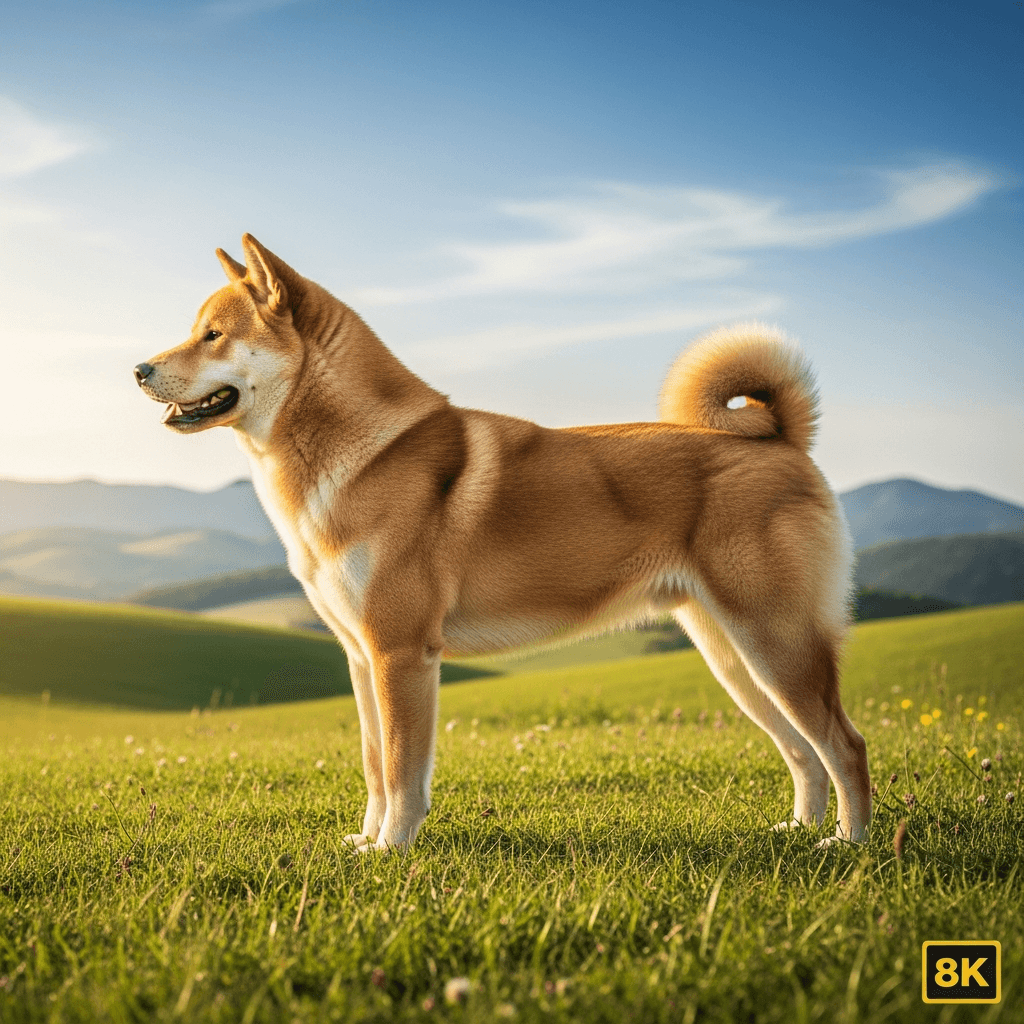
Korea Jindo Dog
FCI Group
5• FCI 334
Size
Medium
Origin Country
XX
Height
45-55 cm
Weight
15-23 kg
Lifespan
11-13 years
Temperament
Overview
Korea Jindo Dog is a breed of dog that certainly attracts the attention of every dog lover. Originating from the picturesque Jindo Island in southwestern Korea, this medium-sized hunting dog not only has a rich, centuries-old history but also holds immense cultural significance. Its status as a national treasure, declared in 1962, highlights its unique place in the hearts of the Korean people and reflects deeply rooted breeding traditions.
Jindo is renowned for its extraordinary loyalty and courage, making it not only an excellent companion for hunters but also an effective home guardian. This breed stands out for its exceptional intelligence and ability to navigate its surroundings, which has been proven in various situations – there are known cases of dogs that traveled hundreds of kilometers to return to their owners.
The characteristic appearance of the Jindo includes:
- A straight, triangular head with distinct features
- A strong, muscular neck
- A well-muscled, proportionate body
- Triangular, erect ears that give a vigilant expression
- A double coat with a dense undercoat that protects against various weather conditions
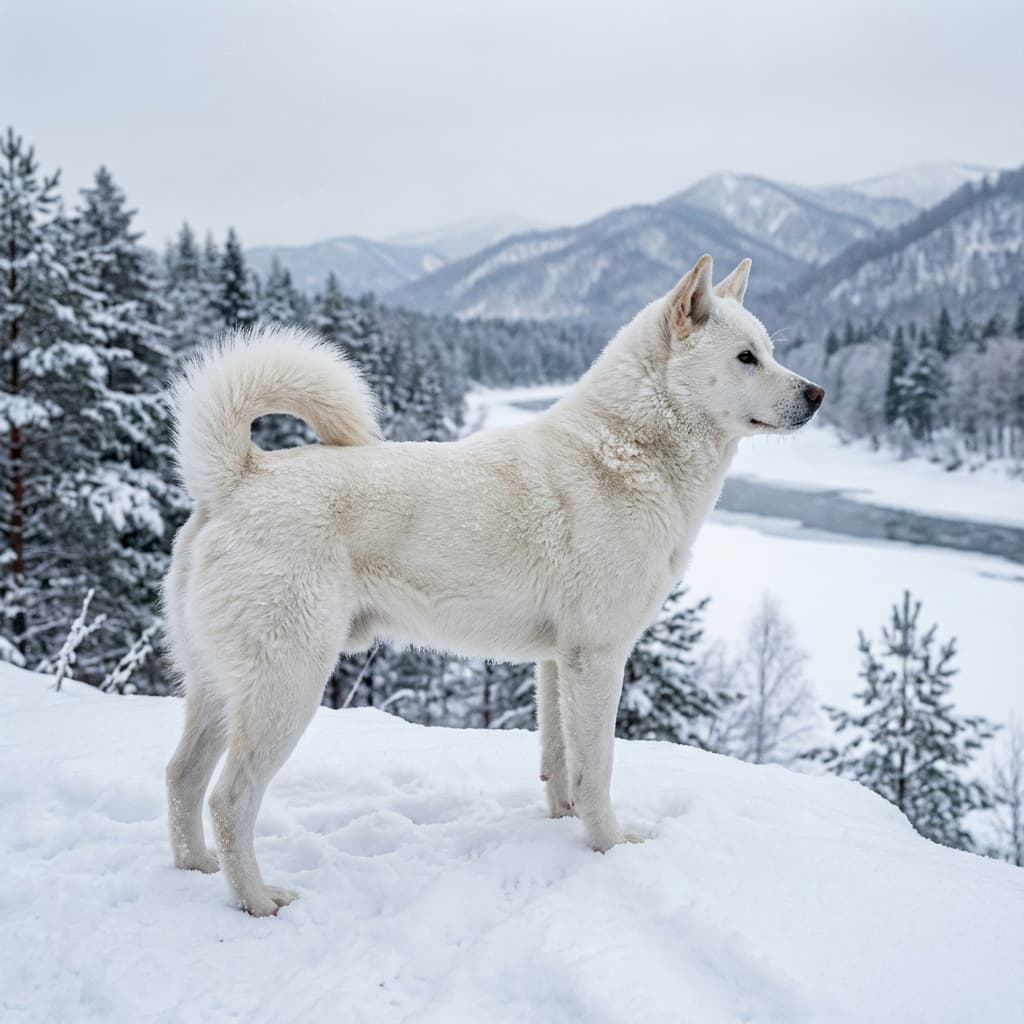
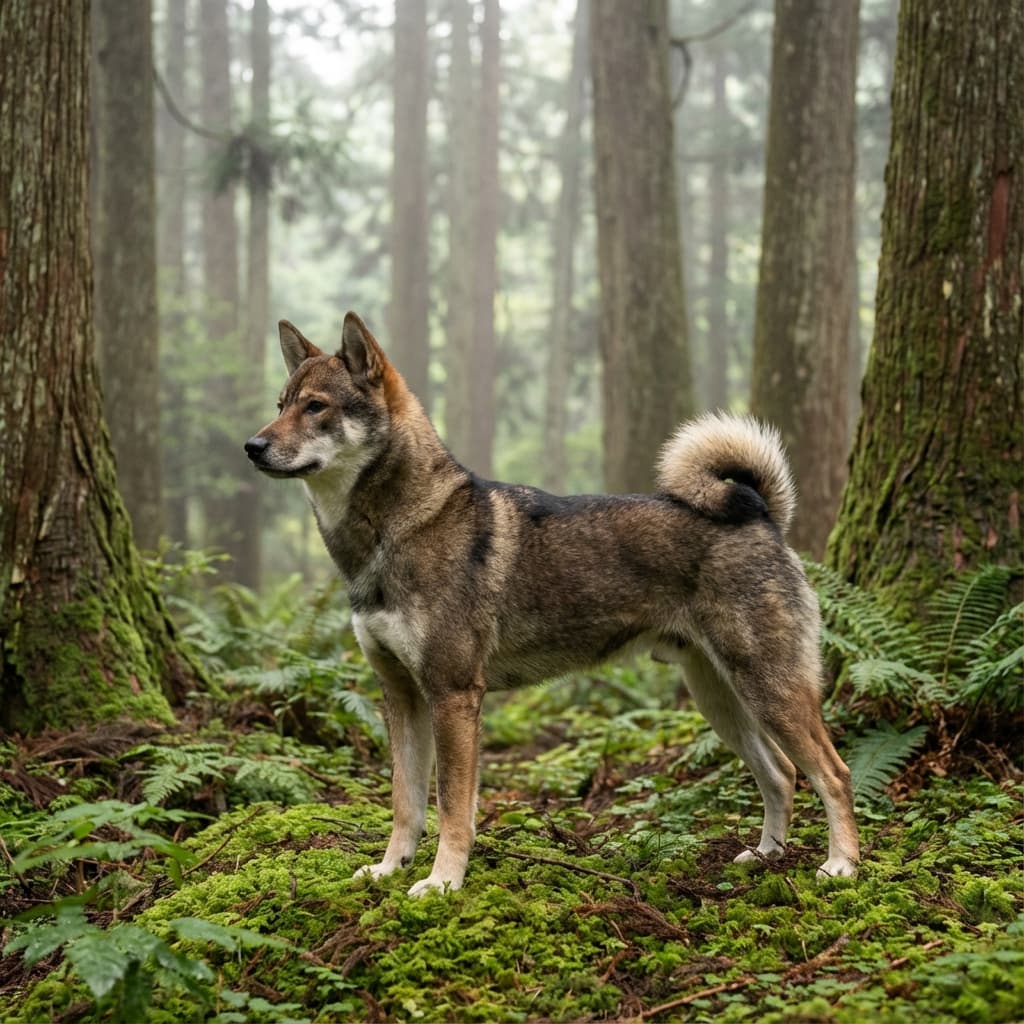
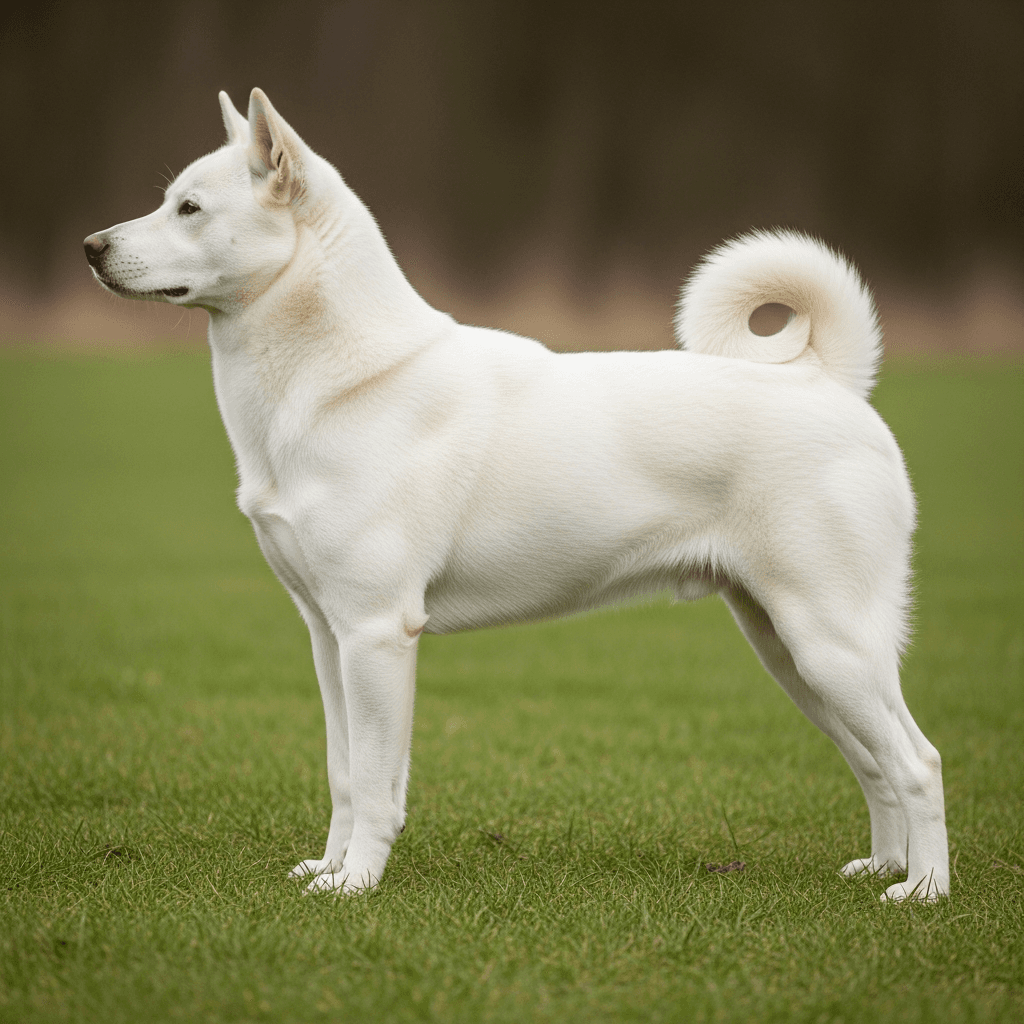
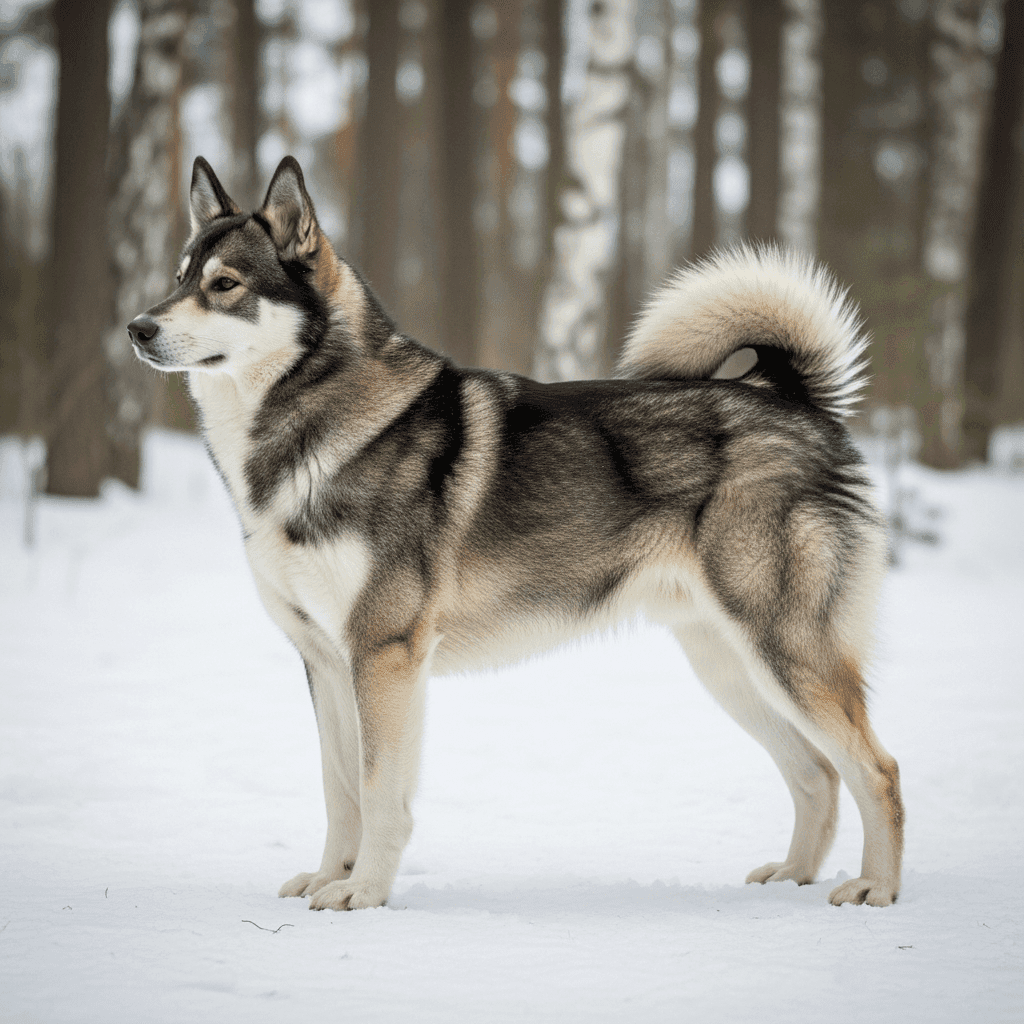
Regardless of the coat color – whether it is reddish-tawny, white, black, black and tan, or brindle – the Korea Jindo Dog always presents itself with the grace, elegance, and dignity befitting this ancient breed.
Owners of this breed often emphasize its extraordinary loyalty to one guardian, which makes the Jindo wary of strangers. This trait makes it a unique guardian, although it can pose challenges in everyday life, especially in terms of socialization. Nevertheless, proper training started from puppyhood and consistent socialization can work wonders, allowing the full potential of the dog to be realized.
This breed requires a lot of exercise and mental stimulation. Its strong hunting instinct is both an advantage and a challenge that requires consistency and patience from the owner. Jindo is a dog for experienced guardians who can provide appropriate leadership and sufficient physical and mental activity.
If you dream of owning a Korea Jindo Dog, it is worth preparing for an active lifestyle filled with adventures and shared challenges. The following guide will provide you with detailed information on health, grooming, training, and many other aspects that will help you fully understand and appreciate this fascinating, unique breed with a rich Korean tradition.
The Korea Jindo Dog is a medium-sized dog characterized by a harmonious and proportional body structure. The height at the withers ranges from 45 to 55 cm, with males typically being larger than females. The weight oscillates between 15-23 kg, making this breed compact yet strong and athletic.
Characteristic features of the structure:
- Head: It has a blunt triangular shape, proportional to the body, with a clearly defined stop between the forehead and the muzzle.
- Eyes: Dark, almond-shaped, with a lively and intelligent expression, indicating the dog's alertness and sharpness.
- Ears: Medium-sized, triangular, and always erect, giving the dog a distinctive, alert appearance.
- Neck: Strong, muscular, elegantly connecting to the shoulders.
- Body: Compact structure with a well-developed chest and a straight back.
- Tail: Set fairly high, it can be curled or sickle-shaped, with its tip touching the back or sides.
Coat and coloration:
The Jindo has a characteristic double coat consisting of a stiff, straight outer coat and a soft, dense undercoat. This coat structure provides excellent protection against cold, moisture, and other harsh weather conditions.
The breed comes in a variety of colors:
- Red-fawn (most commonly seen)
- White (highly valued in Korea)
- Black
- Black and tan
- Brindle
- Wolf-grey
Movement and posture:
The Jindo moves confidently, with grace and flexibility, highlighting its athletic physique and hunting heritage. Its gait is energetic, light, and efficient, indicating excellent physical condition. In posture, the Jindo emanates strength, alertness, and dignity, which, combined with harmonious proportions, makes it an extremely visually appealing companion with a distinctive, unique silhouette.
The Korea Jindo Dog is a breed with exceptional character traits, distinguished by a very strong hunting instinct combined with high intelligence. It is a dog with a complex personality that requires understanding and an appropriate approach from its owner.
Loyalty and bond with the owner:
The Jindo is known for its extraordinary loyalty to its owner, often forming a strong, exclusive bond with one chosen person. This deep bond makes the dog willing to protect its guardian at all costs. At the same time, the Jindo maintains a certain reserve and distrust towards strangers, making it an excellent guard dog, but it requires consistent socialization from a young age.
Relationships with other animals:
The Jindo is not very friendly towards other dogs, especially of the same sex, which can lead to conflicts and requires caution during walks. Its strong hunting instinct makes this breed potentially problematic around small household pets. Proper socialization from puppyhood can mitigate these tendencies, but owners should always remain vigilant.
Temperament and behavior at home:
- Independence: The Jindo is a self-sufficient dog that tolerates solitude better than most breeds, although it should not be left alone for too long.
- Calmness at home: It behaves moderately calmly at home but requires regular physical activity to avoid becoming destructive.
- Cleanliness: Known for its exceptional cleanliness, it is often compared to cats in this regard.
- Alertness: Always alert and attentive, it reacts to the slightest changes in its environment.
Intelligence and abilities:
This breed is characterized by high intelligence and an exceptional ability to navigate. There are known cases of Jindos traveling hundreds of kilometers to return to their owners. This extraordinary spatial navigation ability makes this breed unique, but it also requires special caution from owners – a well-secured fence is a necessity.
Requirements for the owner:
The Jindo is a dog for experienced owners who can provide consistent leadership, appropriate stimulation, and sufficient activity. It is not a breed for those looking for an easy-to-handle or particularly sociable dog. It requires understanding of its independent nature and respect for its boundaries – the Jindo does not like to be petted intrusively by strangers.
Despite its demanding character, with the right approach, the Korea Jindo Dog becomes an extremely devoted, trustworthy companion that offers unconditional loyalty and devotion in return for respect and understanding.
The Korea Jindo Dog is a generally healthy and resilient breed with few genetic health problems, which is one of its greatest advantages. The average lifespan is between 11 to 13 years, although with proper care and attention, some individuals live much longer.
Overall resilience:
Dogs of this breed are characterized by a strong body structure and good natural immunity, which contributes to their health and longevity. Due to centuries of natural selection on Jindo Island, the breed has developed resistance to many diseases and exhibits significant vitality.
Potential health problems:
Although the Jindo is a healthy breed, like any other, it can be prone to certain conditions:
- Hypothyroidism: One of the more common conditions that can affect metabolism, weight, and the overall condition of the dog
- Allergies: Some individuals may show food or skin allergies, requiring diagnosis and an appropriate diet
- Hip dysplasia: Although less common than in larger breeds, it can occur in some breeding lines
- Ophthalmic problems: Occasionally, eye conditions such as cataracts or retinal diseases may occur
Health prevention:
Owners should regularly have their dogs examined by a veterinarian to identify any potential health problems at an early stage. Annual check-ups and vaccinations according to schedule are recommended.
Tolerance to weather conditions:
- Cold: Thanks to its double coat, the Jindo tolerates cooler weather exceptionally well and can stay outside even on freezing days
- Heat: It is moderately sensitive to high temperatures. On hot days, it is important to provide a cool place to rest, access to fresh water, and to avoid intense exercise during the hottest hours
Physical condition and weight:
The Jindo does not have a natural tendency to become overweight, but owners should care for its diet and regular physical activity to keep it in optimal condition. Proper body weight is crucial for joint health and overall fitness.
Hygiene and prevention:
- Regular inspection of teeth and gums
- Ear checks, especially after walks in the field
- Nail checks and trimming as needed
- Skin observation under the thick coat
- Parasite prevention (ticks, fleas, worms)
With proper veterinary care, a healthy diet, and regular physical activity, the Korea Jindo Dog can enjoy a long, healthy, and active life alongside its owner.
The Korea Jindo Dog has a distinctive double coat that requires regular, though not overly complicated, grooming. The outer coat is stiff and straight, while the undercoat is soft and dense, providing excellent protection against various weather conditions.
Shedding and seasonal grooming:
Dogs of this breed shed heavily twice a year – in spring and autumn – during the shedding of the undercoat. During these periods, the Jindo requires special attention and more frequent brushing. Owners should be prepared for a significant amount of hair loss during the seasonal shedding, which can last from 2 to 4 weeks.
Regular brushing:
- Outside of shedding periods: It is recommended to brush 1-2 times a week to keep the coat in good condition and prevent tangling.
- During shedding periods: Daily brushing is necessary to effectively remove dead hair and speed up the shedding process.
- Tools: Brushes with metal pins and undercoat rakes work best for effectively combing through the dense coat.
Bathing:
The Jindo is a dog that naturally takes care of its cleanliness and is often compared to cats in this regard. Due to this trait, it should not be bathed too often to avoid stripping the skin and coat of natural oils:
- Bathing 3-4 times a year is usually sufficient.
- Additional baths only in case of actual need (dirt, unpleasant odor).
- Use gentle shampoos specifically designed for dogs.
- Thoroughly dry the coat after bathing, especially the undercoat.
General hygiene:
In addition to coat care, regular checks and attention to other aspects of hygiene are crucial:
- Ears: Regular inspection and cleaning of the ears (once a week), especially for dogs with erect ears, to prevent infections.
- Teeth: Brushing teeth 2-3 times a week will help maintain fresh breath and healthy gums, preventing tartar buildup.
- Nails: Check and trim nails every 3-4 weeks if they do not wear down naturally during activity.
- Eyes: Gently wipe the eyes with clean, damp gauze as needed.
Odor:
The Korea Jindo Dog does not have a tendency to unpleasant odors, which is an additional advantage of this breed. With regular grooming and proper oral hygiene, the Jindo remains a fresh and clean companion.
Practical tips:
- Start getting your dog accustomed to grooming from a puppy age.
- Brushing can be a great opportunity to strengthen the bond with your dog.
- During grooming, check the skin under the coat for any changes, parasites, or irritations.
- Increase the frequency of vacuuming at home during shedding periods.
In summary, grooming the Korea Jindo Dog is relatively simple and not very time-consuming outside of intense shedding periods. A regular grooming routine will help keep the dog in excellent condition and looking great all year round.
The Korea Jindo Dog is a dog with a high energy level and significant exercise needs, requiring regular and intense physical activity as well as mental stimulation. This breed is very active and needs an owner who leads an equally active lifestyle.
Minimum exercise requirements:
- At least 60-90 minutes of vigorous exercise daily
- At least two walks a day, with one being longer and more intense
- Additional activities beyond walks to fully satisfy physical and mental needs
Types of activities:
Jindo loves being outdoors and excels in various forms of activity:
- Running: An ideal companion for jogging or trail running, thanks to its endurance and agility
- Hiking and trekking: Loves long trips into the wilderness, exploring new trails and environments
- Fetching: Although not a typical retriever, it can learn to enjoy fetching games
- Agility and canine sports: Well-suited for agility, rally obedience, and other disciplines requiring agility and intelligence
- Games engaging hunting instincts: Tracking scents, scent games, searching for hidden objects
- Swimming: Some individuals enjoy water, although it is not their natural predisposition
Mental stimulation:
Just as important as physical activity is mental stimulation. Jindo is an intelligent dog that needs intellectual challenges:
- Educational games and puzzles for dogs
- Learning new commands and tricks
- Obedience training and canine sports
- Scent games and tracking
- Rotation of toys to maintain interest
Precautions:
Due to its strong hunting instinct and tendency towards independence, special caution should be exercised when engaging with a Jindo:
- Walks always on a leash in non-fenced areas – Jindo may chase after wildlife
- Safe, high fencing in the garden (minimum 1.8 m) – a breed known for its ability to jump obstacles
- Prevention of escape – exceptional navigation skills may encourage the dog to wander
- Caution when interacting with other dogs during walks
Consequences of insufficient activity:
Lack of adequate exercise and stimulation can lead to:
- Destructive behavior at home (destroying furniture, digging)
- Excessive barking
- Behavioral problems and aggression
- Frustration and anxiety
- Escape attempts
Ideal environment:
The Korea Jindo Dog thrives best in homes with a garden, where it can move freely. It is ideally suited for families leading an active lifestyle, enjoying trips to natural areas, mountain hikes, or long walks. This breed is not suitable for residents of small apartments or those with a sedentary lifestyle.
Benefits of regular activity:
- Maintaining a healthy body weight and excellent physical condition
- Strengthening the bond between dog and owner
- A channel for natural energy and instincts
- Better behavior at home
- Mental health and emotional balance
In summary, the Korea Jindo Dog requires a dedicated owner who will provide daily, varied physical and mental activity. In return, it will offer an energetic, resilient companion for all outdoor activities.
Training a Korea Jindo Dog can be a challenge even for experienced owners due to its independent nature, strong hunting instinct, and a certain degree of stubbornness. At the same time, the high intelligence of this breed means that with the right approach, a Jindo can achieve excellent training results.
Basic training principles:
- Consistency: The most important rule – the rules must be followed at all times by all family members
- Patience: Jindo needs time to understand and accept the rules; training cannot be rushed
- Positive reinforcement: Reward-based methods (treats, praise, play) yield the best results
- Short sessions: 10-15 minute training sessions, several times a day, are more effective than long, exhausting exercises
- Variety: Jindo quickly gets bored with routine – introduce variety and new challenges
Early socialization (key!):
Due to their natural distrust of strangers and tendency towards territorial behavior, early and intensive socialization is absolutely crucial:
- Start socialization from 8 weeks of age
- Gradually introduce the puppy to different people, animals, sounds, and environments
- Enroll in a puppy kindergarten under the guidance of an experienced trainer
- Positive experiences at a young age will prevent behavioral problems in the future
- Continue socialization throughout the dog's life
Basic obedience:
Training basic commands is essential for the safety of a dog with such a strong hunting instinct:
- Recall (Here/Come): The most important command – it can save the dog's life
- Sit and Stay: Basic control commands
- Lie down: Helpful in calming the dog
- Leave it: Crucial for a dog with a strong hunting instinct
- Loose leash walking: Requires consistent training
Training challenges:
- Independence: Jindo may act independently and not always see the point in following commands
- Selective listening: May ignore commands if deemed irrelevant
- Stubbornness: Requires an owner who can be firm without aggression
- Boredom with repetition: Needs variety in training
- Distance from unfamiliar trainers: May not want to cooperate with people outside their circle of trust
Training methods:
Owners should use only positive training methods that focus on rewarding desired behaviors:
- Food rewards (use high-value treats)
- Verbal praise expressed with enthusiasm
- Play as a reward (when the dog is motivated by a toy)
- Clicker training can be very effective
- Avoid physical punishment and yelling – they will destroy trust and the bond
Advanced training and sports:
Once the basics are mastered, Jindo can participate in advanced activities:
- Agility: Perfectly utilizes their agility and intelligence
- Rally obedience: Combines obedience with movement
- Nosework: Ideal for a breed with an excellent sense of smell
- Mantrailing: Tracking human scents
- Trekking and canicross: Sporty forms of activity
Guard training:
The natural guarding instinct of the Jindo does not require special training, but it does require control:
- Teach the dog to recognize acceptable alarm situations
- The command Quiet should be taught early
- Do not encourage excessive barking or territorial aggression
Tips for owners:
- Start training from puppyhood – the earlier, the better
- Be a leader, but without dominance – Jindo respects consistent, fair leadership
- Don't give up – breakthroughs in training may come after weeks of consistent work
- Consider working with a trainer experienced in primitive or independent breeds
- Training is a lifelong process, not a one-time achievement
A breed for experienced owners:
The Korea Jindo Dog is not a breed for novice dog owners. It requires someone who:
- Has experience with independent, primitive breeds
- Can provide consistent but fair leadership
- Is patient and persistent in long-term training
- Understands the natural instincts and needs of the breed
- Has time for daily work with the dog
In summary, training a Korea Jindo Dog is a long-term endeavor requiring commitment, but with the right approach, one can raise a well-trained, obedient (within the character of the breed) and socially acceptable dog that will be a trustworthy companion.
The Korea Jindo Dog has moderate nutritional needs, but due to its physical activity and specific metabolism, it requires a high-quality diet tailored to its needs. Proper nutrition is crucial for maintaining the health, condition, and longevity of this breed.
Basic nutrition guidelines:
- High-quality food: The food should contain high-quality animal protein as the main ingredient
- Balanced diet: Appropriate proportions of protein, fats, carbohydrates, as well as vitamins and minerals
- Adjustment to activity: The amount of food should be adjusted to the dog's activity level
- Fresh water: Constant access to clean, fresh water is absolutely essential
Nutrients:
Protein:
- The most important component of the diet for maintaining healthy muscle mass
- Recommended content: 22-28% in food for adult dogs
- Sources: chicken, turkey, beef, fish, lamb
- Avoid foods with unspecified protein sources or excessive amounts of plant products
Fats:
- Source of energy and essential fatty acids (omega-3 and omega-6)
- Recommended content: 12-18%
- Support healthy skin and a shiny coat
Carbohydrates:
- Source of energy, but in moderate amounts
- Best sources: sweet potatoes, brown rice, oats
- Avoid foods with excessive grains and fillers
Vitamins and minerals:
- Essential for the proper functioning of the body
- Should be naturally present in well-balanced food
- Supplementation only under veterinary supervision
Feeding schedule:
- Puppies (2-6 months): 3-4 meals a day
- Young dogs (6-12 months): 2-3 meals a day
- Adult dogs (over 12 months): 2 meals a day (morning and evening)
- Senior dogs (over 7 years): 2 meals a day, possible adjustment of food composition to meet senior needs
Amount of food:
The exact amount depends on:
- The dog's age
- Level of physical activity
- Individual metabolism
- Type of food (dry, wet, homemade diet)
General guidelines for an adult, active Jindo (weight 15-23 kg):
- Dry food: about 250-400g per day (divided into 2 meals)
- Always check the manufacturer's recommendations and consult with a veterinarian
Types of diet:
Dry food (kibble):
- Convenient, economical, helps clean teeth
- Choose premium or super-premium foods without artificial additives
Wet food:
- Higher water content, tastier for picky dogs
- Can be mixed with dry food
Homemade diet:
- Requires careful balancing of ingredients
- Consultation with a veterinary nutritionist is essential
- Time-consuming, but gives full control over the composition
B.A.R.F. diet (raw meat and bones):
- Some owners choose a raw diet
- Requires in-depth knowledge and caution
- Consultation with a veterinarian is crucial
Monitoring body weight:
The Jindo does not have a natural tendency to gain weight, but owners should regularly monitor its body weight:
- Check body weight once a month
- Ribs should be felt under a thin layer of fat
- Visible waist when viewed from above
- Abdomen outline tucked when viewed from the side
- Adjust the amount of food if the dog is gaining or losing weight
Prohibited products:
Never feed Jindo:
- Chocolate and cocoa
- Grapes and raisins
- Onions and garlic
- Avocado
- Xylitol (sweetener)
- Alcohol
- Poultry bones (they can splinter)
- Excess salty, fatty, or spicy foods
Treats and rewards:
- Treats should make up a maximum of 10% of daily caloric intake
- Use healthy options: dried meat, vegetables (carrots, broccoli)
- Include calories from treats when calculating daily portions
Special dietary needs:
In case of:
- Food allergies: Elimination diet under veterinary supervision
- Digestive issues: Easily digestible, high-quality food
- Hypothyroidism: Adjusted diet supporting metabolism
Practical tips:
- Feed the dog in a quiet place, away from distractions
- Remove leftover food after 15-20 minutes
- Do not feed immediately before or after intense exercise (risk of stomach torsion)
- Introduce dietary changes gradually over 7-10 days
- Regularly consult the diet with a veterinarian
Water:
- Always provide constant access to fresh, clean water
- Change the water daily
- Wash the bowl regularly
- Increase access to water on hot days and after activity
In summary, a properly balanced, high-quality diet tailored to the activity level and individual needs is the foundation of health and long life for the Korea Jindo Dog. It is worth investing in good food and regularly consulting with a veterinarian to ensure the dog remains in optimal condition throughout its life.
Characteristic Traits
Pros
- Exceptionally loyal and devoted to the owner
- Brave and vigilant guardian
- High intelligence and navigational abilities
- Easy to care for
- Healthy breed with minimal genetic issues.
Cons
- Requires intensive training and an experienced owner
- Distrustful of strangers and other dogs
- Needs a lot of exercise and stimulation
- Strong hunting instinct requires control
- Independent and can be stubborn.
Behavioral Ratings
Breed History
The history of the Korea Jindo Dog is a fascinating tale of survival and loyalty that dates back hundreds, if not thousands, of years. This breed originated on the picturesque Jindo Island, located off the southwestern coast of the Korean Peninsula, where it developed in isolation from other dog populations for centuries.
Ancient beginnings:
Although there are no written documents confirming the exact origin of the breed, many experts agree that the Korea Jindo Dog has existed on Jindo Island for several thousand years. The main accepted theory suggests that the Jindo is an indigenous breed of Korea that evolved and was preserved in its pure form due to communication difficulties and the geographical isolation of the island in ancient times.
Alternative theories suggest that the ancestors of the Jindo may have arrived on the island with:
- Mongols during the invasion in the 13th century
- Chinese merchants engaged in maritime trade
- Korean hunters who settled on the island
However, the lack of convincing evidence means that the theory of indigenous Korean origin remains the most accepted by researchers.
Function and significance:
For centuries, the Korea Jindo Dog served the island's inhabitants as:
- Hunting dog: Used for hunting wild animals such as deer, boars, and other game
- Guard dog: Protected farms from intruders and predators
- Family companion: Formed strong bonds with owners, becoming an integral part of Korean families
The Jindo gained immense recognition in Korea for its extraordinary loyalty, courage, and exceptional hunting skills. Legends tell of dogs of this breed traveling hundreds of kilometers to return to their owners.
National treasure status:
In 1962, the Korea Jindo Dog was honored with the title of national treasure of Korea (Korean Natural Monument #53), making this breed one of the national symbols of the country. This unique status:
- Provided legal protection for the breed
- Introduced regulations regarding breeding and export
- Contributed to the promotion of the breed domestically and internationally
- Emphasized the cultural and historical significance of the Jindo for Korea
For many years, the export of Jindo from Korea was strictly controlled or completely banned to protect the purity and integrity of the breed. Only in recent decades has the Korean government relaxed some regulations, allowing the breed to spread beyond the country's borders.
Contemporary popularity:
In recent decades, the Korea Jindo Dog has gained international popularity:
- United States: The first Jindos arrived in the USA in the 1980s, where they gained recognition among enthusiasts of primitive breeds
- Europe: Small populations appeared in countries such as France, Germany, and the United Kingdom
- Asia: Outside Korea, the breed gained popularity in Japan and Taiwan
Unforgettable stories:
One of the most recognizable stories that drew international attention to the breed in 1993 was the tale of a Jindo that traveled 300 kilometers (about 180 miles) to return to its owner after being sold to a new home. This extraordinary journey, which lasted several months, became a symbol of the incredible loyalty and navigational abilities of this breed, attracting media attention worldwide.
Recognition by kennel organizations:
- FCI (Fédération Cynologique Internationale): The breed was officially recognized in 2005, receiving standard number 334 in group 5 (Spitz and primitive breeds), section 5 (Asian spitz and related breeds)
- United Kennel Club (UKC): Recognized the breed in 1998
- American Kennel Club (AKC): The Jindo has been in the Foundation Stock Service since 2008, as a step towards full recognition
Conservation and breeding:
In Korea, there are strict breeding programs aimed at preserving the purity of the breed:
- Official breeding registries maintained by the government
- Annual Jindo dog shows and competitions
- Research institutes dedicated to preserving the genetic heritage of the breed
- A museum dedicated to the history of the Jindo on the island
Contemporary challenges:
Despite its status as a protected national treasure, the breed faces some challenges:
- Modernization of Korean society and a decrease in the population of working dogs
- The need to educate international owners about the specific needs of the breed
- Quality control of breeding outside Korea
- Preservation of genetic line purity
Cultural heritage:
The Korea Jindo Dog is more than just a dog breed – it is a living symbol of Korean culture and tradition. In Korea, these dogs are the subject of:
- Songs and folk tales
- Works of art and sculptures
- Festivals and cultural events
- Television programs and documentaries
The annual Jindo Festival held on the island attracts thousands of dog lovers from around the world, celebrating this unique breed and its historical significance.
The future of the breed:
The Korea Jindo Dog continues its journey as one of the most respected and protected dog breeds in the world. Thanks to the commitment of the Korean government, breeders, and international enthusiasts, the future of this ancient breed seems secure, allowing future generations to experience the exceptional loyalty, intelligence, and character of these remarkable dogs.
The history of the Korea Jindo Dog is a testament to survival, adaptation, and the unbreakable bond between humans and dogs that has endured for thousands of years and remains strong to this day.