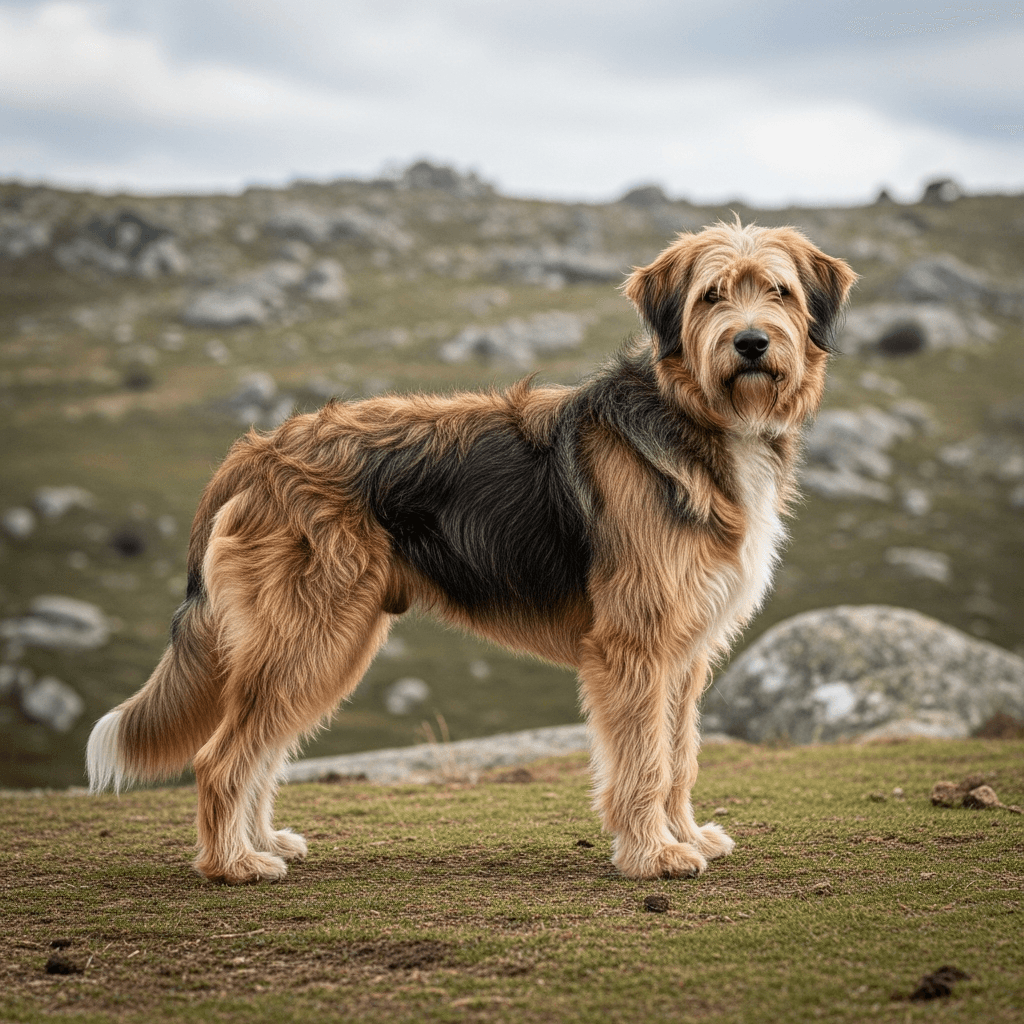
Portuguese Shepherd
FCI Group
1• FCI 93
Size
Large
Origin Country
PT
Height
42-55 cm
Weight
17-27 kg
Lifespan
10-12 years
Temperament
Overview
The Portuguese Shepherd, also known as Cão da Serra de Aires, is a fascinating dog breed from Portugal, originating from the picturesque Serra de Aires mountains. These medium-sized dogs are highly valued for their exceptional herding skills – they can easily herd and guard a variety of livestock, including sheep, cattle, horses, goats, and pigs. Their versatility and intelligence make them invaluable helpers to Portuguese farmers for generations.
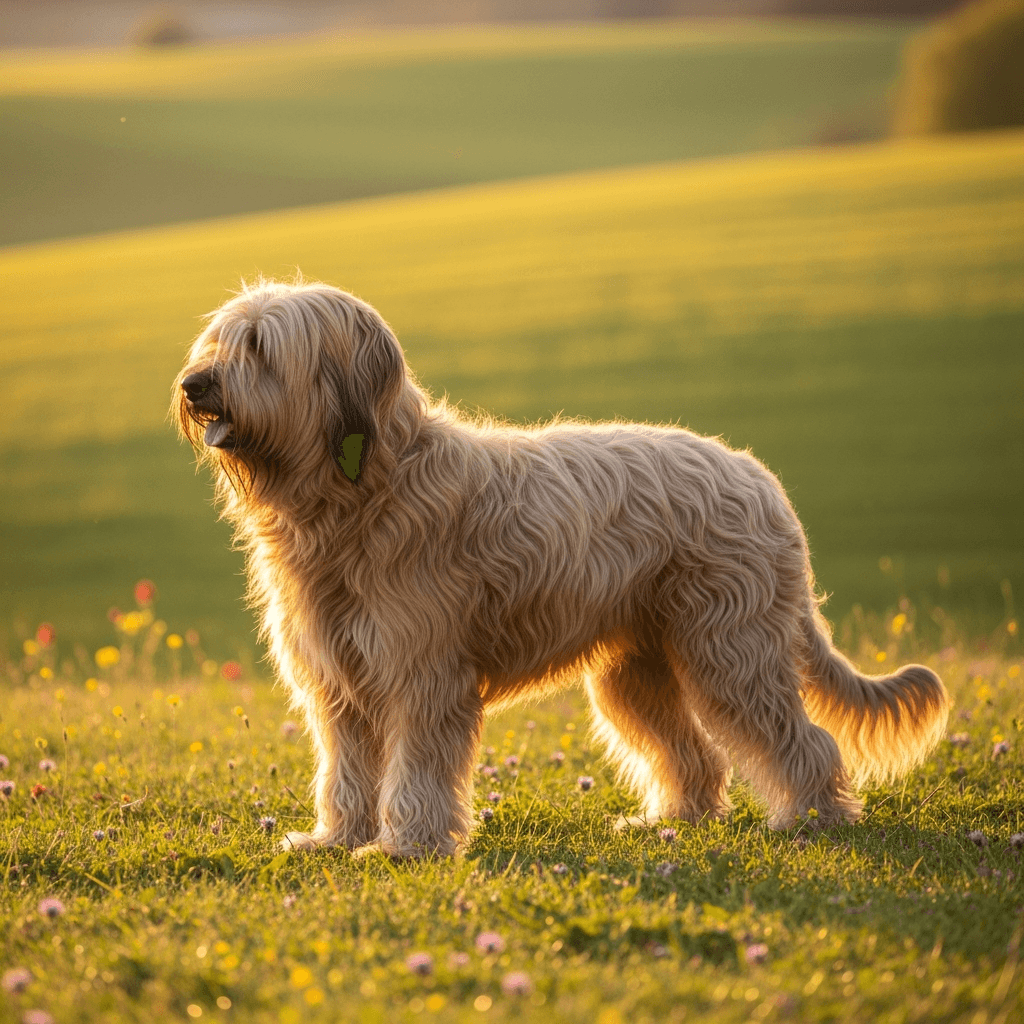
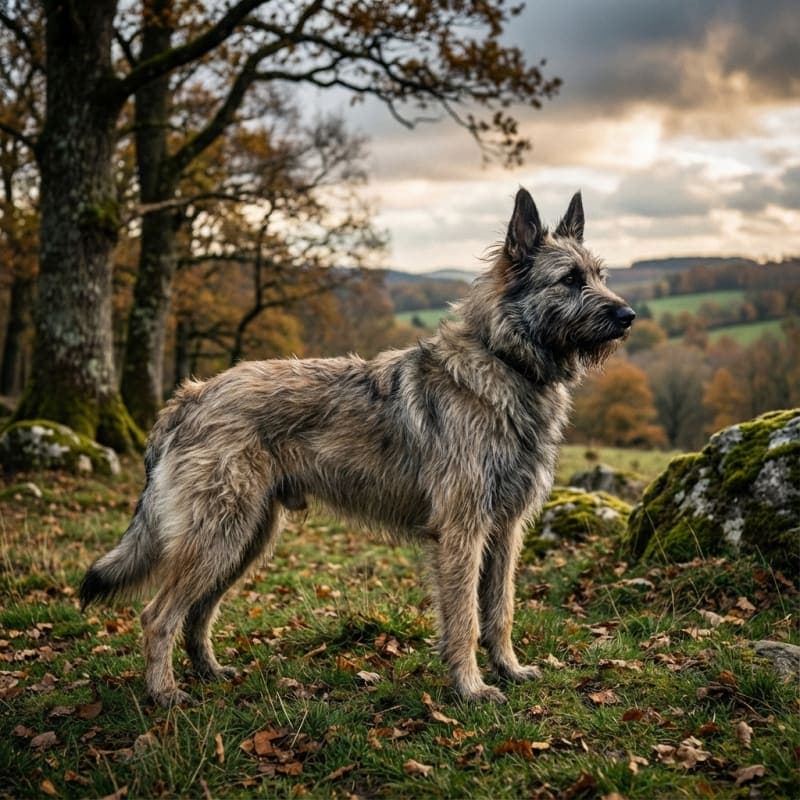
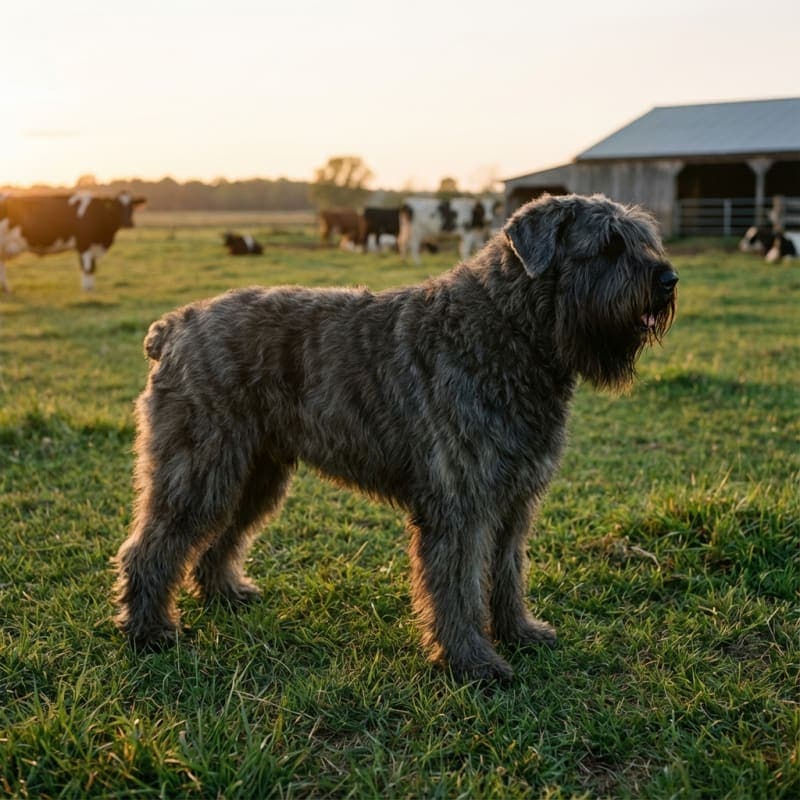
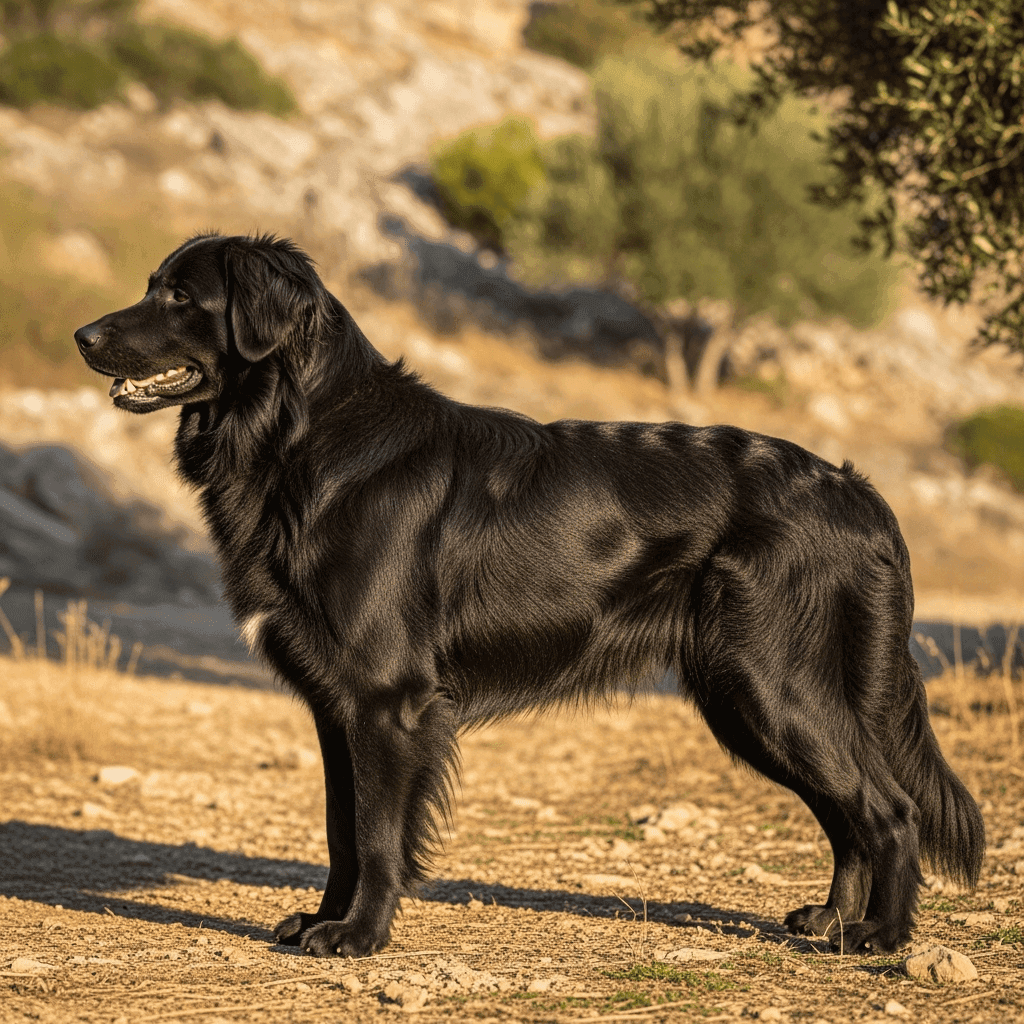
A characteristic feature of the Portuguese Shepherd is its long, straight or slightly wavy coat with a coarse texture, resembling goat hair. The hair on the face forms a distinctive long beard, thick mustaches, and bushy eyebrows, giving them a unique, almost monkey-like appearance – hence, in the Alentejo region, they are sometimes referred to as monkey dogs. Importantly, their distinctive fur never obscures their dark, intelligent eyes. The coloration can be quite diverse: from shades of yellow, through chestnut and fawn, to gray and black with tan markings. Sometimes a small white spot on the chest appears, which is accepted by the breed standard.
Dogs of this breed are distinguished by their extraordinary intelligence, vitality, and devotion. They are extremely active and require a lot of exercise and regular mental stimulation. The height at the withers ranges from 45 to 55 cm for males and from 42 to 52 cm for females, with a weight between 17-27 kg. Portuguese Shepherds form an exceptionally strong bond with their owner and family members, being extremely loyal to their pack. At the same time, they can be wary of strangers, making them excellent guard dogs. Despite their strong temperament and independence, they are also gentle and patient, making them great companions for families with children, provided they receive an appropriate level of activity.
The history of this breed dates back to the early 20th century when they were consciously bred in the Alentejo region. For decades, the Portuguese Shepherd gained increasing recognition among Portuguese farmers, who highly valued its herding skills and endurance. Unfortunately, in the 1970s, the breed was on the brink of extinction due to changes in agriculture and a decreasing number of farms requiring herding dogs. Thanks to the passion and dedication of breeders, it was saved and gradually brought back to life. Today, the Portuguese Shepherd enjoys growing interest not only as a herding dog but primarily as a wonderful family companion. It also excels in canine sports such as agility, obedience, and flyball. Its vitality, intelligence, and eagerness to work make it an ideal partner for active, experienced owners.
The Portuguese Shepherd is a medium-sized dog with a characteristic, slightly elongated silhouette that gives it a rustic, natural appearance. The height at the withers ranges from 45 to 55 cm for males and from 42 to 52 cm for females, while the weight oscillates between 17 and 27 kg. The body length exceeds the height at the withers by about 10%, which makes the dog appear somewhat rectangular in shape, although it maintains excellent proportions and harmony of build.
The most characteristic feature of this breed is the long, dense coat with an unusual, coarse texture reminiscent of goat fur. The hairs are straight or slightly wavy, evenly distributed over the entire body, without the presence of an undercoat. Particularly abundant hair is found on the head, where a characteristic long beard, dense whiskers, and bushy eyebrows form, giving the dog a unique, almost simian expression. It is important that despite the abundance of hair on the head, it should never obscure the dog's dark, intelligent eyes.
The head of the Portuguese Shepherd is medium-sized, wide, and strong, with a slightly convex skull. The nose is well-developed, cylindrical, with large, open nostrils – its color should be black or at least darker than the coat color. The eyes are medium-sized, round, and set in a horizontal line, emanating intelligence and gentleness. The ears are triangular in shape, drooping, and set relatively high, which adds a vigilant expression to the dog.
The tail is set high and tapers towards the end. At rest, it naturally falls between the hind legs, while during movement or excitement, it may be raised, but it never curls over the back. The movement of the Portuguese Shepherd is light, energetic, and spacious – the dog moves with visible grace and agility, which emphasizes its exceptional nimbleness and athleticism. The overall appearance of this breed emanates naturalness, rural charm, and functionality, reminiscent of its pastoral origins and purpose.
The Portuguese Shepherd is a dog with a unique temperament and fascinating behavior. It is characterized primarily by high intelligence, liveliness, and a deep attachment to its owner and the flock entrusted to it. Its loyalty and devotion are truly remarkable – the Portuguese Shepherd forms a very strong emotional bond with the family and is ready to protect them in any situation. This trait makes them excellent companions for those seeking a loyal and devoted friend.
Towards their loved ones, Portuguese Shepherds are friendly, affectionate, and extremely engaged, but they show natural reserve and vigilance towards strangers. This distrust is not a result of aggression, but rather a guarding instinct – the dog simply watches over its territory and family. Thanks to this trait, they are excellent guard dogs that will immediately alert the household to potential threats or the presence of strangers.
This breed is extremely active and full of energy, which requires regular stimulation both physically and mentally. Portuguese Shepherds love long walks, intense play, and various mental challenges. Without the right amount of exercise and activities, they can become bored and develop undesirable behaviors. It is also worth noting that these dogs can be stubborn and independent, which stems from their herding heritage – for centuries they had to make decisions on their own while watching over the flocks. For this reason, they require consistent, firm, yet positive training based on mutual respect.
In relationships with other dogs, Portuguese Shepherds are usually friendly and sociable, although they may exhibit some dominance, especially towards individuals of the same sex. Early and consistent socialization is crucial to teach them appropriate social behaviors. In the case of children, Portuguese Shepherds are generally gentle, patient, and caring, but their natural exuberance and energy can sometimes be overwhelming for little ones. Therefore, all interactions should take place under adult supervision.
In summary, the Portuguese Shepherd is an intelligent, loyal, and extremely active dog that needs a experienced owner capable of providing strong leadership, regular stimulation, and plenty of time for shared activities. In the right hands, it will become a wonderful family companion and a reliable herding or sporting dog.
The Portuguese Shepherd is fundamentally a healthy and resilient breed with good vitality. The average lifespan is between 12 to 14 years, which is typical for medium-sized dogs. This breed enjoys a relatively low number of hereditary diseases, thanks to responsible breeders who care for the purity of genetic lines. Nevertheless, as with any breed, there are certain conditions worth paying attention to.
One of the most common health issues that can affect Portuguese Shepherds is hip dysplasia. This condition involves the improper development of the hip joint, which can lead to pain, lameness, and restricted mobility, especially in older dogs. Therefore, it is crucial for breeders to perform appropriate X-ray examinations on dogs intended for breeding, which helps minimize the risk of passing this defect to offspring. Owners should also ensure that their dog maintains a proper weight and provide adequate, not overly strenuous physical activity, especially at a young age when the joints are still developing.
Portuguese Shepherds can also be sensitive to extreme temperatures. Although their thick, long coat protects them well from cold and rain, on very frosty days it is advisable to limit outdoor time or provide the dog with access to warm shelter. On the other hand, during hot summer days, these dogs may struggle with thermoregulation – their long fur can cause overheating, so it is important to provide them with access to shade, fresh water, and to avoid intense exertion during the hottest hours of the day.
The breed does not show a particular tendency towards obesity; however, like any dog, it can gain weight with improper nutrition and lack of exercise. Maintaining a proper weight is crucial for overall health and longevity, so it is important to monitor the dog's diet and ensure regular daily physical activity. With proper care, balanced nutrition, and regular veterinary check-ups, the Portuguese Shepherd can enjoy a long, healthy, and active life alongside its family.
The Portuguese Shepherd requires regular and quite intensive grooming to keep its characteristic long coat in good condition. Their dense, coarse fur tends to mat and form tangles, especially in areas prone to friction, such as behind the ears, under the armpits, or around the tail. Therefore, it is recommended to brush the dog at least 3-4 times a week, and during heavy shedding periods, even daily. Regular brushing removes dead hair, prevents tangles from forming, and keeps the coat in healthy condition.
Particular attention should be paid to grooming the hair on the face – the long beard, whiskers, and eyebrows tend to get dirty while eating and drinking. Food remnants that can get stuck in the fur around the mouth can lead to unpleasant odors, skin irritations, and even bacterial infections. Therefore, it is recommended to wipe the mouth with a clean, damp cloth after meals and to regularly wash the beard with a specialized dog shampoo. Some owners also choose to gently trim the hair around the mouth to facilitate daily hygiene.
Baths should be conducted as needed, usually once every 4-6 weeks or more frequently if the dog plays vigorously outdoors and gets its coat dirty. It is important to use a high-quality shampoo designed for dogs with long hair that does not dry out the skin and helps with detangling. After bathing, it is very important to thoroughly dry the coat – damp fur can lead to skin irritations and the development of fungi.
In addition to coat grooming, regular checking and cleaning of ears, teeth, and nail trimming are necessary. The hanging ears of the Portuguese Shepherd are prone to the accumulation of dirt and moisture, which can lead to infections, so they should be regularly checked and cleaned with special preparations. Teeth should be brushed at least 2-3 times a week to prevent tartar buildup and periodontal disease. Nails should be trimmed every 3-4 weeks, unless they wear down naturally during walks on hard surfaces.
Portuguese Shepherds do not require professional grooming at grooming salons; however, it is sometimes worth trimming the hair on the feet (between the pads) and around the ears to facilitate daily grooming and provide the dog with greater comfort. Overall, regular and consistent grooming is absolutely essential to ensure the Portuguese Shepherd's health, comfort, and aesthetic appearance, as well as to prevent skin problems and other issues related to neglected fur.
The Portuguese Shepherd is a breed with a very high energy level, which requires a significant amount of exercise and regular physical activity. These dogs are naturally extremely hardworking and were bred for long-lasting, intensive herding work in the vast areas of the Portuguese Alentejo. This genetic predisposition means they need daily, demanding exercise to maintain their physical and mental health and well-being.
Daily walks are absolutely essential – their total time should be at least 90-120 minutes a day, divided into several sessions. However, just walking on a leash is not enough for this active breed. Portuguese Shepherds also need more intense forms of activity, such as running, brisk walking, playing fetch, or free running in a safe, enclosed area. This allows them to fully utilize their natural energy and satisfy their instinct to move.
These intelligent dogs also highly value interactions with other canines. Regular visits to dog parks or organizing social gatherings with other well-socialized dogs is an excellent way to provide them with social stimulation and opportunities for play. However, it is important to remember proper early socialization to avoid issues with dominance or territorial aggression.
Portuguese Shepherds are perfect for dog sports, such as agility, obedience, flyball, treibball, or nosework. Their intelligence, agility, and natural willingness to cooperate with their owner make them quick learners of new skills and they find great joy in such activities. Regular sports training not only provides the dog with demanding physical exercise but also delivers essential mental stimulation, which is crucial for this bright breed.
It is important to remember that insufficient physical and mental activity can lead to serious behavioral problems, such as excessive barking, destructive behaviors, hyperactivity, or depression. A bored Portuguese Shepherd will look for ways to release its energy, often in undesirable ways. Therefore, owners of this breed must be prepared to dedicate a significant amount of time to daily exercise and play. It is also beneficial to provide the dog with opportunities to explore new places and scents, which will allow it to develop its natural herding instincts and satisfy its innate curiosity. For active, sporty owners, the Portuguese Shepherd will be an ideal companion for outings, trips, and joint training sessions.
The Portuguese Shepherd is a remarkably intelligent dog that quickly learns new commands and skills, making him a grateful student for experienced owners. However, his strong will, independence, and natural tendency to make decisions on his own – characteristics typical of herding breeds – mean that he requires consistent, firm, and simultaneously positive training from a young age.
The foundation of effective training for the Portuguese Shepherd is positive reinforcement – a method based on rewarding desired behaviors with treats, praise, and play, rather than using punishment or coercion. This approach not only motivates the dog to cooperate but also builds a strong, trust-based bond between the owner and the four-legged companion. Training sessions should be short (10-15 minutes), intense, and above all interesting, to maintain the shepherd's attention and prevent boredom. Monotony and repetition quickly bore this clever breed, so it is worth introducing variety and elements of fun into the training.
Due to their natural tendency towards dominance, it is extremely important for the owner to be confident and consistent in their actions. The Portuguese Shepherd quickly senses indecision and may try to take control of the relationship. Therefore, it is crucial to establish clear rules and boundaries from a young age and to consistently enforce them by all family members. The dog must know who the leader is and what is expected of him.
Equally important as basic training is early and intensive socialization. Portuguese Shepherd puppies should be exposed to a variety of stimuli from the earliest weeks of life – ideally between 8-16 weeks – including new people (adults, children, elderly individuals), other animals (dogs of various breeds and sizes, cats, birds), different environments (city, countryside, park, forest), and various sounds and situations. Proper socialization helps shape a confident, balanced dog that does not react with excessive distrust or fear in new situations.
Basic commands such as Sit, Stay, Come, Lie down, and No should be introduced gradually but systematically. Teaching loose-leash walking is also extremely useful, which can be a challenge with this energetic breed. It is worth considering enrolling the dog in a puppy school or group classes, where under the guidance of an experienced trainer, he can learn basic commands and proper interactions with other dogs.
Proper training and socialization ensure that the Portuguese Shepherd becomes not only an excellent herding or sporting dog but above all a wonderful, balanced family companion who can behave appropriately in various situations and environments. It is worth investing time and effort in educating the puppy, as the results of this work will be visible throughout the dog's life.
The Portuguese Shepherd requires a balanced, high-quality diet to maintain health, good condition, and an optimal energy level necessary for an active lifestyle. Nutritional needs can vary significantly depending on the dog's age, body weight, level of physical activity, health status, and metabolic rate. Proper nutrition is crucial for maintaining a healthy body weight and preventing obesity, which can lead to serious health problems, including joint dysplasia, heart diseases, and diabetes.
The basis of the diet should be high-quality complete dog foods, tailored to age (puppies, adult dogs, seniors) and activity level. It is essential that the food is rich in high-quality animal protein (chicken, beef, fish), which is necessary for building and regenerating muscles, especially in such active dogs. Proper proportions of carbohydrates provide energy for daily activities, while healthy fats (omega-3 and omega-6) support skin condition, coat quality, and the functioning of the nervous system.
Owners should absolutely avoid giving dogs human food, which can be not only unhealthy but even toxic to canines. Products such as chocolate, onions, garlic, grapes, raisins, sweets containing xylitol, or fatty foods can cause serious poisoning and threaten the dog's life. Additionally, spicy, heavily seasoned dishes can irritate the animal's delicate digestive system.
It is recommended to feed meals two to three times a day at regular intervals, which helps maintain stable blood sugar levels and prevents excessive hunger. Portion sizes should be adjusted to the individual needs of the dog – the food supplier usually provides approximate amounts on the packaging, but it is best to consult a veterinarian to accurately determine caloric needs. Very active herding or sporting dogs may require larger portions than less active individuals of the same breed.
In addition to dry food, it is worth introducing fresh vegetables and fruits as healthy snacks and dietary variety, such as carrots, broccoli, pumpkin, apples, or blueberries. They can be given as rewards during training or as an addition to the main meal. However, it is important to remember that not all vegetables and fruits are safe for dogs, so it is advisable to check beforehand which ones can be safely given.
It is absolutely crucial to provide the dog with constant access to fresh, clean water, especially after intense exercise and on hot days. Dehydration can be dangerous and lead to serious health problems. Regular consultations with a veterinarian, weight monitoring, and observation of the dog's physical condition will help adjust the diet to its individual needs and ensure a long, healthy life.
Characteristic Traits
Pros
- Extremely intelligent and easy to train
- Excellent guard dog and alert
- Very devoted and loyal to the family
- Great companion for active owners
- Agile and physically fit.
Cons
- Requires a lot of exercise and mental stimulation
- Can be wary and cautious around strangers
- Grooming long hair is time-consuming
- Stubborn and independent nature requires an experienced owner
- Tendency to dominate over other dogs.
Behavioral Ratings
Breed History
The Portuguese Shepherd, also known as Cão da Serra de Aires, has a rich and fascinating history that dates back to the early 20th century. Although the exact origin of the breed remains somewhat of a mystery, most canine experts agree that these dogs likely descend from French herding dogs that were brought to Portugal by shepherds or wool-trading merchants. It is possible that the ancestors of the Portuguese Shepherd were briards or berger des Pyrénées, which were crossed with local herding dogs from the Alentejo region, creating a unique breed perfectly adapted to local climatic conditions and herding requirements.
In the first half of the 20th century, the Portuguese Shepherd gained significant recognition among Portuguese farmers, particularly in the southern Alentejo region, where extensive sheep, goat, and cattle farming was prevalent. Farmers needed durable, intelligent, and independent dogs that could herd and guard flocks for long hours across vast, often harsh terrains. Portuguese Shepherds excelled in this role – their agility, tirelessness, exceptional intelligence, and ability to make independent decisions made them invaluable helpers on farms. These dogs were capable of herding a variety of livestock – from sheep and goats to cattle and horses, even pigs – making them incredibly versatile.
However, in the 1970s, this breed faced a serious crisis and was at risk of complete extinction. The causes were manifold: the modernization of agriculture, the mechanization of herding work, a decline in traditional farms requiring herding dogs, and a general lack of interest in breeding working breeds in favor of companion breeds. At one point, the number of purebred Portuguese Shepherds dropped to critically low levels, and the breed was on the brink of being forgotten.
Fortunately, thanks to the passion, commitment, and determination of a small group of breeders and breed enthusiasts, the breed was saved from complete extinction. Systematic efforts were made to rebuild the population – the last purebred individuals were sought out in remote, traditional farms in Alentejo, controlled breeding programs were established, and the breed was promoted among dog lovers. Gradually, over the following decades, the population of the Portuguese Shepherd began to recover, and the breed gained new supporters.
Today, the Portuguese Shepherd is appreciated not only for its traditional herding skills but primarily as a wonderful companion dog for active families. Its unique traits – intelligence, loyalty, energy, and distinctive appearance – are attracting increasing attention both in Portugal and beyond its borders. The breed has also found a new role in canine sports such as agility, obedience, and flyball, where its agility and willingness to cooperate with its owner are significant assets.
Today, the Portuguese Shepherd, although still relatively rare outside of Portugal, is enjoying growing recognition on the international stage. In 2009, the Fédération Cynologique Internationale (FCI) approved the current breed standard, which helped in its promotion and protection. This breed combines the historical heritage of Portuguese shepherding with the modern requirements of companion dogs, creating a unique synthesis of tradition and modernity. For enthusiasts of rare, authentic, and characterful breeds, the Portuguese Shepherd represents a fascinating choice – a living monument to Portuguese canine heritage and proof that the dedication of breeders can save even the most endangered breeds from oblivion.