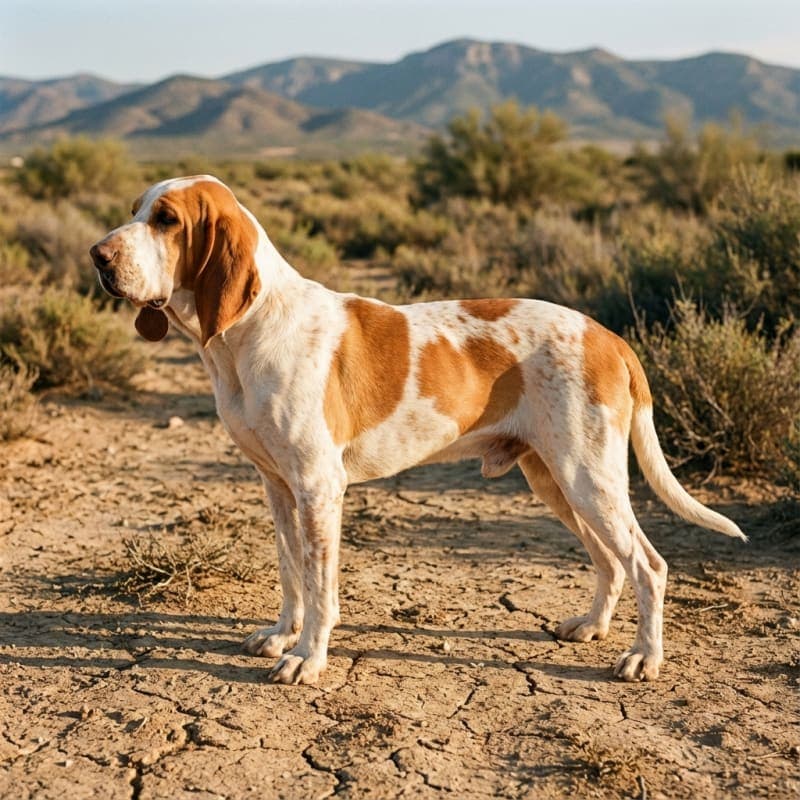
Spanish hound
FCI Group
6• FCI 204
Size
Medium
Origin Country
ES
Height
48-57 cm
Weight
20-25 kg
Lifespan
12-14 years
Temperament
Overview
The Spanish Hound, also known as Sabueso Español, is a fascinating breed with roots in the picturesque northern Spain and the entire Iberian Peninsula. These dogs, with a rich and long history, were originally bred for hunting various animals – from hares, foxes, and deer to elk, wild boars, and even fearsome bears. Their extraordinary tracking skills, distinctive loud voice informing the hunter about the course of the hunt, and close bond with the owner make them indispensable companions in this field. Their calmness, courage, and perseverance make them excellent hunting partners.
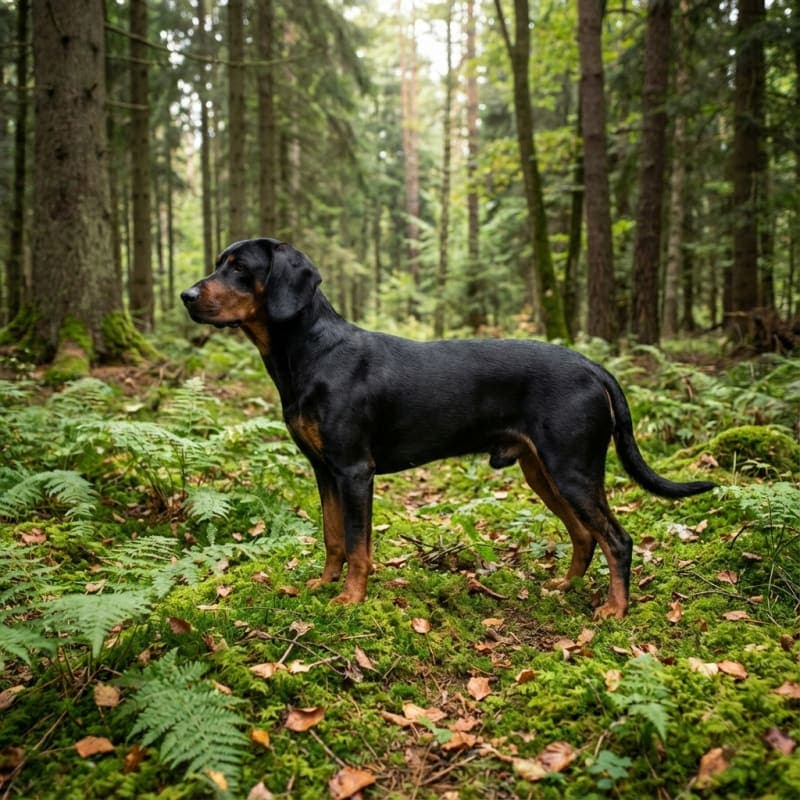
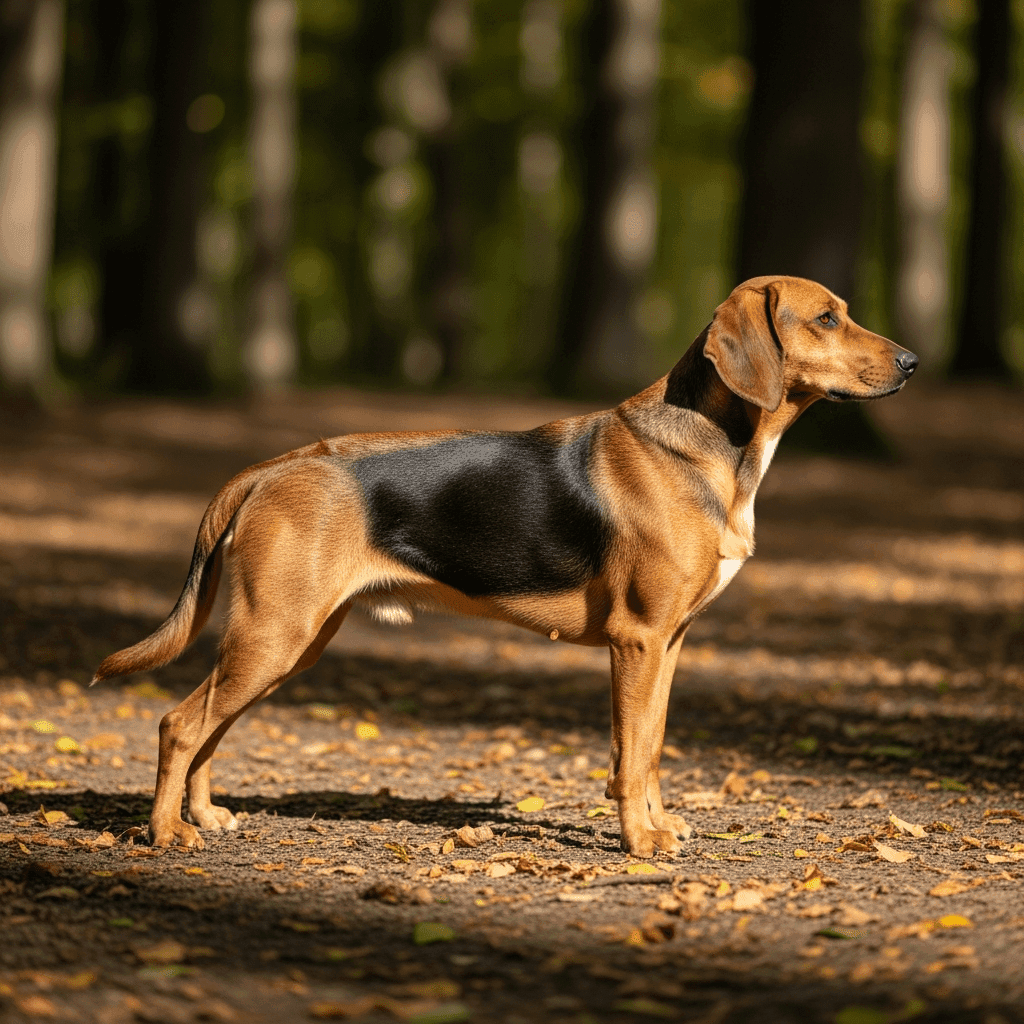
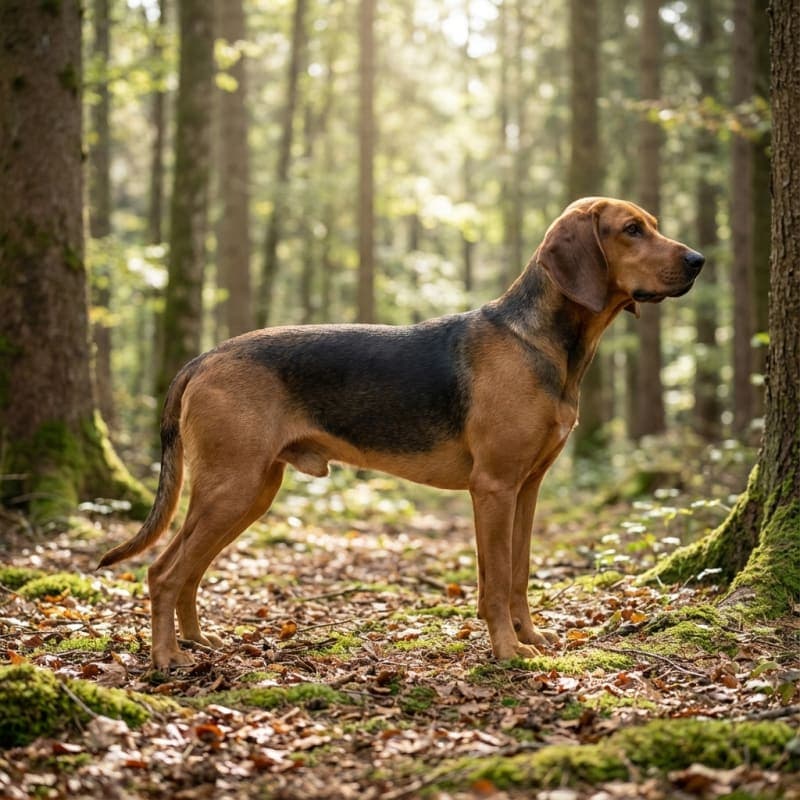
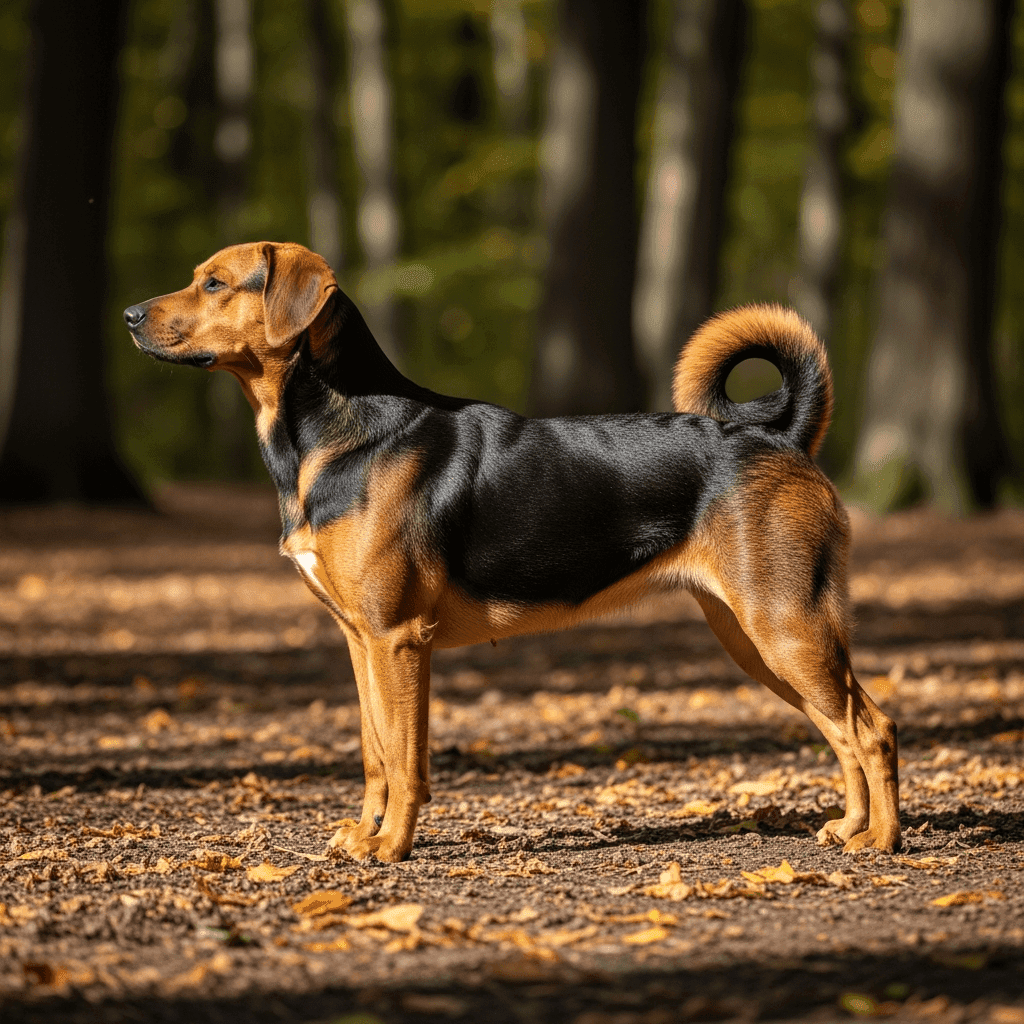
The Spanish Hound is a medium-sized dog that stands out for its harmonious body structure and elegant lines. Its characteristic long body shape, distinctly marked deep chest, and strong limbs give it the agility, strength, and endurance necessary for long hunts in varied terrain. Males reach a height of 52 to 57 cm at the withers, while females measure from 48 to 53 cm. The weight of these dogs typically ranges between 24 and 25 kg. Their coat is short, smooth, and close-fitting, making them resistant to various weather conditions. The typical coloration is white-orange or red-brown, with distinct, separated patches, which adds to their particular elegance and makes them easy to spot in the field.
The Spanish Hound is characterized by a calm, yet brave temperament. This makes them not only ideal hunting dogs but also wonderful family companions for the right owners. Their affection and strong attachment to their caregiver mean they can become inseparable, loyal family members. However, it is important to remember that this breed requires a lot of exercise and intense physical activity to maintain mental and physical health. They are definitely dogs that thrive in an active lifestyle, with access to open spaces and the opportunity to utilize their natural instincts.
Their moderate but focused intelligence requires consistent training and strong, confident leadership, which is crucial for their proper development and balance. An important aspect is also appropriate socialization from a young age, especially in relationships with other pets. The Spanish Hound has a strongly developed hunting instinct, particularly towards smaller animals, so proper socialization and controlled interactions are essential for harmonious coexistence in the household.
In summary, the Spanish Hound is a dog that combines traits of perseverance, deep attachment, and characteristic independence of thought. It is an ideal choice for experienced active owners who value a lively lifestyle, hunting, or long hikes in forested areas. In the following sections of this guide, you will find more detailed and practical information regarding health, grooming, training, and specific behaviors of this exceptional, historical breed of hunting dogs.
The Spanish Hound is a medium-sized dog characterized by a harmonious, proportional silhouette and distinctive long body lines. Their appearance is very recognizable, with a clearly defined, deep chest, whose circumference exceeds the height at the withers by about 1/3, indicating great endurance and lung capacity necessary for prolonged hunting.
The height at the withers ranges from 52 to 57 cm for males and from 48 to 53 cm for females. The body structure is elongated – the length of the torso exceeds the height at the withers by 7-10 cm, giving the dog a characteristic, low and agile profile when moving in the field.
This breed has a long and proportional head with a clearly defined stop and long, drooping ears, which are positioned below the eye line and almost reach the nose. The nose is large, moist, with well-developed nostrils, and its color ranges from light brown to deep black, depending on the coat color. The eyes are medium-sized, almond-shaped, with a hazel color, giving the dog a characteristic sad yet noble expression.
The coat of the Spanish Hound is short, smooth, shiny, and closely adheres to the body, making it easier to move through dense underbrush. The available coat colors are white-orange or red-brown, with distinct, well-separated patches that should never be speckled. The limbs are strong, straight, and well-muscled, providing the dog with strength, stability, and agility when running over uneven terrain. The tail, set at medium height, is thick at the base, tapering towards the end and slightly curved in a sabre shape.
The Spanish Hound has a complex and rich temperament, making it a dog that is both affectionate and attached, as well as independent in thought. In relationships with its owner, it is extremely loyal, often showing deep affection, love, and a need for closeness. This breed forms strong emotional bonds with the family and can be very devoted.
At the same time, the Spanish hound is quite distrustful of strangers, which makes it a good alarm dog, although it is not a typical guard dog in the classic sense of the word. Its alertness and observation of the surroundings allow it to quickly notice unfamiliar people or situations.
Its high hunting instinct makes these dogs very agile, full of energy, and focused on tracking. They need to be adequately occupied both physically and mentally to avoid destructive behaviors resulting from boredom or excess energy. The Spanish Hound is also known for being very vocal – its distinctive, melodic voice informs the hunter of every stage of the hunt. This trait makes it an excellent hunting companion, but it may be less suitable in quiet urban or residential conditions.
Although this breed can coexist well with other dogs, especially those it has been socialized with from a puppy, due to its strong hunting instincts, it may be less tolerant of small animals, including cats, rodents, or poultry. Owners should dedicate enough time to early socialization and consistent training to ensure that the Spanish Hound becomes a balanced, composed, and obedient family member.
The Spanish Hound, as a traditional hunting dog breed with a centuries-old history of selection for endurance, enjoys generally good health and resilience. The average lifespan of this breed is between 12 to 14 years, which is typical for medium-sized dogs with high physical activity. This breed is known for its strength, endurance, and natural resistance, making it less susceptible to many common health issues found in other breeds.
However, as with all breeds, certain conditions may occur that owners should be aware of. The most common health problems in the Spanish Hound are hip and elbow dysplasia, which can lead to pain, stiffness, and significant mobility limitations in later age. Therefore, it is important to conduct appropriate X-ray examinations of the parents before breeding.
Additionally, due to their long time spent hunting in difficult terrain, mechanical injuries related to forest exploitation may occur, such as wounds, abrasions, scratches, or even bites from wild animals. It is important to regularly check their long ears, as they are particularly susceptible to bacterial and fungal infections, especially after hunting in damp areas.
A proper, balanced diet and regular, intense exercise are crucial to prevent obesity, which can occur if the dog is not active enough or is overfed. Obesity increases the risk of joint problems, heart issues, and diabetes. Owners should also ensure regular veterinary visits, appropriate vaccinations, deworming, and external parasite control to ensure that their pets are healthy and free from infectious diseases.
The care of the Sabueso Español is relatively easy and low-maintenance, making this breed suitable for people who do not have much time for complicated daily grooming. Their coat is short, smooth, shiny, and closely adheres to the body, which means it does not require intensive daily brushing or professional grooming treatments.
It is sufficient to regularly brush the dog – ideally 1-2 times a week – using a rubber glove or a soft brush to remove dead hair and minimize shedding, which is moderate in this breed. During shedding periods, which usually occur in spring and autumn, more frequent brushing (even daily) may be necessary to effectively help remove dead undercoat.
It is particularly important to pay attention to the long, droopy ears, which should be regularly checked and gently cleaned with a damp cloth or a special ear cleaning solution. This is crucial to prevent ear infections, especially after hunting, when the ears may be exposed to dirt, moisture, thorns, or plant seeds.
In addition, regular nail trimming (usually every 3-4 weeks) and maintaining oral hygiene by brushing teeth 2-3 times a week are recommended to prevent tartar buildup and periodontal disease. Owners should also closely monitor the condition of the skin and promptly respond to any signs of irritation, rashes, allergies, or external parasites that may require veterinary consultation and appropriate treatment.
The Spanish Hound is a breed that requires a large amount of exercise and intense physical activity to be healthy, balanced, and happy. Due to its origin as a specialized hunting dog, the Spanish Hound has high movement needs and should have regular opportunities to run, explore the terrain, and engage in intense scent tracking in natural forest or field environments.
Daily walks should be long, varied, and last at least 60-90 minutes to satisfy their need for physical and mental stimulation. Ideally, the Spanish Hound should be regularly taken on longer hikes in the woods, into the mountains, or on real hunts, allowing it to fully utilize its natural tracking and hunting instincts.
This breed excels in various activities such as running, cycling, mantrailing (scent tracking), cross-country skiing, or agility competitions, which can also be an excellent way to actively spend time with the dog and strengthen the bond. However, owners should remember that the Spanish Hound has a strong tendency to chase game and follow scent trails, which can lead to escapes or getting lost if the dog is not properly led on a leash or in a safe, enclosed area.
Overall, the more movement, physical activity, and mental challenges, the better for the mental health, physical well-being, and overall happiness of the Spanish Hound. Dogs of this breed are not suited for living in small apartments without access to open spaces.
The Spanish Sabueso training can be a challenge, especially for inexperienced owners, as this breed is characterized by a strong will, independence in thinking, and a natural hunting instinct that often outweighs the desire for obedience. Owners should possess strong, consistent leadership and use positive yet firm training methods based on rewards and reinforcements.
The Sabueso is intelligent, observant, and eager to learn, but it requires regular, patient work and full commitment from the owner. It is important to introduce training routines from a very young age – ideally from 8-10 weeks of life – to help the puppy adjust to home life and the rules of cohabitation with the family.
This breed is known for its high hunting instinct, so training in hunting and tracking may come more naturally and intuitively to the dog than standard obedience commands like Sit, Stay, Come, or Place. In hunting situations, the Sabueso often does not require much instruction, as it instinctively knows what to do, how to track, and how to inform the hunter vocally about the progress of the hunt.
However, in daily family life, owners should devote adequate time to teaching basic obedience commands, properly socializing the dog with various people, animals, and situations, and providing regular mental challenges (e.g., interactive toys, searching for treats, scent games) to prevent boredom and destructive behaviors. It is also worth emphasizing that the Spanish Sabueso is not the best choice for novice dog owners, as it requires experience in training hunting dogs and the ability to manage a strong character and independence in thinking.
The diet of the Spanish Sabueso should be carefully tailored to their high energy needs, resulting from their intensely active lifestyle, regular hunting, and long treks in the field. Owners should feed their dogs high-quality food that contains the appropriate amount of balanced nutrients – including animal protein (25-30%), healthy fats (12-18%), and complex carbohydrates that provide lasting energy.
Due to their natural tendency to gain weight during periods of lower activity (e.g., off hunting season), it is important to regularly monitor the amount of food and adjust portions according to the dog's current level of physical activity. Typically, an adult Spanish Sabueso requires about 2-3 cups (or 400-600 g) of high-quality dry food daily, divided into two equal meals – morning and evening – to prevent bloating and gastrointestinal issues associated with a single large meal.
It is important to avoid feeding the dog table scraps, processed human food, or excessive treats, as this can lead to obesity, digestive problems, and serious health issues. Additionally, regular access to fresh, clean water is absolutely essential to ensure proper hydration, especially after intense exercise or hunting.
Owners should also be aware that some foods are toxic to dogs and must be completely eliminated from their diet, including: chocolate, onions, garlic, grapes, raisins, avocado, xylitol (artificial sweetener), alcohol, caffeine, and raw pork (risk of Aujeszky's virus). If there are any doubts regarding diet or special nutritional needs, it is advisable to consult a veterinarian or a dog nutrition specialist.
Characteristic Traits
Pros
- Excellent tracking and scenting skills
- Strong emotional bond with the owner
- High agility and endurance
- Calm and courageous temperament
- Easy coat maintenance.
Cons
- Requires a lot of movement and activity
- Needs consistent
- experienced training
- Strong hunting instincts towards small animals
- Very loud and boisterous voice
- Not suitable for beginner owners.
Behavioral Ratings
Breed History
The Spanish Hound has a long, rich, and fascinating history, dating back to the late Middle Ages when this breed was detailed in the legendary hunting work of King Alfonso XI from the 14th century, titled Libro de la Montería. Later, the breed was also mentioned in classic works by Argote de Molina (1582) and many other renowned authors dealing with hunting and Iberian cynology.
Over the centuries, these dogs were intensively used mainly for hunting small game (hares, foxes, martens) as well as large game (deer, wild boars, roe deer, wolves, and even bears), and their exceptional tracking skills, reliability in difficult terrain, and distinctive, melodic voice were highly valued by hunters across the Iberian Peninsula. This breed is closely associated with the region of Spain, where it developed in response to the specific needs of local hunters and adapted to the conditions of the mountainous, diverse terrain.
As time went on, the Spanish Hound gained a reputation not only as a superb, specialized hunting dog but also as a loyal, devoted companion to humans. Unfortunately, in recent decades, despite their exceptional skills and dedication, many Spanish Hounds have been abandoned or neglected in Spain, especially after the hunting season ends, as many people mistakenly believe that although they are specialized hunting dogs, they cannot be wonderful family pets – which is not true.
Today, this breed is still widely used in traditional hunting in Spain and other European countries, but it is also gradually gaining popularity as a companion dog, particularly among experienced, active owners who appreciate their deep attachment, affection, courage, and need for intense physical activity. In recent years, efforts have also been made to rescue abandoned Spanish Hounds and promote their adoption as family dogs.