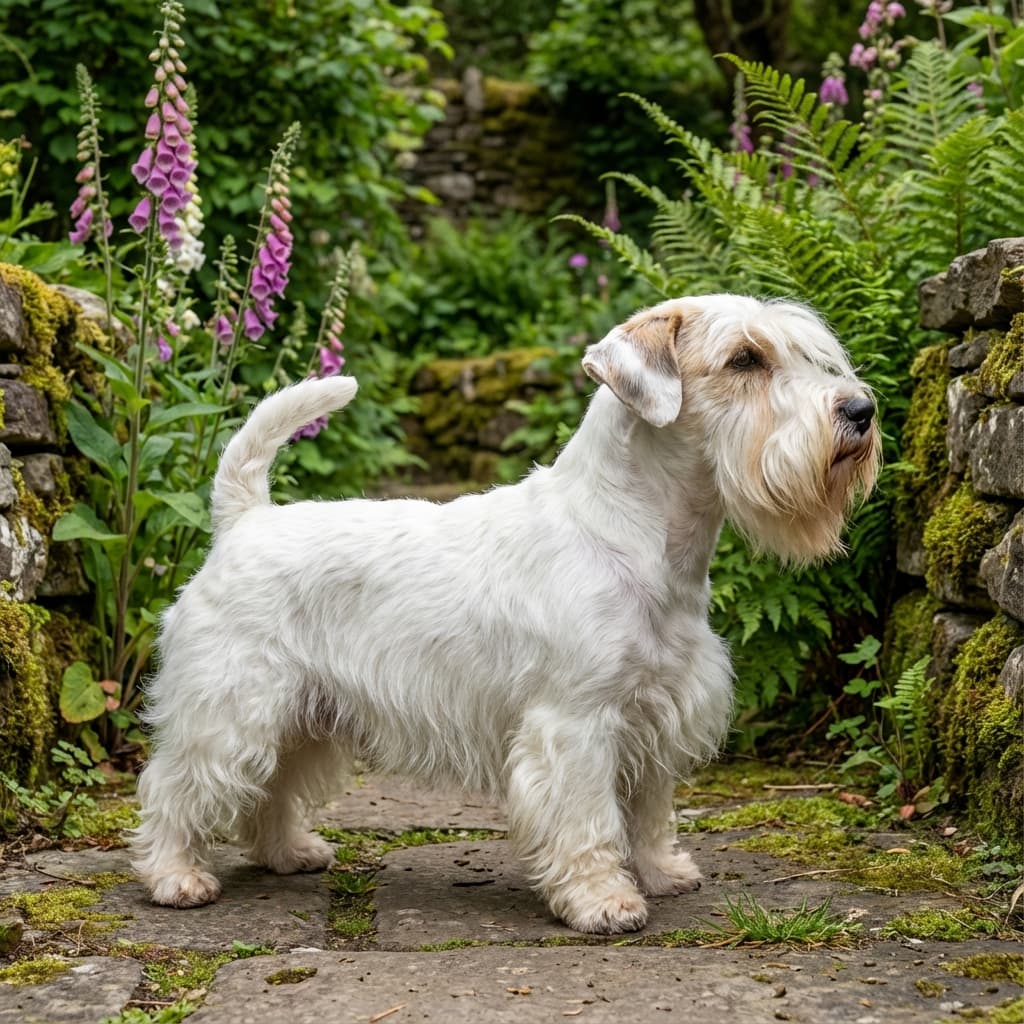
Sealyham Terrier
FCI Group
3• FCI 74
Size
Small
Origin Country
GB
Height
30-30 cm
Weight
8.2-9.1 kg
Lifespan
12-14 years
Temperament
Overview
The Sealyham Terrier is a remarkable dog that captivates with its charm, spirited temperament, and unique appearance. This small quadruped hails from Great Britain, specifically from Wales, where it was bred in the 19th century by Captain John Edwardes Tucker at his Sealyham estate in Haverfordwest.
Tucker, being an avid hunter, sought a brave and resilient dog capable of hunting burrowing predators - foxes, badgers, and otters. Through careful crossbreeding of various terrier breeds, he created a dog with exceptional determination, courage, and strength, despite its small size. Thanks to its working traits, the Sealyham Terrier quickly gained popularity among the aristocracy and members of the royal family.
In the first half of the 20th century, the Sealyham Terrier enjoyed immense popularity and was one of the most popular companion dog breeds in Britain and the United States. It appeared at dog shows, won awards, and its image was ubiquitous in popular culture. Unfortunately, over time, its popularity began to decline, and the number of breed representatives dramatically decreased.
Today, the Sealyham Terrier is an extremely rare and endangered breed. Since 2008, it has been on the Vulnerable Native Breeds list maintained by the British Kennel Club. Only a few dozen puppies of this breed are born each year across the UK, placing it among the most endangered British dog breeds.
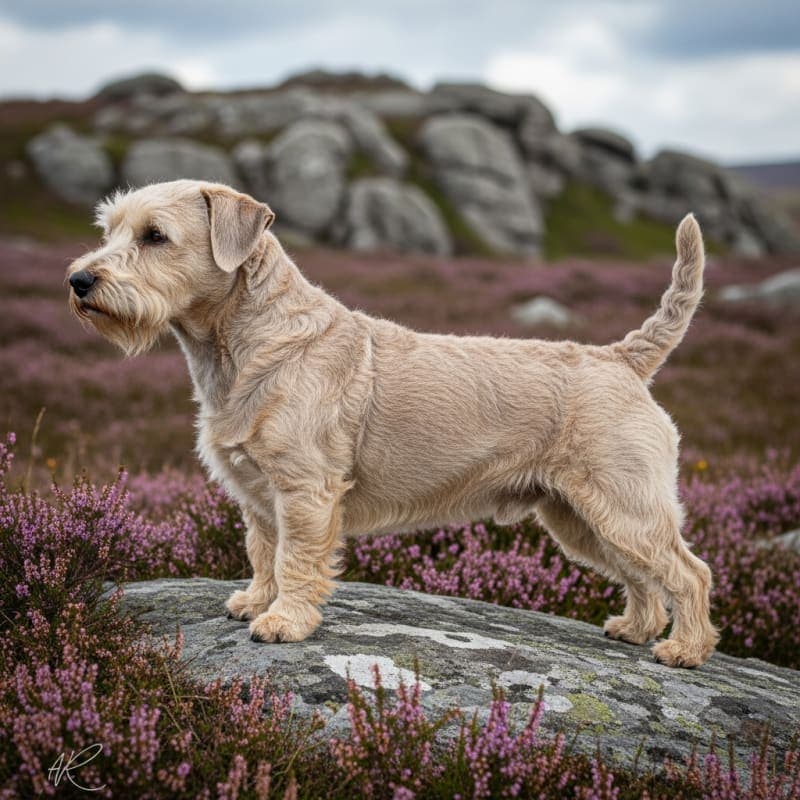
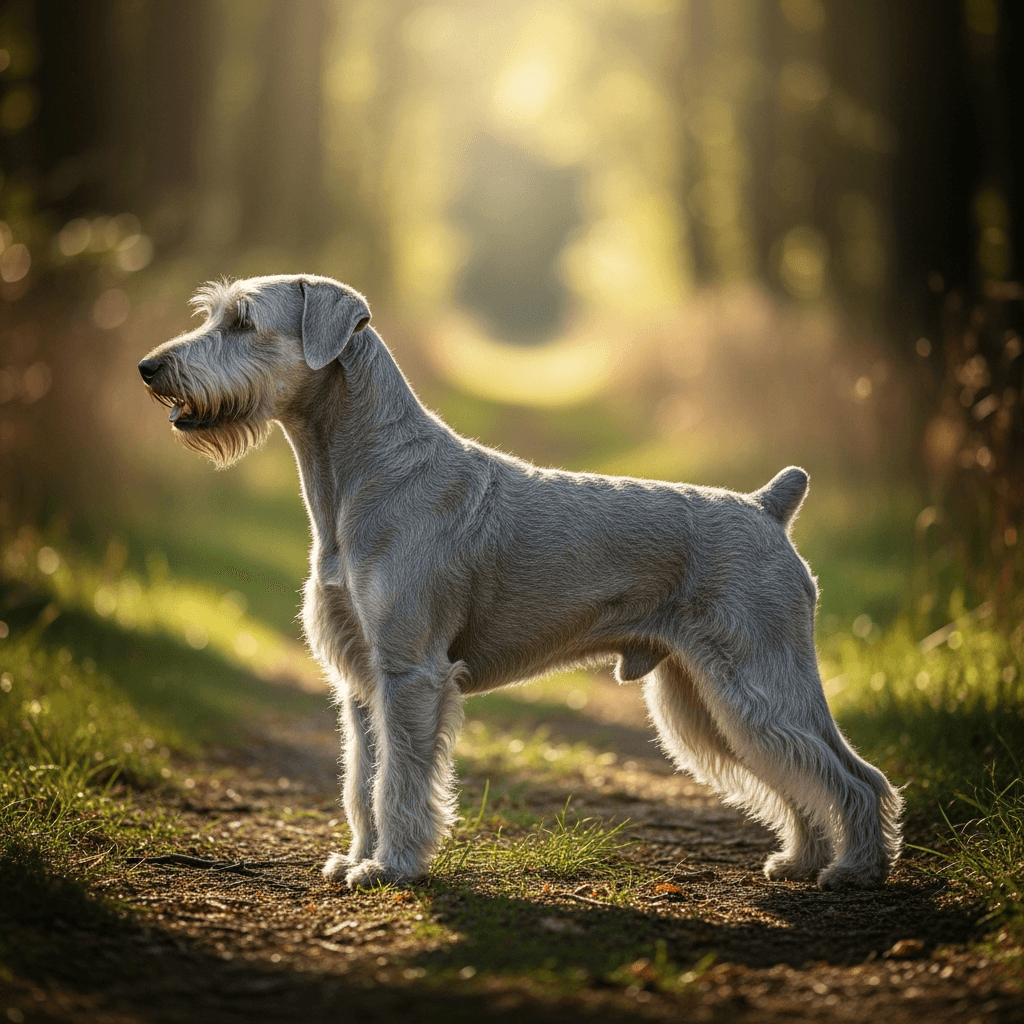
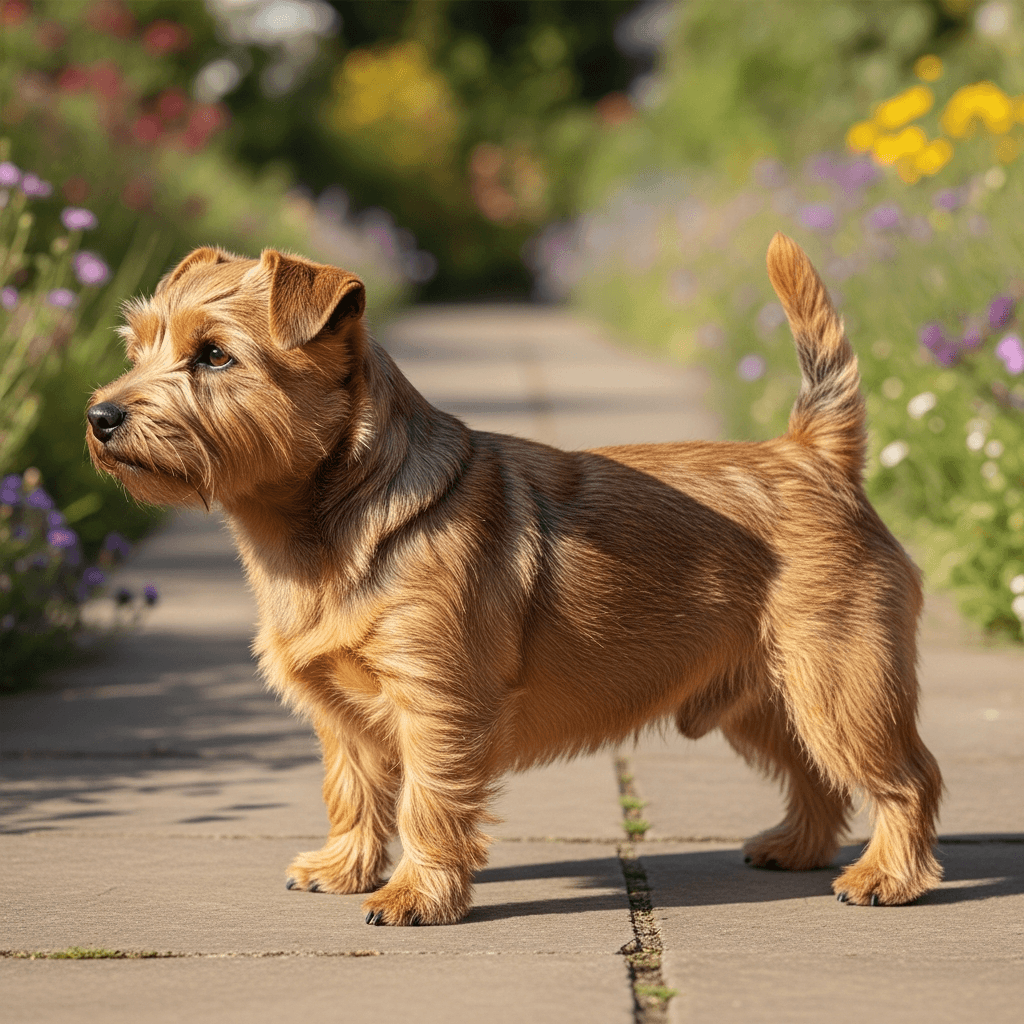
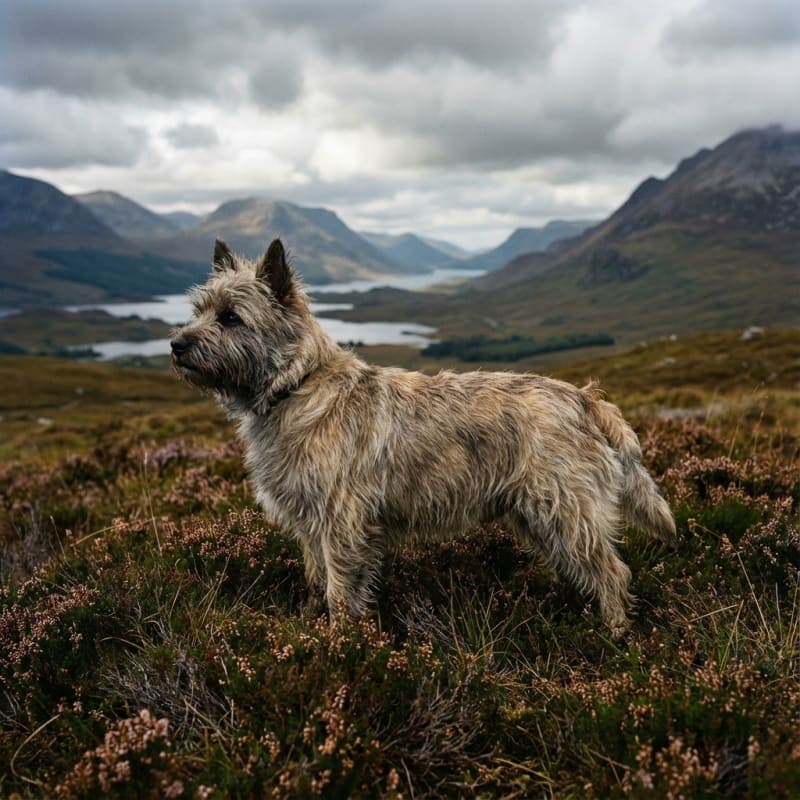
The Sealyham Terrier has a proportional, compact build, reaching a maximum height of up to 31 cm at the withers and an ideal weight of around 9 kg for males and 8.2 kg for females. Its characteristic dense, wiry coat is pure white or white with lemon, brown, blue, or badger markings on the head and ears, giving it a distinguished, elegant appearance.
It is distinguished by dark, round eyes full of intelligence and medium-sized ears that are held close to the cheeks. Its long, strong muzzle with powerful jaws reflects its original hunting purpose, while the rectangular silhouette with a well-developed chest gives it a solid, robust appearance despite its small size.
The temperament of the Sealyham Terrier is gentle, friendly, and charming, though it can sometimes exhibit the typical stubbornness and independence of terriers. Due to its clownish, playful personality, the Sealyham loves play and entertainment, making it an ideal companion for families with children who can respect its boundaries.
This is a companion dog that deeply values closeness with people and forms strong attachments to its family. It makes an excellent friend and vigilant guardian of the home, alerting to the approach of strangers, although it is not aggressive. While it may be somewhat wary of strangers at first meeting, with proper socialization, it becomes friendly and open.
Unlike many other terrier breeds, the Sealyham Terrier is relatively calm and less active, making it suitable for living in an apartment or a house with a small garden. It does not require extreme amounts of exercise but needs regular walks and mental stimulation to remain happy and healthy.
In the further sections of this guide, you will discover detailed information about the health, grooming, activity, training, nutrition, history, appearance, and behavior of this unique, endangered breed. The Sealyham Terrier is not only an elegant companion but also a living monument of British culture, whose preservation for future generations is the mission of contemporary breeders and enthusiasts of this breed.
The Sealyham Terrier is a dog with a distinctive, dignified appearance, characterized by a strong, compact body despite its small size. This breed combines elegance with strength, which perfectly reflects its original purpose as a hunting dog for working in burrows.
Basic physical parameters according to the FCI standard:
- Maximum height at the withers: up to 31 cm (about 12 inches)
- Ideal weight (males): around 9 kg (20 pounds)
- Ideal weight (females): around 8.2 kg (18 pounds)
- Proportions: Rectangular, elongated silhouette - body length exceeds height
- Substance: Strong build in small size
The head of the Sealyham Terrier is long, wide, and powerful in proportion to the body size. The skull is slightly domed and wide between the ears. The muzzle is strong, square, and long, with powerful jaws capable of a strong grip - a necessary trait for a dog working in burrows. The nose is always black.
The teeth are even and strong, with well-fitting canines that are long in proportion to the dog's size. The jaws are strong with a regular scissor bite, where the upper teeth closely overlap the lower ones. The cheeks are not prominent.
The eyes are dark, well-set, and round, medium-sized. Darkly pigmented eye rims are preferred, although unpigmented ones are tolerated. The eyes express intelligence, alertness, and friendliness, giving the dog a distinctive, amiable expression.
The ears are medium-sized, slightly rounded at the tips, carried close to the cheeks. They are neither too droopy nor too erect, giving the head a balanced appearance.
The neck is fairly long, strong, and muscular, set on well-sloped shoulders, allowing for free, energetic movement.
The body is medium-length, flexible, and strong:
- Back - level, straight, and strong
- Chest - wide and deep, well-dropped between the front legs
- Ribs - well-arched, providing space for the lungs and heart
- Loin - strong and flexible
The coat is one of the most distinctive features of the Sealyham Terrier:
- Outer coat: Long, hard, stiff, and wiry to the touch
- Undercoat: Dense, soft, and weather-resistant
- Structure: Waterproof, protecting against cold, moisture, and injurious vegetation
- Length: Long enough to protect the body but not obscuring the silhouette
- Appearance: Gives the dog a rustic, natural character
Characteristic of the breed are whiskers, beard, and eyebrows, which give the Sealyham a unique, wise, and expressive appearance.
The coloration of the Sealyham Terrier:
- Pure white - the most desirable and common
- White with lemon markings - on the head and ears
- White with brown markings - on the head and ears
- White with blue (gray) markings - on the head and ears
- White with badger markings - gray-black brindling on the head
Markings are only permissible on the head and ears. The body should be as white as possible. Intense, extensive markings are undesirable.
The front limbs are short, strong, and straight, well-set under the body. The paws are round, compact, with thick pads - cat-like paws. The hind limbs are strong and muscular, with well-bent knee joints.
The tail was traditionally docked to medium length, thick with a rounded end, set in line with the back and carried upright. The hindquarters should extend beyond the base of the tail. In countries where docking is prohibited, the natural tail is carried in line with the back or slightly curved.
The movement of the Sealyham Terrier is free, active, energetic, and balanced. The dog moves with strong drive from the rear and good front lift. The movement should be smooth and efficient, indicating proper body construction.
The overall expression of the Sealyham Terrier is a combination of elegance, strength, and determination with a friendly, amiable character. It is a dog that immediately attracts attention with its dignified, aristocratic appearance and charming behavior.
The Sealyham Terrier is a dog with a particularly friendly, cheerful, and charming disposition, who loves to spend time with family and be the center of attention. Its nature is full of affection, intelligence, and humor, making it an excellent family companion for those who value a dog’s personality combined with an elegant appearance.
Key character traits of the Sealyham Terrier:
- Friendly and affectionate - deeply attached to the family
- Clownish personality - funny, full of humor, and entertaining
- Brave and uncompromising - not afraid of challenges despite its small size
- Alert and observant - an excellent watchdog
- Calmer than typical terriers - less active, more suitable for living in a home
- Social - enjoys being with people and participating in family life
- Independent - can be self-sufficient, but does not like long periods of solitude
The Sealyham Terrier is often referred to as the clown of the dog world due to its funny and entertaining approach to life. It loves to play, act silly, and attract attention with its comedic antics. This trait makes it a constant source of entertainment and joy for its family.
Although it is a terrier breed, the Sealyham is less active and more calm compared to other terriers like the Jack Russell or Fox Terrier. This makes it an ideal companion for living in a home or apartment, provided it receives regular walks and appropriate mental stimulation.
The Sealyham Terrier does well in families with children, as it is both:
- Energetic - eager to participate in games and play
- Gentle - patient and caring towards younger family members
- Tolerant - handles the noise and activity of children better than many other breeds
- Funny - its clownish behavior entertains children
However, due to its terrier nature, it can be somewhat stubborn and may not tolerate overly rough play. Therefore, it is important to teach children respect for the dog and its boundaries. Interactions with small children should be supervised.
The Sealyham Terrier is usually wary of strangers upon first meeting, which is a natural trait of watchdogs. However, this is not aggression - after a proper introduction and brief observation, the dog typically becomes friendly and open towards new people. This natural alertness makes the Sealyham a great guardian that will alert you to the approach of strangers.
Its barking is moderate - it is not an overly vocal breed, but it will raise its voice when it deems necessary (intruder, doorbell, something unusual). Proper training can help control this behavior.
The Sealyham Terrier has a strong hunting instinct rooted in its genetics as a dog bred for hunting burrowing predators. This means that:
- It may chase small animals - cats, rabbits, squirrels, rodents
- It loves to dig - instinct to excavate burrows
- It tends to track scents during walks
- It may exhibit predatory behaviors towards small pets
For this reason, early socialization and appropriate training are absolutely crucial. Puppies should be accustomed from a young age to various situations, people, dogs, and animals to learn to control their instincts.
Coexisting with other dogs is usually good, especially if the Sealyham has been socialized from puppyhood. However, it can be assertive and dominant towards other dogs of the same sex, which is typical for terriers. It can coexist harmoniously with cats if it has been accustomed to them from a young age.
The Sealyham Terrier, despite its independence, does not like long periods of solitude. It is a social dog that wants to be close to its family and participate in their life. Left alone for long periods, it may:
- Develop separation anxiety
- Bark excessively
- Destroy objects out of frustration
- Dig holes in the garden
This breed is very attached to its owner, making it a loyal companion that will guard its home and family with determination. Despite its small size, the Sealyham is not cowardly and does not shy away from challenges.
At home, the Sealyham Terrier is usually calm and relaxed, happily lounging on the couch or in its bed. However, when it’s time for a walk or play, it transforms into an energetic, enthusiastic companion ready for adventures.
Proper upbringing, consistent training, and early socialization are absolutely crucial to ensure that the Sealyham Terrier becomes a well-socialized, balanced, and happy dog that will be a wonderful family companion for many years.
The Sealyham Terrier is a generally healthy breed with relatively good health conditions, especially considering its small gene pool associated with a limited number of individuals. The average lifespan is between 12 to 14 years, and with proper care, a healthy diet, and regular physical activity, many individuals reach the age of 15-16 years.
This longevity is a result of relatively little human intervention in the breed's structure and a lack of extreme anatomical features that could negatively impact health (as seen in brachycephalic or miniature breeds).
However, like any breed, the Sealyham Terrier can be prone to certain conditions. The most common health issues include:
- Retinal Dysplasia (RD) - a congenital developmental defect of the retina that can lead to vision impairment or blindness, genetically inherited
- Lens Luxation - dislocation of the lens from its natural position, causing pain, inflammation, and potentially blindness, requiring prompt veterinary intervention
- Glaucoma - increased intraocular pressure leading to damage to the optic nerve and loss of vision
- Cataract - clouding of the lens leading to vision deterioration, which can occur at a young or older age
- Deafness - occasionally occurring, sometimes associated with white coat color
- Skin allergies - food or environmental allergies leading to itching, rashes, and secondary infections
- Overweight and obesity - a problem in inactive dogs with a tendency to overeat
Particular attention should be paid to eye health, as ophthalmic problems are the most common conditions in this breed. Owners should:
- Regularly check their dog's eyes with a veterinary ophthalmologist
- Observe signs of problems: tearing, redness, squinting, cloudiness
- Ensure that the breeder has conducted ophthalmic tests on the parents
- Consider genetic DNA tests for known hereditary conditions
The Sealyham Terrier has a tendency to gain weight, especially if it does not receive adequate exercise or is overfed. Being overweight can lead to serious health issues:
- Cardiovascular diseases
- Type 2 diabetes
- Excessive strain on joints and spine (arthritis, dysplasia)
- Breathing problems
- Reduced lifespan by 2-3 years
- Deterioration of quality of life
Therefore, monitoring the dog's weight is absolutely crucial. Owners should:
- Weigh the dog regularly (every 2-4 weeks)
- Monitor its body condition - visible waist, palpable ribs
- Adjust portion sizes according to activity level
- Avoid excessive feeding of treats
- Ensure regular physical activity
Due to its dense coat with an undercoat, the Sealyham Terrier may be sensitive to high temperatures. On hot days, it is important to:
- Provide the dog with shade and access to fresh, cool water
- Limit intense activity during the hottest hours
- Watch for signs of overheating: heavy breathing, drooling, weakness
- Consider trimming the coat during the summer
- Never leave the dog in a closed car
Key preventive measures for maintaining the health of the Sealyham Terrier include:
- Regular veterinary visits - at least once every 6-12 months, more frequently for puppies and senior dogs (over 8 years old)
- Complete vaccination program - protection against infectious diseases (rabies, parvovirus, distemper, parainfluenza, leptospirosis)
- Regular deworming - every 3 months, especially for dogs that come into contact with the ground
- Parasite prevention - protection against ticks, fleas, and other external parasites
- Check-ups - blood tests, biochemical tests (especially after the age of 7)
- Regular ophthalmic examinations - annually for young dogs, every 6 months for older ones
- Dental care - preventing tartar buildup and gum disease through brushing 3-4 times a week
- Weight control - regular monitoring and diet adjustments
Responsible breeding plays a key role in the health of the breed. Responsible breeders:
- Conduct genetic testing and health screenings of breeding dogs
- Avoid breeding related dogs (inbreeding)
- Monitor the health of offspring and inform about problems
- Are members of breed clubs that adhere to ethical breeding practices
Before purchasing a Sealyham Terrier puppy, it is advisable to:
- Check the ophthalmic test results of the parents
- Learn about the health history of the breeding line
- Ensure that the breeder is reputable and responsible
- Request health documentation for the puppy (vaccinations, deworming)
- Meet the puppy's parents and assess their temperament and health
With proper veterinary care, a healthy and balanced diet, regular physical activity, attention to hygiene, and genetics from a responsible breeder, the Sealyham Terrier can enjoy a long, healthy, and active life, being a devoted companion to its family for many happy years.
Grooming a Sealyham Terrier requires consistency and commitment, but it is not overly complicated. Its characteristic long, stiff coat with a dense undercoat needs regular grooming to maintain skin health, proper hair structure, and an elegant appearance.
Basic grooming procedures include:
- Brushing the coat - 2-3 times a week (minimum), daily during heavy shedding periods
- Combing with a metal comb - removing dead undercoat and preventing tangles
- Hand stripping - 3-4 times a year to maintain proper coat structure
- Hygienic trimming - every 4-6 weeks (around the eyes, ears, paws, and intimate areas)
- Bathing - every 4-8 weeks or as needed
- Cleaning and checking ears - once a week
- Brushing teeth - 3-4 times a week, ideally daily
- Trimming nails - every 3-4 weeks
- Cleaning around the eyes - daily or every other day
The coat of the Sealyham Terrier is its trademark - long, hard, wiry to the touch, with a dense, soft undercoat. This type of coat protects against water, cold, and moisture, is resistant to dirt, but requires regular grooming to maintain its proper structure.
Regular brushing is absolutely crucial for maintaining a healthy coat. A stiff-bristled brush should be used to groom the outer coat, and a metal comb with wide teeth should be used to remove dead undercoat.
The Sealyham Terrier, like most rough-coated breeds, requires hand stripping - manually pulling out dead outer hairs. This procedure maintains the proper, hard structure of the coat, preserves the natural protective properties of the hair, and prevents excessive softening of the coat. Hand stripping should be performed by a professional groomer or by the owner after proper training.
Clipping with a machine is not recommended for the outer coat, as it alters the hair structure, causing permanent softening and loss of protective properties. However, scissors are used for hygienic trimming of paws, intimate areas, and shaping the silhouette.
The Sealyham Terrier does not require frequent bathing - ideally every 4-8 weeks. During bathing, a shampoo for rough-coated dogs should be used, and the coat should be thoroughly brushed before bathing and rinsed to prevent residue from irritating the skin.
The characteristic whiskers, beard, and eyebrows of the Sealyham Terrier require special attention - cleaning after meals, regular combing, and wiping the muzzle area with a damp cloth.
Checking and cleaning teeth is crucial for preventing tartar buildup and gum disease. Brushing 3-4 times a week, ideally daily, using dog toothpaste.
The ears of the Sealyham Terrier require regular checking - cleaning once a week with a special ear cleaning solution, checking for redness and unpleasant odor.
Nails should be trimmed every 3-4 weeks if they do not wear down naturally during walks. Overly long nails cause discomfort while walking and can lead to joint problems.
Proper, systematic grooming not only improves the appearance of the Sealyham Terrier but also contributes to its comfort, health, and well-being. Regular grooming allows for early detection of health issues and is an excellent opportunity to strengthen the bond with your pet through positive, calm time spent together.
The Sealyham Terrier is a dog with moderate physical activity requirements, making it an ideal companion for those who do not seek an overly energetic dog. Unlike many other terrier breeds, the Sealyham is relatively calm and less spirited, which allows it to adapt well to living in an apartment or a house with a small garden.
Minimum exercise requirements for the Sealyham Terrier:
- Two walks a day - each lasting 30-45 minutes
- A total of about 60-90 minutes of activity per day
- Walks in varied terrain - park, forest, meadows (safe places for the dog)
- Opportunities for exploration and sniffing - mental stimulation through discovering scents
- Regular playtime in the garden - if available
Although the Sealyham does not require extreme amounts of exercise, it is still an active dog that needs regular activity to:
- Maintain a healthy weight and physical condition
- Prevent behavioral problems arising from boredom
- Satisfy natural needs for exploration and mental stimulation
- Maintain joint and cardiovascular health
- Release energy and maintain calm behavior at home
Ideal forms of activity for the Sealyham Terrier:
- Leisurely walks - calm strolls around the neighborhood, park, or forest
- Exploring new places - trips to different environments for mental stimulation
- Playtime in the garden - fetching balls, toys, frisbees (in moderation)
- Sniffing and tracking - hiding treats or toys for the dog to find
- Socialization with other dogs - controlled meetings and playtime in a dog park
- Interactive games - dog puzzles, Kong toys filled with treats
- Short training sessions - learning new commands and tricks as a form of stimulation
The Sealyham Terrier has a strong hunting instinct rooted in its genetics as a dog bred for hunting burrowing predators. This means that during walks:
- It may be strongly inclined to chase small animals - cats, squirrels, rabbits
- It loves to sniff and track scents
- It may be determined to follow an interesting trail
- It requires strong control and recall training
Therefore, it is recommended to keep the Sealyham Terrier on a leash in areas where other animals or traffic may be present. Off-leash time should only occur in:
- Safe, enclosed areas (dog parks, fenced yards)
- Places away from roads and dangers
- After solid training of the "Come" command
- Under the owner's supervision
The Sealyham Terrier also has a natural digging instinct, which is a remnant of its work in burrows. If the dog has access to a garden, owners should:
- Provide a well-secured space (solid fencing)
- Accept that the dog may dig holes
- Designate a special digging area (sandbox)
- Provide adequate stimulation to minimize boredom leading to digging
- Not leave the dog unsupervised for long periods in the garden
Despite its moderate activity level, the Sealyham Terrier can enjoy various forms of canine sports:
- Earthdog trials - competitions for terriers testing hunting instincts in artificial burrows
- Obedience - training for precise command execution
- Rally obedience - a dynamic form of obedience with navigation elements
- Nosework - searching for scents, utilizing natural olfactory abilities
- Dog breed shows - presentation in the show ring (for enthusiasts)
These activities not only provide physical activity but also mental stimulation and strengthen the bond between the dog and the owner.
Lack of adequate exercise can lead to problems for the Sealyham Terrier:
- Overweight and obesity
- Boredom and frustration
- Excessive barking
- Destructive behaviors - damaging furniture, cushions
- Digging excessive holes in the garden
- Behavioral problems - disobedience, stubbornness
It is also important to adjust the intensity of exercise to the dog's age:
- Puppies (up to 12 months) - short, frequent walks (5-10 minutes per month of age), avoid intense exertion that strains developing joints
- Adult dogs (1-8 years) - standard amount of exercise (60-90 minutes per day)
- Seniors (over 8 years) - adjust to fitness, shorter but regular walks, avoid extreme temperatures
Regularly engaging the Sealyham Terrier in the appropriate amount of physical activity and mental stimulation is key to its happiness, health, and harmonious coexistence with the family. A dog that receives the right amount of exercise is calm, relaxed, and obedient at home, ready for quiet moments of relaxation with the family.
Training a Sealyham Terrier can be moderately challenging due to its typical terrier character - intelligence combined with independence and stubbornness. Owners should be aware that this breed requires a consistent, patient, and positive approach to training in order to achieve the best results.
Key training principles for the Sealyham Terrier:
- Early start - training should begin at 8-10 weeks of the puppy's age
- Positive reinforcement - rewards, treats, praise, play (NEVER physical punishment)
- Consistency - rules must be clear and unchanging for all family members
- Patience - Sealyham can be stubborn, requiring time and repetition
- Short, frequent sessions - 5-10 minutes, 2-3 times a day (long sessions bore the dog)
- Variety - diverse exercises to prevent monotony
- Firmness without aggression - the dog must respect authority but not fear the owner
The Sealyham Terrier is a smart dog that can quickly learn new skills, but its independent nature may cause it to:
- Question commands if it doesn't see the point
- Choose which commands it will follow
- Test the owner's boundaries and consistency
- Get bored with repetitive training
- Require motivation (treats, play) to cooperate
Therefore, positive training methods based on rewards are the most effective:
- Rewarding desired behaviors immediately after they occur
- Using high-value treats (small pieces of chicken, cheese)
- Enthusiastic vocal praise
- Playing with a favorite toy as a reward
- Ignoring undesirable behaviors (as long as they are not dangerous)
Basic commands to teach (in order of importance):
- Name - the most important, the dog must respond to its name
- Come - absolutely crucial command for the safety of a dog with a strong hunting instinct
- Stay - control over the dog in various situations, preventing escapes
- Sit - basic obedience command
- Lie down - calming and control
- Leave it - preventing picking up dangerous items, food from the ground
- Place - teaching rest in a designated bed
- No pulling - walking on a loose leash
- Quiet - control over barking
Early socialization is absolutely crucial for the Sealyham Terrier, which can be naturally suspicious of strangers. Puppies aged 8-16 weeks go through a critical socialization period during which they should be exposed to:
- Different people - men, women, children, elderly people, in various outfits (hats, glasses, uniforms)
- Other dogs - different breeds, sizes, temperaments, in controlled conditions
- Different animals - cats (if the dog is to live with them), horses, birds
- Different environments - city (traffic, noise), park, forest, beach, dog-friendly stores
- Different sounds - vacuum cleaner, washing machine, firecrackers (recordings), loud music, doorbell
- Different surfaces - grass, asphalt, metal grates, stairs, slippery floors
- Veterinary and grooming handling - touching paws, ears, muzzle, teeth; handling by strangers
- Car travel - short, positive rides
Proper socialization prevents the development of fears, phobias, excessive distrust, and aggression in adult life and makes the dog confident and balanced.
Particular attention should be paid to training the Come command, as the Sealyham has a strong hunting instinct:
- Train in different locations with increasing distractions
- Use a long training leash (5-10 meters) at first
- Reward with high-value treats for returning
- Never punish the dog for returning (even if it takes a long time)
- Train regularly to ensure the command is reliable
The Sealyham Terrier may exhibit some behavioral issues that require attention:
- Barking - may bark at strangers, sounds, movement outside; train the Quiet command
- Digging - a natural instinct; designate a digging area, provide stimulation
- Chasing animals - strong predatory instinct; train recall, lead on a leash
- Stubbornness - may refuse to cooperate; use high-value rewards, short sessions
- Distrust of strangers - early socialization, positive experiences with new people
If owners encounter serious behavioral problems (aggression, excessive anxiety, destruction), it is advisable to consult a professional dog behaviorist or trainer specializing in terrier breeds.
The Sealyham Terrier can excel in various canine activity forms:
- Earthdog trials - competitions testing hunting instincts in artificial dens
- Obedience - precise execution of commands, development of concentration
- Rally obedience - dynamic form of obedience
- Nosework - scent searching, olfactory stimulation
- Breed dog shows - presentation in the ring (for enthusiasts)
It is important that training is a regular part of the dog's life, not just in its youth. Adult dogs also need mental stimulation and reminders of the rules. Regular, short training sessions:
- Keep skills at a high level
- Provide mental stimulation
- Strengthen the bond with the owner
- Prevent boredom and behavioral problems
Positive experiences with training significantly contribute to building a strong, lasting bond between the Sealyham Terrier and its owner, based on mutual respect, trust, and communication. A properly trained and socialized Sealyham becomes a loyal, obedient, and happy companion, ready for harmonious coexistence with the family.
A proper, balanced diet is absolutely crucial for the health, physical condition, and well-being of the Sealyham Terrier. Due to the breed's tendency to gain weight, owners must be particularly attentive to portion sizes and ensure adequate physical activity.
It is advisable to choose high-quality premium or super-premium foods designed for small breeds with moderate activity levels, which contain:
- Moderate protein content - 20-28% (meat, poultry, fish as the first ingredients)
- Moderate fat content - 10-15% (omega-3 and omega-6 fatty acids for healthy skin and coat)
- Complex carbohydrates - rice, oats, sweet potatoes (long-lasting energy)
- Fiber - for proper digestion and a feeling of fullness
- Vitamins and minerals - a comprehensive formula tailored for small breeds
- Glucosamine and chondroitin - support for joints
- Antioxidants - support for the immune system
Typically, an adult Sealyham Terrier weighing around 8-9 kg should receive about 150-220 grams of dry food per day, depending on activity level, metabolism, and age. The portion should be divided into two meals (morning and evening) to:
- Maintain a stable energy level throughout the day
- Prevent digestive issues
- Reduce the risk of overeating
- Facilitate weight control
Due to their tendency to obesity, it may be necessary to adjust the amount of food based on various factors:
- Very active dogs - increase portions by 10-15%
- Less active dogs - decrease portions by 10-20%
- Older dogs (over 8 years) - senior food with lower calories, decrease portions by 15-25%
- Overweight dogs - light weight-loss food with low calories, portion control
- Puppies (up to 12 months) - puppy food with higher protein and calorie content, 3-4 meals a day
- Pregnant/nursing females - increase portions by 25-50%, food for breeding females
- Dogs after neutering/spaying - decrease portions by 20-30% or food for post-surgery dogs
The Sealyham Terrier has a particularly strong tendency to gain weight, which is a serious health issue. Obesity leads to:
- Cardiovascular diseases
- Type 2 diabetes
- Joint and spine problems
- Breathing issues
- Worsening of eye problems
- Shortening of lifespan by 2-3 years
- Decreased quality of life
Therefore, regularly monitoring the dog's weight is absolutely crucial:
- Weigh the dog every 2-4 weeks
- Check body condition - the dog should have a visible waist and ribs that can be felt under a thin layer of fat
- Adjust portion sizes as needed
- Keep a weight diary for better control
It is also important to be cautious with treats, which can constitute a significant percentage of daily calorie intake:
- Treats should not exceed 10% of daily calorie intake
- Choose low-calorie treats (carrots, broccoli, apple)
- Account for treat calories from main meals
- Avoid giving table scraps - many human foods are harmful or very high in calories
In addition to commercial food, you can introduce natural, healthy supplements into the diet:
- Lean meat - chicken, turkey, beef (cooked, without bones, spices, and salt)
- Fish - salmon, cod (cooked, without bones, rich in omega-3)
- Vegetables - carrots, broccoli, pumpkin, spinach, zucchini, green beans (cooked or raw, chopped)
- Fruits - apples (without seeds), pears, berries, raspberries, watermelon (in small amounts, low-calorie treats)
- Eggs - cooked (an excellent source of protein)
- Plain yogurt - without sugar and additives, probiotics for gut health (small amounts)
Products absolutely forbidden for dogs (TOXIC!):
- Chocolate and cocoa - contain toxic theobromine, can be fatal
- Onions and garlic - destroy red blood cells, lead to anemia
- Grapes and raisins - damage kidneys, can be fatal
- Avocado - contains toxic persin
- Xylitol (sweetener) - rapid drop in sugar, liver damage, can be fatal
- Alcohol - toxic, damages the liver and brain
- Chicken and fish bones - risk of choking and intestinal perforation
- Macadamia nuts - toxic, causes weakness and paralysis
- Coffee and tea - caffeine is toxic to dogs
- Raw yeast dough - expands in the stomach, can lead to torsion
Remember to always provide your dog with access to fresh, clean water:
- The water bowl should be available 24/7
- Water should be changed at least once a day
- The bowl should be regularly cleaned
- On hot days, provide additional bowls of water
- Monitor the amount of water consumed (excessive drinking may signal a health problem)
Due to the dense coat of the Sealyham Terrier, special care should be taken to ensure hydration and avoid overheating on hot days.
When choosing a diet, it is advisable to consult with a veterinarian or animal nutritionist, who can develop an optimal feeding plan considering:
- The dog's age (puppy, adult, senior)
- Current weight and body condition
- Level of physical activity
- Individual health needs (allergies, intolerances, conditions)
- Reproductive status (pregnancy, lactation, post-neutering)
A well-balanced diet tailored to individual needs, combined with portion control and regular activity, is the foundation of health and longevity for the Sealyham Terrier, allowing them to enjoy a happy and active life for many years.
Characteristic Traits
Pros
- Gentle and friendly temperament ideal for families
- calmer than typical terriers
- excellent companion for less active individuals
- sociable and deeply attached to the family
- elegant and distinctive silhouette
- good watchdog alerting to strangers
- clownish personality full of charm and humor
- relatively low exercise requirements.
Cons
- Rarity of the breed and threat of extinction
- Tendency to gain weight requires monitoring
- Can be stubborn during training
- Requires regular coat maintenance (trimming)
- Strong hunting instinct can be problematic
- May dig holes in the garden
- Distrust of strangers requires socialization
- Sensitivity to high temperatures.
Behavioral Ratings
Breed History
The history of the Sealyham Terrier is a fascinating tale of passion, determination, and thoughtful breeding that led to the creation of one of the most distinctive breeds of British terriers. At the same time, it is a story full of triumphs and contemporary challenges related to the threat of extinction of this unique breed.
This breed was created in the 19th century by Captain John Edwardes Tucker (1809-1891) at his estate Sealyham House in Haverfordwest, Pembrokeshire, Wales. Tucker, an avid hunter, sought a brave, resilient, and effective dog capable of hunting burrowing predators—particularly foxes, badgers, and otters, which caused significant damage to farms.
The first ancestors of the Sealyham Terrier:
- Cheshire Terrier - an extinct terrier breed from northwestern England
- Welsh Corgi - for short legs and compact build
- Dandie Dinmont Terrier - for toughness and determination
- West Highland White Terrier - for white coat (more visible in the field)
- Bull Terrier - for courage and strength
- Fox Terrier - for hunting instinct
Captain Tucker worked on the breed for over 40 years (from around 1850 until his death in 1891), employing extremely rigorous selection. According to legend, he tested his dogs in real hunting conditions, and those that did not meet his high expectations were... eliminated. While these stories may be exaggerated, it is undeniable that Tucker applied very strict selection to create a dog with exceptional courage, determination, and hunting abilities.
Tucker sought a dog that:
- Had a snow-white coat - to be well visible in the field and distinguishable from the pursued predators
- Was small enough to enter the burrows of foxes and badgers
- Was strong enough to face an enraged predator in a tight burrow
- Had strong jaws capable of a firm grip
- Was unyielding and brave, not backing down from an opponent
- Possessed a hard, waterproof coat protecting against cold and moisture
After Captain Tucker's death in 1891, his successors continued the breeding work. The first official Sealyham Terrier show took place in 1903 in Haverfordwest, and the breed quickly began to gain recognition among dog lovers.
In 1908, the Sealyham Terrier Club of Haverfordwest was established - the first breed club. In 1910, the breed was officially recognized by the British Kennel Club, and the first breed standard was published.
In 1911, the Sealyham Terrier reached the United States, where it quickly gained immense popularity. The American Kennel Club (AKC) officially recognized the breed in the same year.
In the 1920s and 1930s, the Sealyham Terrier experienced a golden age of popularity. It became a favorite among the aristocracy, celebrities, and members of the royal family:
- Princess Margaret had a Sealyham named Pippin
- Alfred Hitchcock - the famous film director, had several Sealyhams
- Cary Grant - a Hollywood icon, adored this breed
- Elizabeth Taylor - a film star
- Agatha Christie - a crime writer, had a Sealyham that appeared in her books
The Sealyham Terrier won numerous awards at dog shows:
- Crufts (the most famous British dog show) - multiple Best in Show winner
- Westminster Kennel Club Dog Show (USA) - Best in Show winner in 1910, 1911, 1977, and 1991
The Sealyham Terrier was also popular in popular culture:
- Appeared in films and television series
- Was the subject of paintings and artistic sculptures
- Advertised various products
- Was a symbol of elegance and British style
However, after World War II, the popularity of the Sealyham Terrier began to sharply decline. The reasons for this decline include:
- Changes in fashion for dog breeds - preference for smaller, easier-to-maintain breeds
- High grooming requirements (trimming) deterred potential owners
- Development of other, more versatile terrier breeds
- Post-war social and economic changes
In 2008, the Sealyham Terrier was placed on the Vulnerable Native Breeds list maintained by the British Kennel Club. This list includes breeds with less than 300 puppy registrations per year in the UK.
The current situation of the Sealyham Terrier is critical:
- Only 40-60 puppies are born annually across the UK
- The global breeding population is likely less than 1000 individuals
- The breed is considered more endangered than some wild animal species
- The gene pool is very limited, increasing the risk of health problems
Fortunately, there are efforts to protect the breed:
- Sealyham Terrier Club - actively promotes the breed and supports breeders
- Educational programs - raising awareness about the breed
- Shows and exhibitions - promoting the unique features of the Sealyham
- International breeder cooperation - exchanging breeding lines to increase genetic diversity
- Social media - popular Instagram and Facebook accounts showcasing the breed's charm
In recent years, there has been a slight increase in interest in the breed, partly due to social media and celebrities who have rediscovered the charm of the Sealyham Terrier. However, the road to rebuilding the breed's popularity is long.
The history of the Sealyham Terrier is a reminder of how quickly once-popular breeds can fall into obscurity. It is also a call to action for dog lovers, breeders, and canine organizations to protect and promote these unique, historical breeds that are a living heritage of British culture.
The Sealyham Terrier is not just a dog - it is a symbol of determination, courage, and elegance that deserves to be preserved for future generations. Every Sealyham owner is part of the mission to save this extraordinary breed from extinction.