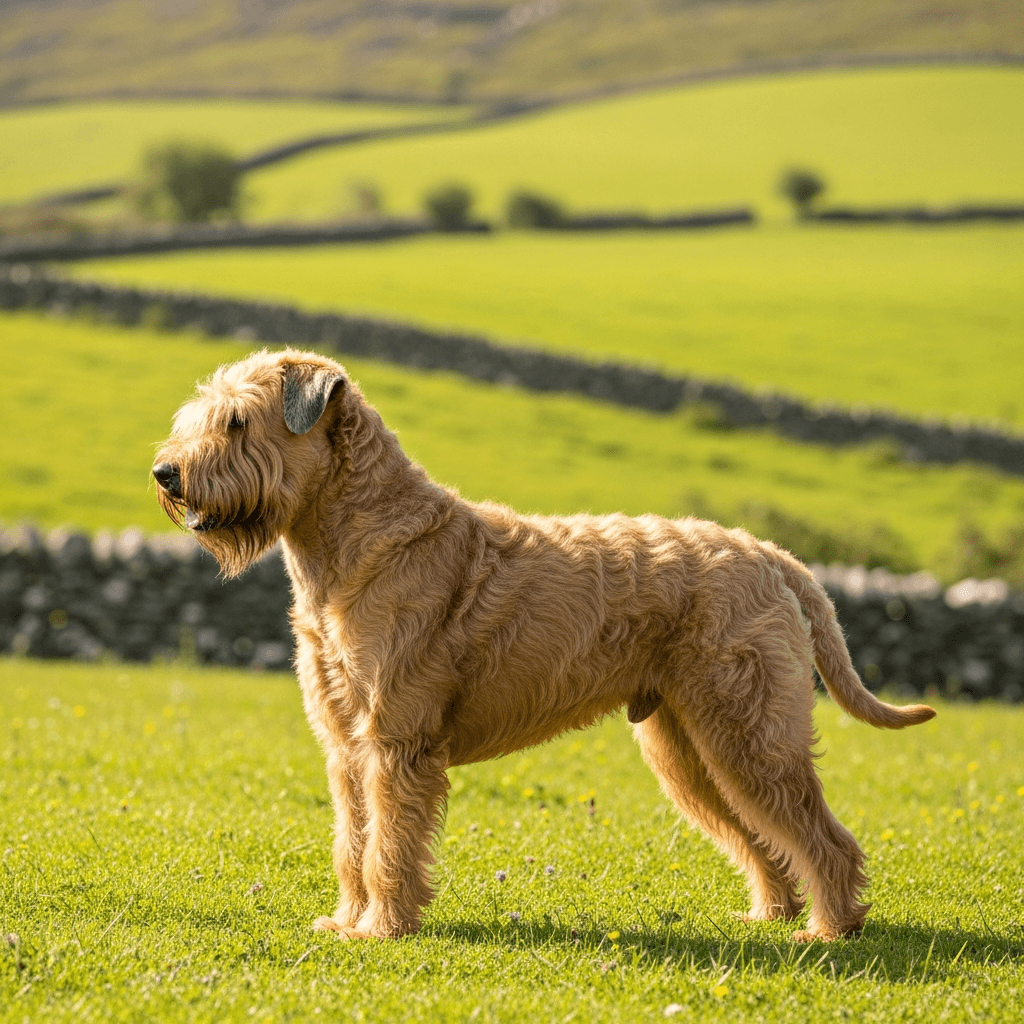
Irish Soft Coated Wheaten Terrier
FCI Group
3• FCI 40
Size
Medium
Origin Country
IE
Height
46-48 cm
Weight
16-20.5 kg
Lifespan
11-13 years
Temperament
Overview
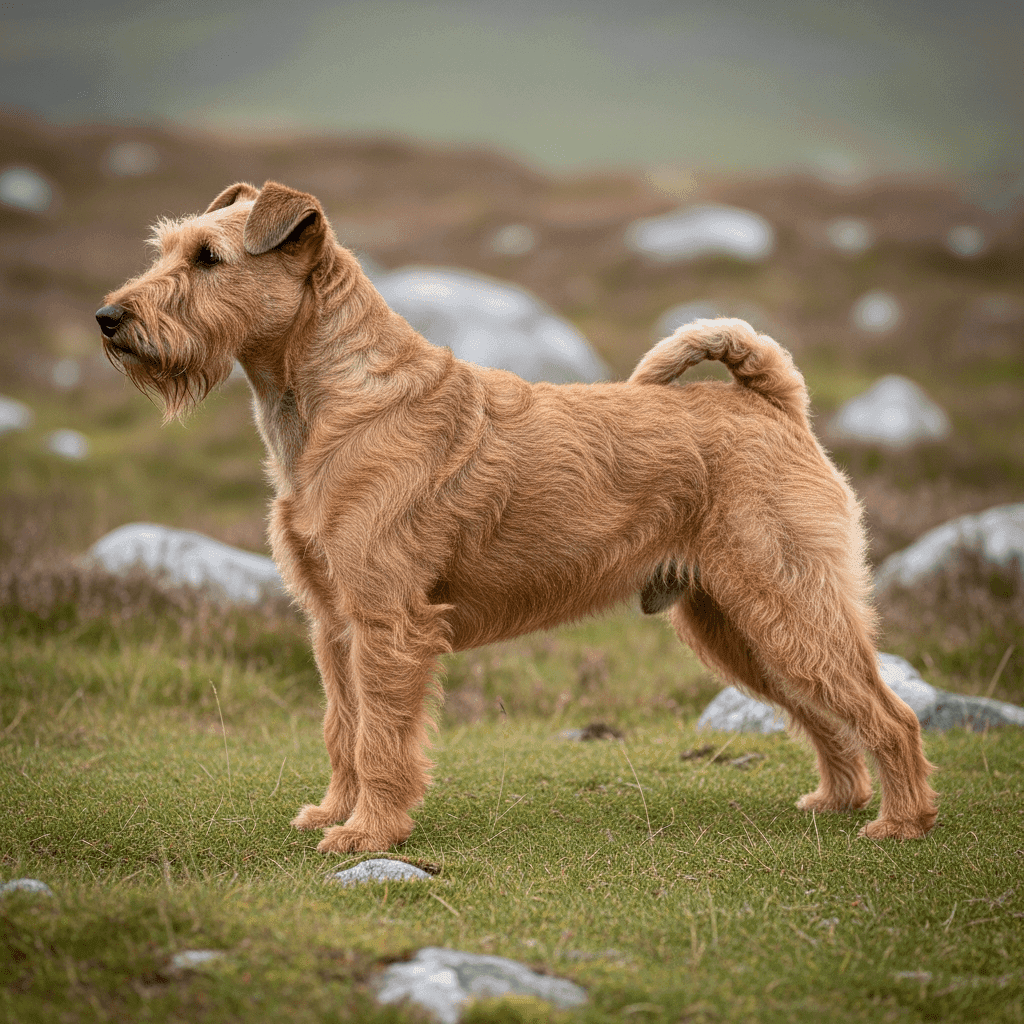
Irish Soft Coated Wheaten Terrier is a unique Irish dog breed that captivates with its silky, wheat-colored coat and exceptionally friendly disposition. Originating from picturesque Ireland, this breed has served as an indispensable helper to Irish farmers for over 200 years, assisting in daily farming tasks and hunting rodents and badgers.
The characteristic body structure of Wheaten Terriers attracts attention with its harmony and compactness. Males reach a height of 46 to 48 cm at the withers, while females are slightly smaller, measuring 43 to 46 cm. The weight of these dogs typically ranges from 16 to 20.5 kg, making them a medium-sized breed, ideal for living in a house with a garden as well as in an apartment (provided they receive adequate exercise).
The temperament of Wheaten Terriers is a true treasure of this breed. They are extremely loyal to their owners, intelligent, and full of energy. Their cheerful disposition and natural desire to play make them excellent companions for families with children, where they can be both patient friends and lively partners for shared activities. Wheaten Terriers also possess a balanced character, which means they rarely show aggression or excessive distrust towards strangers.
A unique feature of this breed is their soft, silky coat, which practically does not shed, making Wheaten Terriers an ideal choice for allergy sufferers. Their fur has a beautiful, warm wheat shade – ranging from light blonde to deep gold. However, it is important to remember that this wonderful coat requires regular grooming and brushing to maintain its beautiful appearance and avoid matting.
The history of the breed is fascinating and somewhat unusual. Unlike many other breeds, the Wheaten was a dog of ordinary people – farmers and craftsmen, not aristocrats. It was not until 1937 that the Irish Kennel Club officially recognized this breed, and from that moment on, Wheaten Terriers began to gain international popularity. Today, they are valued worldwide as wonderful family dogs, combining beauty, intelligence, and unwavering loyalty.
Physical activity is crucial for the happiness and health of Wheaten Terriers. These energetic dogs require daily walks, outdoor play, and regular mental stimulation. Without the appropriate amount of exercise, they can become restless and exhibit undesirable behaviors. Therefore, the Irish Soft Coated Wheaten Terrier is an ideal choice for active families who enjoy spending time outdoors and are willing to dedicate time to daily exercise with their four-legged friend.
Appearance of the Irish Soft Coated Wheaten Terrier is a combination of elegance with a strong, compact body structure. These dogs have a harmonious silhouette that is neither too long-legged nor too short – everything about them is perfectly balanced.
Body dimensions:
- Height at the withers (males): 46-48 cm
- Height at the withers (females): 43-46 cm
- Weight: 16-20.5 kg (depending on gender and build)
The head and muzzle are strong but never heavy or clumsy. The skull is flat, with a clearly defined stop (the transition from forehead to nose). The nose is always black, large, and well-developed. The eyes are dark (from dark brown to hazel), medium-sized, set quite wide apart, expressing intelligence and alertness. The Wheaten's gaze is full of life and curiosity.
Ears are small to medium-sized, falling forward, close to the head. They are not too thick or fleshy, covered with shorter hair of the same wheat color as the rest of the body.
Coat – the true hallmark of the breed:
- Texture: Soft, silky, slightly wavy (never stiff or coarse)
- Color: Wheat – from light blonde to deep golden shade of mature wheat
- Length: Medium to long, evenly covering the entire body
- Characteristics: Grows throughout life, practically does not shed
- Puppies: Are born darker (often with black or reddish shades), reaching the target wheat color between the 18th and 30th month of life
Characteristic beard and whiskers are one of the most recognizable features of Wheatens, giving them a charming, friendly expression. The hair on the muzzle is naturally longer, creating a distinctly outlined beard.
The body is compact and strong, with well-developed muscles. The chest is deep, the back is straight and strong, and the loins are short. Overall, it presents the image of a dog in good physical condition and strength.
The tail is well set, carried joyfully (raised upwards), but never curled over the back. Traditionally, the tail was docked to two-thirds of its length; however, in many countries (including Poland), tail docking is now prohibited, so a natural, long tail is becoming the norm.
The limbs are straight, strong, and well-muscled. The Wheaten's movement is free, harmonious, and full of energy – during running, the limbs move parallel, and the whole body gives an impression of lightness and grace despite its solid build.
Irish Soft Coated Wheaten Terrier is a breed with a remarkably friendly and balanced temperament, making it an ideal family dog. Wheatens combine traits typical of terriers – energy, courage, and a sharp mind – with gentleness and patience, which makes them excellent companions for families with children.
Key personality traits:
- Friendliness: Extremely social, they love being around people
- Loyalty: They form deep attachments to their family and are faithful companions
- Intelligence: They quickly learn new things, being sharp and observant
- Joy of life: Full of energy and enthusiasm, always ready to play
- Balance: Despite the typical liveliness of terriers, they are not nervous or hyperactive
Family behavior is one of the greatest assets of Wheatens. These dogs are incredibly patient and gentle with children, often becoming their best friends. They love to participate in all family activities and cannot stand loneliness – left alone for too long, they may show signs of stress and boredom.
Attitude towards strangers is usually friendly, although Wheatens may initially be wary of unfamiliar people. They are not aggressive, but their alertness and tendency to bark at unknown individuals make them capable of being a good alarm dog. After proper socialization, they accept new people and are eager to interact with them.
Relationships with other animals can vary. Wheatens generally tolerate other dogs well, especially when properly socialized from a young age. However, they may exhibit hunting instincts towards small animals (cats, rodents, rabbits), which is a legacy of their working past. Early socialization is crucial if there are other pets in the home.
Energy level of Wheatens is high – they are active dogs that require regular exercise and mental stimulation. Lack of appropriate exercise can lead to behavioral issues such as:
- Excessive barking
- Destructive behaviors (chewing furniture, destroying things)
- Disobedience
- Hyperactivity
Typical terrier traits are milder in Wheatens than in other representatives of this group. They may show some stubbornness and independence, but at the same time, they are more inclined to cooperate with their owner than many other terrier breeds. They may have a tendency to dig holes in the garden – a natural behavior linked to their hunting background.
Emotionality and sensitivity are other important aspects of Wheatens' character. They are very sensitive to their owners' moods and react poorly to harsh, angry disciplinary methods. They need consistency and clear rules, but always in an atmosphere of positivity and kindness.
Characteristic behaviors:
- Wheaten Greetin': An energetic greeting of the owner with jumping, spinning, and showing joy – it can be excessive and requires training
- Vocalization: They can be quite loud, barking to express emotions or as an alarm
- Curiosity: They explore their surroundings with great interest, which requires supervision in new places
Overall, the Irish Soft Coated Wheaten Terrier is a dog with a wonderful, gentle character that will thrive in an active family ready to devote time and attention to them. They are a reliable, loyal friend who will fill the home with joy and warmth.
Irish Soft Coated Wheaten Terrier is generally a healthy breed with an average lifespan of 12-15 years. Proper care, appropriate nutrition, and regular veterinary visits can help ensure a Wheaten lives a long, healthy life.
Genetic diseases characteristic of the breed:
1. Protein Losing Nephropathy (PLN):
- Serious kidney disease leading to protein loss in urine
- Commonly occurs in Wheaten Terriers aged 2-8 years
- Symptoms: loss of appetite, dehydration, ascites, weakness
- Requires early detection through regular urine and blood tests
- Genetic testing is available from responsible breeders
2. Protein Losing Enteropathy (PLE):
- Gastrointestinal disease causing protein loss through the intestines
- Symptoms: diarrhea, vomiting, weight loss, lack of appetite
- Requires appropriate diet and veterinary treatment
- May coexist with PLN
3. Hip Dysplasia (HD):
- Abnormal development of the hip joint leading to arthritis
- Symptoms include limping, pain, and limited mobility
- Responsible breeders perform X-ray examinations of parents before breeding
- Can be managed through proper diet, supplementation, and physiotherapy
4. Cataract:
- Gradual clouding of the eye lens
- Can lead to impaired vision or blindness
- More common in older dogs
- Surgery may be possible in severe cases
5. Progressive Retinal Atrophy (PRA):
- Hereditary eye disease leading to blindness
- First symptoms: deterioration of vision in low light
- Genetic testing is available from breeders
6. Hypothyroidism:
- Hormonal disorder affecting metabolism
- Symptoms: weight gain, lethargy, skin problems
- Easy to detect through blood tests
- Managed through thyroid hormone supplementation
Other potential health issues:
- Skin allergies: Wheatens may be prone to food and environmental allergies
- Ear infections: Due to their floppy ears, they require regular checks and cleaning
- Dental problems: Regular oral hygiene is necessary
- Obesity: Tendency to gain weight with an improper diet
Prevention and healthcare:
- Regular veterinary check-ups: At least once a year, more often for older dogs
- Urine and blood tests: Annually, especially to detect PLN/PLE
- Vaccinations and deworming: According to the veterinarian's schedule
- Weight management: Avoiding obesity through proper nutrition and exercise
- Ear hygiene: Regular checking and cleaning
- Oral hygiene: Tooth brushing, dental chews
Temperature tolerance:
- Heat: Wheatens do not tolerate high temperatures – during hot days, activity should be limited, shade and access to fresh water should be provided. Never leave a dog in a closed car!
- Cold: Their silky coat does not provide as good insulation as the double coat of other breeds – on freezing days, they may need protective clothing during longer walks
Choosing a puppy from a responsible breeder is the best prevention against genetic diseases. A good breeder conducts genetic tests on the parents, maintains health documentation, and provides puppies from lines free of hereditary conditions.
Grooming the Irish Soft Coated Wheaten Terrier is one of the most important aspects of caring for this breed. Their beautiful, silky coat requires regular and systematic grooming to maintain a healthy appearance and avoid issues related to matting.
Brushing (the most important element of grooming):
- Frequency: At least 3-4 times a week, ideally daily
- Time: 15-30 minutes per session
- Tools: Brush with steel pins, metal comb with wide and narrow teeth, slicker brush (for detangling delicate mats)
- Technique: Brush in layers, from the skin to the tips of the hair, paying special attention to areas prone to matting (armpits, behind the ears, on the belly, between the toes)
Bathing:
- Frequency: Every 4-6 weeks or as needed
- Shampoo: High-quality dog shampoo for delicate, silky coats (pH adjusted for dogs)
- Conditioner: Recommended to use a conditioner that facilitates detangling and adds silkiness
- Drying: Dryer with cool or slightly warm air, while simultaneously brushing the coat
- IMPORTANT: Thoroughly brush the coat before bathing – mats in wet fur tighten even more!
Clipping (2-3 times a year):
There are two clipping styles for Wheatens:
- Natural trim (pet trim): Easier to maintain, shorter fur on the body (2-5 cm), longer on the head and limbs, with the beard and whiskers preserved
- Show trim: Long, natural fur, minimal trimming, requires significantly more grooming work
For most family dog owners, natural trimming is recommended, as it is practical and easy to maintain. You can learn to groom yourself or use the services of a professional groomer every 6-8 weeks.
Areas requiring special attention:
- Beard and whiskers: Require daily wiping (especially after eating), regular washing, and brushing
- Fur between the toes: Needs regular trimming to avoid matting and dirt accumulation
- Intimate areas: Shorter trimming for hygiene
- Fur around the eyes: Trimming to prevent irritation to the eyes
Ear care:
- Frequency of checks: Weekly
- Cleaning: Gentle cleaning of the outer ear with a cotton ball and ear cleaning solution (veterinary)
- Removing hair from the ear canal: Wheatens have hair inside their ears that needs to be regularly removed (manually or by a groomer) to prevent infections
- Signs of problems: Unpleasant odor, redness, scratching – require consultation with a veterinarian
Dental care:
- Brushing teeth: Ideally daily, minimum 2-3 times a week
- Toothpaste: Special toothpaste for dogs (never human toothpaste!)
- Toothbrush: Dog toothbrush or finger brush
- Dental chews: Additional support for oral hygiene
- Professional cleaning: At the veterinarian every 1-2 years (depending on the condition of the teeth)
Nail trimming:
- Frequency: Every 2-4 weeks (when you can hear the nails clicking on the floor)
- Tools: Guillotine or scissors-type clippers, file for smoothing
- Technique: Trim small pieces, being careful of the pink part (blood vessel)
- Alternative: Regular walks on hard surfaces naturally wear down the nails
Skin check:
- During brushing, check the skin for irritations, rashes, ticks, fleas
- Wheatens may be prone to allergies – report any skin changes to the veterinarian
Grooming costs:
- Self-grooming: The cost of tools (brushes, scissors, clippers) is about 200-500 PLN one-time + cosmetics (shampoo, conditioner) about 50-100 PLN/month
- Professional grooming: 150-300 PLN per visit (every 6-8 weeks) = about 900-1800 PLN/year
Most common grooming mistakes:
- Brushing too infrequently leading to matting
- Bathing before detangling the coat
- Using inappropriate cosmetics (e.g., human shampoos)
- Neglecting ear and dental care
- Waiting too long between trims
Proper, regular grooming is the key to maintaining a beautiful, silky coat for the Wheaten and ensuring their comfort. It is worth dedicating this time – the reward of a healthy, beautifully looking dog is priceless!
Irish Soft Coated Wheaten Terrier is a breed with a high energy level that requires regular and varied physical activity to remain healthy, happy, and well-behaved. A lack of adequate exercise can lead to behavioral problems and excessive frustration.
Minimum exercise requirements:
- Time: 60-90 minutes daily (divided into 2-3 sessions)
- Intensity: Moderate to high
- Type: A combination of walks, play, and mental stimulation
Daily walks:
- Morning: 30-45 minutes of walking (moderate to brisk pace)
- Evening: 30-45 minutes of walking with the option for free running (if safe)
- Optional at noon: A short walk of 15-20 minutes
- Diversity: Changing routes, exploring new places (stimulating senses and curiosity)
Outdoor play:
- Fetching: Wheatens love to fetch balls, frisbees, toys
- Chasing games: Running after the owner, playing tag
- Water play: Many Wheatens enjoy swimming (lake, river, dog pool)
- Play with other dogs: Socialization and activity in one (dog parks, meet-ups with dog friends)
Mental stimulation (just as important as physical!):
- Training and learning new commands: 10-15 minutes daily
- Scent games: Searching for treats hidden in the house/garden, tracking training
- Interactive toys: Dog puzzles, Kong toys with hidden food
- Educational games: Hide and seek, learning the names of toys
Recommended sports activities:
- Agility: An excellent form of exercise combining speed, agility, and cooperation with the owner
- Obedience: Obedience competitions, great for mental stimulation
- Flyball: A dynamic team sport involving fetching and obstacles
- Canicross/bikejoring: Running with the dog (the dog pulls the owner on a leash)
- Dog dancing: Dancing with the dog to music (great for creative owners)
- Nose work: Scent training – ideal for natural hunting abilities
Activity based on age:
Puppies (up to 12 months):
- Short, frequent play sessions (5-10 minutes several times a day)
- Avoid intense jumping and running on hard surfaces (to protect joints)
- Focus on socialization and play
Adult dogs (1-8 years):
- Full activity – 60-90 minutes daily
- Diverse forms of exercise
- Opportunity to engage in dog sports
Seniors (8+ years):
- Adjust intensity to the dog's condition
- Longer, calmer walks instead of intense runs
- Avoid overloading joints
- More mental stimulation (instead of physical)
Weather conditions:
- Heat: Walks during cooler parts of the day (morning, evening), avoiding hot asphalt, access to water
- Frost: Wheatens do not have an undercoat – in very low temperatures, they may need a protective jacket
- Rain: Wheatens often love rain and mud – be prepared for extra grooming after walks!
Consequences of lack of exercise:
- Excessive barking
- Destructive behaviors (chewing furniture, destroying things)
- Hyperactivity and nervousness
- Concentration problems during training
- Obesity and health issues
- Frustration and sadness
Wheaten in an apartment vs. house with a garden:
- Apartment: Possible, but requires REGULAR, long walks and trips to dog parks
- House with a garden: Ideal, but a garden DOES NOT REPLACE walks – Wheatens need exploration of new places and stimuli
Wheatens are active, energetic dogs that need owners willing to dedicate time to daily exercise and play. In return, you will receive a healthy, happy, and well-behaved companion who will fill your life with joy and activity!
Training the Irish Soft Coated Wheaten Terrier is a process that requires consistency, patience, and a positive approach. Wheatens are intelligent and eager to learn, but they also possess the typical independence and stubbornness of terriers, which means training must be interesting and engaging.
Key principles of effective training:
- Positive reinforcement: Rewarding appropriate behaviors (treats, praise, toys)
- Consistency: Uniform rules followed by all household members
- Short sessions: 5-15 minutes, several times a day (avoiding boredom)
- Diversity: Changing exercises, training locations, rewards
- NEVER physical punishment: Wheatens are sensitive – harsh methods destroy the bond and cause behavioral problems
Early socialization (2-4 months – CRITICAL PERIOD):
- Meeting people: Different individuals (children, adults, seniors), different outfits (hats, uniforms)
- Meeting dogs: Encounters with well-behaved dogs of various breeds and sizes
- Meeting environments: City, park, forest, beach, dog-friendly stores
- Sounds: Cars, trains, vacuum cleaners, music, fireworks (recordings)
- Touch: Getting used to touching paws, ears, muzzle (preparation for grooming and vet visits)
Basic commands (to master in the first year of life):
- Sit: Basic – the dog sits on command
- Lie down: The dog lays down on command
- Stay: The dog remains in place until released
- Come/Here: Recall – the most important safety command
- No: Interrupting unwanted behavior
- Leave it: The dog ignores something/does not pick something up
- Heel: Walking by the side without pulling on the leash
Potty training (puppies):
- Rule: Take the puppy out every 2-3 hours + after meals, naps, playtime
- Rewarding: Immediate reward for going outside
- No punishment: Never punish for accidents in the house – watch for signals and take out earlier
- Time: Most Wheatens master potty training by 4-6 months
Common challenges in training Wheatens:
1. Wheaten greeting:
- Problem: Excessive jumping and hyperactivity when greeting
- Solution: Ignoring the dog upon entry (no eye contact, no talking), rewarding only when calm, command Sit before greeting
2. Pulling on the leash:
- Problem: Wheatens are energetic and pull forward
- Solution: Stopping when the dog pulls, moving only when the leash is loose, rewarding walking beside the leg, using a harness (not a collar) for comfort
3. Selective hearing:
- Problem: Ignoring recall when something interesting is nearby
- Solution: Regularly practicing recall in controlled conditions, ALWAYS rewarding for recall (even if it took a while), using a long line at the beginning
4. Excessive barking:
- Problem: Barking at noises, guests, other dogs
- Solution: Teaching the command Quiet, rewarding for calmness, ensuring adequate exercise and stimulation (a tired dog = a calm dog)
5. Stubbornness and independence:
- Problem: The Wheaten sometimes decides it does not want to cooperate
- Solution: Short, interesting training sessions, using high-value rewards, avoiding repetition and boredom
Advanced training:
- Agility: Obstacle training – an excellent form of activity and cooperation
- Nose work: Scent training – utilizing natural abilities
- Therapy dog: Wheatens can be therapy dogs (hospitals, nursing homes, schools)
- Trick training: Learning tricks (give paw, spin, play dead) – great mental stimulation
When to seek help from a behaviorist/trainer:
- Aggression towards people or animals
- Extreme separation anxiety (destruction, howling, panic)
- Uncontrollable barking for long periods
- Potty issues in an adult dog
- Lack of progress in basic training
Best training methods for Wheatens:
- Clicker training: Precise marking of appropriate behaviors
- Lure-reward: Leading the dog with a treat, then rewarding
- Shaping: Rewarding small steps leading to the desired behavior
Remember:
- Wheatens learn THROUGHOUT THEIR LIVES – training never ends
- Consistency and patience are the keys to success
- Every dog is different – adapt methods to individual needs
- Fun and joy must be an integral part of training
A properly trained Irish Soft Coated Wheaten Terrier is a great companion – obedient, yet full of personality, well-mannered, but full of joy for life. It is a time investment that will result in a wonderful relationship for years to come!
Proper nutrition for the Irish Soft Coated Wheaten Terrier is crucial for their health, physical condition, and coat quality. Wheaten Terriers have a tendency to gain weight, so portion control and the quality of food are extremely important.
Basic nutrition guidelines:
- High-quality food: Choose food with a high meat content (minimum 25-30% protein) and without unnecessary fillers
- Appropriate amount: Adjusted to age, weight, activity level, and health status
- Regular meals: Twice a day for adult dogs (morning and evening)
- Fresh water: Always available, frequently changed
- Avoid table scraps: Can lead to obesity and digestive problems
Caloric requirements (for a dog weighing 18-20 kg):
- Low activity dog: 800-1000 kcal/day
- Moderately active dog: 1000-1200 kcal/day
- Very active dog: 1200-1500 kcal/day
- Puppies: 1300-1600 kcal/day (depending on age and growth rate)
- Seniors: 700-900 kcal/day (lower energy requirements)
Types of food:
1. Dry food (kibble):
- Advantages: Convenient, cheaper, helps clean teeth
- Disadvantages: Less palatable for some dogs, contains preservatives
- Recommendation: Premium or super premium food with high meat content
2. Wet food (canned):
- Advantages: More palatable, high water content, better digestibility
- Disadvantages: More expensive, requires refrigeration after opening
- Recommendation: Can be mixed with dry food (e.g., 50/50)
3. BARF diet (raw meat and vegetables):
- Advantages: Natural, full control over ingredients, excellent coat quality
- Disadvantages: Time-consuming, requires knowledge of balanced ingredients, expensive
- Recommendation: Consult with a veterinarian/dog nutritionist before starting
4. Home-cooked diet:
- Advantages: Natural, no preservatives, control over ingredients
- Disadvantages: Time-consuming, risk of an unbalanced diet
- Recommendation: Only under the supervision of a veterinarian/nutritionist
Key nutrients:
- Protein: 25-30% (meat, fish, eggs) – muscle and tissue building
- Fats: 12-18% (omega-3 and omega-6 fatty acids) – healthy skin and coat
- Carbohydrates: Rice, oats, potatoes – source of energy
- Fiber: Vegetables, fruits – digestive health
- Vitamins and minerals: A, D, E, calcium, phosphorus – overall health
Nutrition at different life stages:
Puppies (2-12 months):
- Food: Specially formulated for medium breed puppies
- Frequency: 3-4 meals a day (up to 6 months), then 2-3 meals
- Portion size: According to the manufacturer's instructions (usually 150-300g/day depending on age)
- Transition to adult food: Around 12 months (gradually over 7-10 days)
Adult dogs (1-8 years):
- Food: For adult medium breed dogs
- Frequency: 2 meals a day
- Portion size: 200-400g of dry food per day (depending on activity)
- Weight control: Regular weighing, adjusting portions
Seniors (8+ years):
- Food: Specially formulated for older dogs (fewer calories, more fiber)
- Frequency: 2 meals a day
- Supplementation: Glucosamine and chondroitin for joints, omega-3 for heart and joints
- Portion size: Reduced by 10-20% compared to adult dogs
Special nutritional needs of Wheaten Terriers:
1. Prevention of PLN/PLE (protein-losing nephropathy/enteropathy):
- Food with moderate high-quality protein content
- Avoid excess sodium
- Supplement with omega-3 fatty acids
- Regular blood and urine tests with a veterinarian
2. Food allergies:
- Wheaten Terriers may be prone to allergies (chicken, beef, wheat, corn)
- Symptoms: itchy skin, digestive problems, red ears
- Solution: Hypoallergenic food (lamb, fish, venison), elimination diet under veterinary supervision
3. Weight control:
- Wheaten Terriers easily gain weight – regular weighing (once a month)
- Ideal weight: you should feel the ribs under a thin layer of fat, see the waist from above
- Overweight: Reduce portions by 10-20%, increase activity
Healthy snacks and treats:
- Fruits: Apples (without seeds), berries, watermelon (without seeds)
- Vegetables: Carrots, broccoli, green beans, cucumber
- Meat: Cooked chicken, turkey (without bones and seasoning)
- Special treats: Dried meat, dental chews
- Limit: Treats should not make up more than 10% of daily diet
DANGEROUS foods (NEVER feed):
- Chocolate: Toxic, can be fatal
- Onions and garlic: Damage red blood cells
- Grapes and raisins: Toxic to kidneys
- Avocado: Contains toxic persin
- Xylitol (sweetener): Highly toxic, causes low blood sugar and liver failure
- Alcohol: Toxic
- Cooked bones: Can splinter and damage the digestive tract
- Fatty foods: Leads to pancreatitis
Supplementation:
- Omega-3: For healthy skin and beautiful coat
- Glucosamine and chondroitin: For older dogs – joint support
- Probiotics: For digestive health
- Always consult with a veterinarian before starting supplementation!
Changing food:
- Always gradually over 7-10 days
- Day 1-2: 25% new food + 75% old
- Day 3-4: 50% new food + 50% old
- Day 5-6: 75% new food + 25% old
- Day 7+: 100% new food
Proper nutrition is the foundation of health and a long life for your Irish Soft Coated Wheaten Terrier. Investing in high-quality food and portion control will result in a healthy, energetic, and beautifully looking dog!
Characteristic Traits
Pros
- Friendly and gentle temperament
- Excellent family dog
- Non-shedding (hypoallergenic)
- Intelligent and easy to train
- Medium size perfect for home
- Versatile and energetic
- Loyal and devoted to owners.
Cons
- Requires regular and time-consuming coat care
- Needs a lot of exercise and activity
- Can be stubborn in training
- Prone to genetic diseases (PLN/PLE)
- Excessive greetings (jumping)
- May bark at strangers
- Cannot stand loneliness.
Behavioral Ratings
Breed History
The History of the Irish Soft Coated Wheaten Terrier is a fascinating tale of a dog breed belonging to ordinary people – Irish farmers, craftsmen, and laborers, not to the aristocracy, like many other breeds. It is this folk heritage that gives Wheatens their friendly, approachable character.
Ancient Roots (over 200 years of history):
The history of Wheatens dates back at least 200 years, although some breed historians suggest they may be even older. Wheatens are likely the oldest of the four Irish terrier breeds (alongside the Irish Terrier, Irish Soft Coated Wheaten Terrier, Kerry Blue Terrier, and Glen of Imaal Terrier). Mentions of dogs with soft, wheat-colored coats appear in Irish texts as early as the 18th century.
Role in the Lives of Irish Farmers:
For centuries, Wheatens were versatile working dogs on small Irish farms. Their tasks included:
- Hunting rodents: Rats, mice, weasels – protecting food supplies
- Hunting badgers and otters: Difficult, dangerous hunts requiring courage and perseverance
- Guarding livestock: Helping to herd sheep and cattle
- Protecting the homestead: Barking warning at strangers
- Accompanying the family: Being beloved members of households
Wheatens were called the poor man's dog because there was a law in Ireland prohibiting ordinary people from owning large hunting dogs (which were reserved for the aristocracy). Wheatens, being medium-sized dogs, were the perfect solution – versatile enough for work but compliant with the law.
Connection to Other Irish Terriers:
Wheatens have close ties to other Irish terrier breeds. There are theories that:
- Irish Terrier was developed by crossing Wheatens with rough-coated dogs
- Kerry Blue Terrier may share common ancestors with Wheatens (though Kerry Blues have blue coats)
- Glen of Imaal Terrier may also share common roots
Despite their long history, for centuries, Wheatens were an unknown breed outside of Ireland, regarded as working dogs, not show dogs.
Official Breed Recognition (20th Century):
A turning point for the breed came in 1937, when the Irish Kennel Club officially recognized the Irish Soft Coated Wheaten Terrier as a distinct breed. Credit goes to a group of enthusiasts, including breeders such as:
- P.J. O'Connor – one of the pioneers of breed recognition
- Gerald Pierse – a breeder actively promoting the breed
The first breed standard was approved, and Wheatens began to appear at dog shows. The breed slowly gained recognition, although it remained virtually unknown outside of Ireland.
International Expansion (1950s - 1970s):
Between 1946-1957, the first Wheatens arrived in the United States, where they immediately gained popularity among dog lovers. The American Kennel Club (AKC) officially recognized the breed in 1973.
In Great Britain, the breed was recognized by the Kennel Club in 1971, and the first British breed club was established at the same time.
1980s - 2000: Growing Popularity
Since the 1980s, Wheatens have been gaining increasing popularity worldwide as family dogs. Key features that contributed to their success include:
- Friendly, gentle temperament
- Beautiful, silky coat that doesn't shed (ideal for allergy sufferers)
- Medium size – perfect for living in homes and apartments
- Versatility – excellent as both family and sporting dogs
Wheatens in Culture and Media:
- The breed has appeared in several films and television shows
- They are favorites among celebrities (e.g., Meryl Streep had a Wheaten)
- Active communities of breed enthusiasts around the world
Modern Times (21st Century):
Today, the Irish Soft Coated Wheaten Terrier is a popular breed worldwide, valued for:
- Excellent family character
- Beautiful appearance
- Versatility (companion, sport, therapy)
- Hypoallergenic coat
The breed is particularly popular in:
- USA and Canada: Thousands of registered dogs, numerous breed clubs
- Great Britain and Ireland: The breed's homeland, still very popular
- Continental Europe: Growing popularity in Germany, France, Poland
- Australia: Popular family dogs
Contemporary Challenges:
- Genetic diseases: PLN/PLE require responsible breeding and genetic testing
- Popularity leading to irresponsible breeding: It's important to choose dogs from certified, ethical breeders
- Maintaining character traits: Some breeders focus only on appearance, neglecting temperament
Breed Organizations:
- Ireland: Irish Soft Coated Wheaten Terrier Club of Ireland
- USA: Soft Coated Wheaten Terrier Club of America (SCWTCA)
- Great Britain: Soft Coated Wheaten Terrier Club of Great Britain
- International: FCI (Fédération Cynologique Internationale) – Group 3, Section 1
The Irish Soft Coated Wheaten Terrier has come a remarkable way from being a humble working dog of Irish farmers to a beloved family dog worldwide. Its history is a testament to the versatility, loyalty, and dependable character that make Wheatens so cherished by their owners. It is a breed with a rich heritage that has found its place in the modern world while retaining its unique Irish charm.