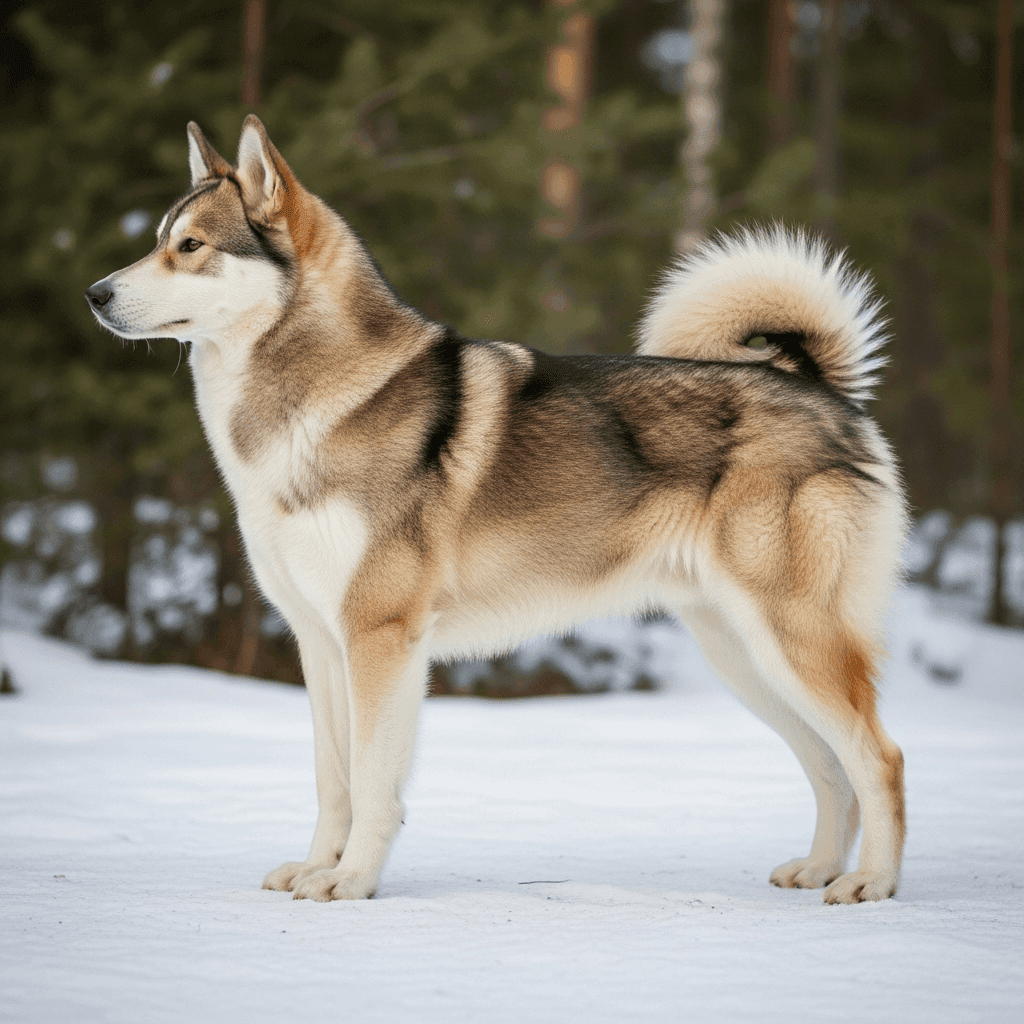
West Siberian Laika
FCI Group
5• FCI 306
Size
Medium
Origin Country
XX
Height
51-62 cm
Weight
18-25 kg
Lifespan
11-13 years
Temperament
Overview
The West Siberian Laika (Zapadno-Sibirskaïa Laïka) is a unique breed of hunting dogs with a rich history, whose roots trace back to the remote areas of the northern Ural Mountains and western Siberia. Developed through the selection of hunting dogs by the Khanty and Mansi tribes, this Russian breed has been valued for its versatile hunting skills for centuries, particularly in hunting fur-bearing animals such as sable, as well as larger game.
West Siberian Laikas are medium to slightly larger-sized dogs that combine elegance, strength, and independence. Their balanced temperament and high intelligence make them very affectionate and loyal to their owners when properly socialized. They are known for their devotion and attachment to family, making them excellent companions. While they are gentle with loved ones, they maintain a natural vigilance towards strangers, thus becoming effective guard dogs.
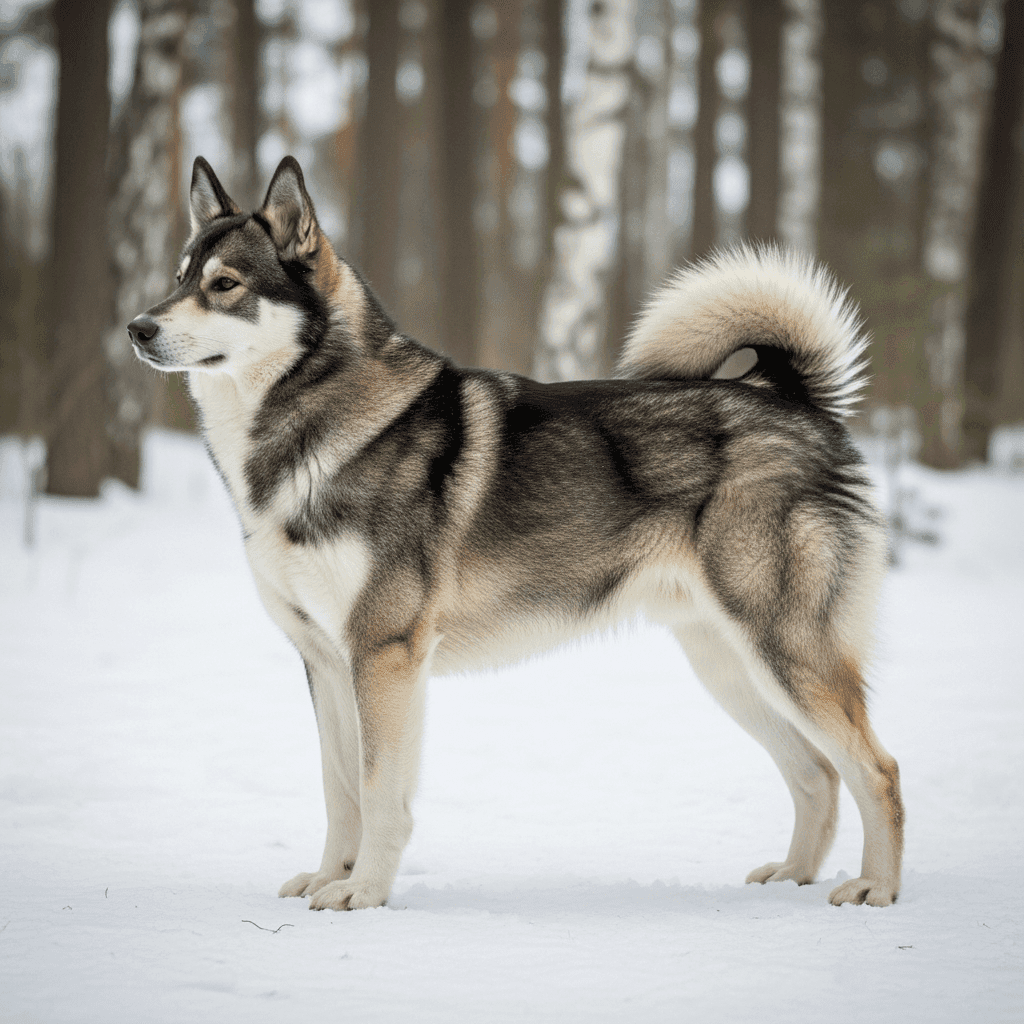
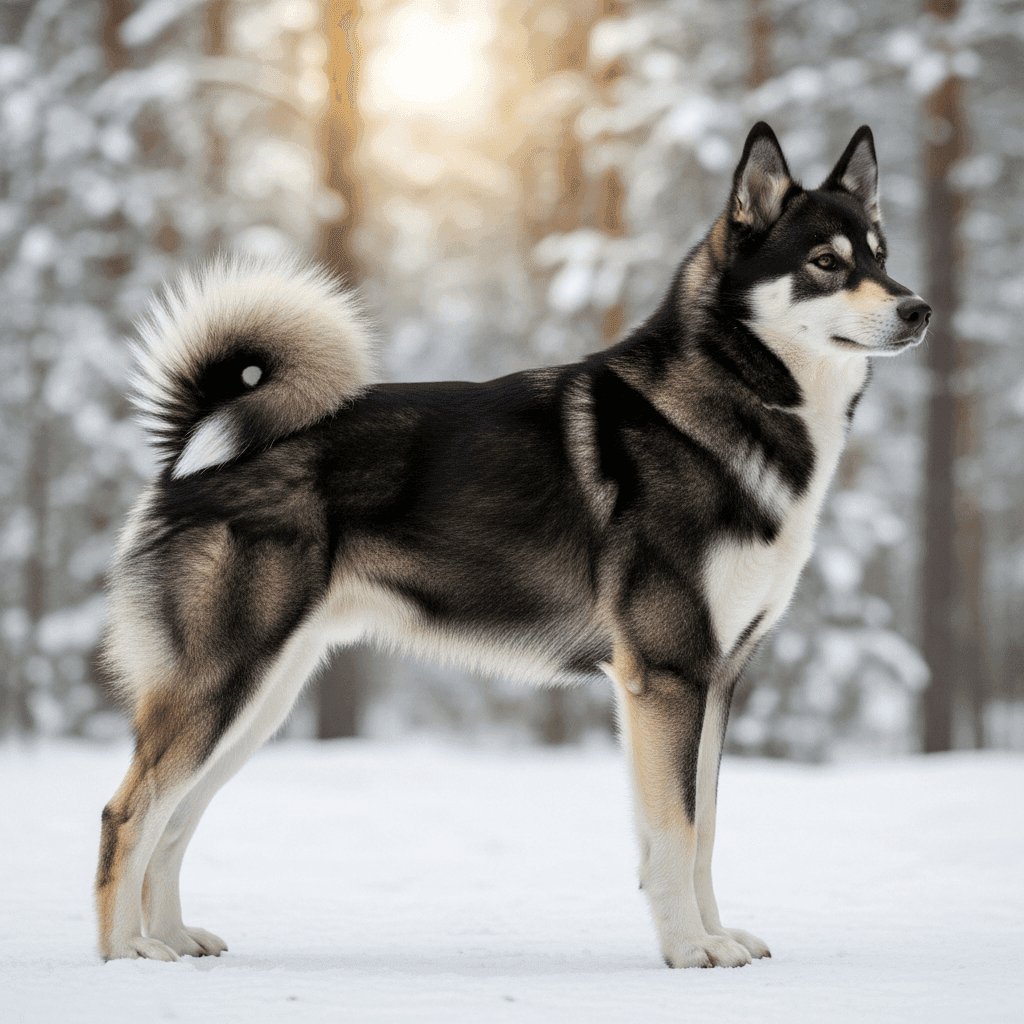
The physical build of the West Siberian Laika is strong, compact, and harmoniously constructed. The characteristic triangular skull, long pointed muzzle, and slanted eyes give these dogs a distinctive, wolf-like appearance. With a double coat consisting of a coarse outer layer and a dense, soft undercoat, Laikas are perfectly adapted to the harsh climatic conditions of Siberia. Their diverse coat colors – ranging from pure white, through shades of gray and red, to pepper-and-salt – add a unique character to these dogs.
Despite their growing popularity worldwide, West Siberian Laikas require an active lifestyle and consistent leadership. Their high energy, strong hunting instinct, and need for movement mean they thrive in environments where they can run freely and explore their surroundings. They are dogs for experienced owners who can provide them with proper training, consistent socialization, and regular mental and physical challenges.
In the following sections of the guide, we invite you to delve into the knowledge about the health, grooming, training, history, and behavior of the West Siberian Laika. You will learn why this exceptional breed has gained popularity not only in Russia but also in other countries, where it is valued both as a working dog and a family companion.
The West Siberian Laika is a dog of medium to slightly larger size with a strong, compact, and harmonious body structure. The height at the withers is:
- Males: 55-62 cm (ideally 58-60 cm)
- Females: 51-58 cm (ideally 54-56 cm)
The head has a characteristic wedge shape with a triangular skull that smoothly transitions into a long, pointed muzzle. The stop (the transition from the forehead to the muzzle) is well-defined but not overly pronounced. The eyes are oval, slanted, and always dark, giving the dogs an intelligent and attentive expression. The ears are erect, pointed, mobile, and set high on the head, further emphasizing their alertness.
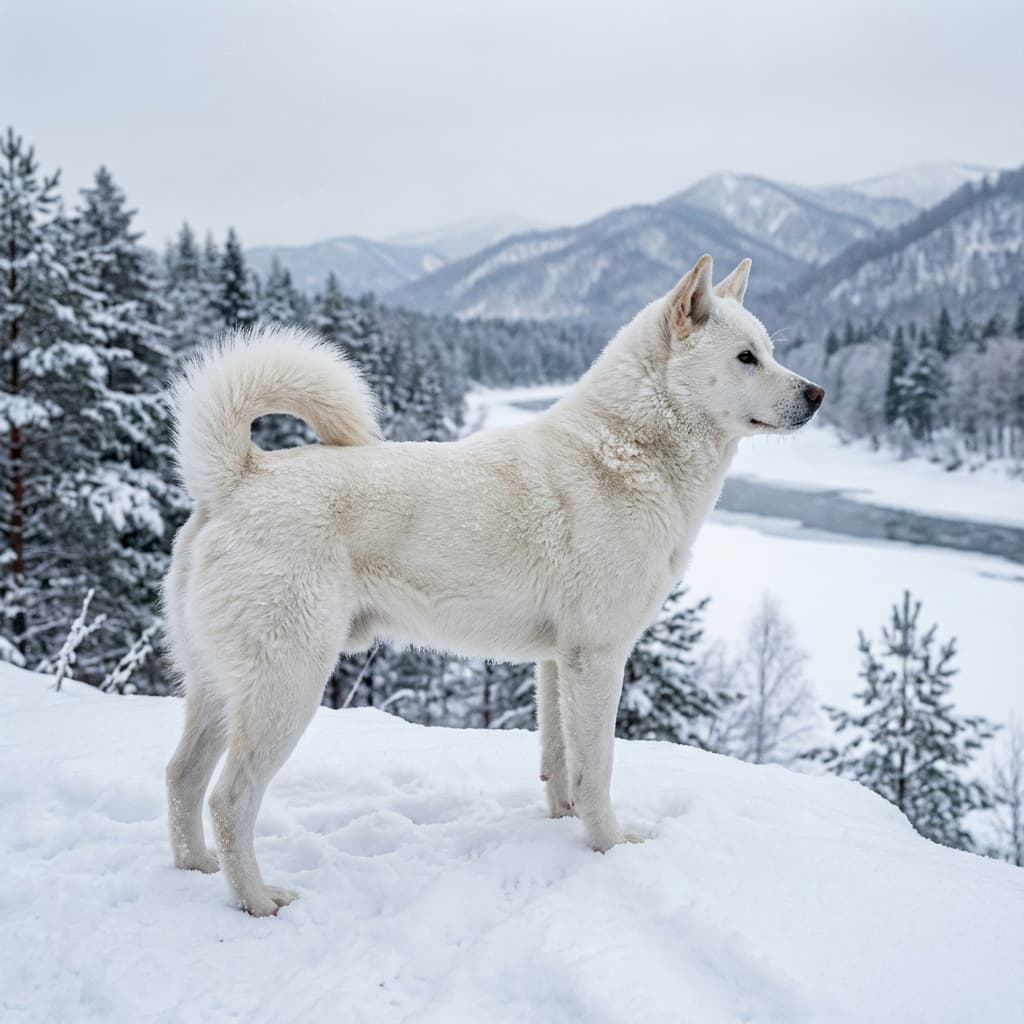
The coat of the Laika is double and well-developed – consisting of a hard, straight outer coat and a dense, soft undercoat that provides excellent protection against the cold. A characteristic collar forms around the neck and nape, particularly pronounced in males. The coloration is very diverse: white, gray, red in various shades, pepper-and-salt, as well as two-color combinations. The most commonly seen are white coats with spots in gray, red, or black.
The tail is strongly curled in a ring or sickle and carried over the back or hips. When extended, it reaches the hock joint or is 1-2 cm shorter. The limbs are strong, muscular, straight, and parallel, which ensures agility and endurance during hunting in difficult terrain. The paws are oval, compact, with well-developed hair between the toes.
The overall silhouette of the West Siberian Laika gives the impression of an elegant, athletic dog with wolf-like proportions – the body length exceeds the height at the withers by only 2-4 cm (especially in females, this ratio may be slightly longer). This build is perfectly adapted for prolonged work in challenging conditions.
The West Siberian Laika has a balanced, lively, and friendly temperament, but its independence and strongly developed hunting instinct can pose a challenge for inexperienced owners. These dogs are intelligent, learn quickly, and form strong attachments to their owners and family members. They exhibit a high level of loyalty and devotion, but can be distrustful or even distant towards strangers.
Proper socialization from the earliest puppy age is crucial to teach the Laika to accept new people, animals, and situations. Without adequate socialization, they may develop excessive shyness or wariness towards strangers. Laikas are quite active and require a significant amount of exercise and mental stimulation to avoid destructive behavior at home.
They can be loud – they enjoy barking and making characteristic sounds while tracking, which makes them excellent guard dogs, but this can be a problem in densely populated urban areas. Their high intelligence means they can learn many commands and tasks, but their stubborn and independent nature requires consistency, patience, and experience in handling strong-willed dogs.
West Siberian Laikas are also very independent and may have a tendency to escape, especially when they catch a scent of game. Therefore, it is important to provide them with a safe, fenced environment and controlled conditions during walks. Their strong hunting instinct means they may chase small animals, so coexisting with cats or rodents requires early acclimatization.
Despite their independence, West Siberian Laikas are dogs that need close contact with their family. They are not suited for life on a leash or in isolation – they need space, exercise, and interaction with their owner. With the right approach, they become wonderful, loyal, and intelligent companions for active individuals and families.
The West Siberian Laika is considered one of the healthiest and most resilient dog breeds. The average lifespan is between 12 to 15 years, which is a very good result for a dog of this size. Their strong body structure, natural immunity, and centuries of selection for endurance and stamina make them rarely susceptible to serious genetic diseases.
However, like any breed, Laikas can be prone to certain conditions, such as:
- Hip dysplasia – although it occurs less frequently than in larger breeds, it is advisable to conduct screening tests for breeding dogs
- Cryptorchidism – the failure of one or both testicles to descend into the scrotum
- Umbilical hernia – rarely encountered, usually a mild condition
- Ear infections – particularly in dogs working in difficult forest conditions
It is important to regularly monitor the health of the Laika and provide appropriate veterinary care – vaccinations, deworming, check-ups. Although the Laika tolerates frost and low temperatures well, it can be sensitive to heat. On hot days, it is essential to provide access to shade, fresh water, and limit intense activity during the hottest hours.
Maintaining an appropriate body weight is crucial for the health of the Laika. This breed naturally has a high metabolism and an active lifestyle, but without adequate exercise, it may tend to gain weight, leading to joint and circulatory problems. A balanced diet and regular physical activity are key to a long and healthy life.
It is also worth remembering that West Siberian Laikas have a low pain threshold and high resilience, which means they may hide symptoms of illness longer than other breeds. Therefore, observing the dog's behavior and responding quickly to any concerning symptoms is very important.
The care of the West Siberian Laika is not too complicated, but it requires regularity, especially during shedding periods. Their double coat consists of a hard, straight guard hair and a dense, soft undercoat, which means that during intense shedding they can lose significant amounts of fur.
Regular brushing, at least once a week, will help remove dead hair, prevent the coat from becoming dull, and maintain a healthy appearance of the fur. During the shedding period, especially in spring and autumn when the Laika sheds its undercoat, daily brushing with a comb or furminator is recommended to minimize the amount of fur in the house and help the dog get rid of dead hair.
Despite the intense shedding, West Siberian Laikas do not have a characteristic dog smell, making them pleasant companions at home. Their fur has natural self-cleaning properties, so baths should be infrequent – only in case of actual dirt. Too frequent washing can weaken the natural protective properties of the skin and coat.
In addition to brushing, you should regularly check and clean:
- Ears – check weekly for inflammation, excessive discharge, or unpleasant odor
- Teeth – brush at least 2-3 times a week to prevent tartar and periodontal disease
- Nails – trim as needed (usually every 3-4 weeks) if they do not wear down naturally during activity
- Paws – check the pads after walks, especially in winter (salt, de-icers) and summer (hot asphalt)
Laikas working in the field may require additional attention after hunting – checking the coat for ticks, plant seeds, or scratches. Proper care will contribute to the health, comfort, and well-being of the West Siberian Laika throughout its life.
The West Siberian Laika is a breed that requires a large amount of exercise, activity, and mental challenges. As a hunting dog with a high energy level and strong hunting instincts, it needs at least 2-3 hours of intense activity daily. This breed is not suitable for people leading a sedentary lifestyle or for residents of small apartments without access to walking areas.
Ideal forms of activity for the West Siberian Laika include:
- Long walks and hikes in the forest, mountains, or challenging terrain
- Running alongside a bicycle or during jogging (for adult dogs)
- Hunting or work simulations – mantrailing, scent tracking
- Fetch games and interactive outdoor games
- Training and obedience exercises combining physical effort with mental stimulation
Laikas value the opportunity to run freely and explore the area, so it is important to provide them time in a safe, enclosed space where they can run off-leash. However, it is essential to remember that their strong hunting instinct may lead them to chase animals or wander off following a scent, so safety and good recall are crucial.
Mental exercises are also necessary – scent training, games involving hiding treats, learning new commands, or agility. Without the appropriate amount of exercise and stimulation, a Laika can become destructive, overly vocal, anxious, or develop neurotic behaviors.
It is important to remember that Laika puppies should not be overexerted – their joints and bones are still in the growth phase. Until they reach 12-15 months of age, long, monotonous runs and jumps from heights should be avoided. Gradually increasing the intensity of training as they age will ensure healthy development and long-lasting physical fitness.
Training a West Siberian Laika can be challenging, as they are very intelligent, but also independent, stubborn, and strongly instinct-driven. Therefore, training should be conducted by experienced owners who can effectively motivate the dog, maintain consistency, and understand the specifics of hunting breeds.
Early socialization is absolutely crucial and should begin in the first weeks of the puppy's life. Exposure to various environments, people, animals, sounds, and situations will help the Laika become a well-socialized, confident adult dog. Without proper socialization, they may develop shyness, excessive vigilance, or reactivity towards strangers.
The most effective are positive training methods based on rewards – treats, praise, play. Laikas are very sensitive to the tone of voice and mood of their owner, so harsh punishments, yelling, or coercion should be avoided, as they can discourage the dog from cooperating or induce fear. Consistency, patience, and clearly established rules are the foundation of success.
The basic elements of training a West Siberian Laika include:
- Recall – absolutely crucial due to their hunting instinct and tendency to wander off in pursuit of a trail
- Leash walking – without pulling, which requires consistent training from a young age
- Basic commands – Sit, Stay, Lie down, Leave it, Come here
- Control over the hunting instinct – teaching to ignore stimuli (birds, squirrels, rabbits)
- Tolerance for strangers – gradually getting used to people and animals
Regular training sessions that combine fun with learning and utilize the Laika's natural abilities can yield excellent results. With their energy, intelligence, and willingness to work, the West Siberian Laika can learn many commands, tricks, and tasks – however, this requires patience, consistency, and an understanding of the breed's specifics.
It is also important to remember that Laikas are not a typically obedient breed like shepherds – their independence and hunting instinct can sometimes outweigh their desire to cooperate. Acceptance of this trait and adapting training methods to the dog's character is the key to a harmonious relationship.
A proper diet is crucial for the health, vitality, and long life of the West Siberian Laika. Due to their active lifestyle, high energy levels, and fast metabolism, dogs of this breed require a balanced diet rich in high-quality protein, healthy fats, and the right amount of carbohydrates and nutrients.
Key elements of the West Siberian Laika's diet:
- High-quality animal protein (meat, fish, poultry) – supports muscle mass, energy, and recovery
- Healthy fats (omega-3, omega-6) – promote healthy skin, coat, and brain function
- Low glycemic index carbohydrates – provide stable energy (rice, oats, sweet potatoes)
- Vegetables and fruits – supply vitamins, minerals, and antioxidants
- Chondroitin and glucosamine – support joint health (especially in older or working dogs)
It is advisable to choose high-quality commercial foods designed for medium, active, or working breeds that contain appropriately balanced nutrients. Avoid low-quality foods with excessive grains, preservatives, artificial colors, and fillers that can cause allergies, digestive issues, or obesity.
Portions should be adjusted to the dog's activity level, age, weight, and health condition. Working or very active Laikas may require more calories than dogs with a moderate lifestyle. It is recommended to feed adult dogs twice a day to prevent overeating and gastrointestinal problems. Fresh water should be available at all times.
Some Laikas may have a tendency to gain weight, especially if their activity level is lower than required. Therefore, it is important to regularly monitor the dog's weight, control portions, and not overfeed with treats. Obesity can lead to joint problems, cardiovascular issues, and a reduced quality of life.
It is also worthwhile to introduce supplements that support joint health (glucosamine, chondroitin, MSM) – especially in older, working dogs or those showing early signs of dysplasia. Consulting with a veterinarian will help tailor an appropriate dietary plan to meet the individual needs of the Laika.
Characteristic Traits
Pros
- High intelligence and versatile hunting skills
- Exceptional loyalty and devotion to the owner
- Excellent adaptation to cold climates
- Balanced temperament and friendliness towards family
- Healthy breed with a long lifespan.
Cons
- Requires a lot of movement and physical activity
- Strong hunting instinct and tendency to escape
- May be distrustful or distant towards strangers
- Requires an experienced owner and consistent training
- Intense shedding twice a year.
Behavioral Ratings
Breed History
The West Siberian Laika has a rich and fascinating history that dates back to centuries-old hunting traditions of the peoples inhabiting the northern Ural and the western and eastern regions of Siberia. This breed was developed through long-term selection of hunting dogs by the Khanty (Ostyaks) and Mansi (Voguls) tribes, who have used these dogs for hunting in the harsh conditions of the taiga since time immemorial.
In the early 20th century, when the interest of Russian cynologists in native breeds increased, the first attempts at standardizing Laikas were made. In the 1920s and 1930s, the first standards for the Mansi Laika and the Ostyak Laika were created, which were treated as separate breeds. However, in 1947, after thorough analysis, a new classification was decided – closely related varieties of Khanty and Mansi Laikas were merged into one breed.
In 1952, a new breed standard was approved under the name Zapadno-Sibirskaya Laika (West Siberian Laika). From that moment, systematic breeding began, aimed at consolidating the desired working traits and appearance. The breed quickly gained popularity as a versatile hunting dog capable of working in hunts for various species of animals – from sable and squirrels to foxes and raccoon dogs, and even wild boars, bears, and moose.
In the past, Laikas were extremely valuable to hunters, as fur trading was a significant source of income for the inhabitants of Siberia. When the demand for fur decreased in the 20th century, the population of Laikas also declined. However, thanks to the dedication of breeders and cynologists, the breed was successfully rebuilt and stabilized.
Today, the West Siberian Laika is the most popular hunting breed in Russia and is widely distributed across all forest regions of the country – from Karelia to Kamchatka. The breed seems to be particularly popular in its native regions of origin. Stable breeding lines with established quality of type and working abilities have been introduced into all major cynological centers of the Russian Federation.
Outside of Russia, the West Siberian Laika has begun to be bred in other countries as well, where it is valued both as a working dog and a family companion. In 1980, the breed was officially recognized by the Fédération Cynologique Internationale (FCI) and classified in Group 5 (Spitz and Primitive Types), Section 2 (Nordic Hunting Dogs), with working trials.
Today, the West Siberian Laika is a symbol of hunting traditions, strength, endurance, and versatility – a breed that has been a faithful companion to humans in the harsh conditions of the taiga for centuries, and today continues its age-old mission as a working dog and family friend.